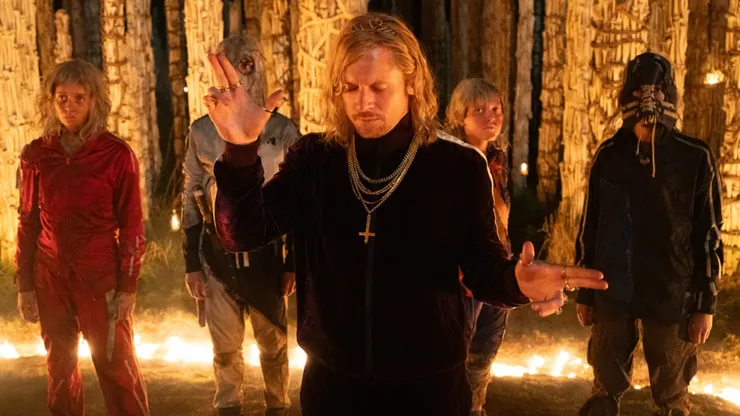
The long-awaited return to Danny Boyle and Alex Garland’s fractured Britain is finally here. It has been nearly three decades since the initial outbreak of the Rage Virus decimated the UK, and while the world has moved on, the scars of the infection have never truly healed.
As “28 Years Later: The Bone Temple” prepares to redefine the post-apocalyptic genre once again, audiences are being ushered back into a landscape where the lines between survival and evolution have blurred. Whether you are a veteran survivor of the 2002 original or a newcomer to the wasteland, there is a complex history of biological terror and societal collapse that you need to grasp before the lights go down.
From Outbreak to Evolution: Tracing the Three Eras of Rage
The journey began 28 Days after the initial breach, where we witnessed the total collapse of London through the eyes of a few desperate survivors. This era was defined by the shock of the “New Infected”—not slow-moving corpses, but living humans driven by a viral, uncontrollable fury. At this stage, the world was still recognizable; the tea was still in the cupboards and the cars were still on the streets, but the social contract had vanished overnight. It was a story of pure survival and the terrifying realization that, in the absence of law, fellow survivors could be just as dangerous as the infected.
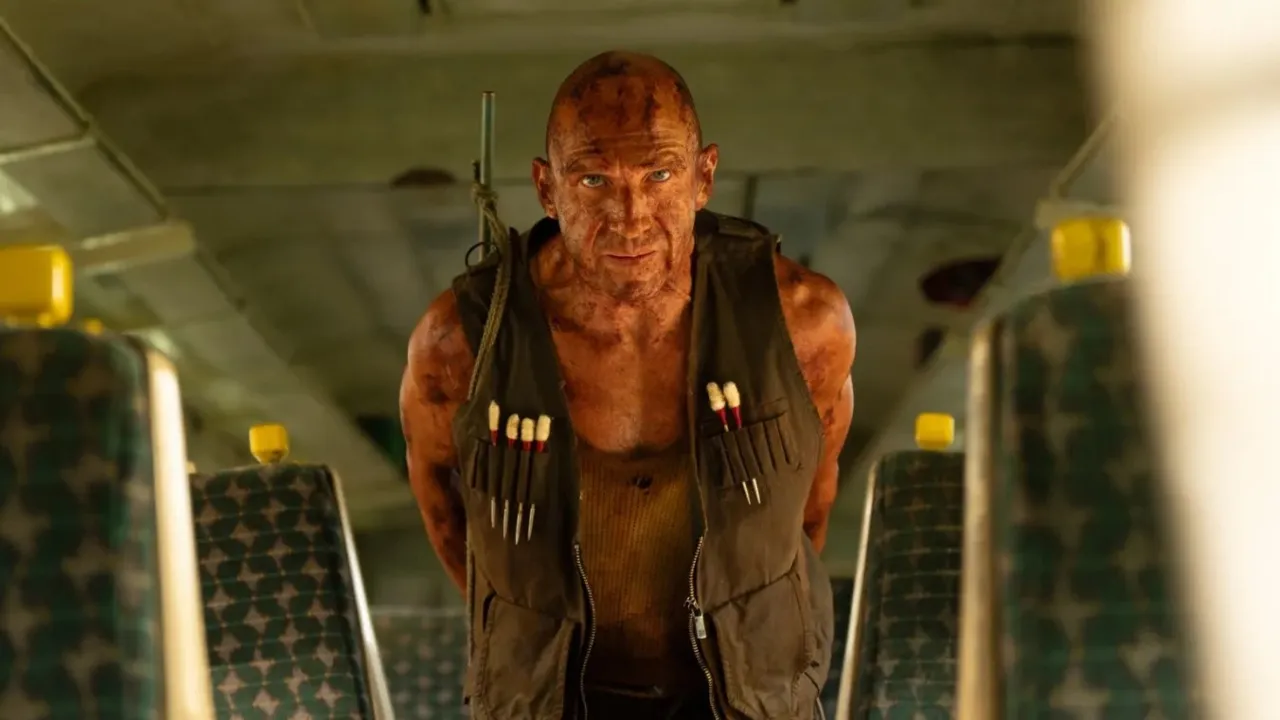
The timeline then shifted to 28 Weeks later, focusing on the failed attempt at reconstruction. This period represented the era of false hope, as NATO forces attempted to reclaim London by establishing a high-security Green Zone. It was a clinical, military-focused chapter that ended in a catastrophic second wave, proving that the Rage Virus couldn’t be contained by fences or snipers. This era showed us that the virus wasn’t just a local tragedy, but a global threat that was capable of hitchhiking across borders, effectively ending any dream of a quick return to normal life.
Now, 28 Years into the future, the world has entered a state of permanent transformation. We have moved past the post-apocalypse and into a new, feral reality where the ruins of the old world are being reclaimed by nature and a new kind of society. The Bone Temple suggests a shift from the clinical to the spiritual; the survivors we meet now have never known a world without the threat of infection. This third era isn’t about waiting for a cure or a rescue—it’s about how humanity and the virus have co-evolved to exist in a dark, ritualistic harmony that the original survivors could never have imagined.