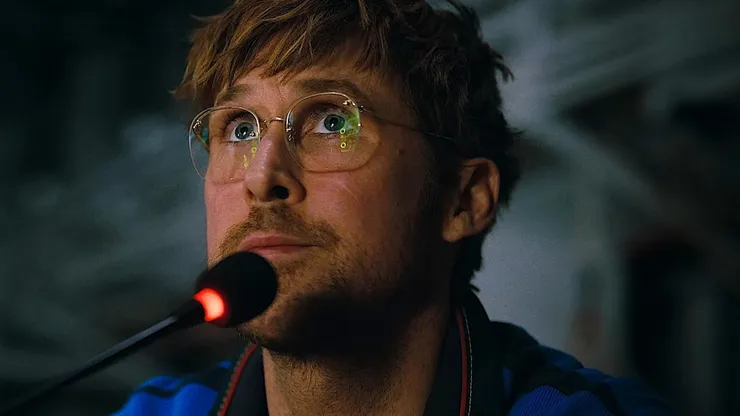
Ryan Gosling is thinking less about spectacle and more about legacy. In an interview with Scary Mommy, the actor framed “Project Hail Mary” not just as an ambitious space adventure, but as a deliberate attempt to revive a kind of moviegoing experience he feels has quietly disappeared.
Speaking alongside author Andy Weir, Gosling tied the film’s origins to a moment of uncertainty for the industry, while positioning it as something far more personal than its premise might suggest.
Ryan Gosling Wants ‘Project Hail Mary’ to Be a New Kind of Classic
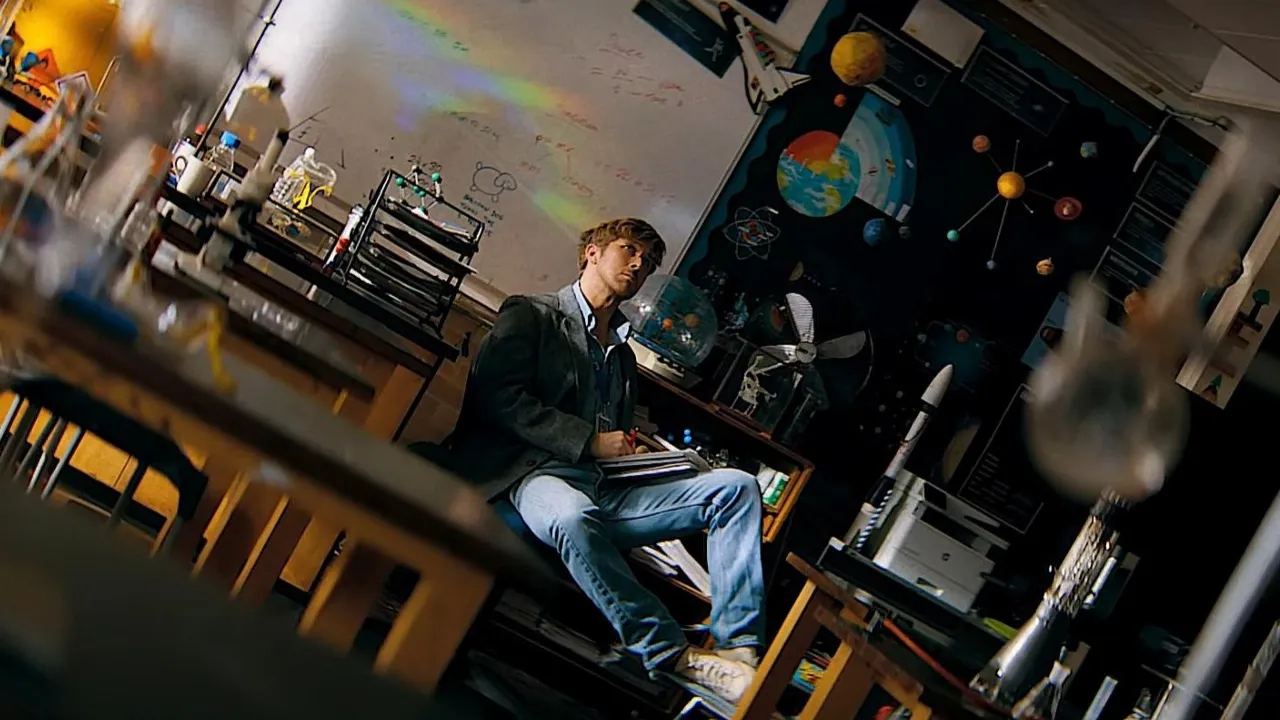
For Ryan Gosling, the scale of “Project Hail Mary” was part of the appeal from the start, even if it felt like a long shot. Reflecting on when he first read the screenplay, he noted, “When I received the manuscript, it was at a time when movie theaters were shutting down and movie productions were shutting down,” before adding that it felt like “a ‘Hail Mary,’ because it’s almost an impossible film to make,” capturing both the timing and the ambition behind the project.
Source: IMDb
But the challenge alone wasn’t enough. What ultimately drove his decision to take on the adaptation was something more personal, rooted in his life as a parent. “I want so much to have one of those core memory films for my family that I could go to the theater,” he said, pointing to a kind of shared viewing experience he feels has become increasingly rare.
Gosling didn’t hesitate to draw a line between past and present, noting, “There just aren’t many,” when it comes to pictures that define a moment in people’s lives. Expanding on that idea, he added, “There aren’t any E.Ts or Back to the Futures or those films that you remember where you were and who you were with,” making clear that his benchmark is rooted in emotional longevity rather than spectacle alone.
That sense of purpose also shapes how he views the movie’s message. For Gosling, it isn’t just about survival or scale, but what audiences take with them afterward. He said he wanted younger viewers to feel “that you’re capable of so much more than you’re being told and you’re capable of even more than you think,” underscoring the aspirational core he sees in the story.
Looking back, his tone shifts from ambition to gratitude. “I just am so grateful to Andy that I got it,” he said of Andy Weir’s novel, before concluding with a note of conviction: “I feel like we made one of those with this,” a statement that captures both his confidence in the film and the legacy he hopes it will leave.