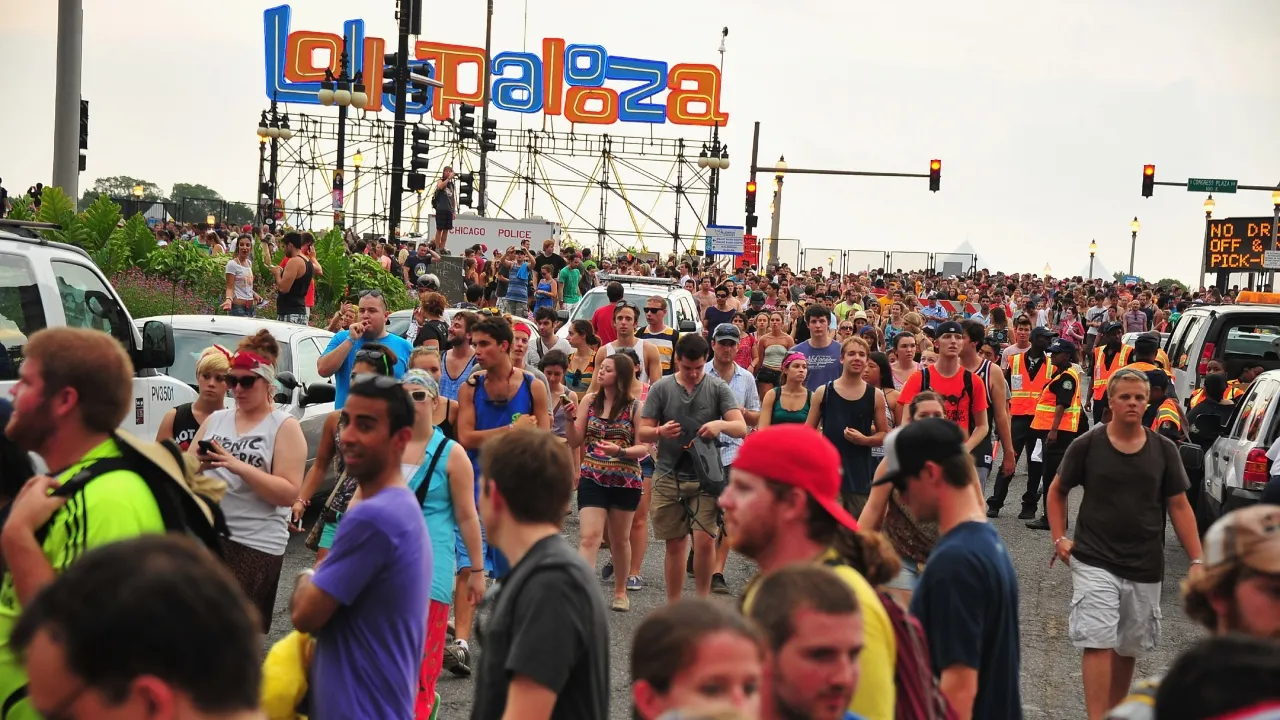
Every summer, Lollapalooza turns Chicago into a global crossroads for music culture, and 2026 is shaping up as one of its most commercially savvy and stylistically fluid editions yet. According to the official festival announcement, the event will once again take over Grant Park from July 30 through August 2, anchoring four days of performances that mirror where the industry is right now.
A Pop-Forward Top Line Meets Indie and Electronic Depth
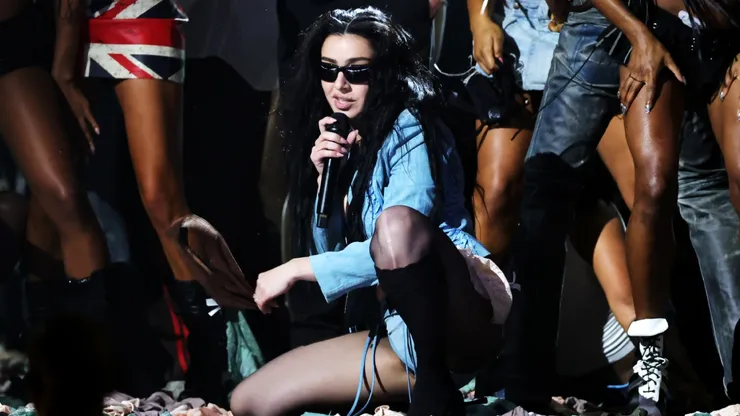
At the top of the bill, Charli XCX, Tate McRae, and Lorde signal a decisive tilt toward artists who have mastered both streaming-era relevance and festival-scale presence. Each represents a different lane of modern pop, from hyperpop experimentation to radio precision and art-pop minimalism, suggesting a headlining strategy designed to capture multiple audiences at once.
Source: Theo Wargo/Getty Images
They are joined by Olivia Dean and John Summit, reinforcing the festival’s increasingly hybrid identity, where soulful songwriting and club-driven momentum share equal footing. The inclusion of JENNIE further underlines Lollapalooza’s global outlook, as K-pop continues its steady integration into Western festival ecosystems.
Rock’s legacy presence remains intact through The Smashing Pumpkins, a hometown-adjacent inclusion that adds a sense of continuity, while The xx bring a more restrained, atmospheric counterbalance to the otherwise high-energy top tier.
Beyond the headliners, the lineup’s depth reflects a mix of critical favorites and fast-rising names. Acts like Turnstile, Clipse, MUNA sit alongside internet-era breakouts such as Beabadoobee, Zara Larsson and PinkPantheress.
Electronic music also maintains a strong footprint, with names like The Chainsmokers, Alison Wonderland, and Boris Brejcha ensuring that the festival’s after-dark identity remains intact across multiple stages.
What emerges from the 2026 lineup is less a clash of genres and more a careful calibration of them. Lollapalooza’s strength has long been its ability to function as both a tastemaker and a mirror, and this year’s roster suggests a festival fully aware of the fragmented, algorithm-driven listening habits of its audience. Instead of forcing cohesion, it leans into variety, trusting that discovery is still part of the draw.