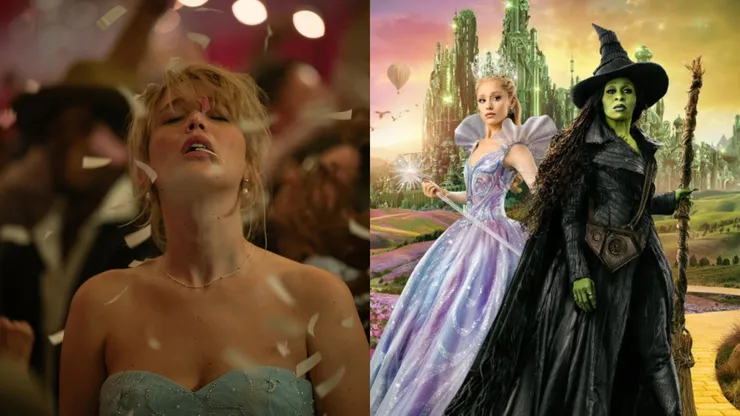
Earning an Academy Award nod is the ultimate Hollywood dream, but for several heavily discussed 2025 releases, the latest Oscar ballot delivered nothing but a blank space.
The past cinematic calendar was filled with massive swings, long-awaited franchise conclusions, and fearless passion projects that resonated deeply with critics and audiences alike. Yet, when the final voting tallies were calculated, these five high-profile projects failed to secure a single nomination, leaving fans completely baffled by the Academy’s blind spots.
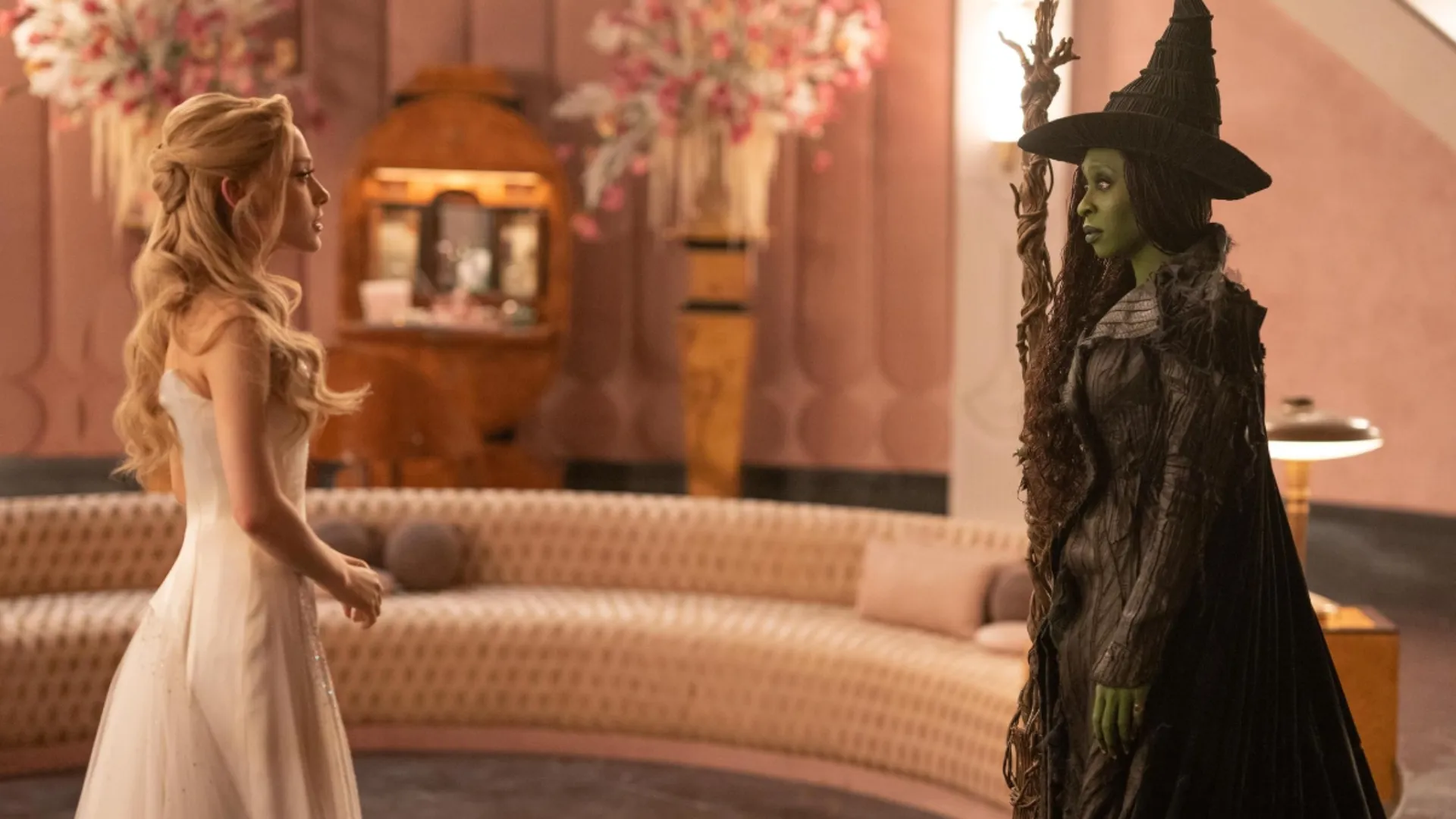
Wicked For Good
IMDb
Despite the monumental box office success and cultural dominance of Jon M. Chu’s two-part cinematic adaptation, the second chapter was completely shut out by the Academy. While the first installment secured multiple nods in the craft categories, Wicked For Good failed to capture that same lightning in a bottle for the voting branches. Fans expected Cynthia Erivo and Ariana Grande to at least factor into the musical or technical races, but sequel fatigue seemingly caught up with the voters. The total absence of Oz from the ballot proves that even billion-dollar, critically acclaimed blockbusters can quickly lose their momentum in the unpredictable awards circuit.
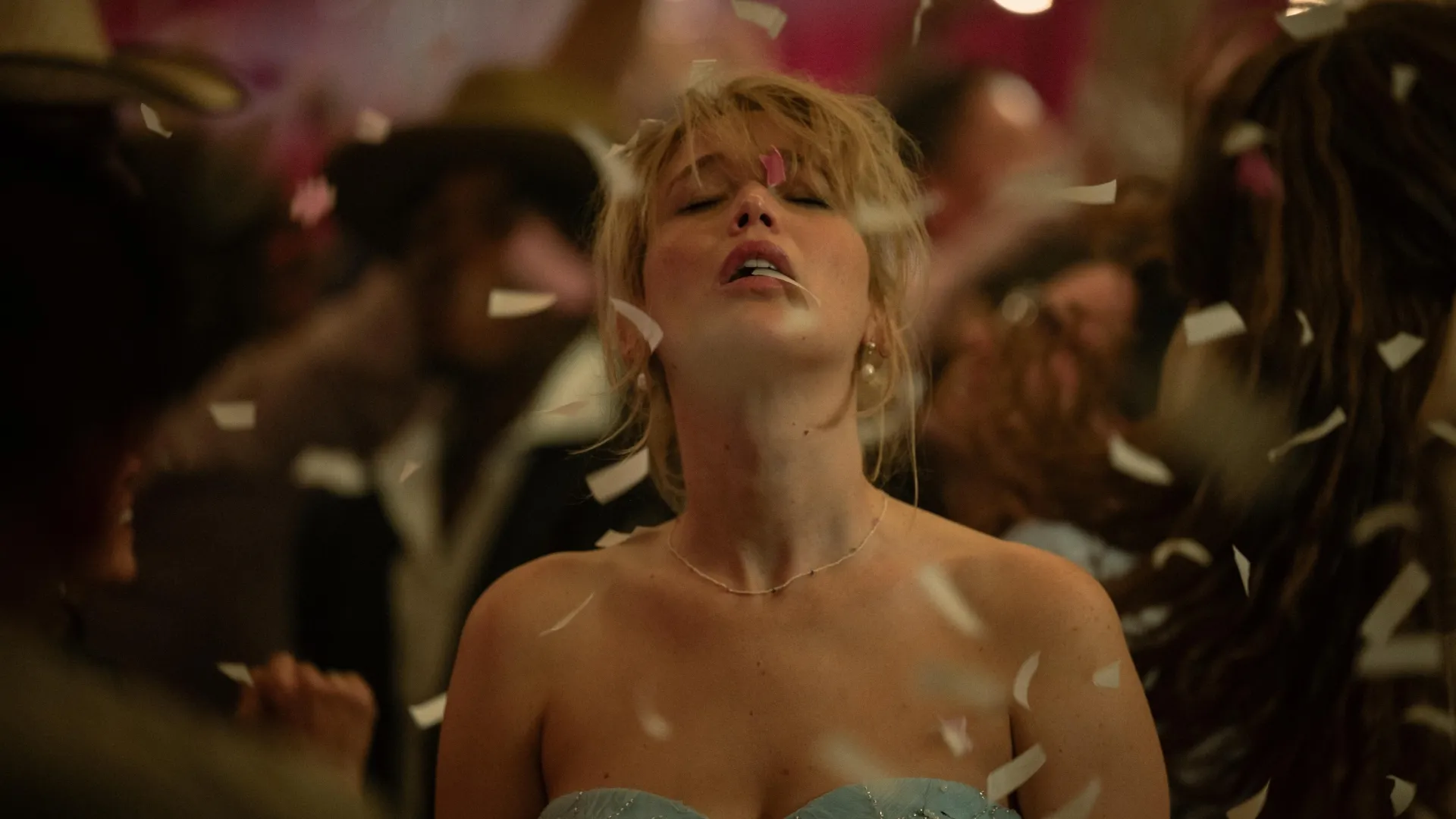
Die, My Love
IMDb
Lynne Ramsay’s gripping psychological thriller offered what many critics hailed as a career-defining performance from Jennifer Lawrence, yet it received zero Academy recognition. The film explores the terrifying unraveling of a woman pushed to the brink of madness by the isolating pressures of marriage and motherhood in rural America. Despite Lawrence’s visceral vulnerability and Ramsay’s haunting, atmospheric direction, the deeply unsettling tone of the narrative seemingly alienated the more traditional voting bloc. It remains one of the most glaring omissions of the season, serving as a reminder that the Oscars frequently shy away from unabashedly dark, female-led horror-dramas.
Jay Kelly
Noah Baumbach’s highly anticipated Netflix feature boasted an undeniably starry ensemble, pairing George Clooney and Adam Sandler in a witty, emotionally resonant coming-of-age comedy. Given the director’s historical popularity with the writers’ branch and a high-profile cast that included Laura Dern, the film was widely expected to score at least an Original Screenplay nomination. However, the gentle, character-driven story struggled to stand out in a year dominated by massive technical epics and intense historical biopics. Ultimately, the charming but understated nature of the picture caused it to slip completely off the radar during the crucial winter voting window.
Mission: Impossible – The Final Reckoning
Tom Cruise’s eighth and heavily promoted final outing as Ethan Hunt delivered the jaw-dropping practical stunts and relentless action that audiences have come to expect from the legendary franchise. Directed by Christopher McQuarrie, the blockbuster was an undeniable technical marvel, boasting incredible sound design, flawless editing, and breathtaking cinematography. Unfortunately, the Academy has a notorious blind spot for the Mission: Impossible series, consistently treating its spectacular achievements as standard popcorn fare rather than award-worthy craftsmanship. The fact that this epic, globe-trotting conclusion could not even secure a visual effects nod is a frustrating testament to the industry’s ongoing genre bias.
The Testament of Ann Lee
Mona Fastvold’s breathtakingly ambitious historical musical about the founder of the Shaker movement was an audacious cinematic swing that the Academy entirely ignored. Starring Amanda Seyfried in a transcendent, career-best performance as the radically ecstatic religious leader, the film masterfully blended brutal 18th-century period drama with avant-garde choreography. Despite the involvement of The Brutalist co-writer Brady Corbet and stunning original hymns by Daniel Blumberg, the movie’s polarizing, experimental structure proved too challenging for mainstream awards traction. Its complete shutout is a heartbreaking outcome for one of the most visually stunning and uncompromising independent films of the year.