In film, not every unforgettable performance comes with extensive screen time. Some actors leave a lasting impact with just a single scene, proving that a brief appearance can be as powerful as a lead role. Many performances often elevate key moments, add depth to the story or create lasting impressions that stay with audiences long after the movie ends.
One-scene roles showcase an actor’s ability to make every line, gesture or expression count. Whether it’s a pivotal plot point, a memorable cameo or a surprising twist, these performances highlight how skill, timing and presence can turn even the smallest role into a standout cinematic moment.
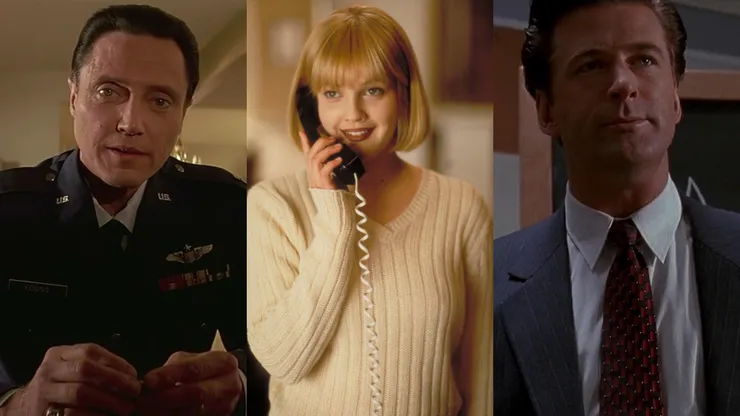
Christopher Walken in Pulp Fiction (1994)
Christopher Walken’s brief appearance in Quentin Tarantino’s Pulp Fiction as Captain Koons delivering a story about a gold watch is a masterclass in tension and eccentricity. The scene is short, yet every line, pause, and flick of his gaze adds layers of absurdity and gravity simultaneously.
Walken’s precise rhythm in recounting the watch’s journey through generations creates a sense of ritual, blending humor, trauma, and memorability in under five minutes. What makes this moment iconic is how it informs the film’s later events without overshadowing them.
Walken’s performance demonstrates that a single, perfectly delivered scene can enrich character backstory, influence the emotional stakes of the entire narrative, and embed itself in pop culture as a moment audiences repeatedly reference. His timing, intonation, and unique cadence make this one of cinema’s most studied one-scene turns.
Drew Barrymore in Scream (1996)
Drew Barrymore’s opening scene in Wes Craven’s Scream is legendary for subverting expectations. Hired as the film’s marquee star, Barrymore is killed within the first ten minutes, but her performance transforms the scene into a lesson in horror suspense.
The extended phone call, alternating between casual conversation and mounting terror, is executed with pitch-perfect timing, immersing viewers in palpable dread. Barrymore’s presence elevates the film’s tone immediately, signaling that no character is safe and redefining the rules of the slasher genre.
Her ability to blend vulnerability, humor, and fear gives the audience both empathy and shock, proving that even a brief appearance can establish narrative stakes and influence the emotional rhythm of an entire film.
Alfred Molina in Boogie Nights (1997)
Alfred Molina’s portrayal of Rahad Jackson in Boogie Nights is brief yet unforgettable. Arriving during a chaotic, firework-filled scene, Molina’s intensity cuts through the film’s frenetic energy.
His performance balances menace with humor, transforming what could have been a forgettable supporting moment into a scene of tension and unpredictability. Molina’s skill lies in his ability to occupy space and command attention quickly.
His gestures, expressions, and interaction with other characters make the scene dynamic and memorable, showcasing how a well-crafted one-scene performance can inject new energy into a larger ensemble and leave an indelible mark on viewers’ memories.
Denis Ménochet in Inglourious Basterds (2009)
Denis Ménochet’s opening performance in Quentin Tarantino’s Inglourious Basterds is a masterclass in silent tension. Playing a French farmer harboring secrets under the scrutiny of Nazi Colonel Hans Landa, Ménochet conveys mounting fear through small movements, subtle eye contact, and body language rather than dialogue.
The scene’s pacing allows audiences to feel every second of dread, proving that restraint can be more impactful than overt dramatics. The effectiveness of Ménochet’s performance is amplified by Christoph Waltz’s contrasting confidence, creating a power imbalance that makes the tension almost unbearable.
His portrayal demonstrates how even a brief appearance can establish mood, deepen narrative stakes, and set the tone for an entire film, marking it as one of cinema’s most riveting one-scene performances.
Alec Baldwin in Glengarry Glen Ross (1992)
Alec Baldwin’s “Always Be Closing” monologue in Glengarry Glen Ross lasts barely ten minutes but became the defining moment of the film. Baldwin’s character delivers a high-pressure speech to a group of struggling real estate salesmen, combining intimidation with theatricality.
Every word, pause, and emphatic gesture is calibrated to command attention and leave no room for distraction. Despite minimal screen time, Baldwin’s scene establishes the film’s central themes of ambition, greed, and desperation.
His explosive energy sets a standard for scene-stealing performances, proving that impact isn’t determined by minutes but by the ability to dominate a moment and imprint it indelibly into audience memory.
William Hurt in A History of Violence (2005)
William Hurt’s short appearance in David Cronenberg’s A History of Violence as Richie Cusack is electric. Hurt enters late in the film, yet his portrayal of a violent, unpredictable gangster creates immediate tension.
His measured dialogue, nuanced expressions, and sudden bursts of menace make him an unforgettable threat, adding urgency to the protagonist’s journey. Hurt’s performance exemplifies the power of timing and context in one-scene roles.
By appearing strategically, he reshapes audience perception of the story’s stakes and provides a catalyst for the climax. Even a fleeting role like this can alter the emotional architecture of a film, cementing its status as a masterful example of concise acting.
Bradley Cooper in Licorice Pizza (2021)
Bradley Cooper’s cameo as Jon Peters in Paul Thomas Anderson’s Licorice Pizza bursts with eccentric energy. Though brief, the performance is chaotic, hilarious, and slightly unhinged, perfectly complementing the film’s nostalgic yet offbeat tone.
Cooper’s improvisational flair and timing make the scene unpredictable and endlessly replayable. The brilliance of this one-scene performance lies in its ability to dominate attention without overstaying its welcome.
He transforms a minor role into a key highlight, demonstrating how charisma, comedic timing, and audacity can turn a fleeting appearance into a memorable cinematic moment that audiences discuss long after the credits roll.
Jesse Plemons in Civil War (2024)
In Civil War, Jesse Plemons delivers a scene that quickly became one of the film’s most discussed moments, embodying calm menace with chilling precision. Arriving late in the narrative, his character Boots interjects into a pivotal confrontation with a chilling composure that contrasts dramatically with the surrounding chaos.
Plemons doesn’t rely on raised voices or dramatic flourishes — instead, he exudes a quiet confidence that feels palpably threatening, proving that stillness can be just as intimidating as aggression. The conversation he shares in his single scene lingers because it reframes the emotional stakes of the story.
Where much of the film revolves around clashing personalities and escalating conflict, Plemons’ performance brings a laser focus to interpersonal tension that cements his moment in audience memory. That he can redefine a viewer’s perception of danger with screen time measured in minutes highlights his ability to turn nuance into a commanding presence.
Philip Seymour Hoffman in Hard Eight (1996)
Philip Seymour Hoffman’s early career appearance in Paul Thomas Anderson’s Hard Eight is short but electrifying — the kind of performance that announces a major talent to the world.
Playing a loud, self‑important gambler named Jimmy, Hoffman fills his brief scene with energy and unpredictability. His delivery catches attention instantly, bringing humor, absurdity, and a hint of danger that punctures the film’s otherwise quiet mood.
This moment foreshadowed the prolific career that followed, showcasing Hoffman’s range and magnetic screen presence even before he became a household name.
In a single interaction, he turns what could have been a forgettable supporting bit into one of the movie’s most replayed scenes, reminding viewers why he would later become one of his generation’s most respected actors.
Viola Davis in Doubt (2008)
Viola Davis’ appearance in Doubt spans just one scene, yet it remains one of the film’s most powerful. Invited in to attempt a mediation between conflicting adults, her character Mrs. Miller brings layered emotional intelligence, exhaustion, and insistence to a room already crackling with tension.
In the span of just a few minutes, Davis conveys a deep emotional history, grounding the story with lived experience. Her performance earned an Academy Award nomination — a rare feat for such limited screen time — and rightfully so.
Davis doesn’t just deliver lines; she invests them with a lived‑in fatigue and strength that make the entire room pivot around her presence. The scene becomes a quiet turning point, illustrating how one performance can transform the tone of a scene and anchor the emotional core of a film.
Judi Dench in Shakespeare in Love (1998)
Judi Dench’s brief turn as Queen Elizabeth I in Shakespeare in Love earned her an Oscar — and it’s easy to see why. In just one scene, Dench’s regal authority and sharp wit reshape the film’s narrative direction.
Her portrayal is economical yet commanding, signaling to the audience that even off‑stage monarchs can steer the story’s social and dramatic currents with subtle force. The moment illuminates how effective powerful screen presence can be when applied with precision.
Dench’s brief performance manages to establish character, influence plot, and add a layer of thematic depth about artistic freedom versus political power. It’s a reminder that a single well‑executed scene can resonate just as powerfully as a full character arc.
Gary Oldman in True Romance (1993)
In True Romance, Gary Oldman appears as the violent mob figure Drexl Spivey — and it’s one of those scenes that audiences never forget. Though his screen time is limited, Oldman’s performance is a cluster of unpredictable energy, menace, and dark humor.
Clad in dreadlocks, piercing eyes, and a wardrobe that refuses to blend in, he makes his presence felt instantly. Oldman doesn’t just chew scenery; he devours it.
His heightened intensity and commitment to every line turn this minor appearance into a climax of tension and chaos, elevating the scene beyond its narrative function and into the realm of iconic pop‑culture moments. The performance stands as one of Oldman’s most vibrant, proving that a brief scene can broadcast the full force of an actor’s craft.
Dean Stockwell in Blue Velvet (1986)
Director David Lynch is known for dreamlike and unsettling moments, and Dean Stockwell’s appearance in Blue Velvet embodies that sensibility perfectly. In a surreal bar sequence, Stockwell’s character performs a lip‑synced rendition of Bobby Vinton’s Blue Velvet.
It’s brief, strange, and beautifully eerie — the kind of moment that lingers because it feels dreamlike and slightly off‑kilter. Stockwell doesn’t deliver lines in this scene, but the emotional effect is unmistakable.
His physicality, subtle expression, and the surreal staging turn what could have been a simple performance into an emblem of Lynchian mood: weird, compelling, and full of narrative implication. It proves that presence and atmosphere can matter as much as dialogue.
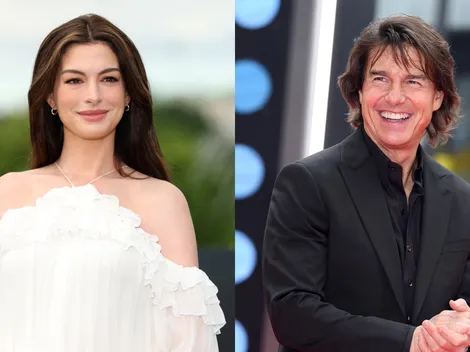
Anne Hathaway in Les Misérables (2012)
Anne Hathaway’s performance of “I Dreamed a Dream” in Les Misérables is one of the most widely discussed one‑scene turns of recent decades. Filmed in a single, unbroken close‑up, this moment strips away theatricality and focuses purely on emotional truth, capturing Hathaway’s raw vocal power and the heartbreaking anguish of her character.
Rather than aiming for spectacle, the scene’s simplicity makes it unforgettable. Each breath, tear, and break in her voice conveys a lifetime of disappointment and pain. Hathaway’s performance not only earned her an Academy Award but redefined how intimate performance can transform a single scene into an emotional centerpiece of an entire film.
Ned Beatty in Network (1976)
Ned Beatty’s explosive monologue in Network is one of cinema’s most unforgettable one‑scene performances. Cast as Arthur Jensen, the corporate titan behind a struggling news network, Beatty delivers a rapid‑fire speech about global economic systems and human insignificance that virtually hijacks the film for its duration.
His presence is overwhelming, not because he dominates every frame, but because his words unmask the movie’s central critique of media, capitalism, and power. The power of Beatty’s performance lies in its sheer intellectual force and velocity.
Rather than relying on physicality or emotion, he uses his voice and rhetorical precision to unsettle both his on‑screen counterpart and the audience. The moment reframes the narrative, pulling focus from the personal drama unfolding earlier in the film and anchoring it to a wider, politically charged context. It’s a performance that proves a single scene can carry ideological weight as well as dramatic impact.
Michael Shannon in Revolutionary Road (2008)
In Revolutionary Road, Michael Shannon appears in a scene that cuts to the emotional core of the story like a scalpel. As John Givings, Shannon delivers harsh truths with an icy calm that forces the main characters — and the audience — to confront the illusions and disappointments underlying suburban life.
His performance is blazingly honest, using blunt dialogue and controlled delivery to shatter the surface of the film’s quieter emotional currents. What makes this brief appearance so effective is Shannon’s ability to act without theatrics.
He doesn’t overpower the scene with volume or spectacle; instead, he disrupts the emotional equilibrium of the narrative. In so doing, Shannon turns a short appearance into a defining turning point of the film’s psychological tension, proving once again that measured intensity can leave an indelible mark.
Dave Bautista in Blade Runner 2049 (2017)
Dave Bautista’s opening scene in Blade Runner 2049 is minimalist yet striking, setting the tone for Denis Villeneuve’s atmosphere‑rich world. As Sapper Morton, an ex‑military replicant living in isolation, Bautista communicates more with silence and presence than with dialogue.
The scene unfolds methodically, each movement loaded with weariness and muted strength, immediately signaling that this is a character defined by depth rather than exposition. Rather than dominating through overt action, Bautista’s performance works through subtle physical choices.
He conveys a lifetime of experience in brief moments of stillness and precise motion, immersing the viewer in the film’s stark, dystopian universe. In doing so, he lays the groundwork for the story’s thematic exploration of memory, identity, and humanity, proving that a one‑scene appearance can resonate through an entire narrative.
Marlon Brando in Apocalypse Now (1979)
Marlon Brando’s portrayal of Colonel Kurtz in Apocalypse Now appears only in the film’s final act, yet his presence dominates the story from the moment he’s first referenced.
When Kurtz finally emerges in the jungle’s shadows, Brando’s voice — deep, detached, almost mythic — carries a haunting authority that redefines the journey undertaken by Captain Willard.
His scenes are brief, fragmented, and layered with ambiguity, echoing the film’s larger themes of insanity, morality, and the madness of war. Brando’s performance doesn’t just conclude the narrative; it encapsulates the psychological descent the film charts.
In a few haunting moments, he turns Kurtz into a symbolic figure — the embodiment of the very darkness the movie set out to explore — proving that presence and aura can outweigh duration in cinematic gravitas.
Billy Crudup in Jay Kelly (2025)
Billy Crudup delivers a memorable one-scene performance in Noah Baumbach’s 2025 comedy‑drama Jay Kelly, a film that explores fame, personal reckoning, and the complexities of long-term relationships in Hollywood.
He appears as a pivotal character who interacts with the protagonist during a critical turning point in the narrative, providing insight and subtle tension that enriches the story.
Even in limited screen time, his presence is commanding, adding emotional depth to the film’s broader themes of reflection and personal growth. Crudup’s performance stands out because he conveys nuance and intention with minimal dialogue, demonstrating how a brief appearance can still carry substantial narrative weight.
Critics have noted that while the spotlight often shines on George Clooney and Adam Sandler in the film, Crudup’s cameo leaves a lasting impression, illustrating the skill required to make a single scene resonate with audiences. His turn is a reminder that even in ensemble-driven stories, a short but well-crafted performance can become a defining cinematic moment.