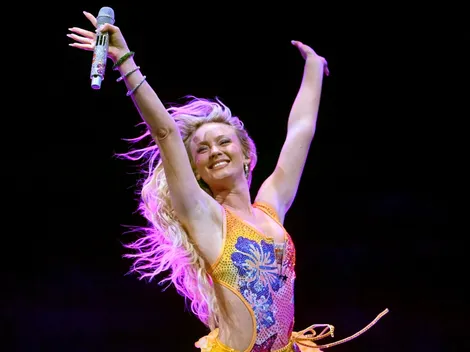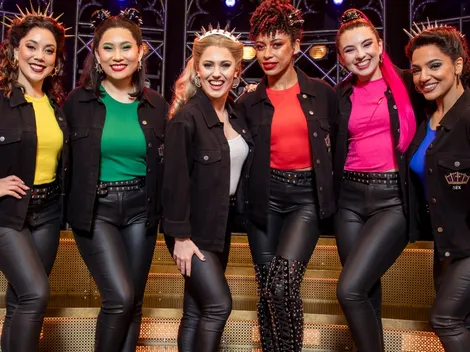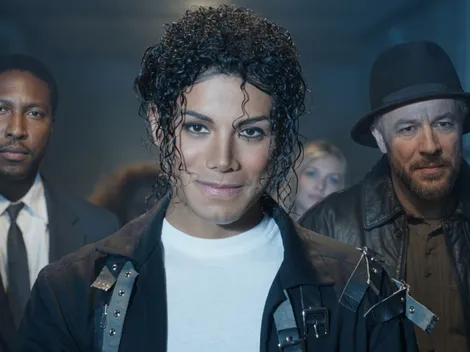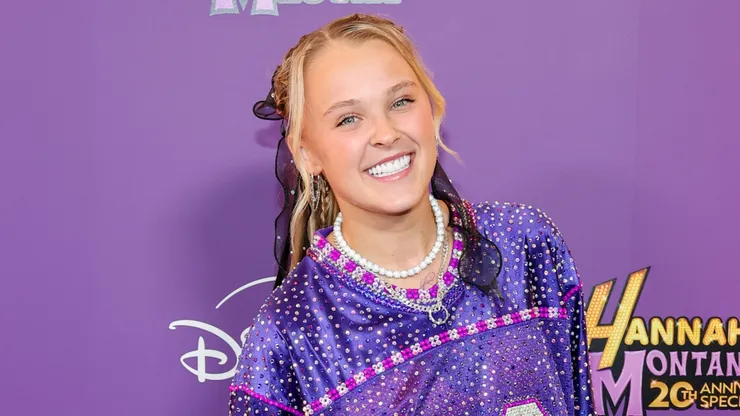
The evolution of JoJo Siwa traces one of the most visible transformations in modern pop stardom. First introduced to audiences through Dance Moms and later amplified by a Nickelodeon-backed empire of music, television and merchandising, her early career was built on hyper-colorful branding and a tightly controlled “kid-friendly” identity that turned her into a global tween phenomenon.
JoJo Siwa’s Reinvention Era: From Child Star Blueprint to Pop Identity
The story of JoJo Siwa is one of the clearest examples of how modern fame can begin as a tightly controlled character and slowly unravel into something far more fluid. She first emerged through Dance Moms, where her bold personality and unmistakable aesthetic — oversized bows, neon outfits, and high-energy performances — quickly turned her into a standout figure in reality television.
That visibility expanded into a full commercial brand under Nickelodeon, transforming her into a child-friendly pop product whose identity was as recognizable as it was carefully curated.
According to her broader career timeline, this era included music releases, tours and merchandising that reinforced a very specific image: bright, optimistic, and unchanging. But as Siwa moved into her late teens and early twenties, that image began to shift under public scrutiny and personal growth.
The transition away from her Nickelodeon branding marked the start of a more experimental phase, where she began separating herself from the “kid star” framework that had defined her early success.
Her music and public appearances started reflecting a more complex tone, less polished and more self-aware, signaling an attempt to renegotiate how she was perceived beyond children’s entertainment.
That reinvention became more visible in recent years, particularly as she leaned into a more provocative pop aesthetic and released material that contrasted sharply with her earlier work.
The single “Karma”, for example, drew significant attention for its darker visuals and club-influenced sound, representing a deliberate break from her past image. Alongside reality television appearances and viral moments, she positioned herself within a more adult pop landscape where transformation itself became part of the narrative rather than a hidden transition.
By 23, her career no longer follows a fixed identity but operates as a continuous reset — a performer reconstructing herself in public view, where each new era is both a departure and a reflection of what came before.
In that sense, Siwa’s evolution is less about abandoning her origins and more about rewriting them in real time, turning reinvention into the defining language of her presence in pop culture.