Michael Jackson and Janet Jackson’s “Scream” debuted on May 29, 1995, arriving at a time when both siblings were among the most scrutinized figures in popular culture. More than three decades later, the track remains notable not only for its commercial success and groundbreaking music video, but also for the way it confronted media pressure head on.
Rather than offering a conventional pop anthem, the Jacksons delivered a statement that reflected the growing tension between celebrity culture and personal privacy.
Why ‘Scream’ Still Feels Like a Rebellion Against Fame
When “Scream” was released, Michael Jackson was facing relentless tabloid attention and public controversy. Instead of addressing that environment through interviews or carefully crafted public appearances, he channeled those frustrations into music. The song’s lyrics carried a sense of exhaustion and resistance, presenting a rare moment in which one of the world’s biggest stars openly pushed back against the forces shaping his public image.
Janet Jackson’s presence proved equally important. By joining her brother, she transformed the track from a personal response into a united statement. Their chemistry gave the song additional weight, making it feel less like an individual grievance and more like a shared challenge to the way media narratives were being constructed around public figures.
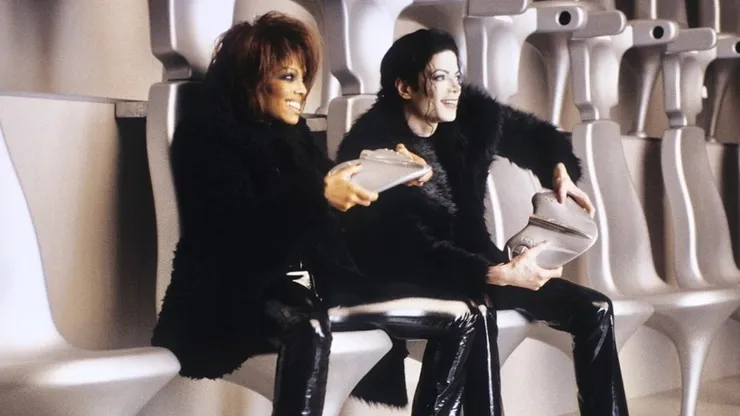
The accompanying music video amplified that message. Set inside a futuristic spacecraft and filmed in striking black and white, it presented the siblings as isolated from the outside world while still under constant observation. At the time, the production became famous for its record breaking budget, but its lasting impact comes from how effectively its visuals reinforced the song’s themes of alienation and defiance.
Musically, “Scream” also stood apart from much of mainstream pop in the mid 1990s. Its aggressive energy, industrial influences, and confrontational tone made it an unusual release for artists of Michael and Janet’s stature. Rather than pursuing a softer or more commercially predictable approach, the song embraced intensity and anger, giving it a distinct identity within both performers’ catalogs.
Thirty one years after its debut, “Scream” continues to resonate because its central themes remain relevant. The relationship between celebrities, the press, and public opinion has only become more complicated in the age of social media. What began as a response to a specific moment in 1995 now serves as a reminder that fame often comes with pressures that even the most successful artists struggle to control. For Michael and Janet Jackson, “Scream” was more than a hit single. It was a declaration that they would not quietly accept the narratives being imposed on them.