For an award meant to honor the very best in music, the Grammys have a long and often baffling history of omissions. Over the years, groundbreaking records that reshaped genres, defined cultural moments, and dominated critical conversations somehow failed to even secure a nomination for Album of the Year.
Whether due to industry politics, shifting tastes, or simple misjudgment, these 10 snubs have only grown more glaring with time—raising the question of how such undeniable classics were left out in the first place.
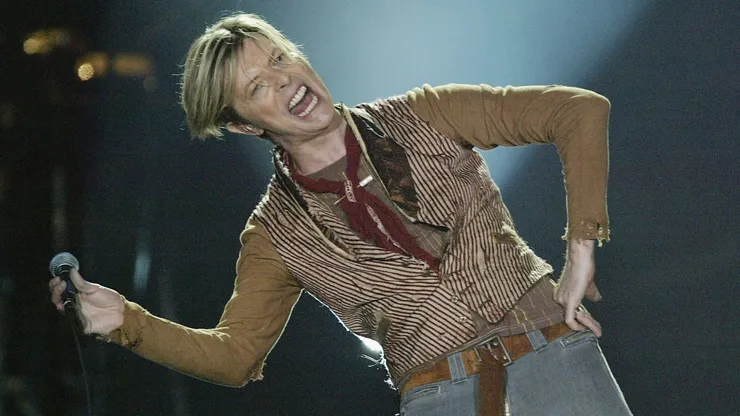
David Bowie – The Rise and Fall of Ziggy Stardust and the Spiders from Mars

Source: Bryan Bedder/Getty Images
By the time David Bowie unveiled The Rise and Fall of Ziggy Stardust and the Spiders from Mars, he wasn’t just releasing a record, he was introducing a fully realized alter ego that would redefine rock stardom. Despite its ambition and originality, the Grammy Awards didn’t recognize it at all, leaving the album without a single nomination.
What followed only underscored how far ahead of its time it truly was. Blending glam rock theatrics with a cohesive narrative, Ziggy Stardust became one of the most influential albums of its era, shaping everything from stage performance to genre identity. Even as Bowie’s stature grew, Album of the Year recognition remained elusive throughout his career, making this early oversight feel like a telling example of how slowly institutions can catch up to genuine innovation.
Pink Floyd – The Dark Side of the Moon
It’s one of the most celebrated albums ever recorded, yet Pink Floyd’s The Dark Side of the Moon somehow never even made the Album of the Year lineup at the 16th Annual Grammy Awards. Despite its groundbreaking production and cultural impact, the album’s only nomination came in a technical category, Best Engineered Recording, Non-Classical.
The omission looks even more baffling in hindsight. That year’s top prize went to Stevie Wonder for Innervisions, a landmark record in its own right, but one that didn’t eclipse the long-term legacy of Pink Floyd’s opus. Over time, The Dark Side of the Moon has become a defining work of the album era, spending an astonishing 900-plus weeks on the charts and reshaping what a cohesive rock record could be. The Grammys would later attempt to correct course by inducting it into the Grammy Hall of Fame, but its absence from the biggest category remains one of the awards’ most infamous oversights.
Nirvana – Nevermind
Few albums have shifted the cultural landscape as dramatically as Nirvana’s Nevermind, yet it never cracked the Album of the Year lineup at the 34th Annual Grammy Awards. At the height of its impact, the record was instead confined to the Best Alternative Music Album category, a telling sign of how the industry struggled to recognize what was right in front of it.
In retrospect, the omission feels almost surreal. Powered by the generational anthem “Smells Like Teen Spirit,” Nevermind didn’t just top charts, it upended the mainstream, dragging alternative rock into the center of pop culture. That year, the band lost its category to R.E.M.’s Out of Time, while the Grammys’ top field moved on without it entirely. The Recording Academy eventually inducted the album into the Grammy Hall of Fame, a belated acknowledgment for a record that had already redefined the sound of an era.
The Beach Boys – Pet Sounds
When The Beach Boys released Pet Sounds, it quietly rewrote the rules of what a pop album could sound like, even if the Grammy Awards didn’t immediately take notice. Despite its lush arrangements and studio innovation, the record was completely absent from the Album of the Year conversation at the time.
Part of that disconnect came down to timing. While Pet Sounds earned strong critical praise, it didn’t match the band’s earlier commercial highs in the U.S., making it easier for voters to overlook. Ironically, its influence only grew with the years, shaping generations of artists and redefining the possibilities of album-making itself. The Recording Academy eventually inducted it into the Grammy Hall of Fame, a recognition that arrived long after its true impact had already been cemented.
The Velvet Underground and Nico – The Velvet Underground
At the time of its release, The Velvet Underground & Nico barely registered with the mainstream, and the Grammy Awards followed suit by leaving it out of the Album of the Year race entirely. What is now hailed as a cornerstone of alternative music was, in 1967, too abrasive, too unconventional, and too controversial for wide industry recognition.
Its legacy tells a completely different story. Driven by The Velvet Underground and the singular voice of Lou Reed, the album went on to influence everything from punk to indie rock, despite early resistance that saw it banned in some stores and ignored by radio. Decades later, its reputation as a trailblazer became undeniable, earning it a place in the Grammy Hall of Fame and cementing its status as one of the most important albums the Grammys initially failed to recognize.
Aretha Franklin – I Never Loved a Man the Way I Love You
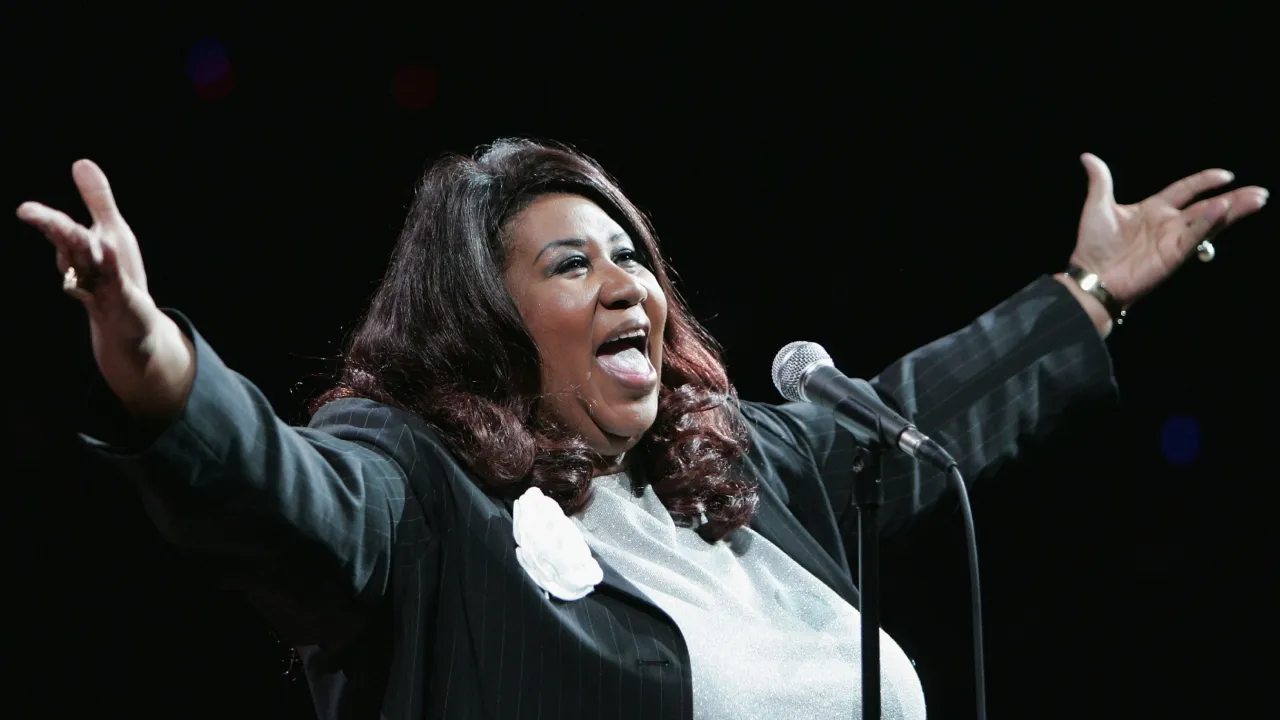
Source: Jed Jacobsohn/Getty Images
A breakthrough moment for Aretha Franklin, I Never Loved a Man the Way I Love You announced the arrival of the “Queen of Soul” with undeniable force. The record was both a commercial triumph and a cultural milestone, yet the Grammy Awards did not include it among the Album of the Year nominees when the 1967 honors were handed out.
That absence feels especially glaring given the album’s enduring legacy. Featuring the era-defining anthem “Respect,” it dominated the charts and helped reshape the sound of modern soul, setting a new standard for vocal performance and emotional intensity. Decades on, its reputation has only grown, securing its place among the most essential recordings in popular music history, regardless of its omission from the Grammys’ top category.
Marvin Gaye – What’s Going On
In 1971, Marvin Gaye delivered What’s Going On, a deeply personal record that redefined the scope of soul music. Yet when awards season arrived, the Grammy Awards largely looked past it, leaving the album out of the Album of the Year category entirely.
The disconnect is striking in hindsight. Anchored by tracks like “Inner City Blues (Make Me Wanna Holler),” the album offered a cohesive, socially conscious vision that resonated far beyond its era, even if it translated into just a single Grammy nomination at the time. Today, it stands as one of the most revered albums ever made, its influence stretching across genres and generations, a reminder that recognition doesn’t always arrive when it should.
Joni Mitchell – Blue
Few albums feel as intimate and emotionally exposed as Joni Mitchell’s Blue, a record that has since become a benchmark for confessional songwriting. At the time of its release, however, the Grammy Awards overlooked it completely, granting it no nominations, including in the Album of the Year category.
The gap between its initial reception and its lasting reputation couldn’t be wider. With its raw lyricism and minimalist arrangements, Blue has influenced generations of artists and is regularly ranked among the greatest albums ever made. Mitchell would go on to earn multiple Grammy wins across her career, but this particular omission stands out as a reminder that even the most quietly transformative works can take time to receive their due recognition.
Bob Marley and The Wailers – Exodus
Released at a pivotal moment in his life and career, Bob Marley’s Exodus helped bring reggae to an international audience. Even so, the Grammy Awards did not recognize the album at all during its era, and Marley himself never received a Grammy nomination while he was alive.
In the decades since, Exodus has only grown in stature, frequently cited among the greatest albums ever recorded and a defining statement of its genre. Its influence can be heard far beyond reggae, shaping artists across styles and generations. The Recording Academy eventually inducted the album into the Grammy Hall of Fame and honored Marley with a Lifetime Achievement Award, acknowledgments that arrived long after his music had already left an indelible mark on the world.
Bruce Springsteen – Nebraska

Source: Rodin Eckenroth/Getty Images for AFI
Stripped down to its bare essentials, Bruce Springsteen’s Nebraska arrived as a stark departure from his arena-filling sound, trading bombast for haunting, lo-fi storytelling. It earned widespread critical acclaim, yet the Grammy Awards failed to nominate it in any category, including Album of the Year.
That silence from the Grammys has only grown more puzzling with time. Built from home-recorded demos and populated by characters on the margins, Nebraska showcased a different kind of ambition, one that prioritized mood and narrative over commercial polish. While Springsteen would eventually land Album of the Year nominations for other projects, this overlooked release has endured as one of his most respected works, often cited as a defining example of artistic risk that went unrecognized in its moment.