Some television stories arrive with a full stop already written into their DNA. Conceived as miniseries, they are planned with a clear arc, a defined ending, and the promise of closure. Yet TV history is filled with projects that proved too resonant, too successful or too culturally timely to end where they were meant to.
Ratings, awards buzz and audience attachment often intervened, transforming limited events into ongoing narratives that stretched far beyond their original scope. What follows is a look at series that quietly broke their own rules. Shows that were designed to burn brightly and briefly, but instead kept evolving.
Big Little Lies (2017–2019)

(Source: IMDb)
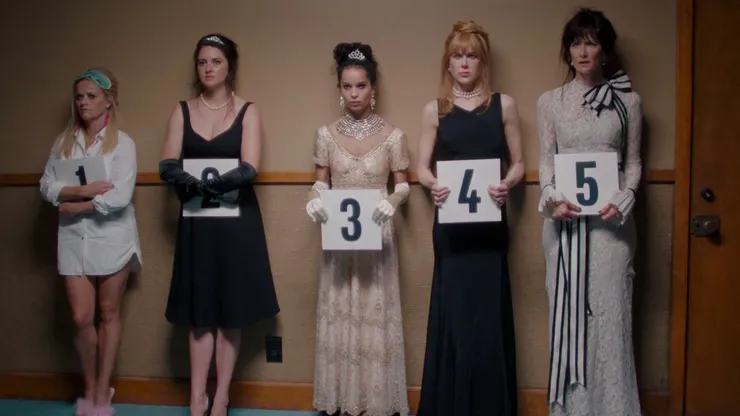
When Big Little Lies premiered on HBO in 2017, its intentions were as clear as the coastal light of Monterey: a self-contained narrative drawn directly from Liane Moriarty’s novel, designed to unfold and conclude within a single season.
The miniseries was built as a tightly sealed chamber of social intrigue, examining the polished lives of five mothers until the cracks became impossible to ignore. Its cultural and critical impact was immediate, earning multiple Emmy Awards and sparking conversation around motherhood, power and more.
Success, however, rewrote the plan. Faced with overwhelming acclaim and audience attachment, HBO chose to expand the story beyond its literary ending. A second season—created without a direct novel to adapt—brought the cast back together and proved that even stories meant to end can be pulled forward by momentum, demand, and unfinished emotional business.
Good Omens (2019–Present)
(Source: IMDb)
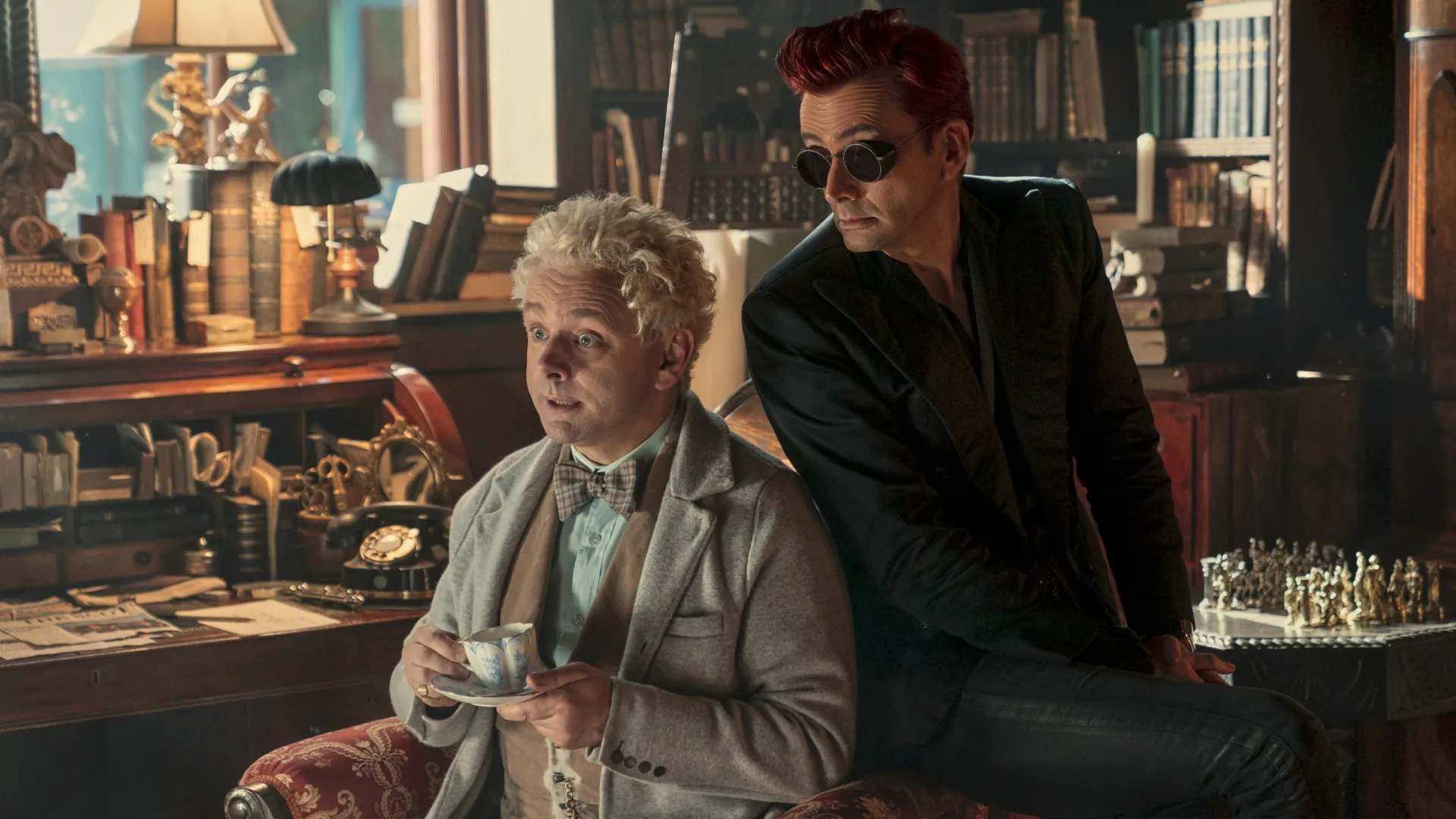
When Good Omens arrived on Amazon Prime Video in 2019, it felt like a rare collision of literary fandom and television magic — an adaptation so anticipated that its six-episode format was embraced as ideal for its sharp, satirical world.
Based on the beloved 1990 novel by Terry Pratchett and Neil Gaiman, the miniseries introduced audiences to the ineffably charming angel Aziraphale and the devilishly witty Crowley, whose centuries-long bromance across earthly history flipped celestial and infernal expectations on their heads.
What began as a self-contained arc soon found new life not because of a contractual loophole but because of Gaiman’s own eagerness to explore stories beyond the book’s pages.
Once the first season aired, the creative team retooled the show into a multiseason anthology that expands its mythology while preserving the original’s irreverent heart. In doing so, Good Omens pulled off a rare feat: it stayed true to its roots as a singular, finite tale even as it grew into a broader narrative garden.
Bad Sisters (2022–Present)
(Source: IMDb)
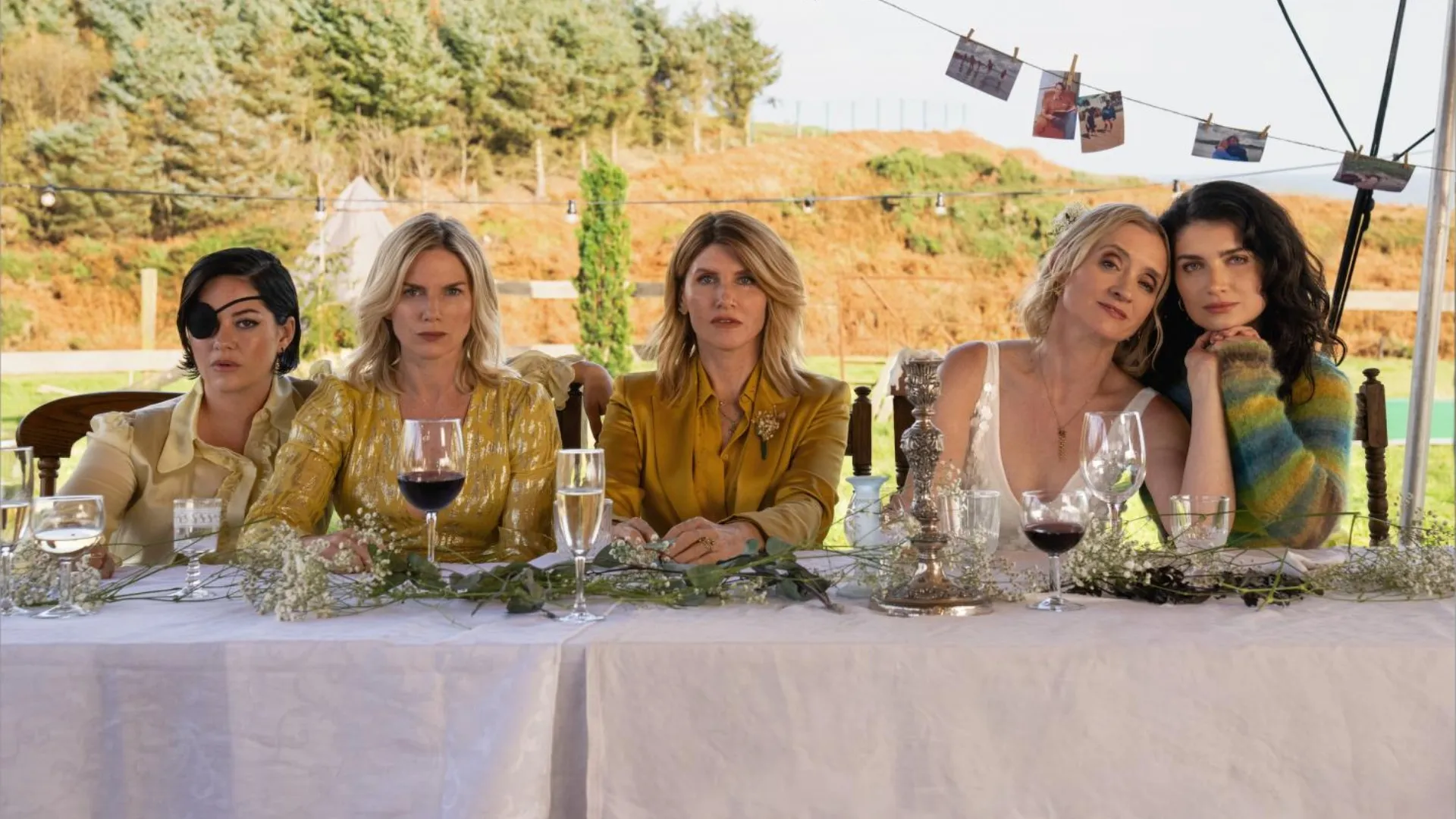
At first glance, Bad Sisters might seem like the sort of sharply drawn, self-contained dark comedy that fires once and fades — a Dublin-set caper spun from a single premise: five sisters covering up the tragic death of one of their husbands.
But when Apple TV+ greenlit a second season, creators turned what could have been a tidy 10-episode story into a deeper look at grief, loyalty, and the messy aftermath of liberation.
Adapted from the Belgian series Clan, the show’s first chapter holds all the hallmarks of a limited saga, tightly coiled and rich with character beats. Yet as co-creator and star Sharon Horgan later acknowledged, once the world had been sketched with care, it felt artificial to tuck it away in a neat box.
Rather than letting the Garvey sisters’ lives end where the plot technically concluded, the creative team opted to let the narrative breathe, expanding into new emotional terrain while the comedic tension and mystery continued to simmer.
13 Reasons Why (2017–2020)
(Source: IMDb)
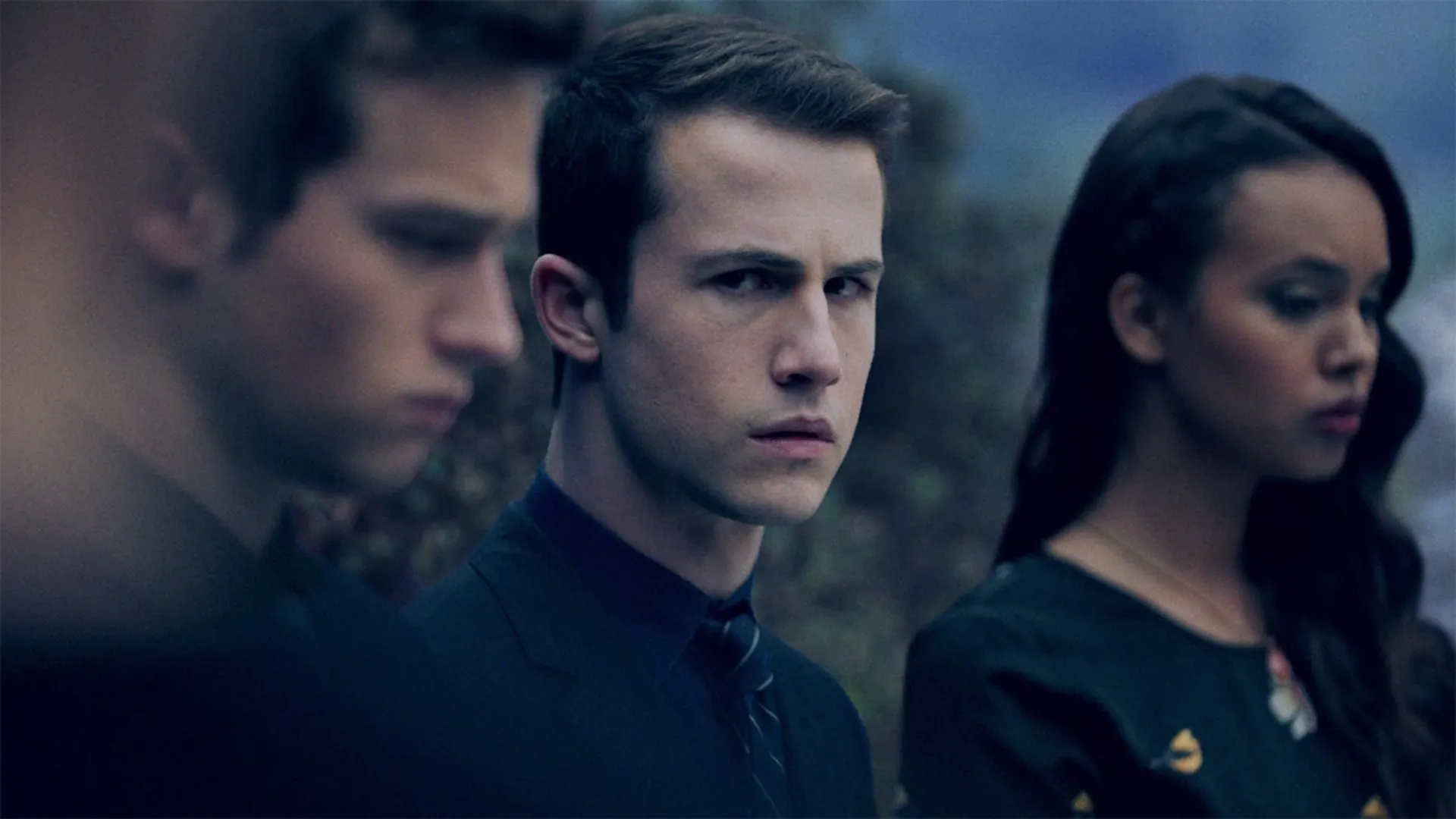
Netflix’s 13 Reasons Why burst onto screens as a singular adaptation of Jay Asher’s hit novel, its first season tightly bound to the book’s exploration of teenage trauma, and aftermath. That initial installment was conceived to be a closed, impactful journey — a limited exploration of Hannah Baker’s tapes and their echo through a high school community.
But commercial momentum and controversial buzz drew Netflix back after season one, leading executives to renew the series, extending the story beyond its original boundaries.
Over four seasons, Liberty High’s halls became less a confined stage for a single tragedy and more the backdrop for evolving arcs about accountability, legal battle lines, and the emotional toll of grief and guilt. What began as one girl’s narrative thread unfurled into a multi-layered look at the ripple effects of choices, both kind and cruel.
True Detective (2014–Present)
(Source: IMDb)
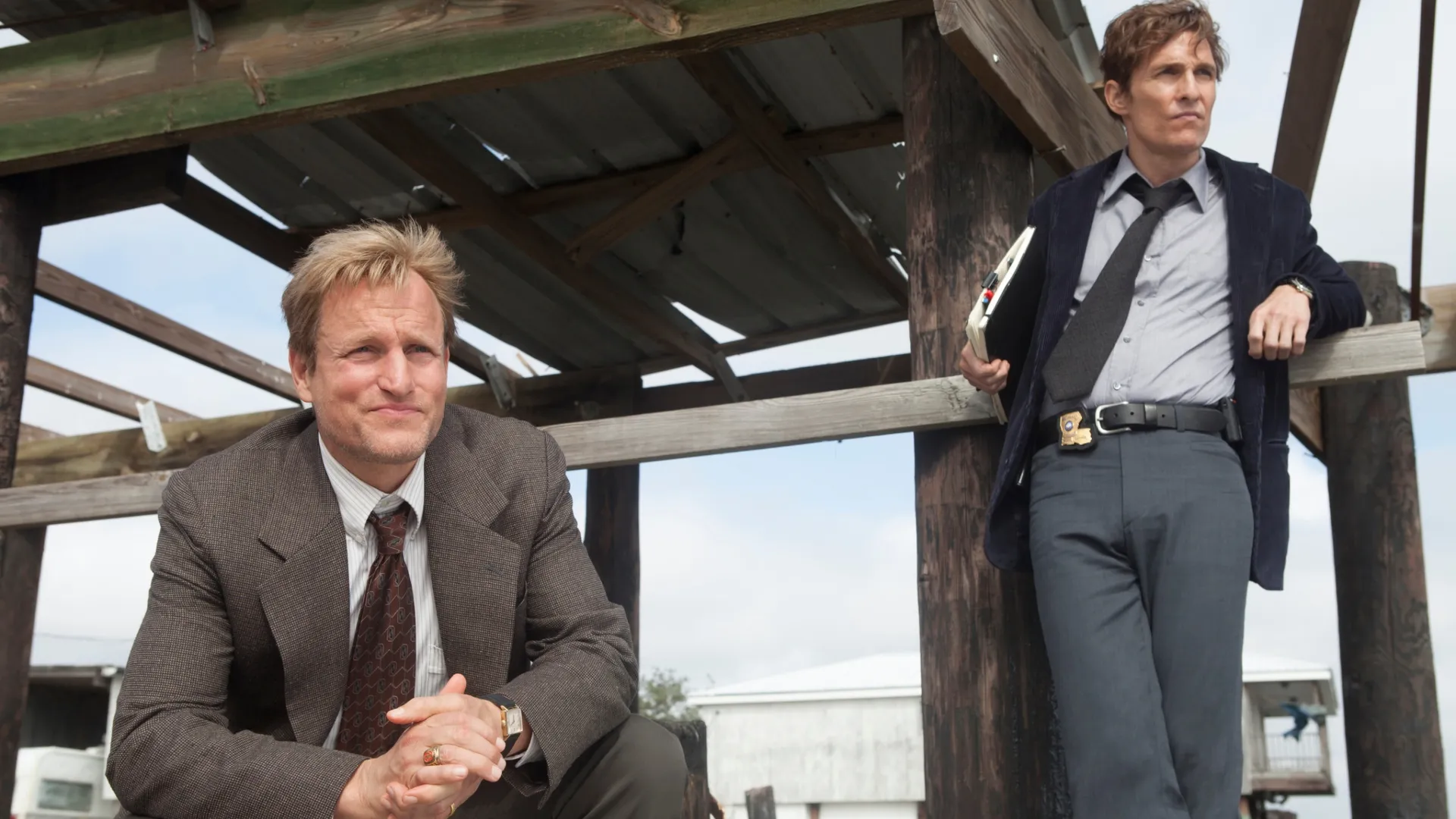
When True Detective first prowled into HBO’s lineup in 2014, it was pitched like a singular, self-contained crime epic: an eight-episode dive into the bayous of Louisiana, philosophy-laced interrogations, and the uncanny chemistry between Rust Cohle and Marty Hart.
Its noir drama was finite, complete in its thematic and narrative sweep. Yet what could have remained a one-off cinematic investigation instead became a flexible anthology format: each subsequent season rebooted location, cast, and case, tied more by atmosphere than by plot.
This structural evolution wasn’t just a network gambit — it reflected a loose production model that treated each season as its own contained mystery, renewed only when a creative vision justified a return.
As a result, True Detective has become less a single novel on screen and more an ongoing anthology franchise — one that can reinvent itself while preserving the original’s aura of brooding tension and philosophical detours.
The Terror (2018–Present)
(Source: IMDb)
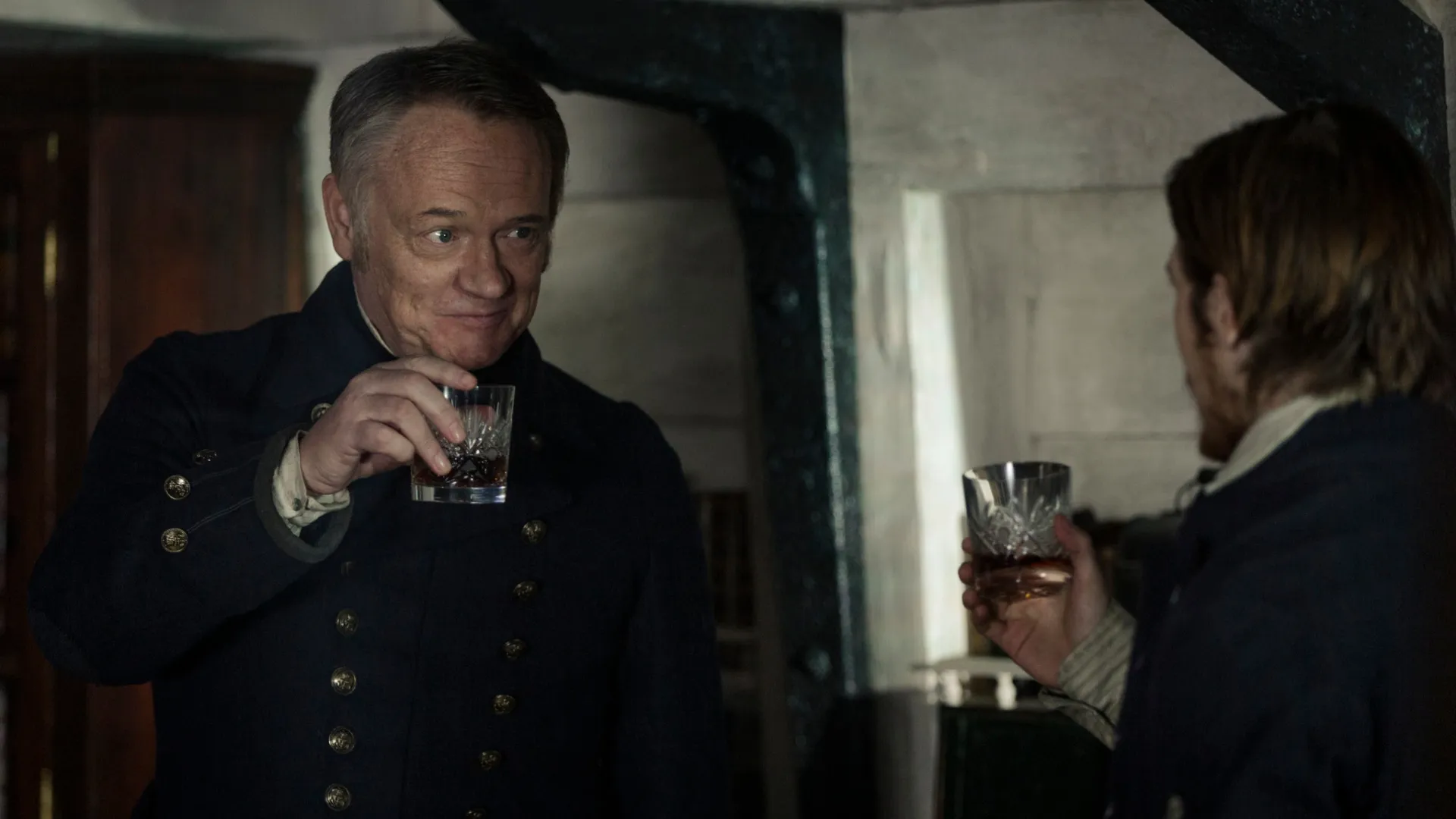
AMC’s The Terror arrived with a striking proposition: transplant historical dread into the language of horror, anchoring supernatural dread in real epochs and seemingly resolved tales. The first season, rooted in Dan Simmons’ novel about Franklin’s doomed Arctic expedition, felt like a complete arc — a lonely odyssey of ice, madness, and mythic peril.
The series embraced the anthology model, with each chapter becoming a distinct fusion of historic calamity and speculative terror. From World War II Japanese-American internment to upcoming chapters drawn from other literary sources, The Terror continues to grow such that each season feels like a fresh descent into a different historical abyss — a transformation from a one-off fear-scape into a thematic catalogue of humanity’s most chilling encounters.
Supernatural (2005–2020)
(Source: IMDb)
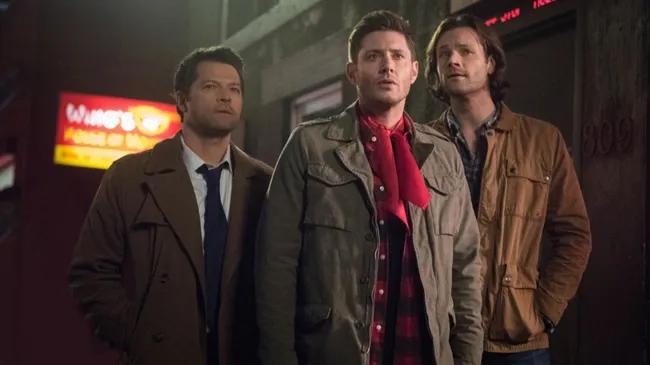
When Supernatural first launched in 2005, its creators likely pictured a modest run — enough to establish the central duo of Sam and Dean Winchester, enough to earn a cult following, and enough to close the myth arc once and for all.
Showrunner Eric Kripke once hinted at a finite storyline spanning roughly five seasons, a length believed at the time to be quite sustainable for a genre series with serialized mythology.
Year after year, the monster-hunting saga evolved, expanding lore and character arcs far beyond what anyone could have reasonably mapped out at the outset. The Winchester brothers’ journey became a tapestry of celestial politics, family loyalty, and emotion-laden horror tropes, stretching the show into an unexpected fifteen-season run.
In the end, Supernatural itself became a testament to how audience engagement, genre elasticity, and sheer narrative momentum can turn even the most humble TV concept into one of television’s most enduring mythologies.
The White Lotus (2021–Present)

(Source: IMDb)
What began as a precisely shaped television object—a six-episode miniseries dissecting wealth, privilege, and moral decay at a Hawaiian resort—quickly became one of the most talked-about series of its era. The White Lotus was originally conceived by creator Mike White as a closed narrative, a sharp social satire meant to bloom and wither in a single season.
Its reception made continuation inevitable. HBO transformed the project into an anthology series, preserving its thematic core while reinventing its setting and characters each season. From Sicily to future destinations yet to be revealed, The White Lotus evolved from a limited experiment into a franchise, proving that a strong conceptual spine can support endless reinvention without losing its bite.
Fargo (2014–Present)
(Source: IMDb)
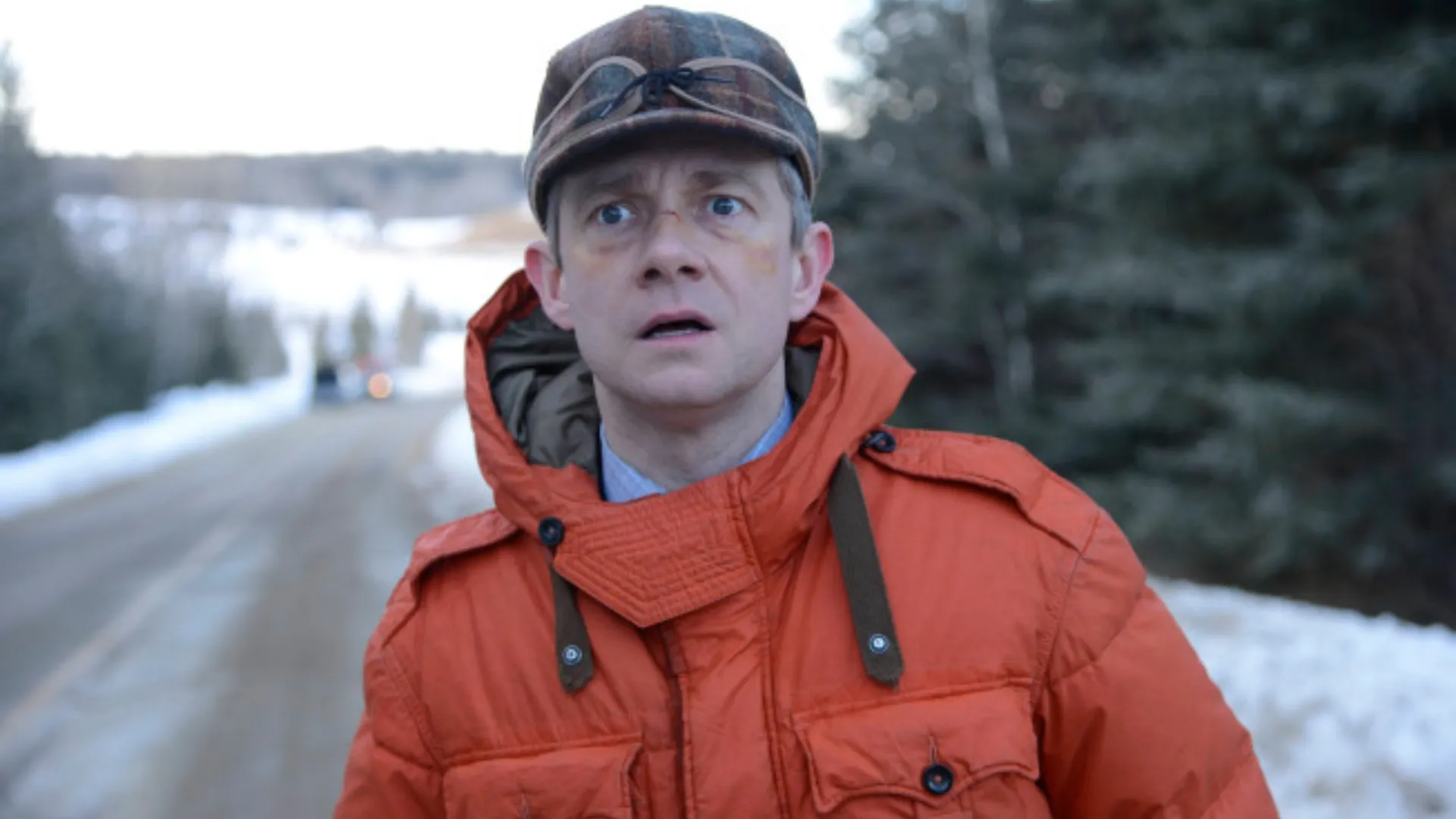
Few series embody reinvention quite like Fargo. When FX first commissioned the television adaptation of the Coen brothers’ iconic film, it was envisioned as a one-off event: a single, expanded crime story echoing the tone and spirit of the original movie.
The first season’s blend of bleak humor, sudden violence, and quiet Midwestern melancholy struck a chord that went far beyond expectations. Rather than stretching the same story, Fargo reinvented itself as an anthology, with each season offering a new cast, era, and crime saga. Years later, it continues to return with fresh perspectives, maintaining its identity while refusing repetition.
The Watcher (2022–Present)
(Source: IMDb)
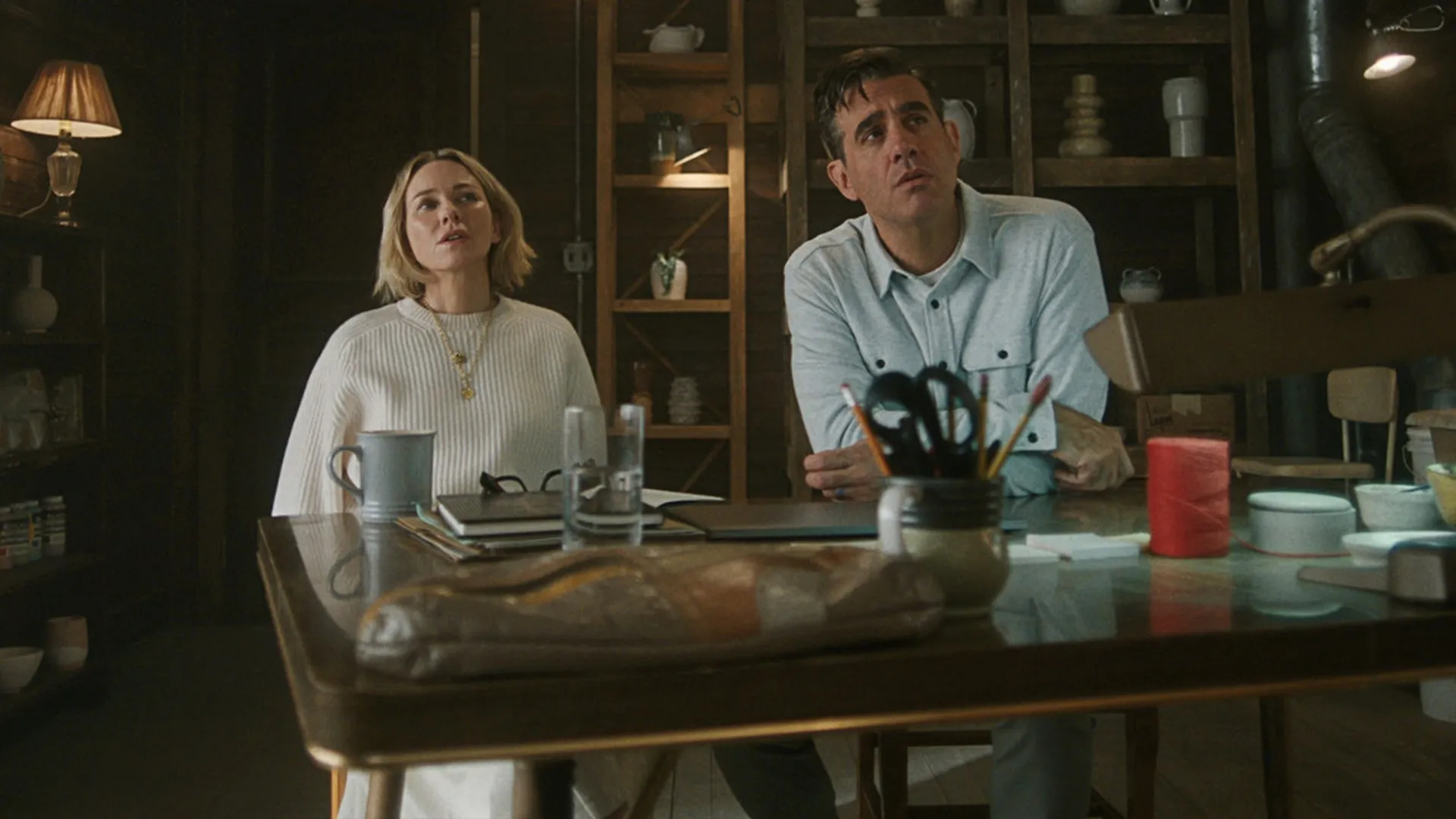
On paper, The Watcher looked destined to be a contained mystery. Inspired by a real-life case and adapted by Ryan Murphy for Netflix, the series centered on a family terrorized by anonymous letters after moving into their dream home. The premise promised a finite descent into paranoia.
The story’s unsettling ambiguity—and the strong reaction it provoked among viewers—led Netflix to renew the series beyond its initial scope. What was intended as a closed retelling became an open-ended thriller, shaped less by resolution and more by sustained fascination, illustrating how unresolved real-life mysteries can invite narrative expansion rather than closure.
Top of the Lake (2013–2017)
(Source: IMDb)
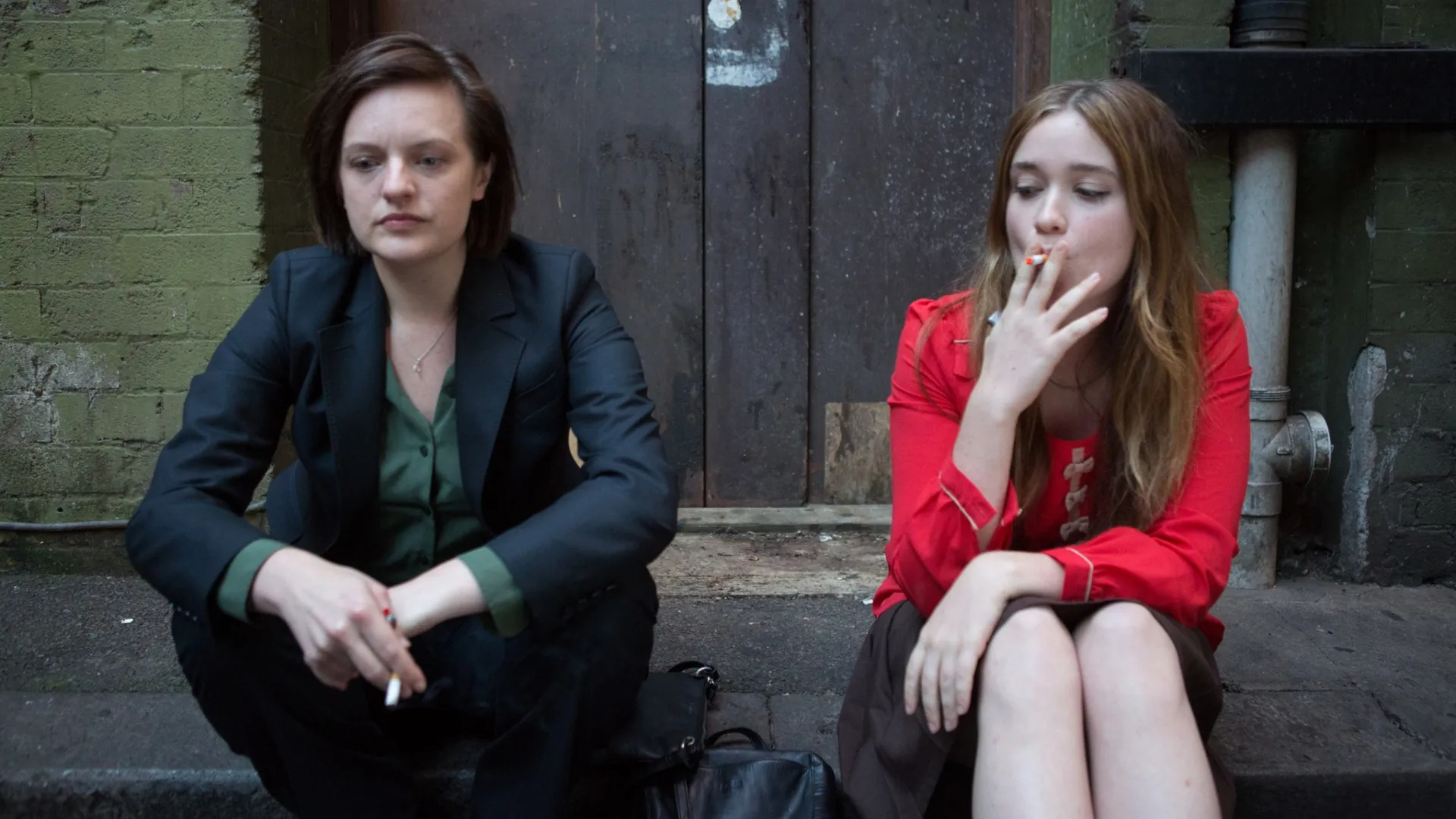
Top of the Lake arrived with the visual and emotional weight of a cinematic miniseries. Set against stark landscapes and anchored by Elisabeth Moss’ restrained performance, the first installment unfolded as a haunting, self-contained investigation under the guidance of filmmaker Jane Campion.
Despite its apparent finality, the story of detective Robin Griffin refused to settle. A second chapter, Top of the Lake: China Girl, relocated the action and introduced new social tensions, expanding the series’ thematic reach. What began as a limited exploration evolved into a two-part study of trauma, power, and identity across different worlds.
Your Honor (2020–Present)
(Source: IMDb)
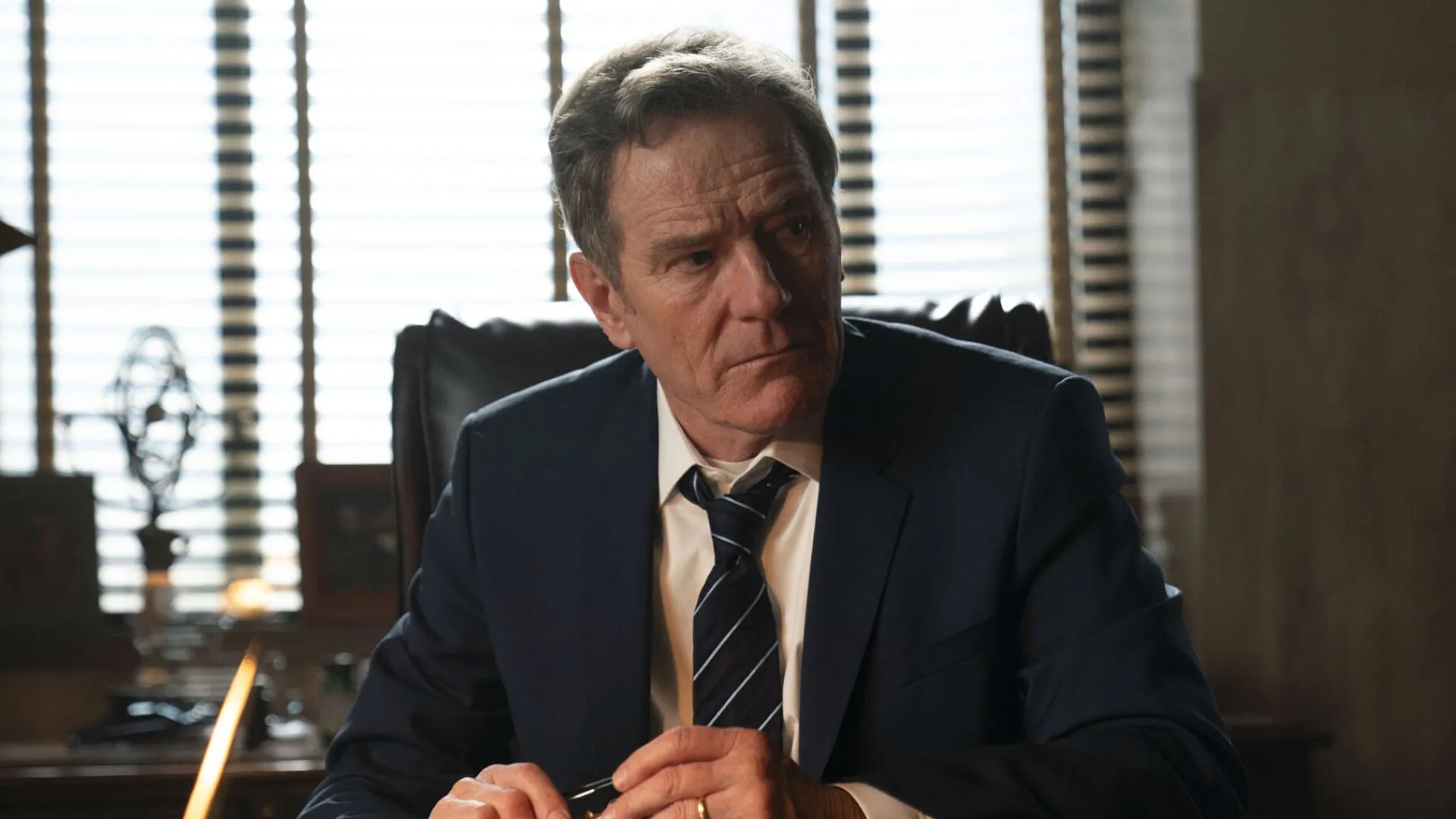
When Your Honor debuted on Showtime, it carried the weight and structure of a classic miniseries. Adapted from an Israeli drama, it followed a respected judge whose moral certainty collapses when his son becomes entangled in a deadly crime. The narrative was designed to move inexorably toward a definitive end.
Bryan Cranston’s performance and the story’s ethical intensity changed those plans. Renewed for a second season, the series extended its examination of guilt and consequence, transforming a closed moral tragedy into a broader portrait of corruption and survival within a fractured justice system.
The Flight Attendant (2020–Present)

(Source: IMDb)
The Flight Attendant initially felt like a perfectly calibrated limited series: a high-concept thriller adapted from a novel, driven by Kaley Cuoco’s chaotic yet compelling lead performance. Its first season resolved its central mystery with a sense of completion.
Audience enthusiasm pushed the story further. A second season moved beyond the source material, steering the series into the territory of international espionage and psychological aftermath. Though it ultimately ended after two seasons, its trajectory reflects how limited concepts can briefly expand when character appeal outweighs narrative finality.