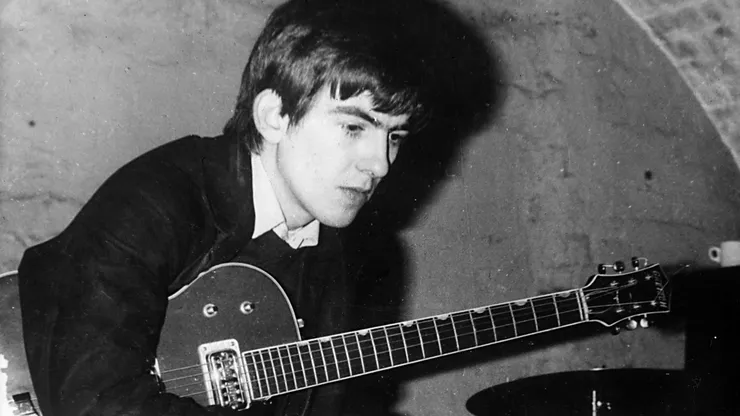
We’re looking past the “Quiet Beatle” myth to the complex, gardener-philosopher who turned a gothic mansion into a spiritual sanctuary and redefined what it means to be a modern icon.
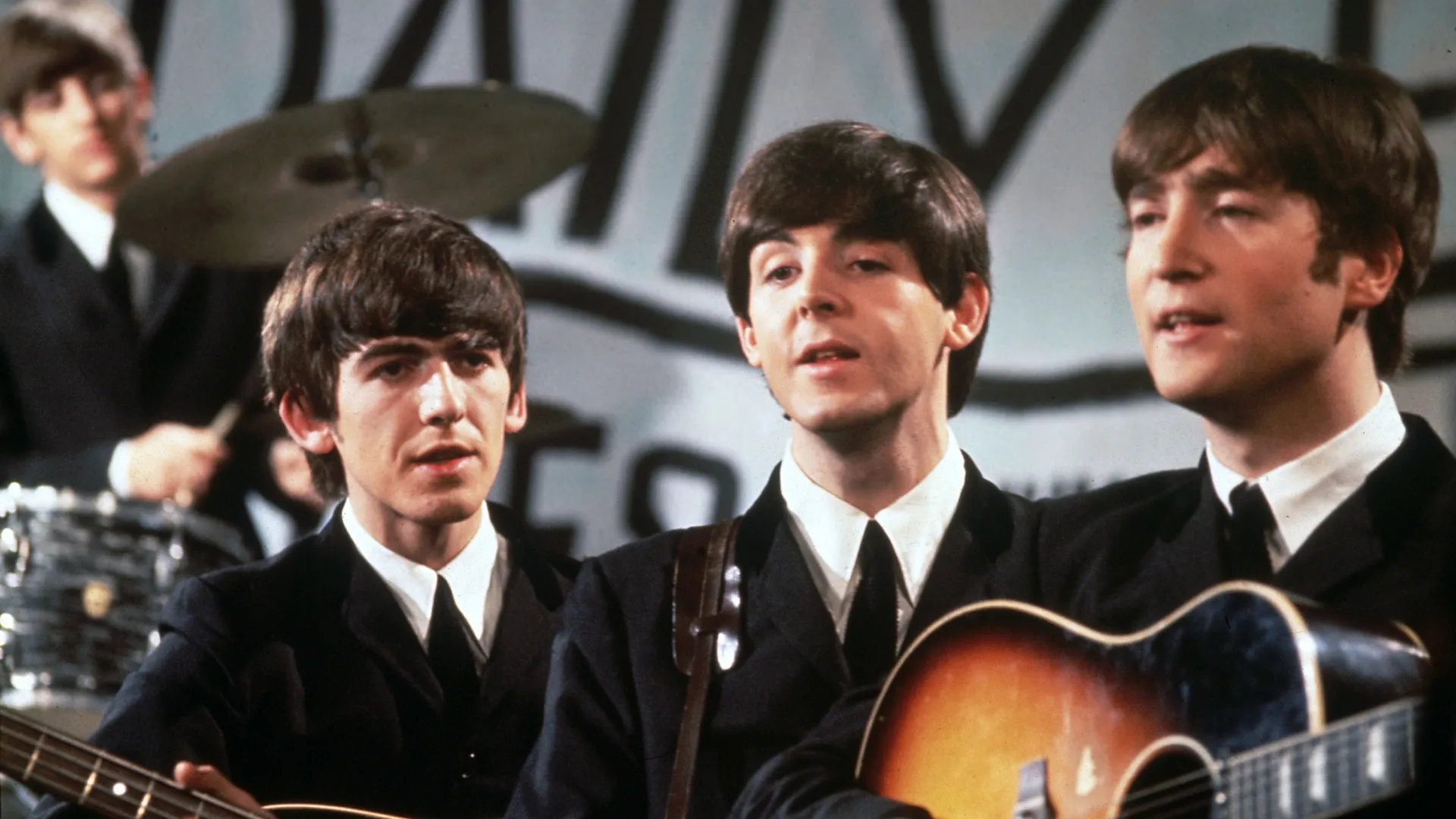
The Beatles perform in November 1963
The Soul of the Fab Four
Born on February 25, 1943, in a small terraced house in Liverpool, George Harrison was the youngest of four children. While he would eventually become one of the most famous humans on the planet, George’s heart was always rooted in the soil and the stars. On this milestone birthday in 2026, fans from his childhood home in Speke to the spiritual hubs of Rishikesh are pausing to remember a man whose life was a masterclass in evolution. George didn’t just survive the 1960s; he used the decade as a springboard to a higher consciousness, proving that fame was merely a vehicle for his ultimate goal: a life of peace and inner truth.
The Liverpool Lad: Before the Storm
George’s life before the Beatles was defined by a quiet but fierce independence. The son of Harold and Louise Harrison, he was a “rebel without a cause” type who preferred his guitar to his schoolbooks at the Liverpool Institute. It was on a late-night bus ride that a teenage George first met Paul McCartney, impressing the older boy with his note-perfect rendition of “Raunchy.” Despite being “the baby” of the group, George’s technical proficiency and obsession with rock-and-roll records made him the essential backbone of the band that would become The Beatles.
The eye of the Hurricane: The Beatles Years
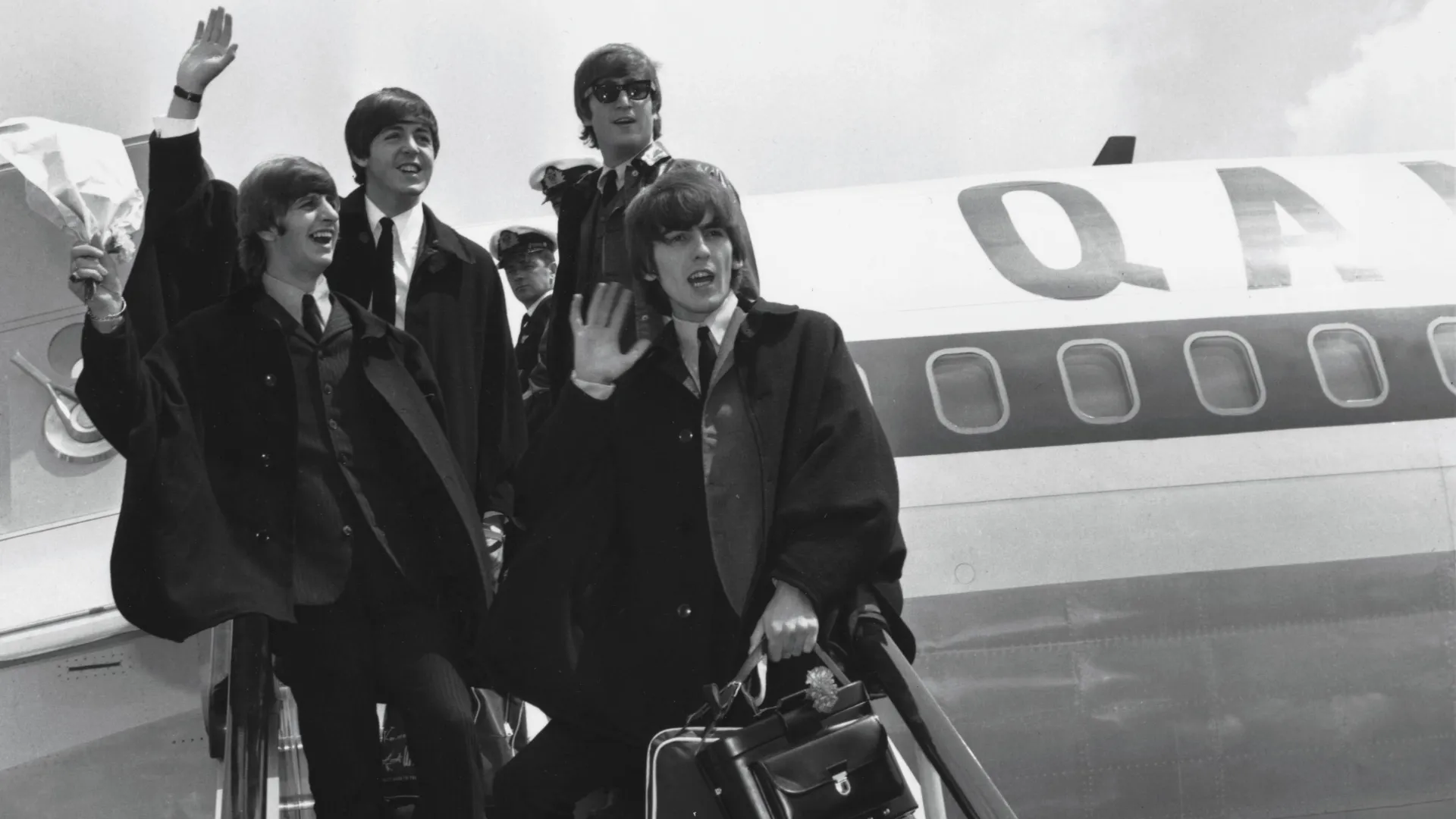
During the height of Beatlemania, George often felt like a “prisoner” of the band’s unprecedented fame. However, this period also sparked his most significant transformation. In 1965, on the set of Help!, George picked up a sitar, an act that changed his life—and Western music—forever.
His friendship with Ravi Shankar provided him with a spiritual anchor, leading the band to India in 1968. While John and Paul were the primary songwriters, George began contributing masterpieces like “Taxman” and “Something,” establishing himself as a creative force who could no longer be contained within a group dynamic.
The Spiritual Sovereign: After the Breakup
When The Beatles split in 1970, George didn’t just go solo; he exploded. His triple album, All Things Must Pass, was a spiritual clearing of the throat, proving he had a backlog of genius waiting for the world to hear. This era also saw him pioneer the modern charity concert with the Concert for Bangladesh in 1971, setting the blueprint for global humanitarian efforts in music. He retreated to his 120-room gothic mansion, Friar Park, where he spent decades as a self-described “master gardener,” famously saying he felt closer to God when he was planting trees than when he was on a stage.
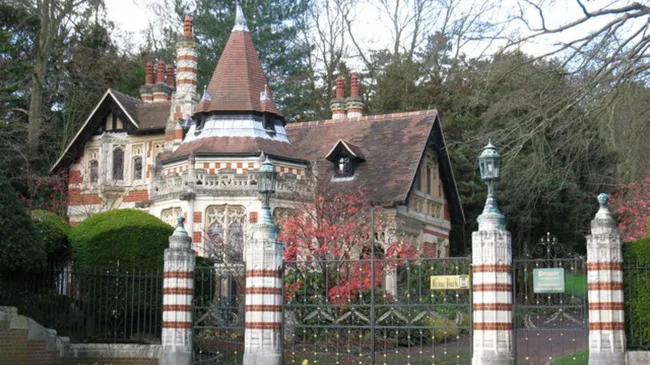
George Harrison’s mansion, Friar Park. Source: Wikipedia
Personal Ties: Pattie, Olivia, and the Traveling Wilburys
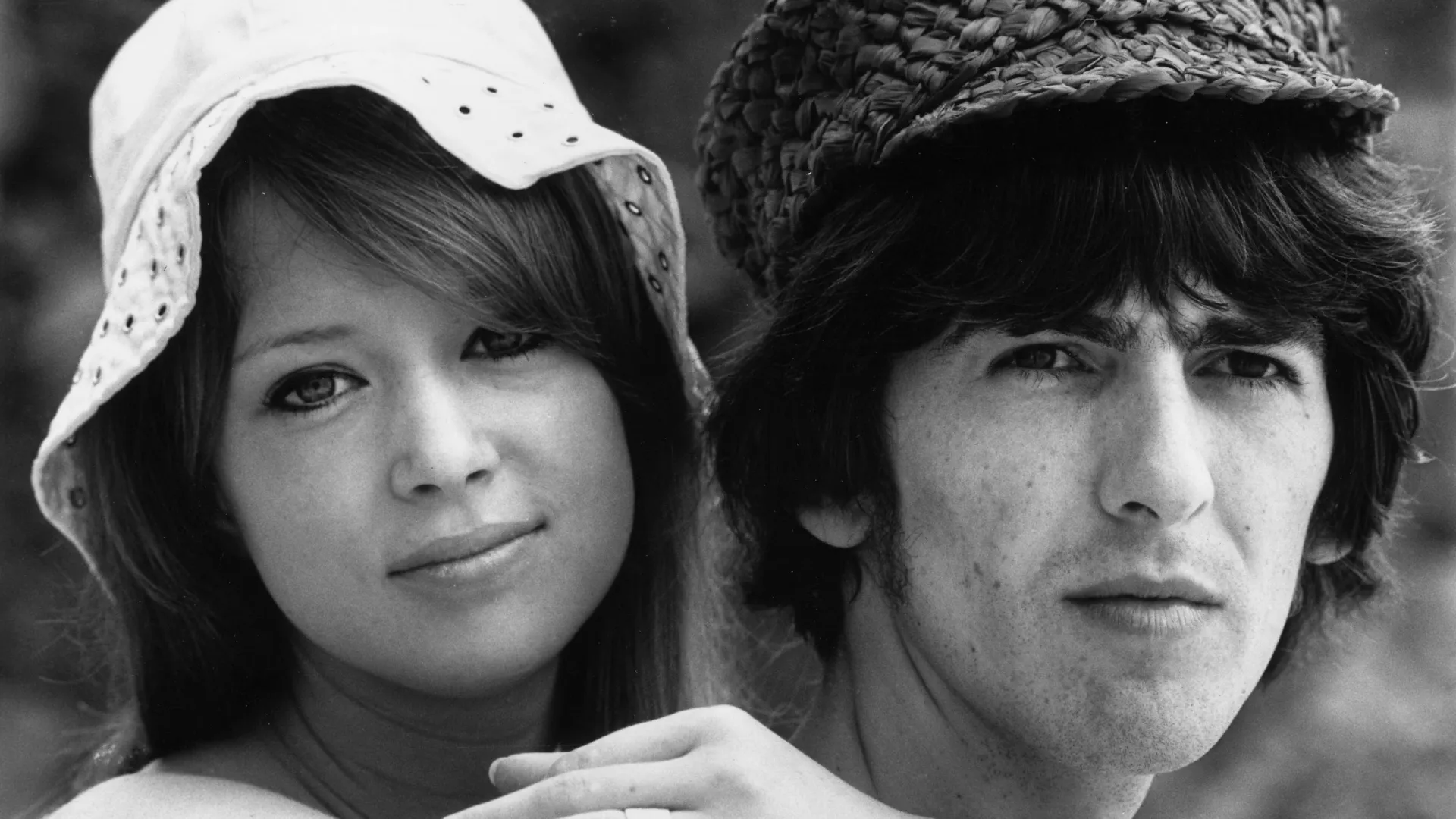
Beatles guitarist George Harrison honeymoons with his wife Patti Boyd February 14, 1966 in Barbados.
George’s personal life was as rich and varied as his music. His first marriage to model Pattie Boyd (the inspiration for “Something”) ended in 1977, but their bond famously remained friendly—George even attended the wedding of Pattie and his close friend Eric Clapton.
In 1978, he married Olivia Arias, who became his rock and protector until his passing in 2001. Together, they raised their son, Dhani Harrison, who continues to curate his father’s legacy in 2026. The 1980s also brought the Traveling Wilburys, a “supergroup” with Bob Dylan, Tom Petty, Roy Orbison, and Jeff Lynne, which George described as the most fun he ever had in a band.
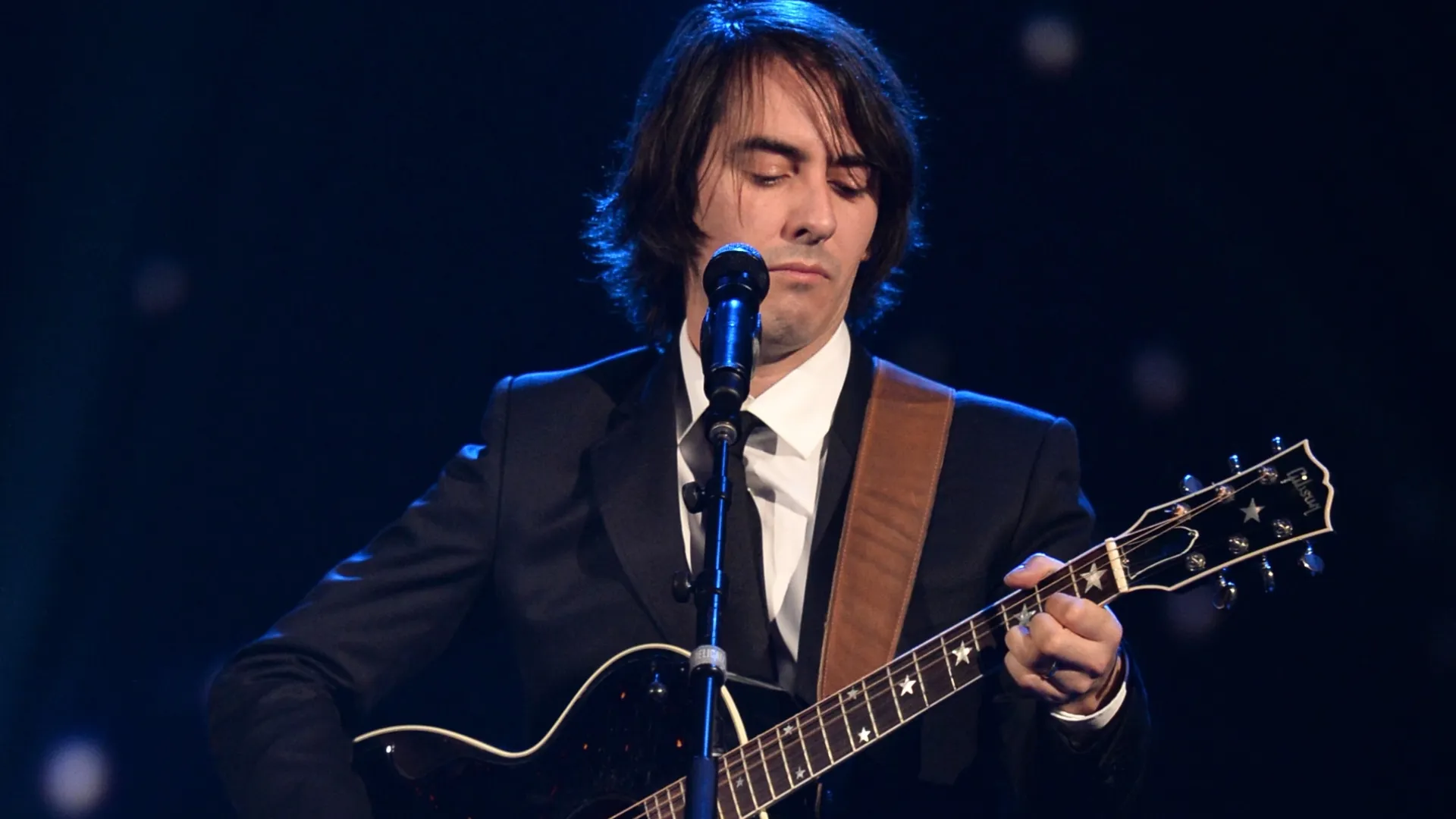
Recording artist Dhani Harrison performs onstage during “The Night That Changed America: A GRAMMY Salute To The Beatles” at the Los Angeles Convention Center on January 27, 2014 in Los Angeles, California. (Photo by Kevin Winter/Getty Images)
The Legacy in 2026
As we look at the world on February 25, 2026, George’s presence is everywhere. From the lush gardens of Friar Park (now a beautifully preserved historical site) to the “Material World Foundation” which continues his philanthropic work, George’s “vibration” is intact.