A day like today in 2011, Woody Allen debuted a charming, time-traveling romantic comedy that would quickly become the most commercially successful film of his entire career.
Midnight in Paris officially premiered at the Cannes Film Festival before enchanting audiences across the United States, offering a whimsical escape into the vibrant literary circles of the 1920s.
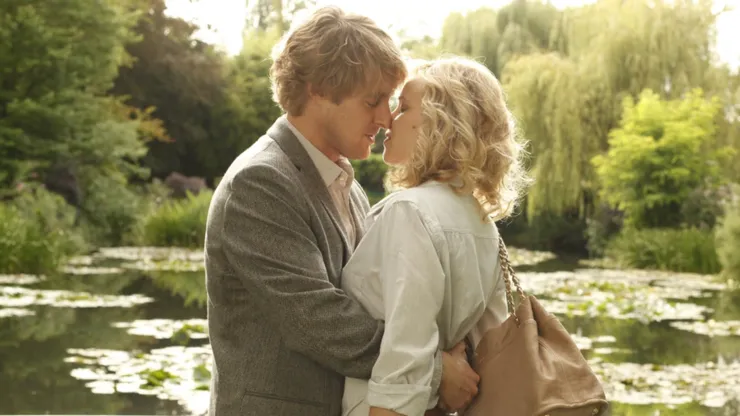
Starring Owen Wilson as a nostalgic Hollywood screenwriter desperately seeking inspiration, the narrative beautifully explored the universal human trap of romanticizing the past.
Celebrating its fifteenth anniversary, the beloved picture remains a masterful exploration of artistic ambition and Parisian magic. Here is a definitive look back at the elements that made this feature an absolute triumph.
A Record-Breaking Box Office Triumph
Despite arriving with a modest $17 million production budget, the whimsical fantasy absolutely dominated the global theatrical market in ways no one anticipated. Earning an astonishing $151.7 million worldwide, the feature proudly stands as the highest-grossing film ever directed by Woody Allen, completely shattering his previous commercial records.
Audiences flocked to independent and mainstream theaters alike, captivated by the breathtaking cinematography and infectious, escapist atmosphere. This unprecedented financial success proved that an intellectual, dialogue-heavy romantic comedy could still compete with massive summer blockbusters.
Taking Home Oscar Gold
Beyond its massive commercial appeal, the cinematic love letter earned widespread critical acclaim and dominated the 2012 awards season. The masterful, highly original screenplay navigated complex themes of nostalgia and creative dissatisfaction, ultimately securing the Academy Award for Best Original Screenplay.
Alongside its prestigious Oscar victory, the film also captured the Golden Globe in the same category, cementing its status as a triumph of modern storytelling. It remains a heavily studied, brilliant example of how to perfectly balance high-concept fantasy mechanics with deeply grounded, relatable relationship drama.
Owen Wilson’s Charming Departure
Stepping away from his traditional frat-pack comedies, Owen Wilson delivered one of the most remarkably understated and vulnerable performances of his entire career. Portraying the deeply nostalgic screenwriter Gil Pender, he successfully channeled the director’s signature neurotic energy while maintaining his own undeniable, boyish charisma. Instead of relying on loud slapstick humor, his comedic timing here is quiet, observant, and frequently heartbreaking as he realizes the profound emptiness of his impending marriage. This phenomenal acting pivot beautifully anchored the surreal narrative, providing the audience with a perfectly relatable guide through time.
Resurrecting Literary Titans
One of the most thrilling aspects of the picture is its brilliant, wildly entertaining depiction of the legendary “Lost Generation” expatriates residing in 1920s France. Corey Stoll stole practically every scene with his hyper-masculine, aggressively passionate portrayal of Ernest Hemingway, while Adrien Brody delivered an unforgettable, hilariously eccentric cameo as Salvador Dalí.
Watching these towering historical figures casually interact with a bewildered modern writer provided a spectacular, deeply intellectual layer of comedy. The casting directors masterfully matched modern talent with historical icons, breathing vibrant, hilarious life into the pages of classic literature.
A Stellar Supporting Cast
Surrounding the protagonist was an absolutely staggering ensemble of international talent that elevated every single frame of the production. Rachel McAdams expertly played against type as the remarkably unsympathetic, materialistic fiancée, perfectly highlighting the fundamental incompatibility driving the narrative conflict.
Meanwhile, Marion Cotillard absolutely radiated melancholic beauty as the fictional muse Adriana, creating a captivating romantic foil who is tragically trapped in her own cycle of nostalgia. Adding incredible depth to the roster, Michael Sheen delivered a hilariously insufferable performance as a pseudo-intellectual named Paul, serving as the ultimate antagonist to the hero’s whimsical journey.
A Grammy-Winning Soundtrack
To perfectly capture the intoxicating, romanticized atmosphere of the French capital, the filmmakers curated a truly spectacular compilation of jazz and classical standards. The infectious, rhythmic sounds of the acoustic guitar heavily anchored the production, seamlessly transporting viewers back to the buzzing, smoke-filled salons of the roaring twenties. The immaculate musical supervision did not go unnoticed by the recording industry, ultimately taking home the Grammy Award for Best Compilation Soundtrack for Visual Media. Fifteen years later, streaming the album remains the absolute fastest way to instantly recreate the film’s undeniable, deeply nostalgic magic.