At 55, Sean Astin stands as one of Hollywood’s most enduring character actors, a performer whose career has stretched from childhood stardom to fantasy epics and prestige television. Though generations first met him as the loyal Samwise Gamgee in The Lord of the Rings: The Fellowship of the Ring and its sequels, his filmography tells a far broader story.
Long before Middle-earth, roles in beloved ensemble films had already cemented his screen persona as their emotional anchor. Over four decades, he has navigated cult classics, studio franchises and voice work with the same grounded warmth, shaping a legacy that extends well beyond a single genre.
The Lord of the Rings: The Return of the King (2003)

(Source: IMDb)
The epic conclusion of Peter Jackson’s trilogy did more than close a cinematic milestone — it elevated Sean Astin into the emotional core of one of the most celebrated franchises in film history.
As Samwise Gamgee, Astin delivered a performance rooted in loyalty, exhaustion, and quiet bravery, anchoring the sweeping spectacle with deeply human stakes. The film went on to win 11 Academy Awards, including Best Picture, cementing its place in cinema history.
For Astin, the role became career-defining. His portrayal of Sam reshaped how audiences and critics viewed him, transforming him from a recognizable character actor into the spiritual backbone of a global phenomenon. Sam’s resilience and moral clarity became synonymous with the saga itself, and Astin’s performance remains one of the trilogy’s most enduring elements.
The Lord of the Rings: The Fellowship of the Ring (2001)

(Source: IMDb)
The first chapter of the trilogy introduced audiences to Astin’s Samwise Gamgee — not as a hero in shining armor, but as something far more relatable. In a story filled with wizards, warriors and mythical creatures, Sam’s steadfast devotion grounded the narrative in emotional truth. Astin’s understated performance provided balance to the epic scale of the production.
This installment marked a turning point in his career. It reintroduced him to global audiences and placed him at the center of a franchise that would define early-2000s cinema. The role opened new professional doors and solidified his status as an actor capable of carrying emotional weight within blockbuster storytelling.
The Goonies (1985)

(Source: IMDb)
In The Goonies, Astin made his feature film debut as Mikey Walsh, the optimistic ringleader of a band of kids chasing pirate treasure. Produced by Steven Spielberg, the film became one of the defining adventure movies of the 1980s, eventually achieving cult-classic status and generational appeal.
For Astin, Mikey wasn’t just a breakout role — it was the foundation of his screen identity. His mix of vulnerability, imagination and determination connected instantly with audiences. Decades later, the film remains a cultural touchstone, and Astin’s performance continues to resonate with fans who first discovered him in that underground tunnel of childhood adventure.
Rudy (1993)
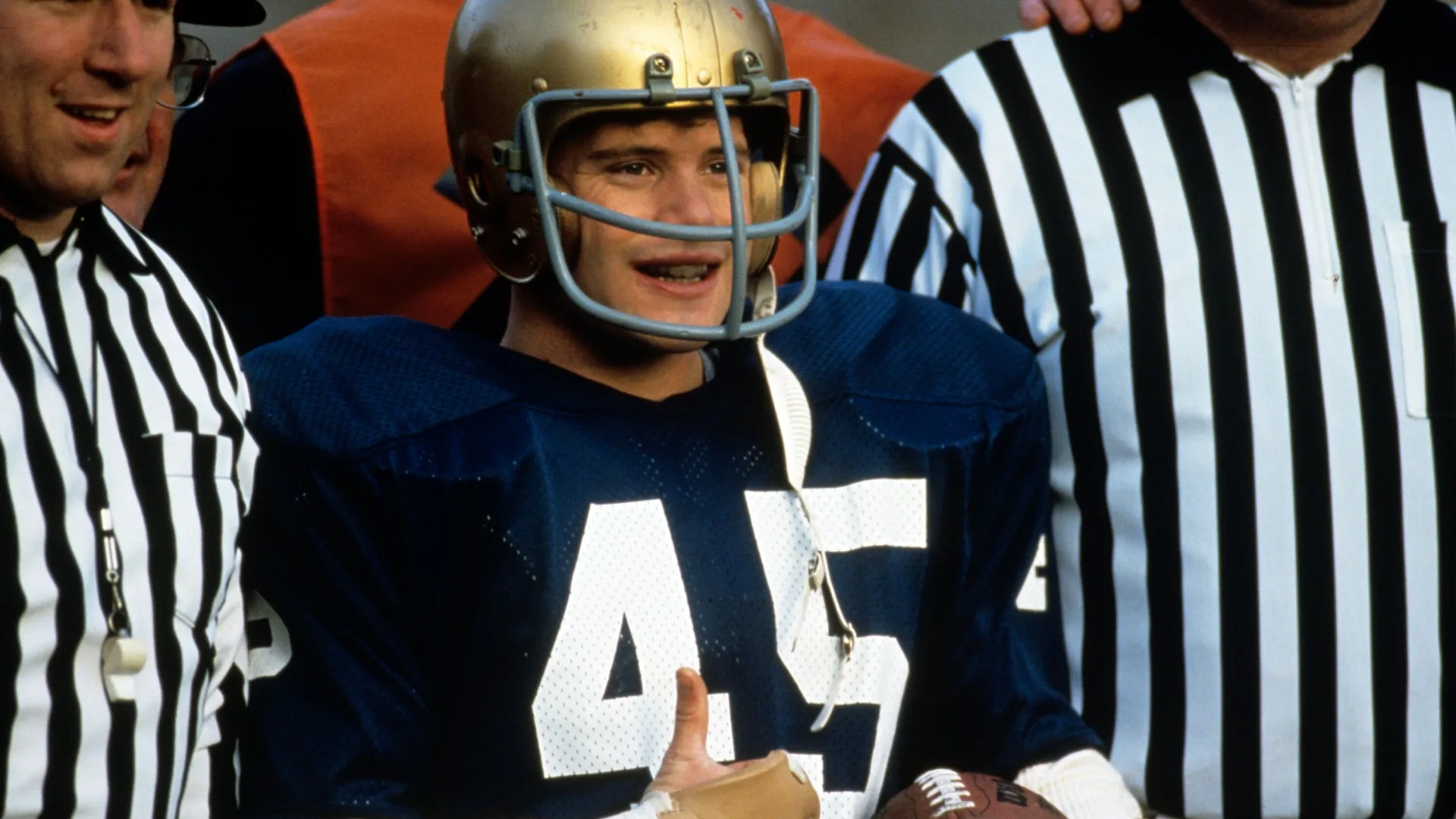
(Source: IMDb)
Before Middle-earth, there was Notre Dame. In Rudy, Astin portrayed Daniel “Rudy” Ruettiger, the undersized dreamer determined to play college football against all odds. The film became one of the most beloved sports dramas of the 1990s, praised for its sincerity and emotional payoff.
Astin’s performance was central to the film’s impact. He carried the story with conviction and restraint, embodying perseverance without slipping into melodrama. Rudy reinforced his reputation as Hollywood’s quintessential underdog — a persona that would echo powerfully in his later roles.
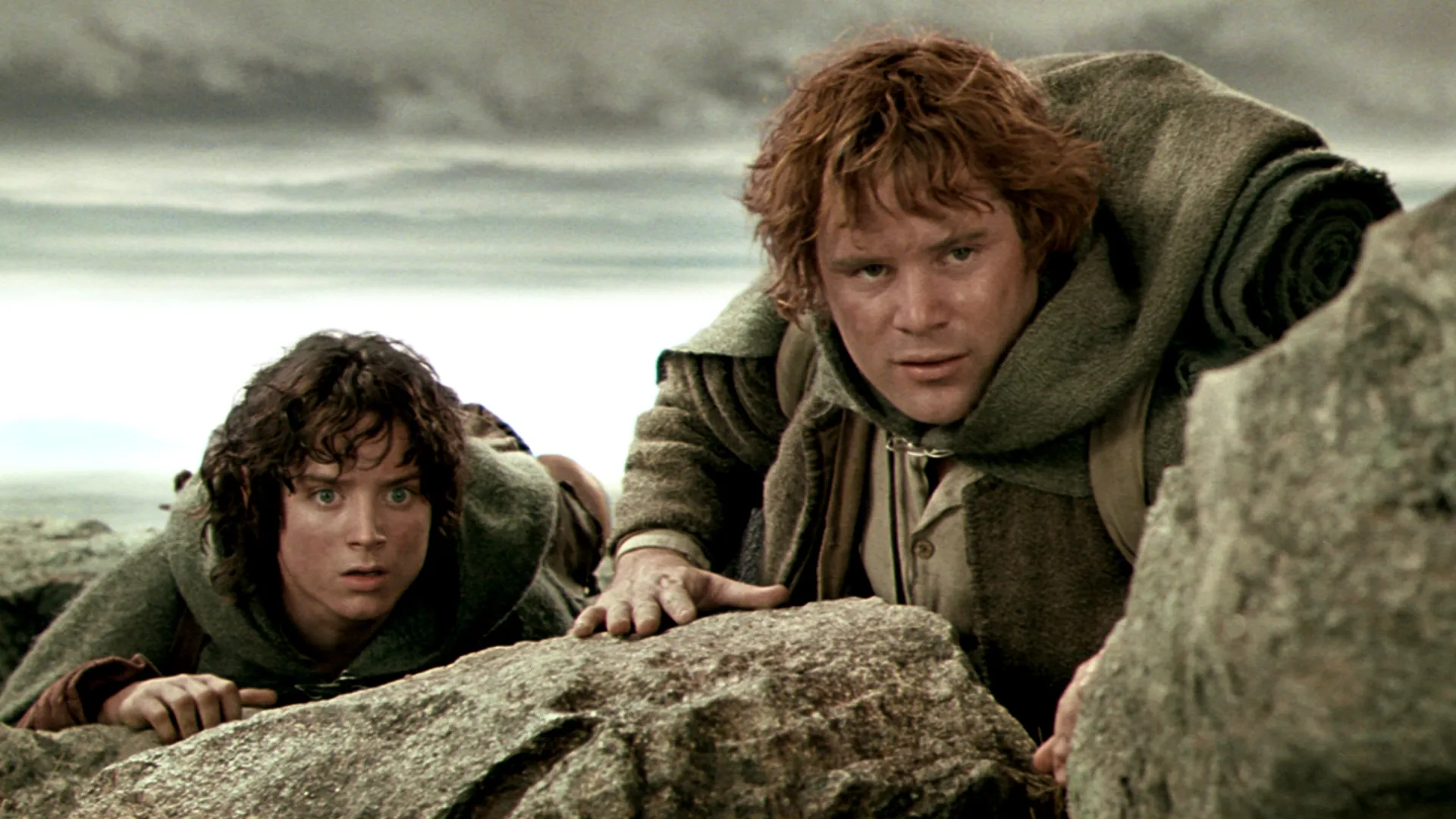
The Lord of the Rings: The Two Towers (2002)
(Source: IMDb)
If Fellowship introduced Sam’s loyalty, The Two Towers tested it. The sequel deepened the emotional stakes between Sam and Frodo, pushing Astin into darker, more psychologically demanding territory. As the journey grew heavier, so did Sam’s role in sustaining hope.
Critics and fans alike began to recognize that Astin wasn’t simply supporting the hero — he was shaping the trilogy’s moral compass. His nuanced performance in this middle chapter elevated Sam from companion to quiet cornerstone, reinforcing his long-term significance within the saga.
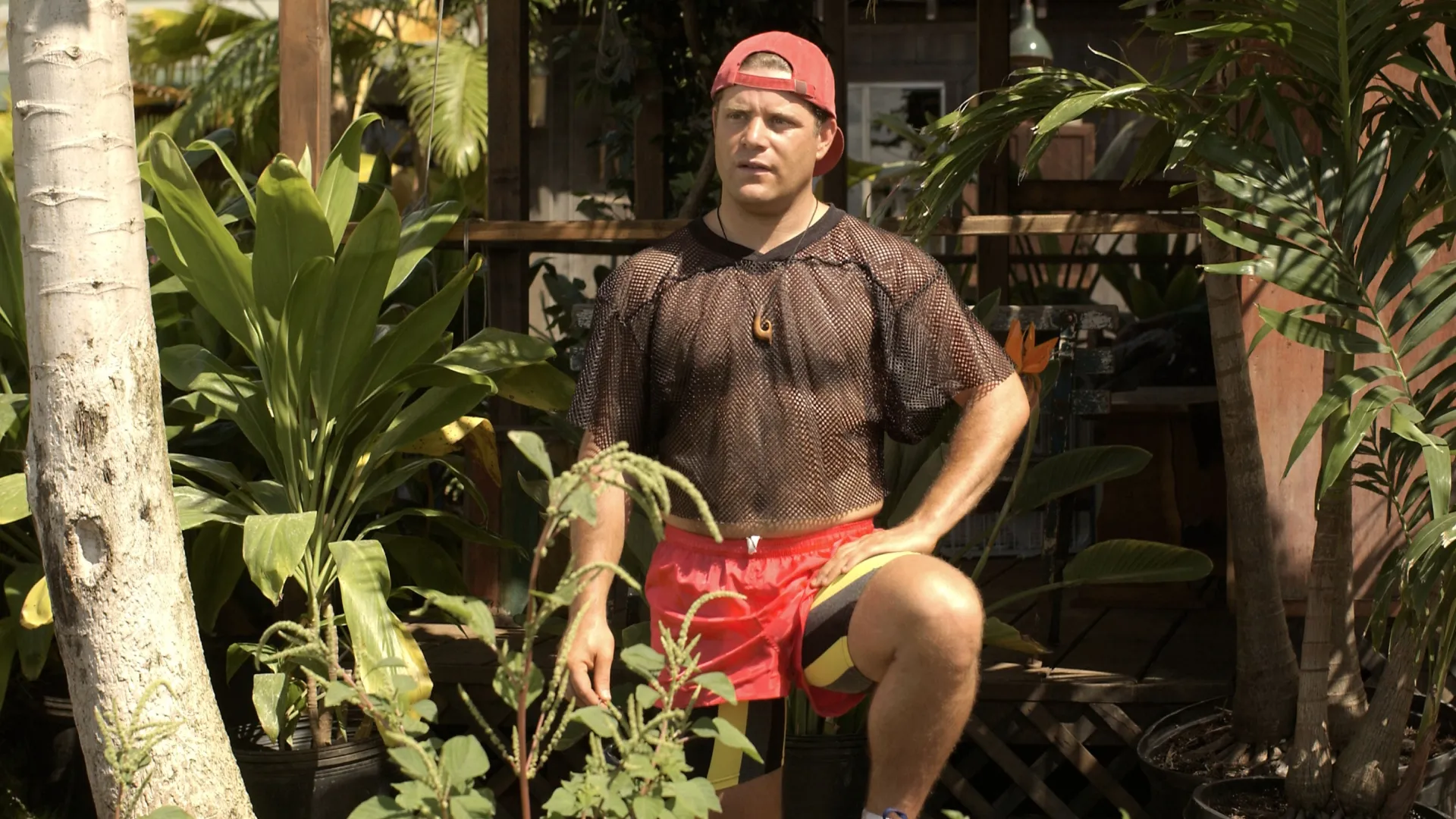
50 First Dates (2004)
(Source: IMDb)
In this romantic comedy alongside Adam Sandler and Drew Barrymore, Astin showcased his comedic timing as Doug, the eccentric and overly enthusiastic brother. The role allowed him to lean into physical humor and absurdity, contrasting sharply with the gravitas of his recent fantasy work.
The performance reminded audiences of his versatility. Rather than being confined to epic drama, Astin proved he could seamlessly step into broad comedy and still command attention. It broadened his appeal and demonstrated his flexibility within mainstream entertainment.
Encino Man (1992)

(Source: IMDb)
Encino Man embraced early ’90s absurdity, casting Astin as Dave Morgan, a high schooler navigating popularity and prehistoric chaos after discovering a frozen caveman. Though critically divisive at release, the film later found cult status among fans of the era’s teen comedies.
For Astin, the project represented a willingness to experiment with tone. It expanded his résumé beyond earnest dramas and adventurous quests, allowing him to inhabit a lighter, more playful cinematic space during a formative stage of his career.
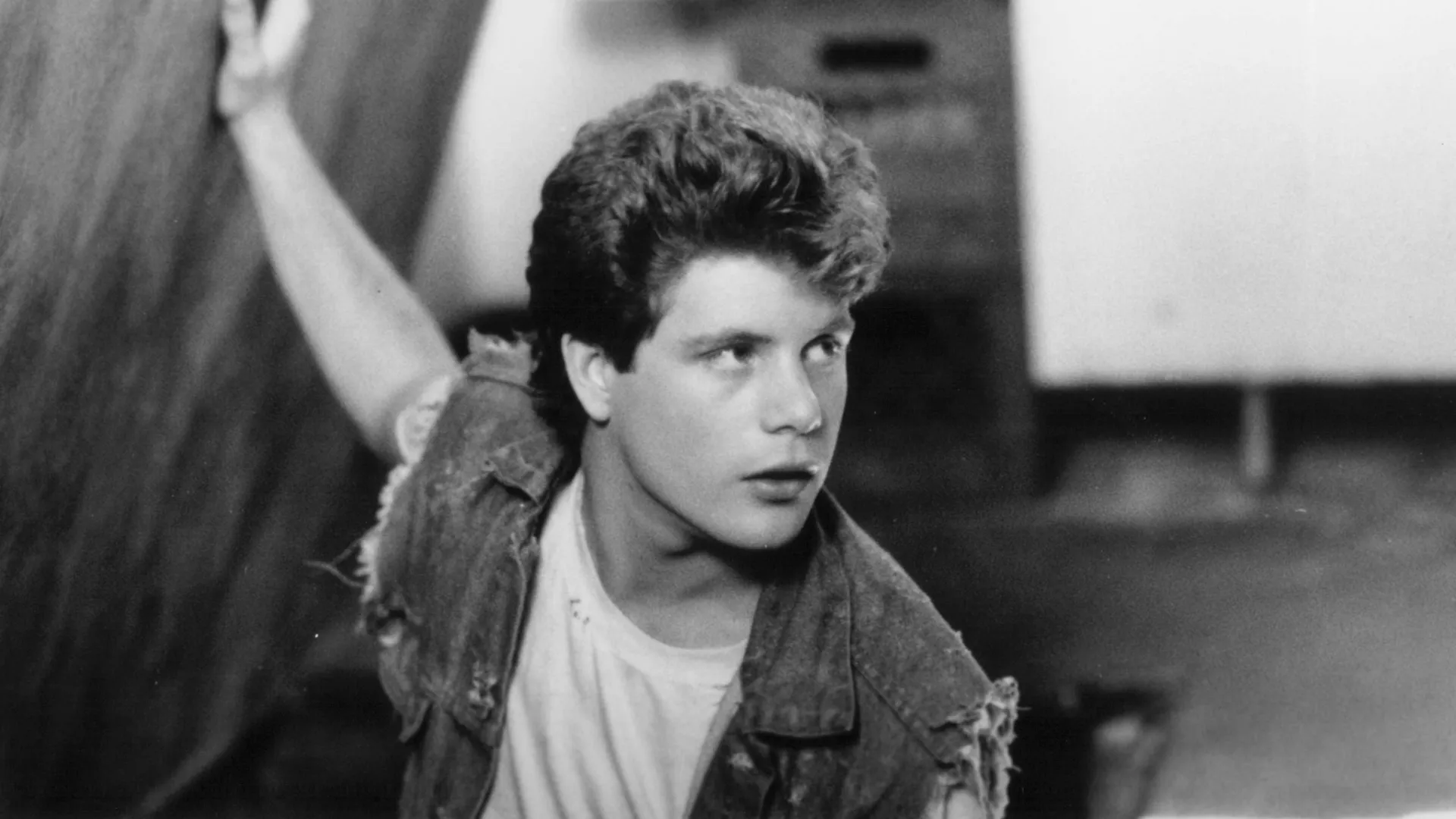
Toy Soldiers (1991)
(Source: IMDb)
In Toy Soldiers, Astin stepped into a more action-driven environment as Billy Tepper, a rebellious student caught in a hostage crisis at a military academy. The film required him to project leadership under pressure while participating in physically demanding sequences.
This departure from softer roles signaled his capacity to handle tension and intensity. It diversified his screen image and showed casting directors that he could operate within higher-stakes narratives beyond family-friendly fare.
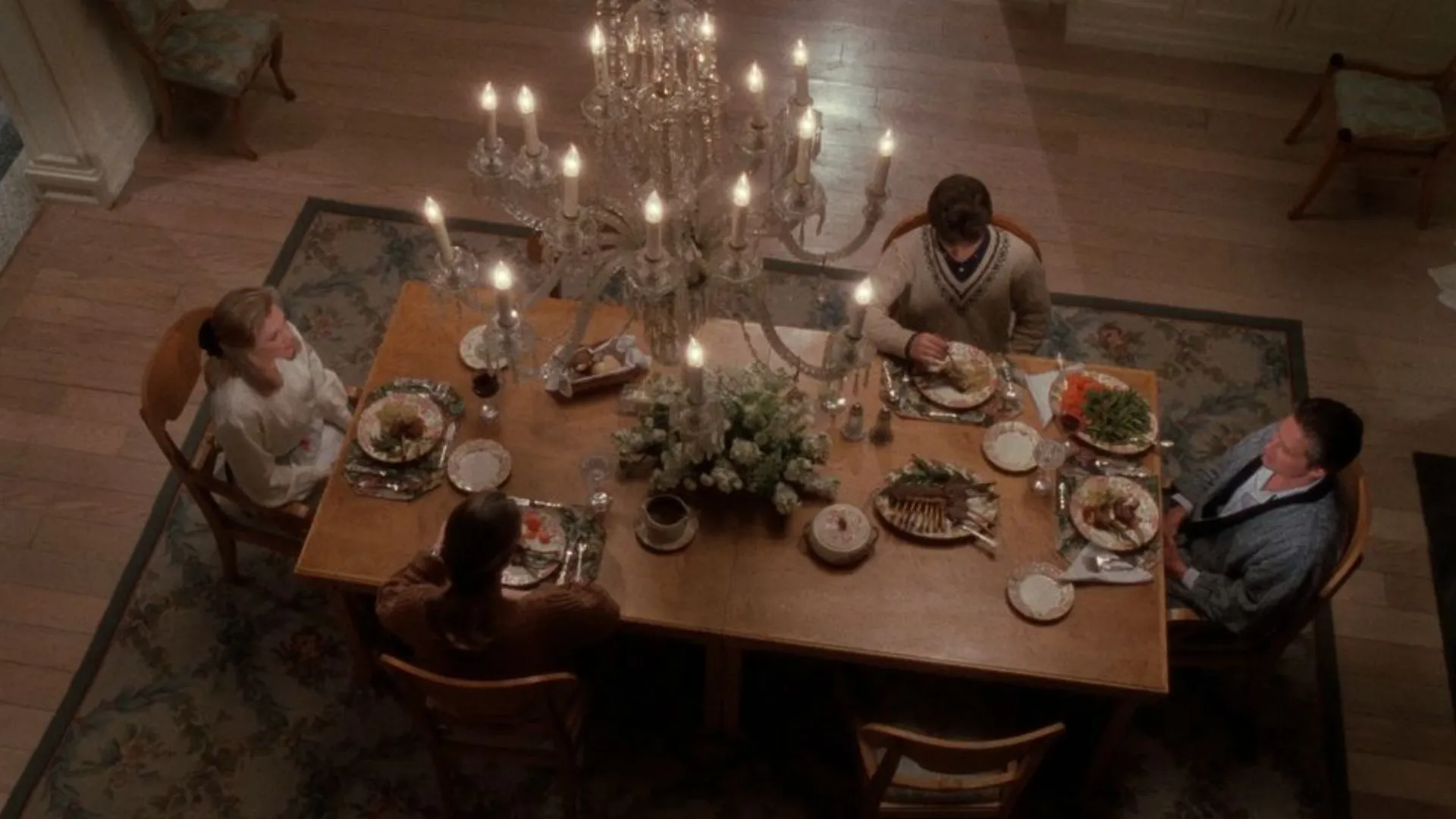
The War of the Roses (1989)
(Source: IMDb)
Although his role was smaller, appearing in The War of the Roses placed Astin within a sharp, adult dark comedy starring Michael Douglas and Kathleen Turner. The film’s biting tone and high-profile cast offered him early exposure to sophisticated Hollywood storytelling.
Participation in such projects helped sustain his visibility during transitional years between childhood and adult roles. It demonstrated adaptability and contributed quietly to the longevity of a career that would ultimately span decades.
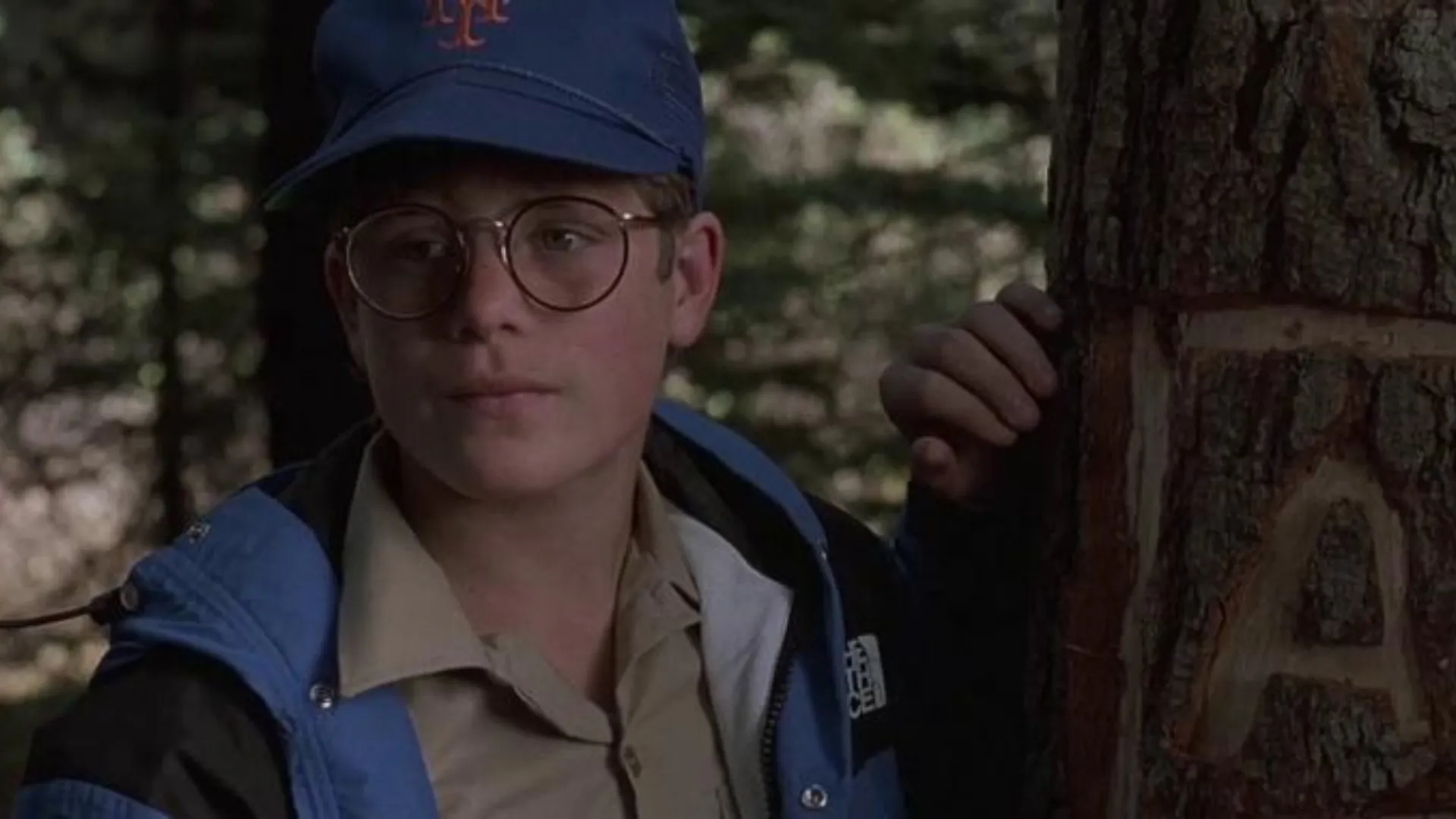
White Water Summer (1987)
(Source: IMDb)
One of Astin’s early dramatic outings, White Water Summer cast him as a teenager confronting survival challenges during a wilderness expedition. The film leaned into psychological tension rather than broad adventure, offering him a different kind of performance terrain.
Though less widely remembered, the project helped build his dramatic foundation. It provided valuable experience navigating character-driven tension — a skill set that would later support more emotionally complex roles in both independent and large-scale productions.
Sean Astin’s broader legacy
More than three decades into a steady career, Sean Astin has grown into a figure whose influence extends well past his most famous roles. While Samwise Gamgee in The Lord of the Rings remains his signature part — one he himself has acknowledged as life-defining — his portfolio includes television, voice work and projects across genres that reflect his range and resilience as an actor.
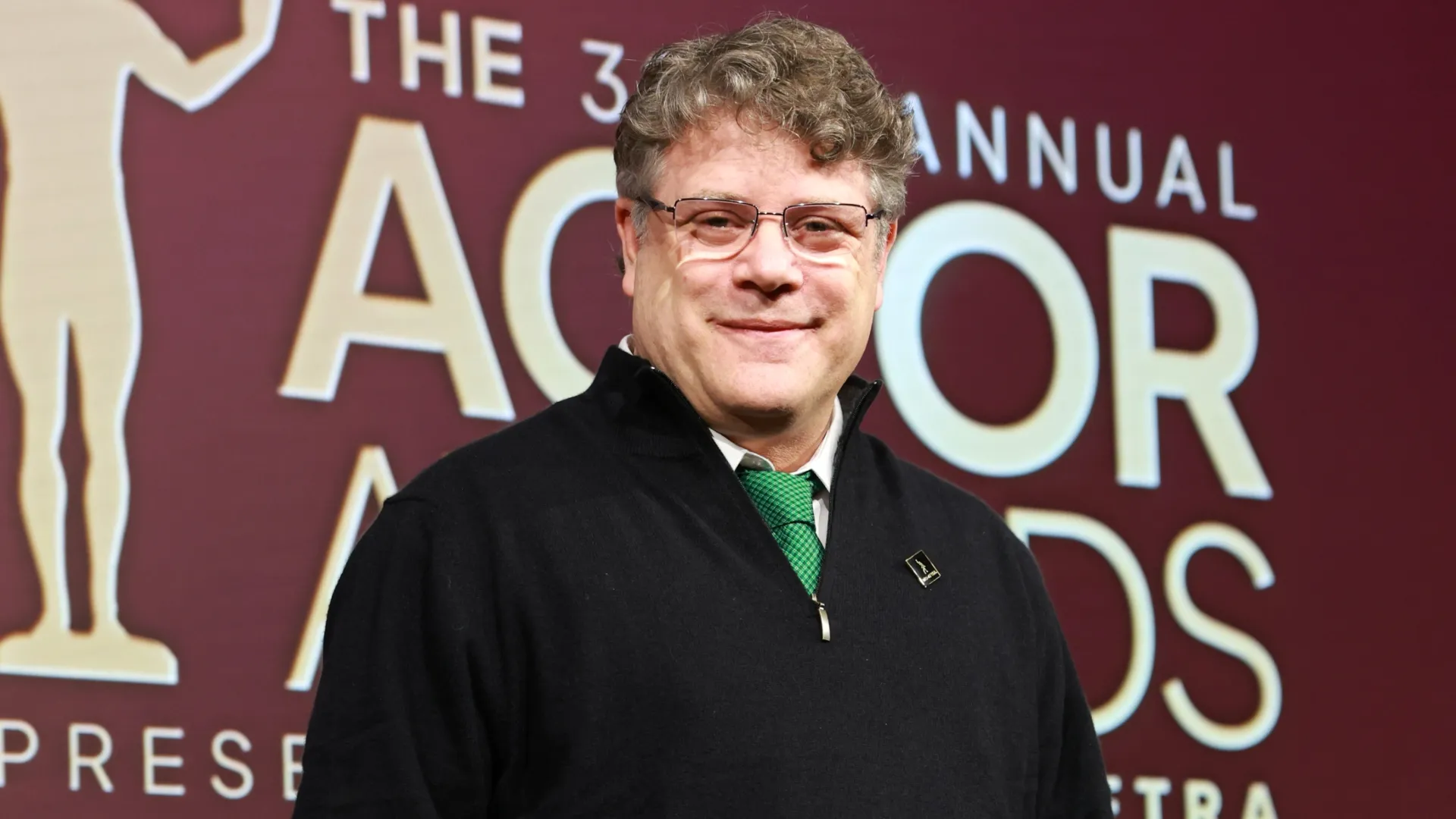
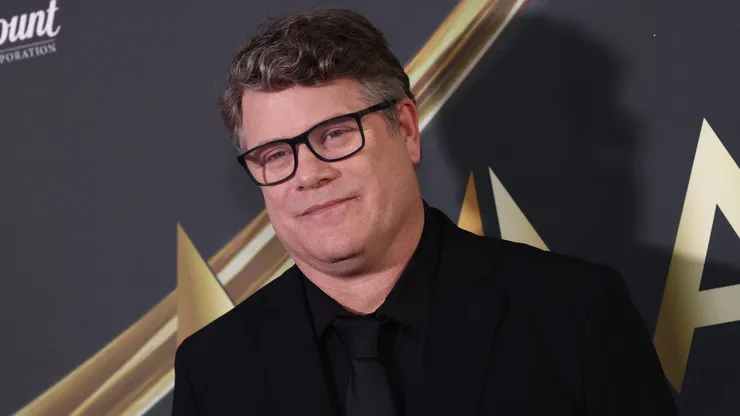
Sean Astin, President, SAG-AFTRA poses onstage during the 32nd Annual Actor Awards Nominations (Source: Matt Winkelmeyer/Getty Images)
He also engaged deeply with the entertainment community long before his star turn, serving in leadership roles inside SAG-AFTRA and advocating for artists’ rights, an involvement that speaks to how he’s leveraged his platform off-screen as much as on it.
His legacy is also threaded through his connection with fans and his broader public presence. From beloved characters in Stranger Things and animated video games to his social media engagement and activism on environmental and social issues, his work resonates with multiple generations.
More recently, his election as president of SAG-AFTRA amid industry challenges underscores an expanded legacy — one that sees the actor stepping into roles of advocacy, leadership and community representation, carrying forward the tenacity that defined his most iconic performances into real-world influence.