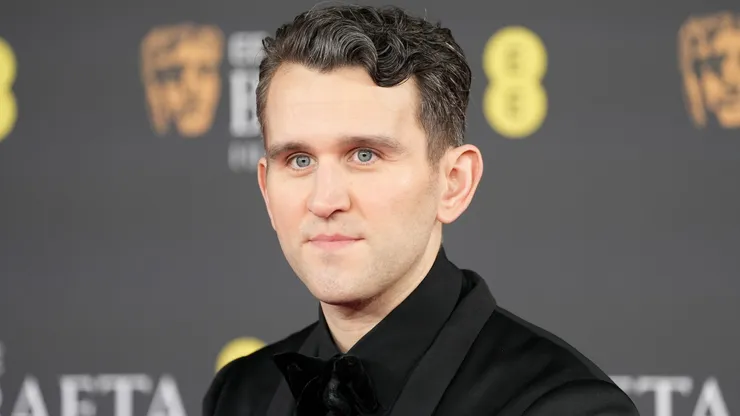
There was a time when Harry Melling was best known for playing the loud, spoiled cousin of Dudley Dursley in the Harry Potter film series. Few could have predicted that the same actor would quietly reinvent himself into one of the most intriguing character performers of his generation.
Over the years, he stepped away from that early spotlight and rebuilt his career piece by piece, moving through theater and independent cinema before emerging in striking roles that revealed a completely different range.
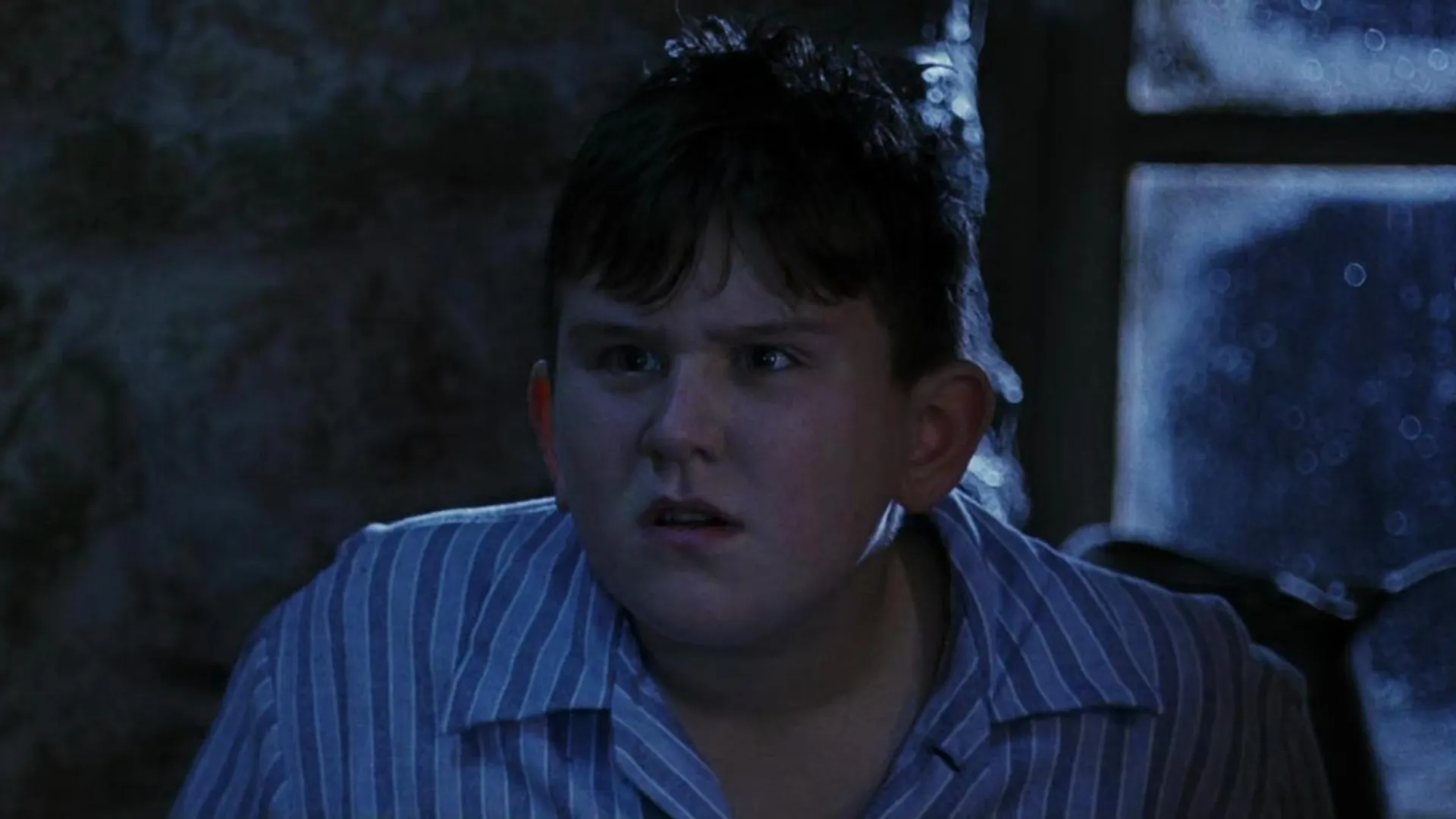
Dudley Dursley — Harry Potter and the Philosopher’s Stone (2001)
(Source: IMDb)
Before the reinvention, there was Dudley. In the first installment of the Harry Potter saga, Harry Melling stepped into the role of the spoiled and perpetually indignant cousin of Harry Potter, establishing the character as one of the story’s earliest antagonistic presences.
Dudley was gluttonous, loud, and hilariously cruel—yet Melling’s performance gave the bully a theatrical exaggeration that made him memorable rather than merely unpleasant. For many child actors, such a defining role becomes a lifelong label. In Melling’s case, it became the starting point of a long artistic detour.
Watching those early Harry Potter scenes today feels like opening a time capsule: a glimpse of a young performer who would later dismantle his own image and rebuild it in unexpected directions.
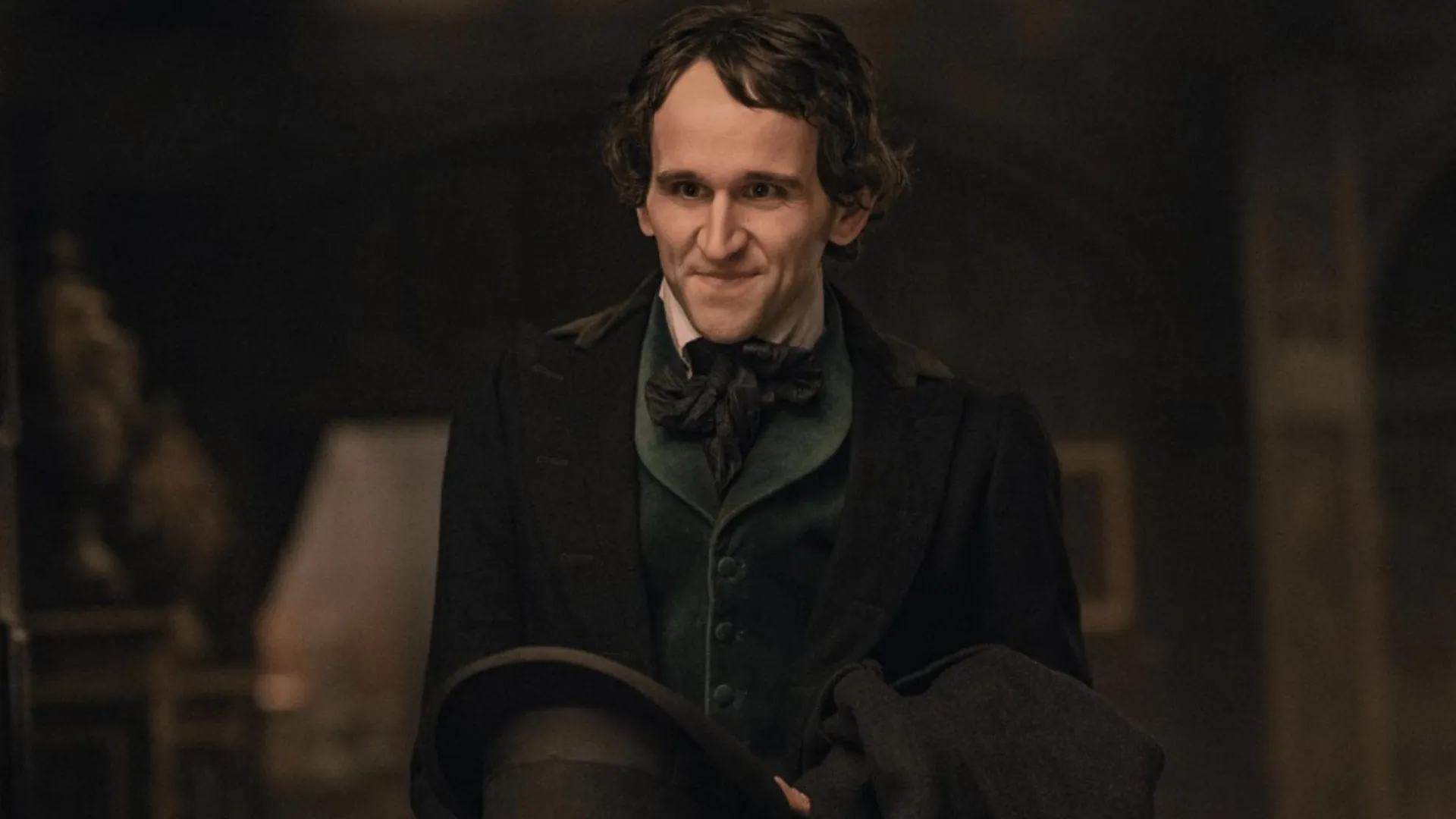
Benjamin Vale — The Current War (2017)
(Source: IMDb)
Historical dramas often revolve around towering figures, and The Current War places its spotlight firmly on inventors like Thomas Edison and George Westinghouse. Yet within that orbit, Melling appears in a smaller supporting role that quietly signals his post–Harry Potter career shift.
His presence is subtle rather than flashy, part of a film that reconstructs the technological rivalry that electrified the late 19th century. What stands out is how easily Melling disappears into the period setting. Gone is any trace of Dudley’s cartoonish bluster; instead there is a performer comfortable blending into the machinery of a large historical ensemble.
William Barclay — The Lost City of Z (2016)
Adventure films often celebrate heroic explorers, but The Lost City of Z is more introspective than triumphant. Directed by James Gray, the film follows the obsessive expeditions of British officer Percy Fawcett into the Amazon.
Melling’s supporting role as William Barclay adds texture to the colonial-era ensemble. The performance is restrained, almost observational, but that restraint serves the tone of the film—a story about ambition slowly swallowed by the jungle. It’s one of the earliest signs that Melling was gravitating toward thoughtful, director-driven projects rather than blockbuster spectacle.
Merrick — The Old Guard (2020)

(Source: IMDb)
Villains in action films often rely on charisma, and Melling leans into exactly that as Merrick, the calculating antagonist of The Old Guard. Opposite Charlize Theron and her band of immortal warriors, he plays a pharmaceutical executive whose fascination with immortality turns ruthlessly exploitative.
What makes the role effective is its unsettling calm. Merrick doesn’t rage or shout; he dissects. Melling’s performance turns the character into a clinical threat—a man whose ambition hides behind the polished language of scientific curiosity. It’s a reminder that some of the most chilling villains never raise their voices.
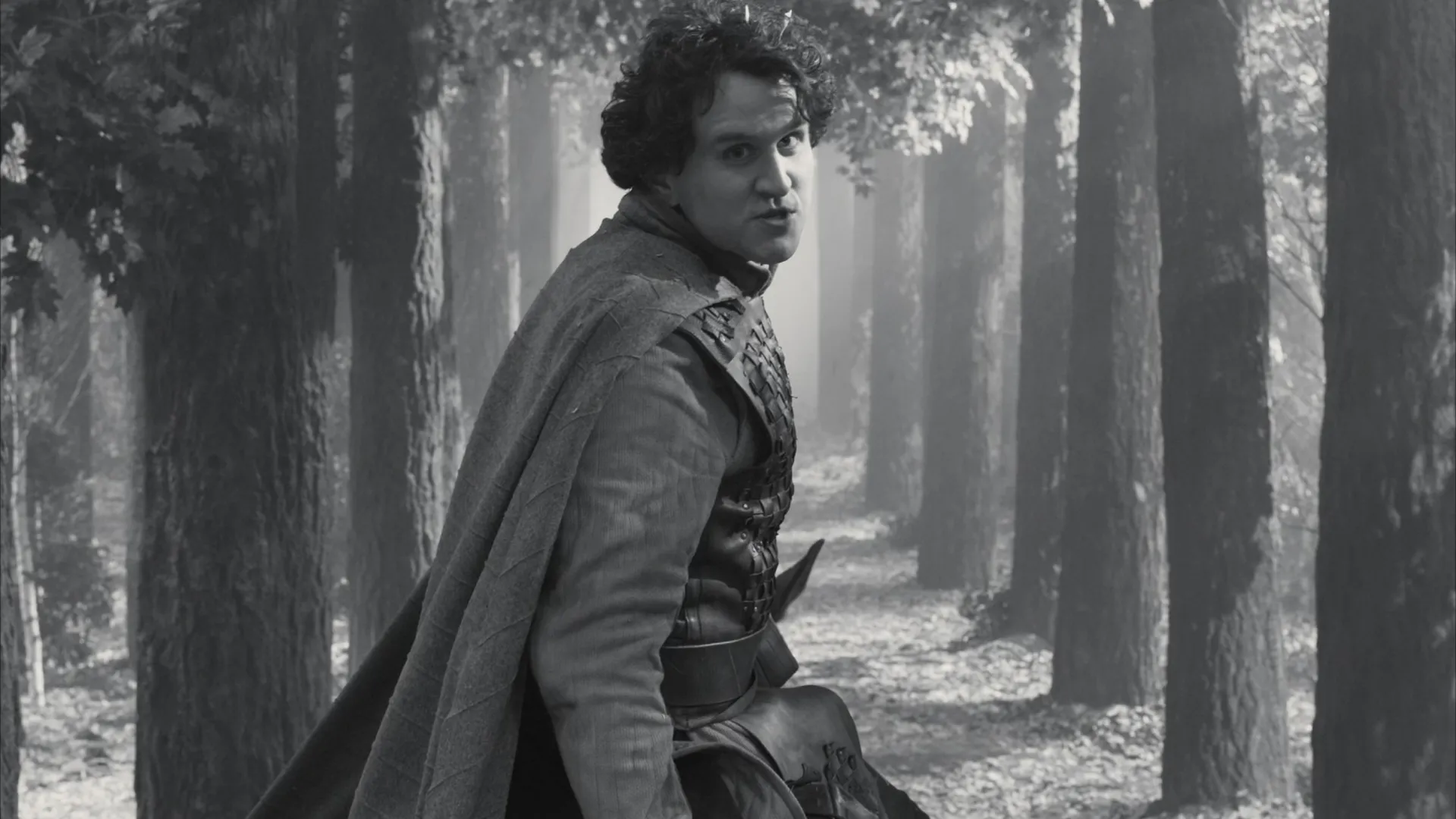
Malcolm — The Tragedy of Macbeth (2021)
(Source: IMDb)
In Joel Coen’s stark and stylized adaptation of Shakespeare, the world of Macbeth becomes a monochrome dreamscape. Within that theatrical universe, Melling portrays Malcolm, the rightful heir to Scotland’s throne.
The performance carries a sense of quiet legitimacy. While giants like Denzel Washington and Frances McDormand dominate the tragedy’s center, Melling’s Malcolm embodies the promise of order returning after chaos. It’s Shakespeare delivered with clarity rather than flourish—a calm presence in a kingdom consumed by ambition.
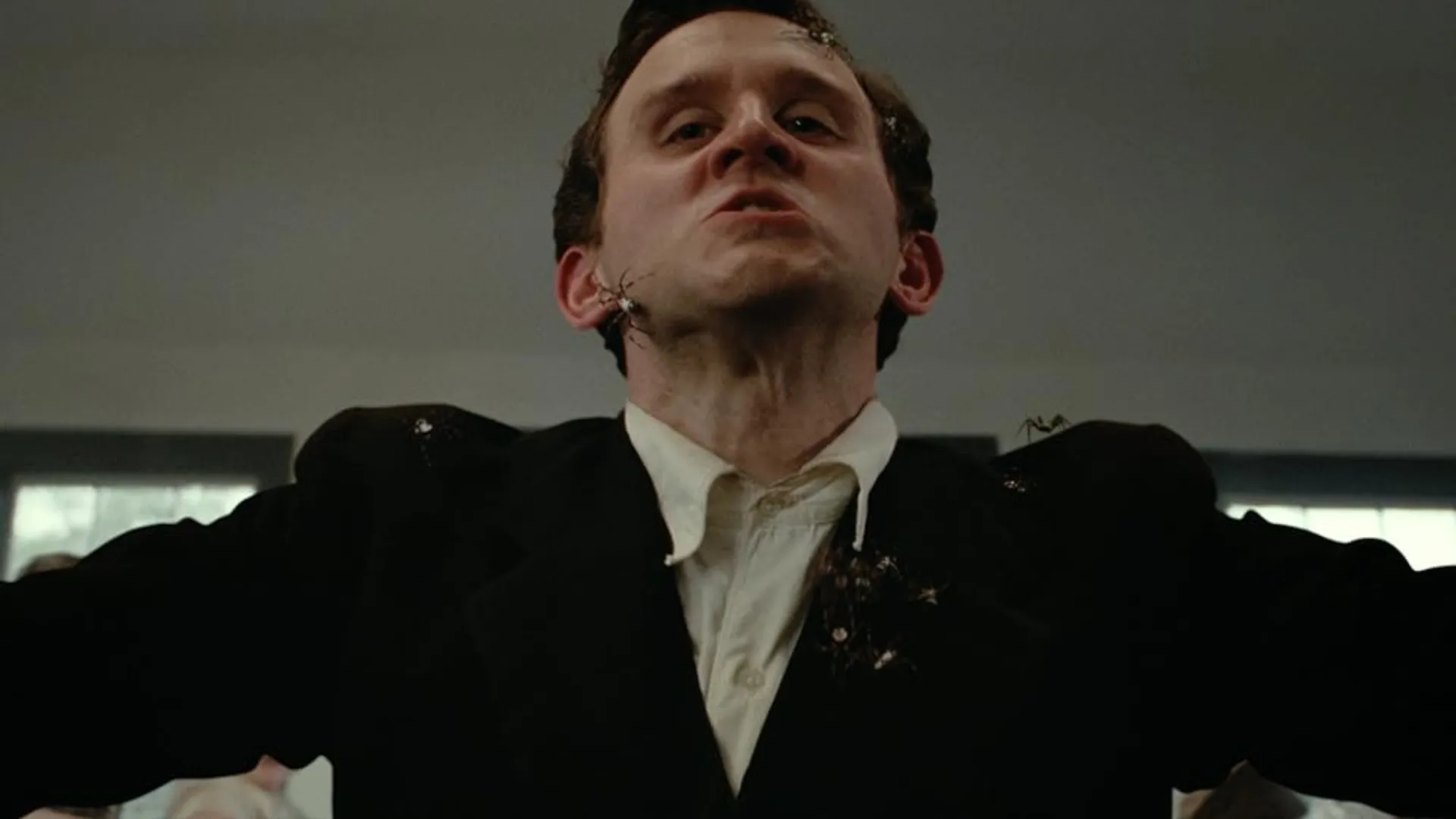
Roy Laferty — The Devil All the Time (2020)
(Source: IMDb)
There are roles actors describe as “fearless.” Roy Laferty certainly qualifies. In The Devil All the Time, Melling plays an unhinged traveling preacher whose sermons spiral into something far darker.
The character exists on the border between faith and madness, and Melling embraces that instability fully. Roy’s fervor feels almost combustible, as if the character might explode at any moment. It’s a performance that refuses moderation—strange, unsettling, and unforgettable.
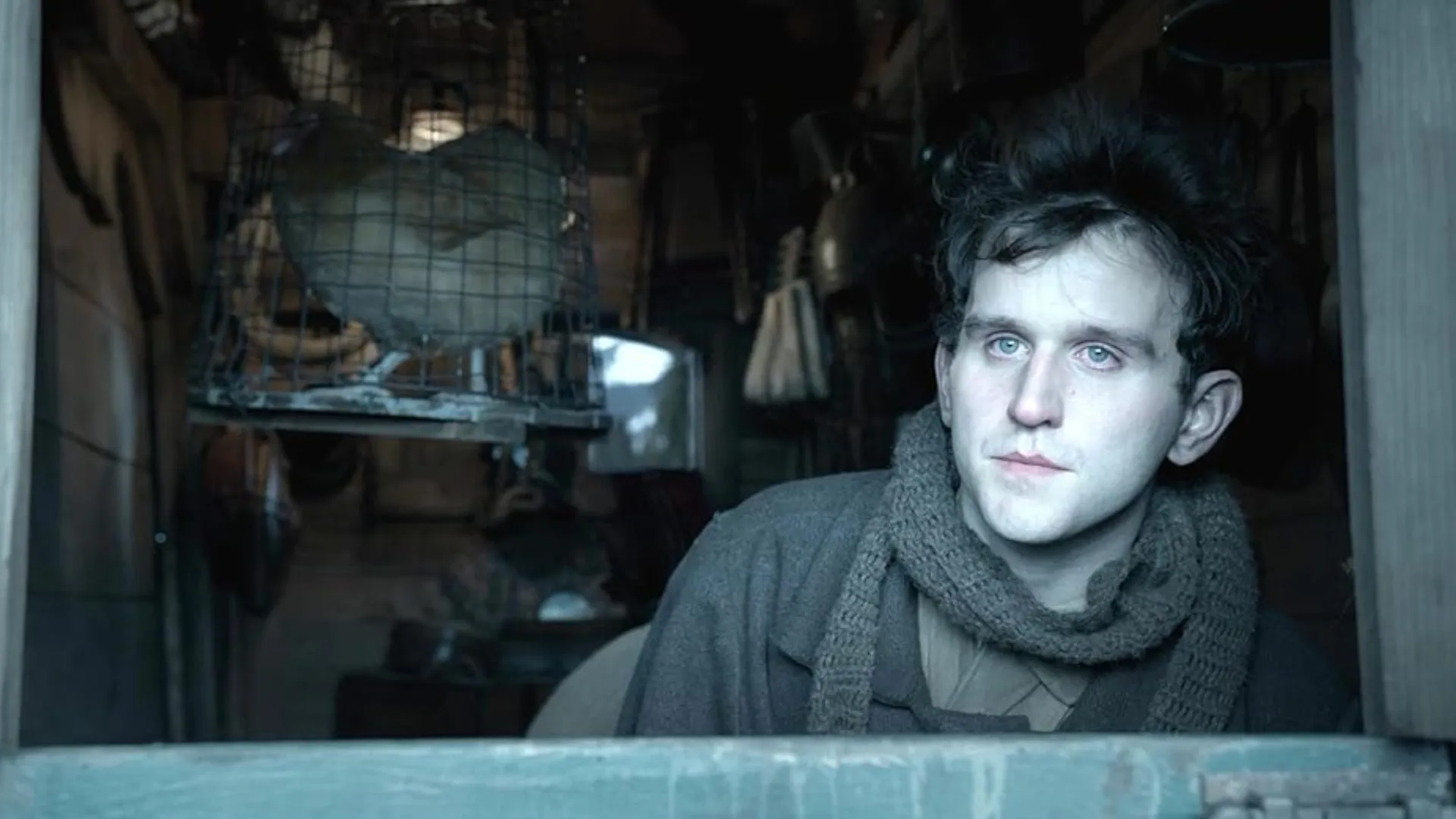
The Artist — The Ballad of Buster Scruggs (2018)
(Source: IMDb)
Few roles in modern Western cinema are as haunting as the limbless traveling performer in the “Meal Ticket” segment of the Coen Brothers’ anthology film. Perched on a stage platform, Melling delivers monologues from Shakespeare, Lincoln, and Shelley—his voice the only weapon he possesses.
The tragedy of the character unfolds quietly. His talent fills the wagon with applause at first, but audiences fade, attention shifts, and commerce intrudes. Melling’s performance is almost entirely verbal, yet it carries enormous emotional weight. By the final scene, the story lingers like a ghost.
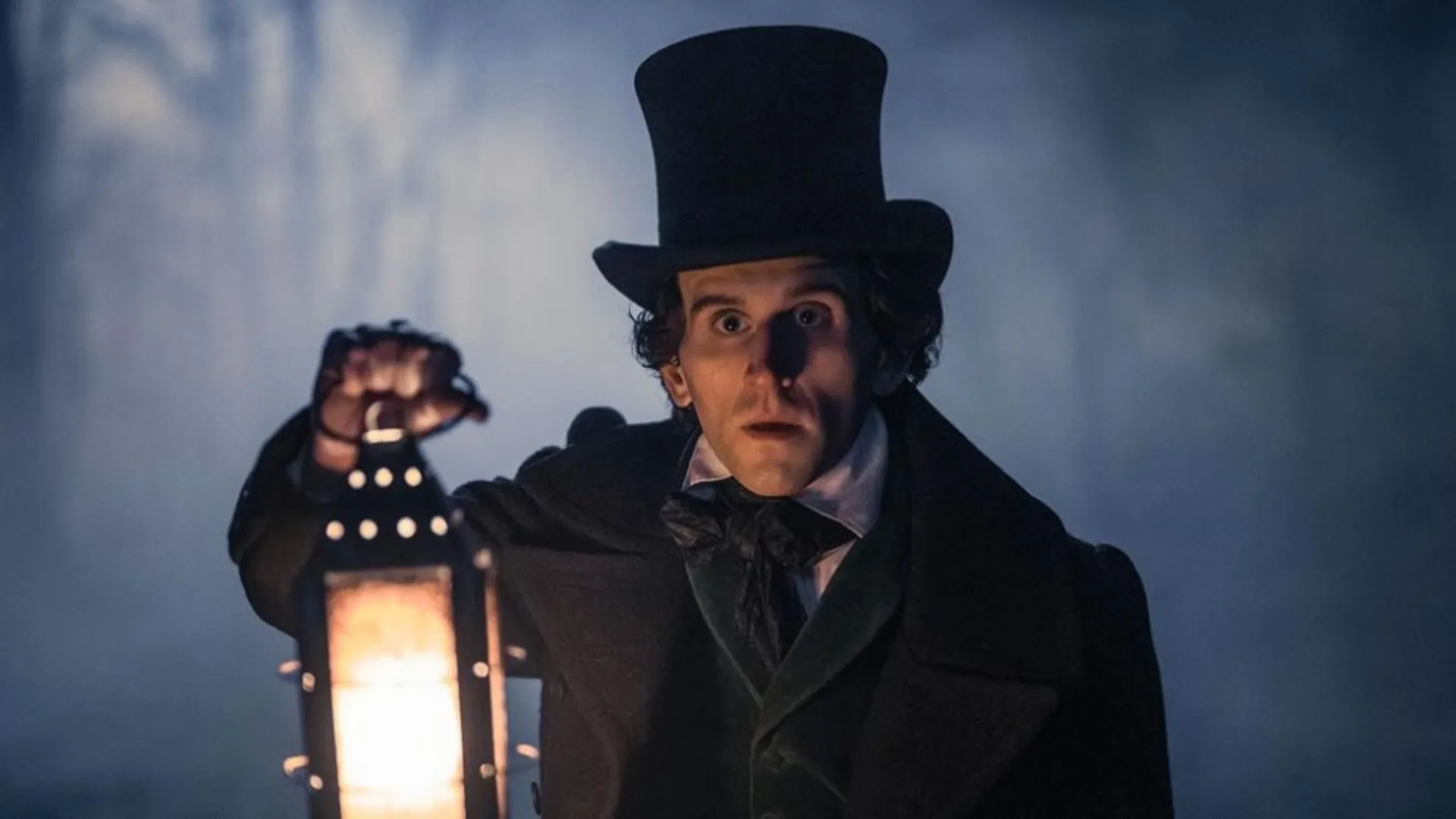
Cadet Edgar Allan Poe — The Pale Blue Eye (2022)
(Source: IMDb)
If ever a casting choice felt inevitable, it was Melling as a young Edgar Allan Poe. In the gothic mystery The Pale Blue Eye, he plays the future literary icon as a brilliant but eccentric cadet at West Point, assisting a detective portrayed by Christian Bale.
Melling infuses Poe with a nervous intellectual energy—quick speech, restless curiosity, flashes of dark humor. The result is a character who feels both historically grounded and theatrically alive. By the time the film ends, the seeds of the legendary writer’s macabre imagination seem unmistakably planted.
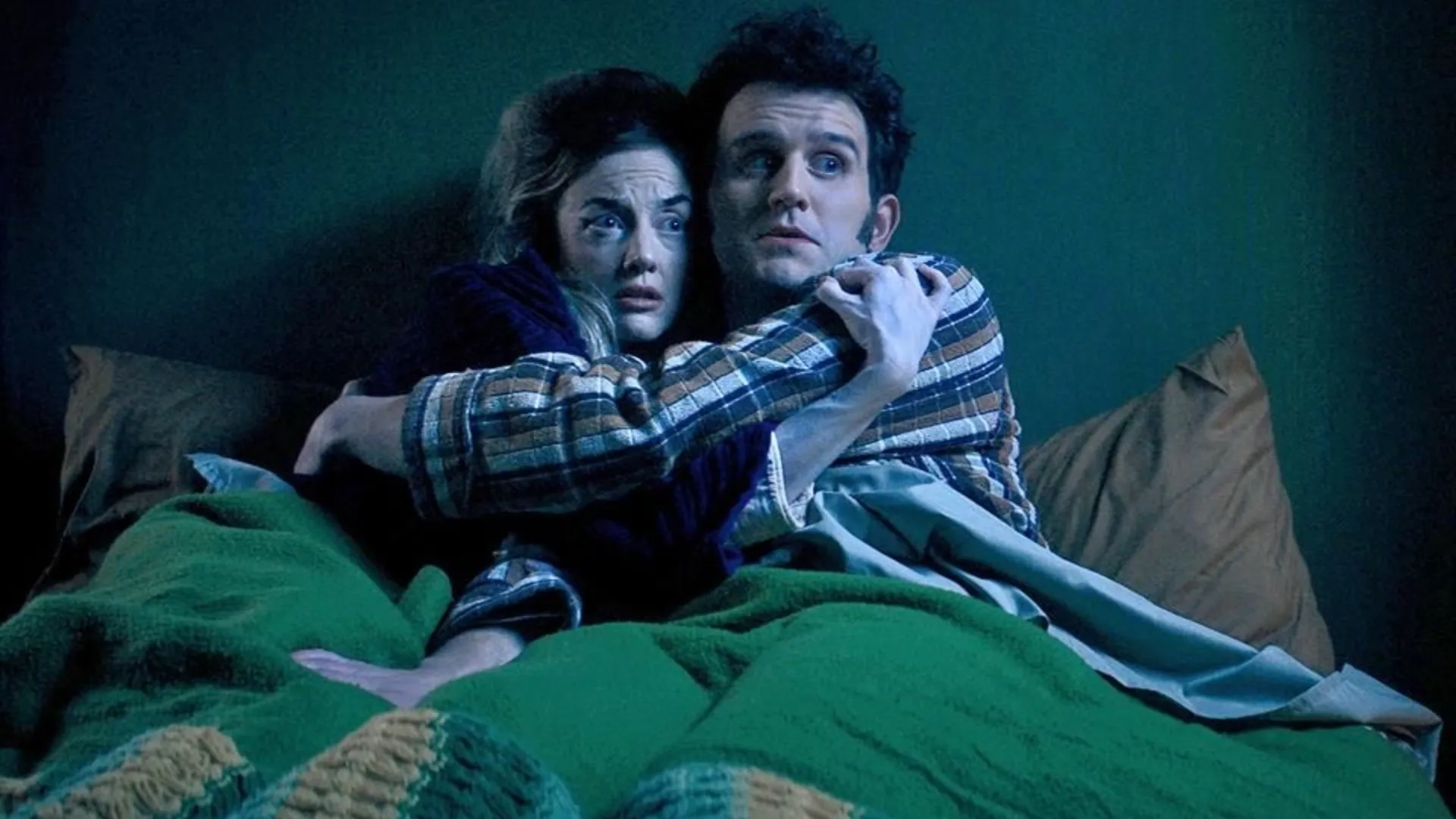
Arthur — Please Baby Please (2022)
(Source: IMDb)
Some performances aren’t meant to blend into realism—they’re meant to explode off the screen. In Please Baby Please, Melling leans into stylized absurdity as Arthur, a leather-clad gang leader whose swagger feels like it escaped from a neon-lit fever dream.
The film itself plays with camp aesthetics and heightened performances, and Melling meets that energy head-on. His Arthur is theatrical, magnetic, and intentionally excessive—a reminder that character acting can be as flamboyant as it is precise.
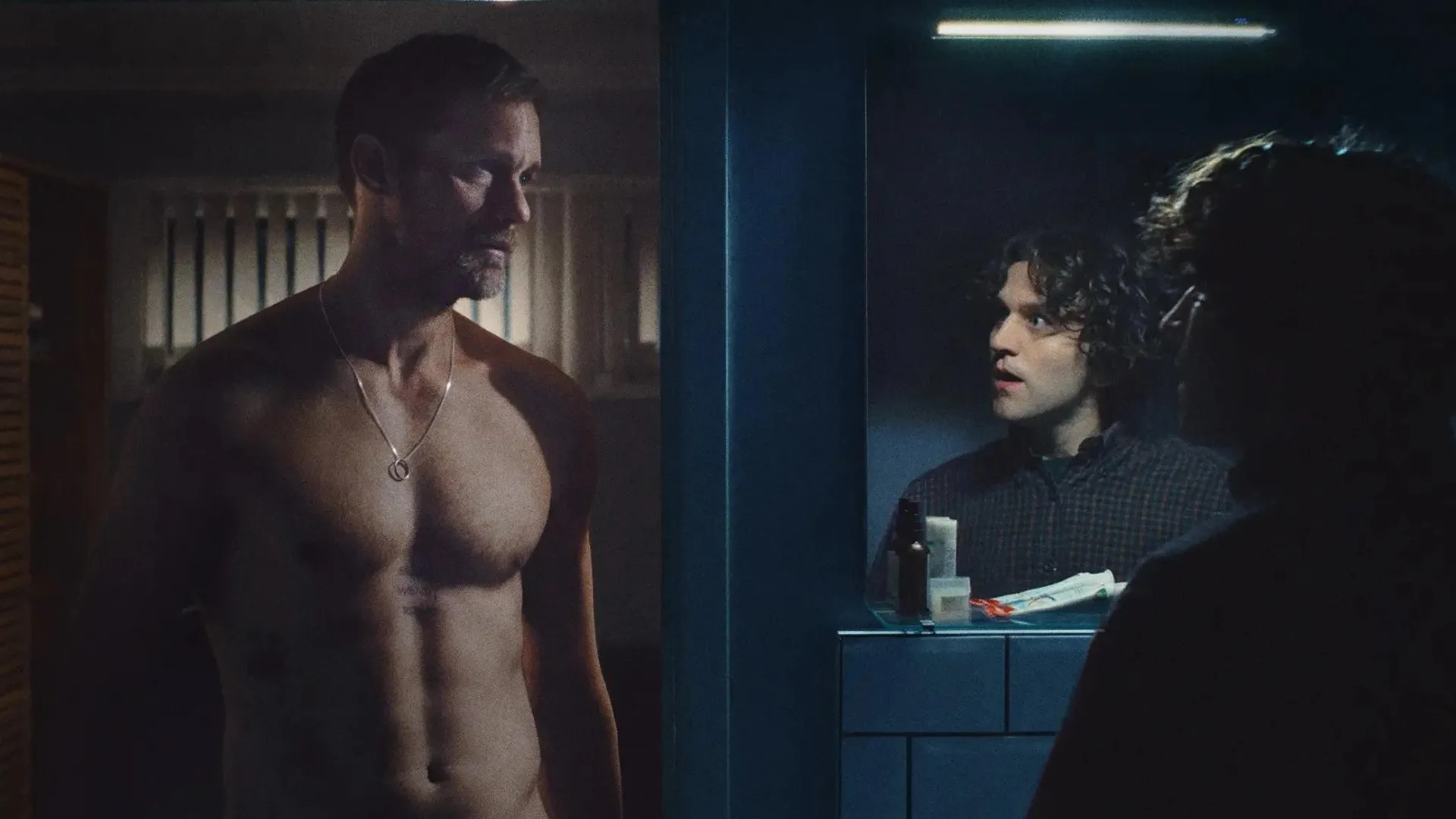
Colin — Pillion (2025)
(Source: IMDb)
If one role represents the boldest stage of Melling’s evolution, it may be Pillion. In this dark romantic drama, he plays Colin, a shy man drawn into a complex relationship with a biker portrayed by Alexander Skarsgard.
The film premiered at the Cannes Film Festival and earned significant attention for its daring subject matter and character-driven storytelling. What makes the performance remarkable is its vulnerability. Colin begins as someone uncertain of himself, almost invisible in his own life.
Over the course of the story, that uncertainty transforms into exploration—of identity, intimacy, and control. It’s a role that demands emotional openness, and Melling delivers it with striking honesty.