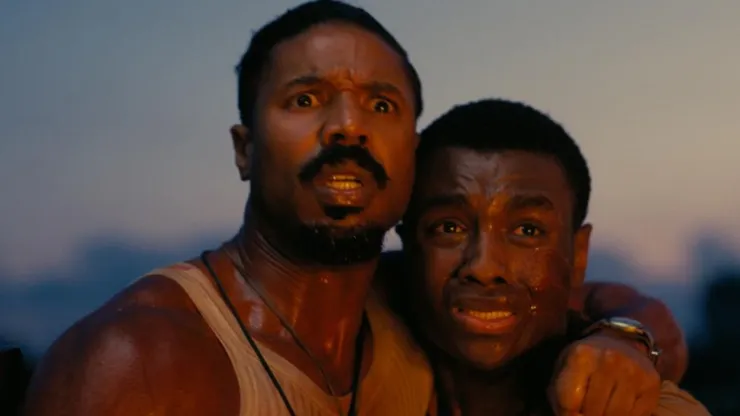
When “Sinners” first emerged from the veil of secrecy that defined its production, audiences weren’t just treated to another vampire flick; they were thrust into a visceral, sweat-soaked vision of the 1930s Jim Crow South that felt both ancient and urgent.
Ryan Coogler took the high-stakes intensity he perfected in the “Black Panther” franchise and distilled it into a claustrophobic, R-rated nightmare that prioritized atmosphere and practical dread over cheap jump scares. By blending historical trauma with supernatural folklore, Coogler managed to create a cinematic experience that felt like a lost piece of American mythology, proving that original stories can still command the cultural conversation.
A New Blueprint for the Gothic Epic
The brilliance of “Sinners” lies in its refusal to play by the established rules of the supernatural thriller, opting instead to build a world where the monsters are secondary to the mounting tension of the setting. Coogler utilized the isolation of the rural South to create a pressure cooker environment where the heat is almost palpable through the screen. By stripping away the gloss often found in big-budget horror, he anchored the supernatural elements in a gritty, tactile reality that made the eventual arrival of the macabre feel earned rather than gimmicky.
One year later, the film’s influence is most visible in how it balanced its heavy themes with pure, unadulterated spectacle. While many contemporary horror picture lean heavily into elevated horror metaphors at the expense of genuine thrills, “Sinners” embraced its identity as a pulse-pounding action-thriller.
Furthermore, the movie’s technical execution remains a talking point for cinephiles and critics alike. The collaboration between Coogler and cinematographer Autumn Durald Arkapaw created a visual language that used darkness not just to hide the monsters, but to emphasize the moral ambiguity of the characters. Every frame of the film feels intentional, utilizing a color palette of deep ambers and bruised purples that differentiates it from the cold, blue hues typically associated with the vampire subgenre. This aesthetic boldness helped the picture carve out a unique space in the cultural lexicon that remains vibrant a year later.
Ultimately, “Sinners” redefined the genre by proving that a supernatural story is only as strong as the human stakes at its center. By focusing on the bond between brothers and the weight of ancestral choices, Coogler ensured that the audience was emotionally invested long before the first drop of blood was spilled.
As we look back on its first anniversary, it is clear that the film wasn’t just a seasonal hit but a foundational shift in how we perceive the intersection of history, race, and the paranormal. It remains a defiant reminder that the most terrifying stories are the ones that feel like they could actually happen in the dark corners of our own history.