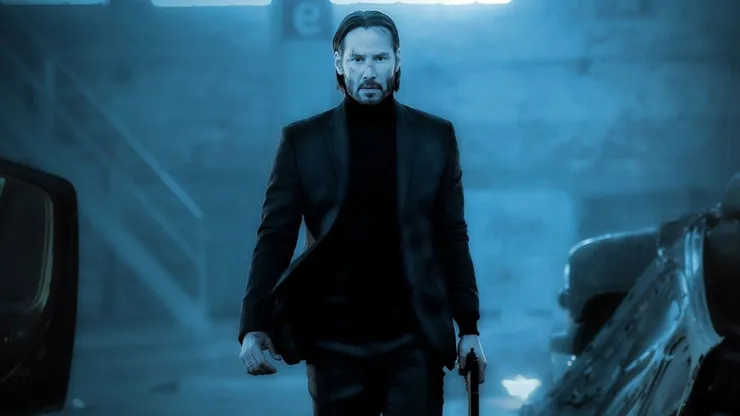
According to The Hollywood Reporter, the team behind “John Wick” is facing a new legal challenge after screenwriter J.R. Wicker filed a copyright infringement lawsuit alleging that the hit action franchise borrowed heavily from his screenplay “Blood for Escobar.”
The complaint, submitted Monday in federal court in California, targets producer Thunder Road Films, franchise writer Derek Kolstad, and distributor Lionsgate, with Wicker seeking at least $10 million in profits generated by the films.
Writer Alleges His Screenplay Inspired Key Elements of the Franchise
The lawsuit argues that “Blood for Escobar” and the script that later evolved into “John Wick” share a series of highly specific similarities. Wicker claims both stories follow a widowed former assassin who is drawn back into the criminal underworld and launches a violent quest for revenge after a personal tragedy. His complaint contends that the resemblance extends beyond broad genre conventions and into particular plot developments and character arcs.
Among the examples highlighted are opening sequences involving a home invasion and the death of a beloved pet, followed by the protagonist retrieving hidden weapons and confronting enemies in a nightclub. The filing also points to the presence of a structured organization of assassins that operates under strict rules, a concept that became one of the franchise’s signature features.
Wicker’s attorneys further cite similarities involving a Ford Mustang, a character assigned to eliminate the protagonist before eventually helping him, and storylines in which the assassin network ultimately turns against its former member. The complaint alleges that Kolstad had access to “Blood for Escobar” through industry connections, including entertainment executive Mike Goldberg and representatives involved in assembling the original “John Wick” project.
The case arrives at a time when courts have shown greater willingness to allow copyright disputes to move forward rather than dismissing them at an early stage. Even so, copyright law does not protect general ideas or familiar storytelling tropes, meaning Wicker will still need to demonstrate that the alleged similarities involve protected creative expression rather than common elements of the action thriller genre.