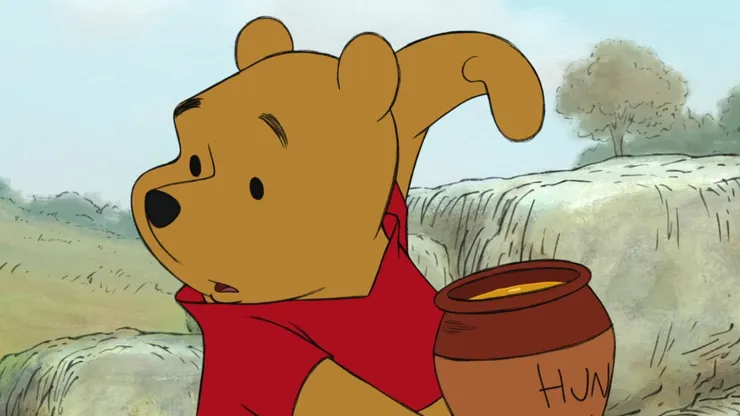
On December 24, 1925, Winnie-the-Pooh made his very first appearance in print in a Christmas story by A.A. Milne, marking the modest beginning of what would become one of the most beloved characters in children’s literature. While that Christmas Eve debut is the bear’s true literary birth, Pooh has gathered a few other “birthdays” over the years as his fame grew.
Fans often celebrate him on August 21, the day Milne’s son Christopher Robin received the real teddy bear that inspired the character, or on January 18, A.A. Milne’s own birthday, now officially recognized as National Winnie the Pooh Day. Together, these dates reflect how deeply the honey-loving bear has woven himself into both literary history and popular culture. But what is truly behind the beloved icon?
The Real Bears, Toys, and Places Behind Winnie-the-Pooh
Winnie-the-Pooh was born from a deeply personal blend of family life, imagination, and chance encounters. As stated before, A.A. Milne named the character after a teddy bear owned by his son, Christopher Robin Milne, who also inspired the boy character in the stories. While Milne provided the words, illustrator E.H. Shepard shaped Pooh’s visual identity by basing him not on Christopher Robin’s bear, but on his own son’s teddy bear, Growler.
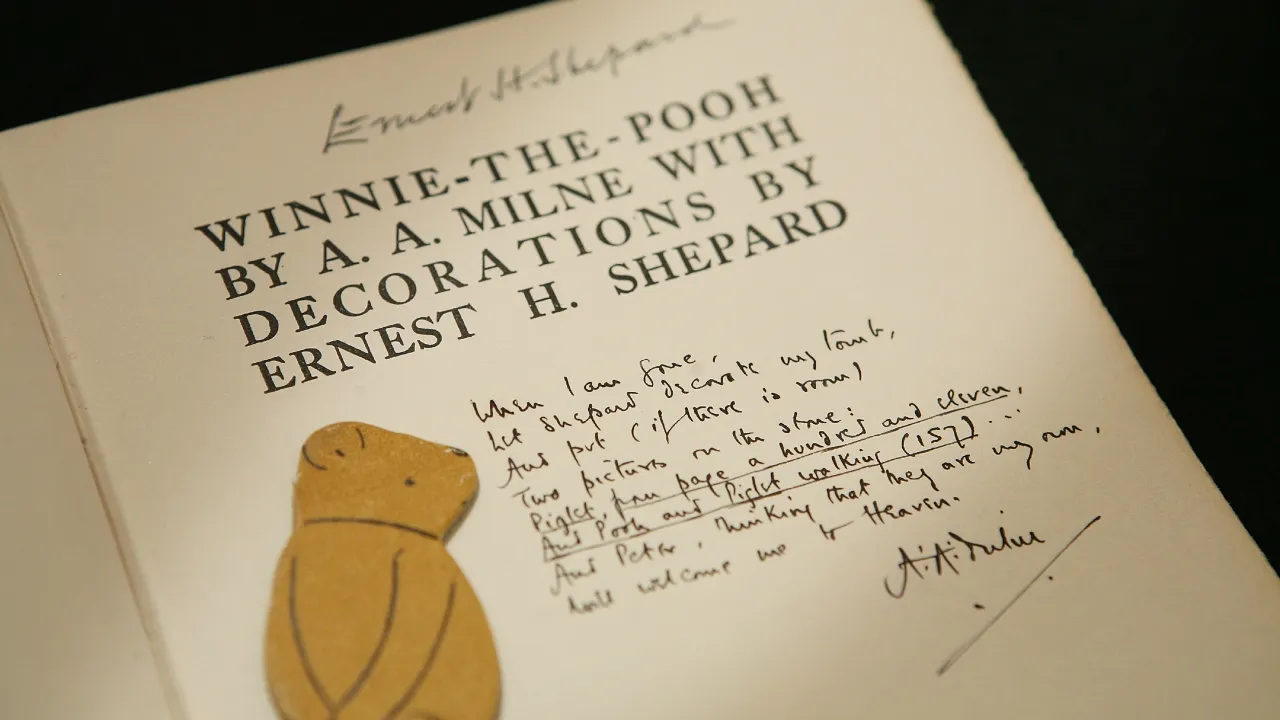
Christopher Robin’s other toys filled out the rest of the Hundred Acre Wood. Piglet, Eeyore, Kanga, Roo, and Tigger were all real stuffed animals brought to life through Milne’s writing, while Owl and Rabbit were creations of pure imagination. Disney later added Gopher for animation. Today, the original teddy bear that inspired Pooh is preserved at the New York Public Library.
The name “Winnie-the-Pooh” itself carries an unusual backstory. In 1921, Milne bought his son the famous bear from Harrods, which Christopher Robin first called Edward, then renamed Winnie after a Canadian black bear he adored at the London Zoo. That real bear, Winnie, had been rescued as a cub by Canadian soldier Harry Colebourn during World War I and named after his hometown of Winnipeg. “Pooh” came from a pet swan the family encountered on holiday.
The setting of the stories was just as real as the characters. Milne set Winnie-the-Pooh in Ashdown Forest, near the family’s country home, transforming familiar paths, bridges, and hilltops into the Hundred Acre Wood. The creator later wrote in his autobiography that the fictional forest and the real one were “identical,” with locations like Poohsticks Bridge and Five Hundred Acre Wood still visited today. Even Shepard’s illustrations closely mirrored the actual landscape, grounding Pooh’s gentle world in a place that truly existed.