Television has long used friendship as narrative glue, but over the past two decades, female friendships have moved from supporting detail to central architecture. Writers and showrunners increasingly treat sisterhood not as background texture, but as a driving force.
Series like Sex and the City and Girls reframed urban adulthood through candid conversations, while ensemble dramas such as Big Little Lies explored how loyalty, rivalry, and solidarity can coexist within the same circle.
What distinguishes these stories is not simply representation, but complexity. Female characters are written as collaborators and competitors, confidantes and critics, bound by shared history rather than romantic subplots.
Sex and the City

Kim Cattrall, Sarah Jessica Parker, Kristin Davis and Cynthia Nixon in Sex and the City (Source: IMDb)
Set in New York City, the series follows Carrie Bradshaw, a columnist who narrates the show, alongside her three closest friends: Miranda, Charlotte, and Samantha. While each woman pursues her own romantic and professional journey, the series constantly returns to their gatherings — dinners, brunches, and late-night conversations — where they dissect relationships, careers, and personal dilemmas. The friendships are tested by marriages, breakups, career shifts, and major life transitions.
The narrative structure reinforces their bond as central. Episodes often open or close with reflections on friendship, emphasizing that despite romantic chaos, the four women rely on each other for honesty and perspective. Their dynamic evolves over time, showing disagreements, growth, and unwavering loyalty across seasons and even films that followed the original series.
Big Little Lies
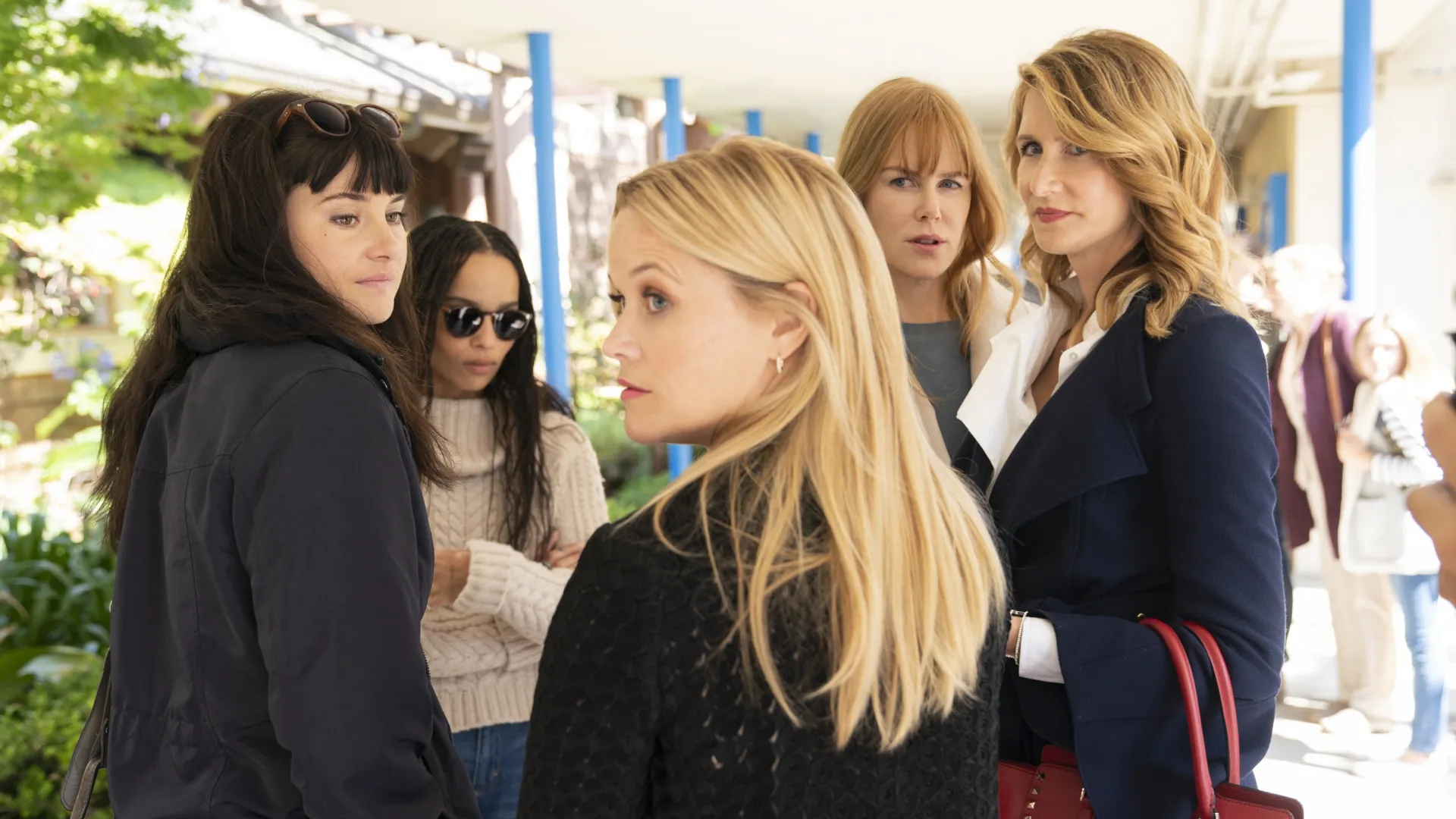
Nicole Kidman, Laura Dern, Reese Witherspoon, Shailene Woodley and Zoe Kravitz in Big Little Lies (Source: IMDb)
Adapted from the novel by Liane Moriarty, this acclaimed drama stars performers including Reese Witherspoon and Nicole Kidman. Initially connected through school events and community life, the women gradually form a deeper alliance as personal secrets and trauma surface.
Their friendship evolves from social interaction into protective solidarity. As tensions escalate within their environment, the bond between them becomes a vital source of trust and resilience. The series portrays sisterhood as an evolving alliance — imperfect yet powerful — capable of strengthening under pressure.
We Are Lady Parts
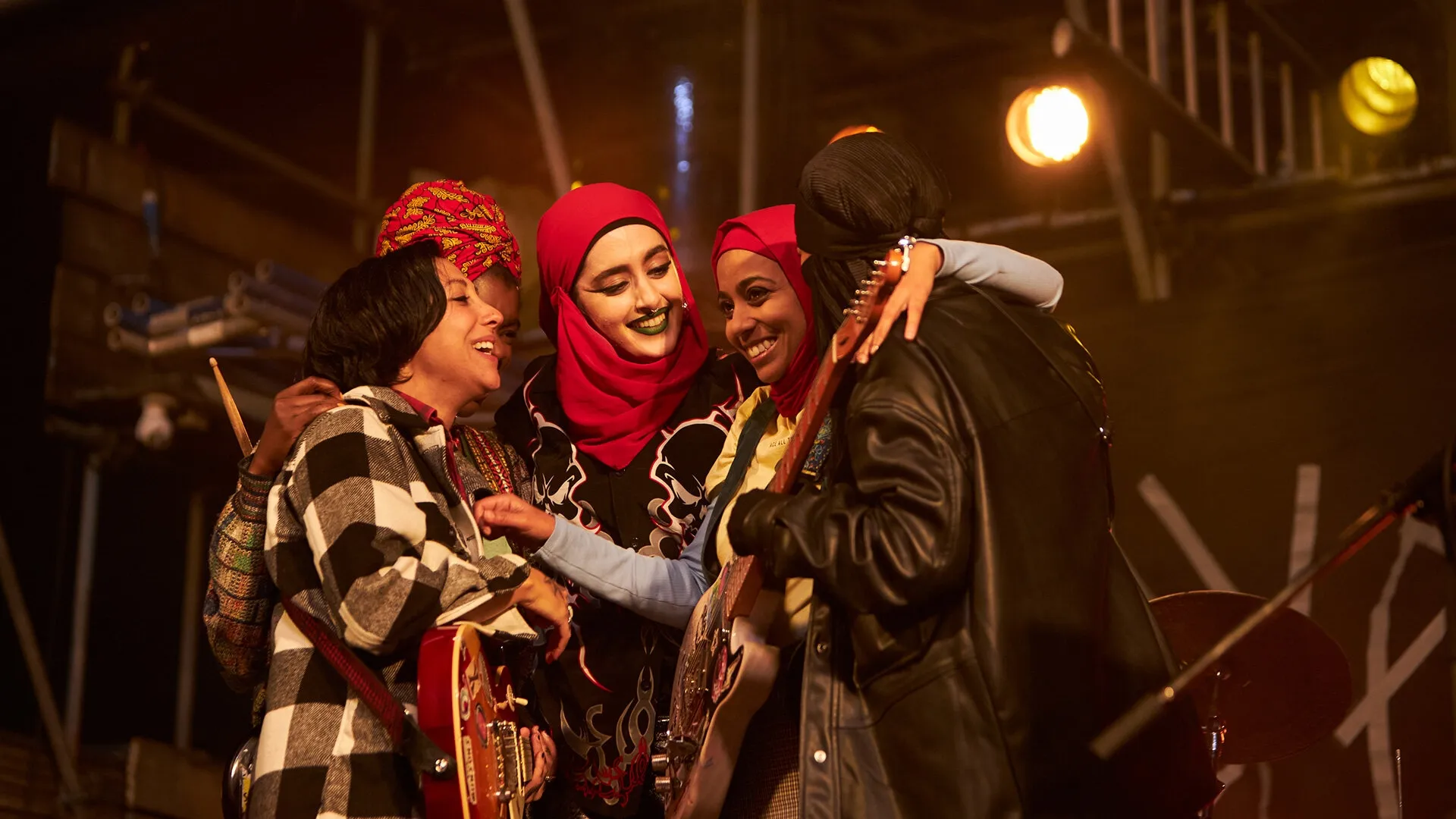
Juliette Motamed, Anjana Vasan, Faith Omole, Sarah Kameela Impey and Lucie Shorthouse in We Are Lady Parts (Source: IMDb)
Created by Nida Manzoor, this British comedy centers on an all-female Muslim punk band in London. The friendship within the group forms the emotional core of the series, blending music, cultural identity, and creative ambition into a shared journey.
Their bond grows through rehearsals, performances, disagreements, and shared dreams. While conflicts arise, commitment to the group keeps them united. The series highlights how sisterhood can serve as both creative engine and emotional refuge, especially within spaces where representation has historically been limited.
The Bold Type

Aisha Dee, Meghann Fahy, and Katie Stevens in The Bold Type (Source: IMDb)
The show follows three friends — Jane, Kat, and Sutton — working at a global women’s magazine. Set in the fast-paced world of media and publishing, the series explores journalism, activism, sexuality, and career ambition. Their professional environment constantly intersects with their personal lives.
The friendship between the three women acts as a safe space where they process major life decisions, from romantic relationships to political beliefs. They challenge one another’s perspectives but remain deeply supportive. Throughout the series, their bond helps them navigate workplace dynamics and evolving identities, reinforcing sisterhood as empowerment.
Hacks
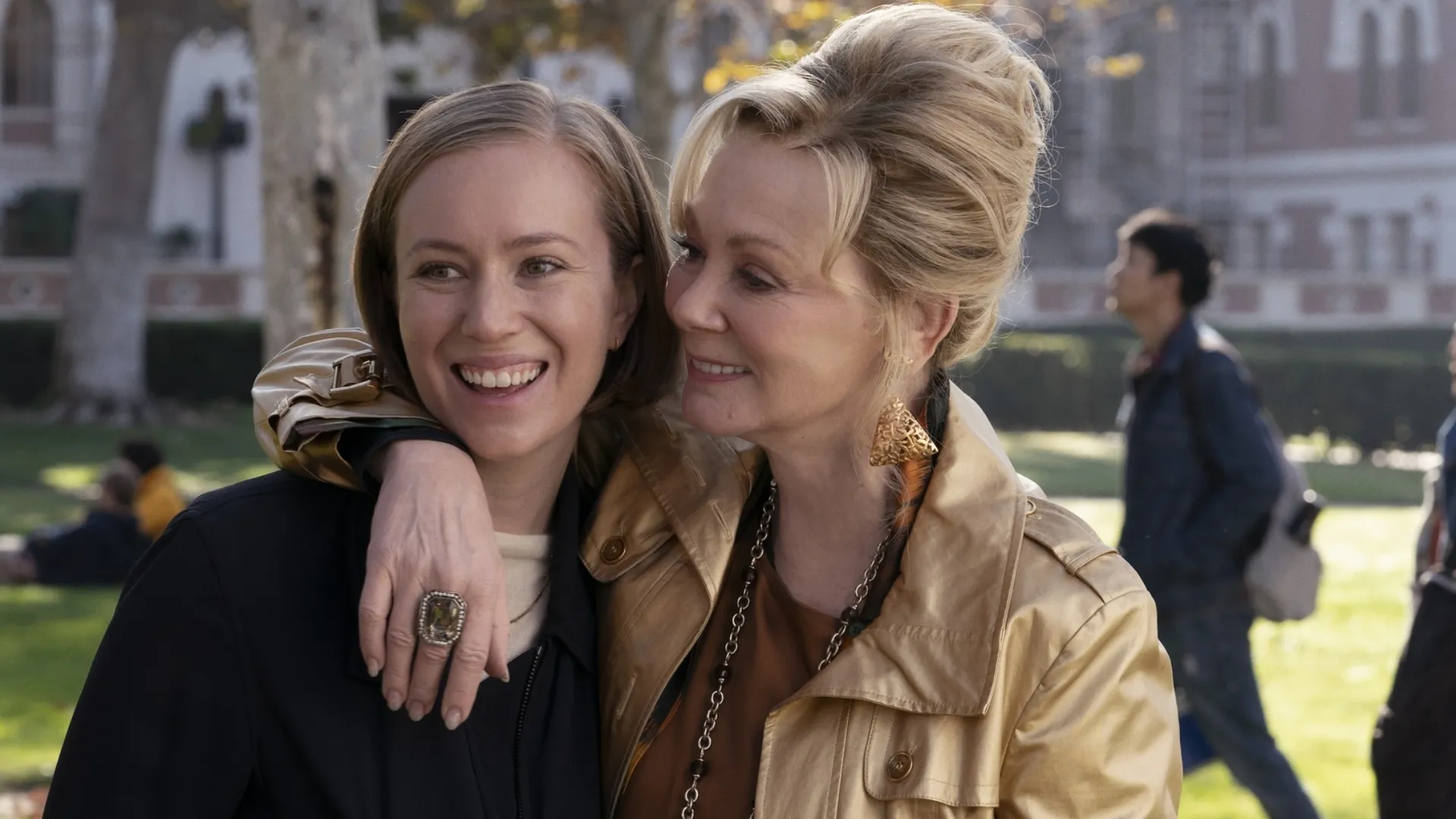
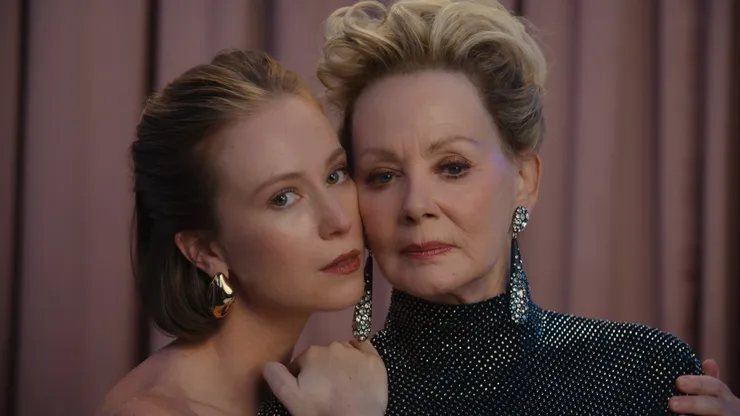
Jean Smart and Hannah Einbinder in Hacks (Source: IMDb)
The story centers on Deborah Vance, a legendary stand-up comedian whose career begins to decline, and Ava, a young comedy writer sent to refresh her material. Their relationship starts as transactional and tense, with generational differences fueling conflict. However, over time, collaboration leads to mutual respect.
As they work together, their professional partnership evolves into an emotionally complex friendship. They confront ambition, insecurity, and vulnerability while shaping each other’s creative paths. The series uses humor and drama to show how unexpected alliances can redefine personal growth.
Girls
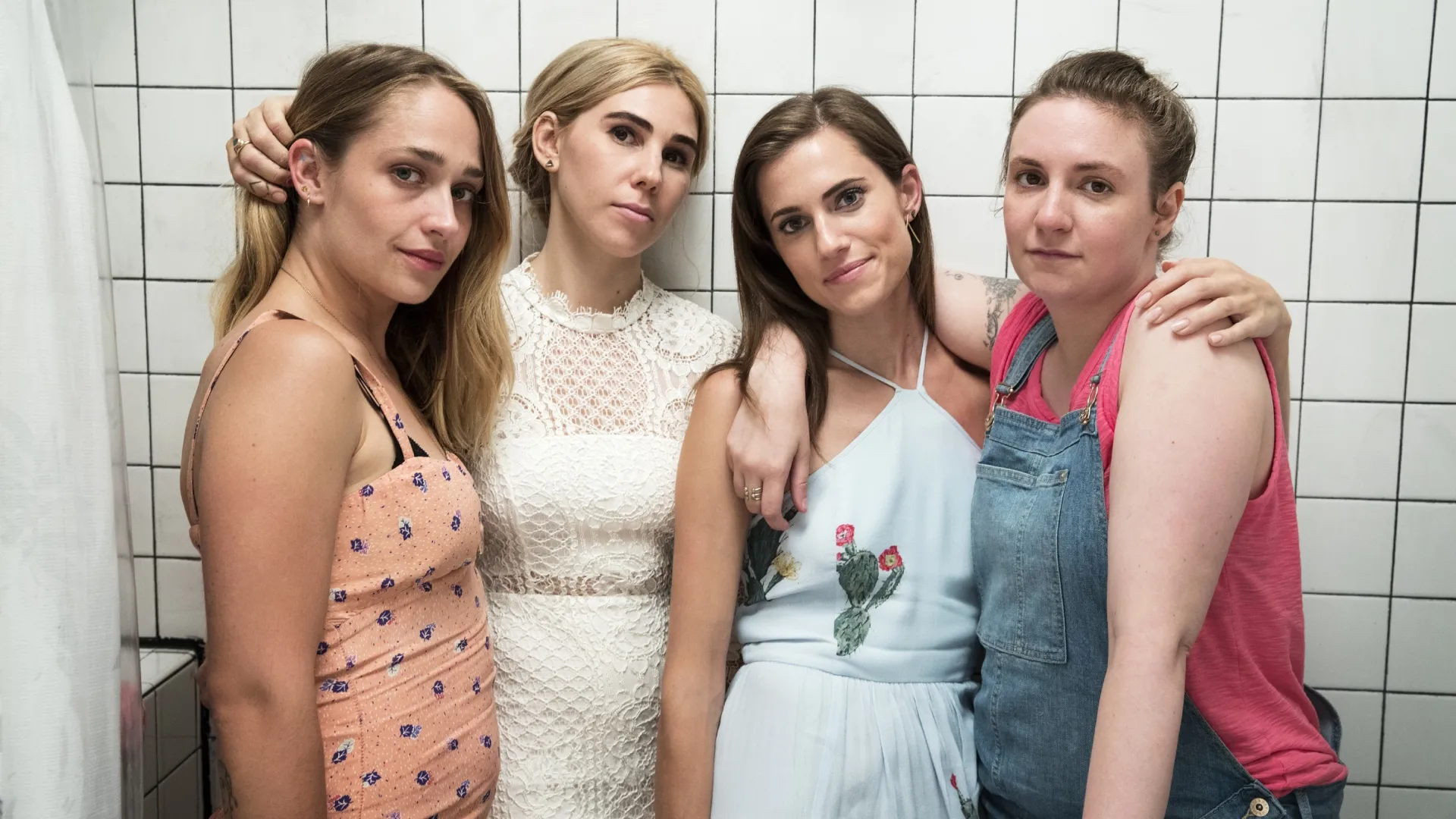
Zosia Mamet, Lena Dunham, Jemima Kirke and Allison Williams in Girls (Source: IMDb)
Created by Lena Dunham, the series follows four young women living in Brooklyn as they navigate early adulthood. The show focuses heavily on personal ambition, romantic relationships, financial instability, and self-discovery. However, their friendship remains central across shifting dynamics.
Their relationships are often messy — marked by jealousy, misunderstandings, and evolving priorities — but they repeatedly return to one another during crises. The series portrays friendship realistically, highlighting how bonds change over time yet continue to provide emotional grounding during uncertain years.
All Her Fault
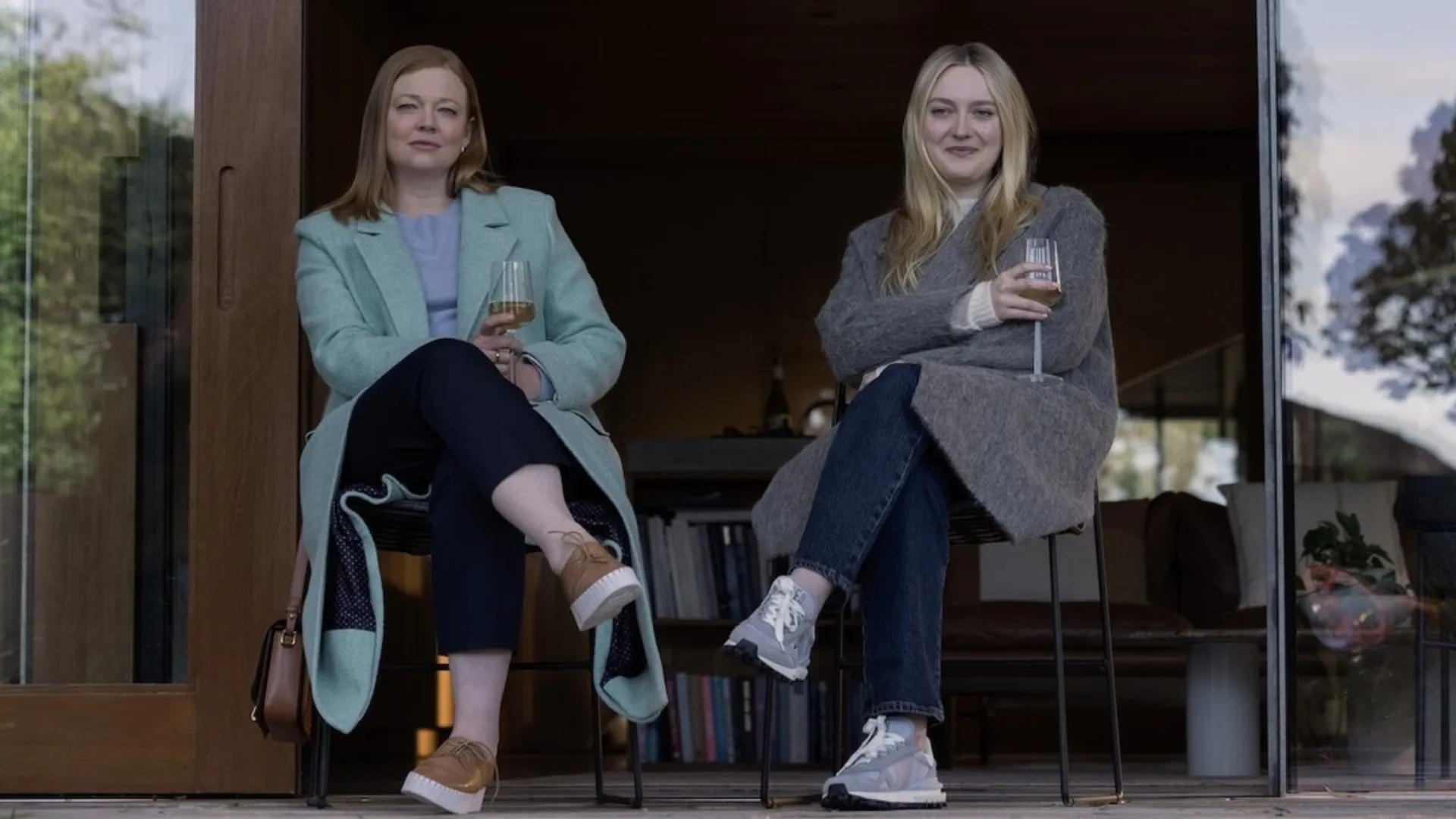
Dakota Fanning and Sarah Snook in All Her Fault (Source: IMDb)
This psychological thriller revolves around a missing child and the unraveling of trust within a suburban community. While the plot centers on mystery and investigation, female relationships play a key role in uncovering truth and managing emotional fallout.
As secrets emerge, alliances shift. The friendships within the community influence suspicion, cooperation, and resilience. The series blends suspense with interpersonal dynamics, demonstrating how bonds between women can shape both perception and resolution in high-stakes situations.
Ponies

Emilia Clarke and Haley Lu Richardson in Ponies (Source: IMDb)
Set within a geopolitical thriller framework, the series follows two women who become involved in covert operations after personal tragedy. Their partnership forms under unusual circumstances, requiring trust as they navigate espionage and institutional pressure.
The relationship between the protagonists evolves into a strategic and emotional alliance. Working together becomes essential to survival, and their friendship deepens as they rely on each other in unpredictable environments. The series highlights loyalty and collaboration within a suspense-driven narrative.