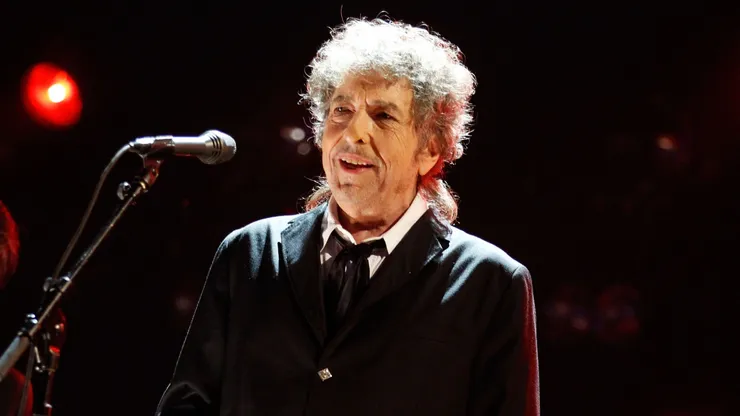
The music world is once again reflecting on the astonishing legacy of Robert Allen Zimmerman. Arriving in New York City during the harsh winter of 1961, the young musician possessed little more than an acoustic guitar, a harmonica, and an encyclopedic knowledge of traditional American roots music. However, within just a few short years, he would completely shatter the strict rules of the folk revival movement, introducing a level of lyrical sophistication that the genre had never previously witnessed.
By pivoting from earnest political anthems to surrealist, deeply personal rock and roll, he alienated purists while simultaneously capturing the imagination of a restless generation.
Arriving in Greenwich Village
When the ambitious teenager relocated from Minnesota to the bustling heart of New York City, he immediately immersed himself in the thriving downtown coffeehouse circuit. He desperately sought out his absolute biggest musical idol, the ailing Woody Guthrie, frequently visiting the legendary singer in the hospital to absorb his rustic wisdom. Drawing heavy inspiration from Guthrie’s working-class ballads, the young artist quickly mastered the traditional acoustic style before beginning to craft his own original compositions. This crucial foundational period firmly established his early reputation as a mesmerizing performer capable of captivating intimate, smoke-filled rooms with nothing but a six-string guitar.
Elevating the Protest Anthem
Before his rapid artistic evolution, the acoustic revival scene heavily relied on straightforward, easily digestible singalongs highlighting social injustice. He completely disrupted this predictable format by injecting rich, highly complex metaphorical imagery into civil rights tracks and anti-war pleas. Instead of simply pointing fingers at corrupt politicians, his brilliant songwriting painted devastatingly bleak, apocalyptic landscapes that resonated deeply with anxious college students. This unprecedented lyrical depth essentially forced his contemporaries to abandon their simplistic rhymes and treat mainstream songwriting as a legitimate, highly respected art form.
The Controversial Electric Shift
By the summer of 1965, the restless visionary had grown incredibly exhausted by the restrictive, purist demands of his most devoted acoustic followers.
Stepping onto the stage at the Newport Folk Festival wielding a Fender Stratocaster, he unleashed a blistering, deafening rock set that completely horrified traditionalists. This legendary, highly polarizing performance effectively burned the bridge between his rootsy past and his wildly experimental future. By courageously alienating his core audience, he officially paved the way for the creation of modern folk-rock, forever merging poetic storytelling with aggressive studio amplification.
Introducing Literary Intellectualism
What truly separated him from the countless other troubadours of his era was his profound, voracious appetite for classic literature and avant-garde poetry. He heavily borrowed the sprawling, stream-of-consciousness techniques championed by Beat Generation authors like Jack Kerouac and Allen Ginsberg, seamlessly weaving them into pop structures.
Suddenly, mainstream radio hits were no longer confined to shallow teenage romance; they were heavily populated by bizarre historical figures, surrealist nightmares, and philosophical debates. He successfully proved that a commercial recording artist could be just as intellectually demanding as a celebrated modern novelist.
Defying Generational Expectations
As the turbulent 1960s progressed, the massive counterculture desperately attempted to crown him as the official, infallible spokesman for their radical political movements. He actively rejected this suffocating idol worship, frequently utilizing his razor-sharp wit to mock journalists who demanded he explain the meaning of the universe. Whenever the public thought they finally understood his creative trajectory, he would abruptly pivot toward a completely unexpected genre, like country or traditional gospel.
This fierce, unwavering commitment to personal artistic freedom is exactly what preserved his mystique and kept his sprawling fan base constantly guessing.
A Nobel-Winning Legacy
Over six decades after he first strummed a chord in a downtown café, his staggering cultural impact remains completely unrivaled in the entertainment industry. His revolutionary approach to crafting lyrics permanently altered the DNA of popular culture, ultimately earning him the prestigious Nobel Prize in Literature in 2016. Even as he prepares to celebrate his eighty-fifth birthday, his relentless touring schedule continues to pack massive theaters and arenas across the globe. He firmly stands as an immortal musical idol who successfully taught the entire world how to carefully listen to the poetry hidden inside a song.