Netflix has a knack for turning mid-winter weekends into collective binge-watching sessions, but “His and Hers” feels different from the usual flash-in-the-pan thriller.
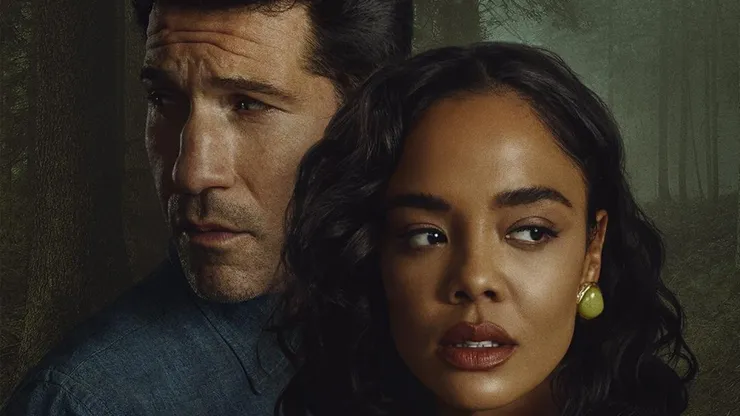
Since dropping on January 8, the six-part adaptation of Alice Feeney’s novel has rocketed to the top of the global charts, fueled by a toxic cocktail of small-town dread and the sheer magnetic friction between stars Tessa Thompson and Jon Bernthal. Set in the humid, claustrophobic air of Dahlonega, Georgia, the series pulls off a rare feat by being both a high-octane whodunit and a deeply uncomfortable look at how the trauma of our teenage years can rot the foundations of our adult lives.
Two Perspectives and One Devastating Truth
The show’s massive success lies in its refusal to offer a reliable narrator, leaning into the central hook that there are always two sides to every story and someone is always lying. As we watch Anna Andrews and Jack Harper—an estranged couple forced into a professional collision by a brutal murder—the tension isn’t just about finding the killer, but about unearthing which of them is hiding the bigger secret. Thompson is brilliant as the brittle, career-driven reporter retreating to a home she clearly hates, while Bernthal brings a weary, muscular sadness to the role of a detective who seems to be investigating his own past as much as the crime scene.
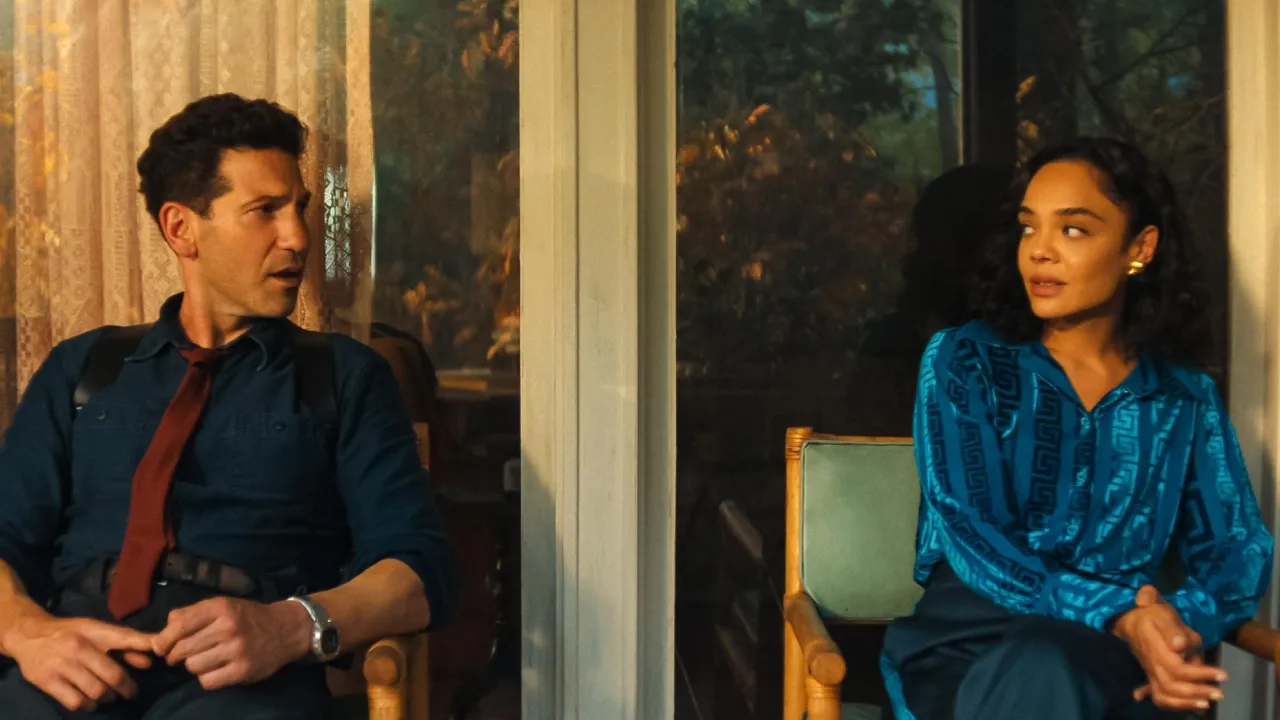
By the time viewers hit the final episodes, the conversation has shifted from a standard police procedural to a full-blown social media frenzy over the series of shocking twists. The latest and last reveal has left audiences reeling because it reframes every interaction from the first five hours. It is the kind of “did that really just happen?” moment that demands an immediate rewatch, proving why the show has become the undisputed water-cooler topic of early 2026.
While some critics have called the plot overcomplicated, the sheer momentum of the storytelling makes it almost impossible to turn off. It is a polished, moody, and ultimately heartbreaking puzzle that reminds us why we’re still so obsessed with stories about the dark things people do for the ones they love.