
Steven Spielberg’s return to alien science fiction with Disclosure Day feels less like a comeback and more like a continuation of a long conversation he helped define. His films have treated extraterrestrial contact not just as spectacle, but as a mirror for fear, wonder, and human curiosity, shaping how modern cinema imagines the unknown.
That same sensibility runs through a select group of sci-fi alien films that favor atmosphere over invasion counts, tension over explosions. These stories linger on first contact, quiet dread, and cosmic awe, echoing a tradition where the arrival from the skies says as much about humanity as it does about what lies beyond.
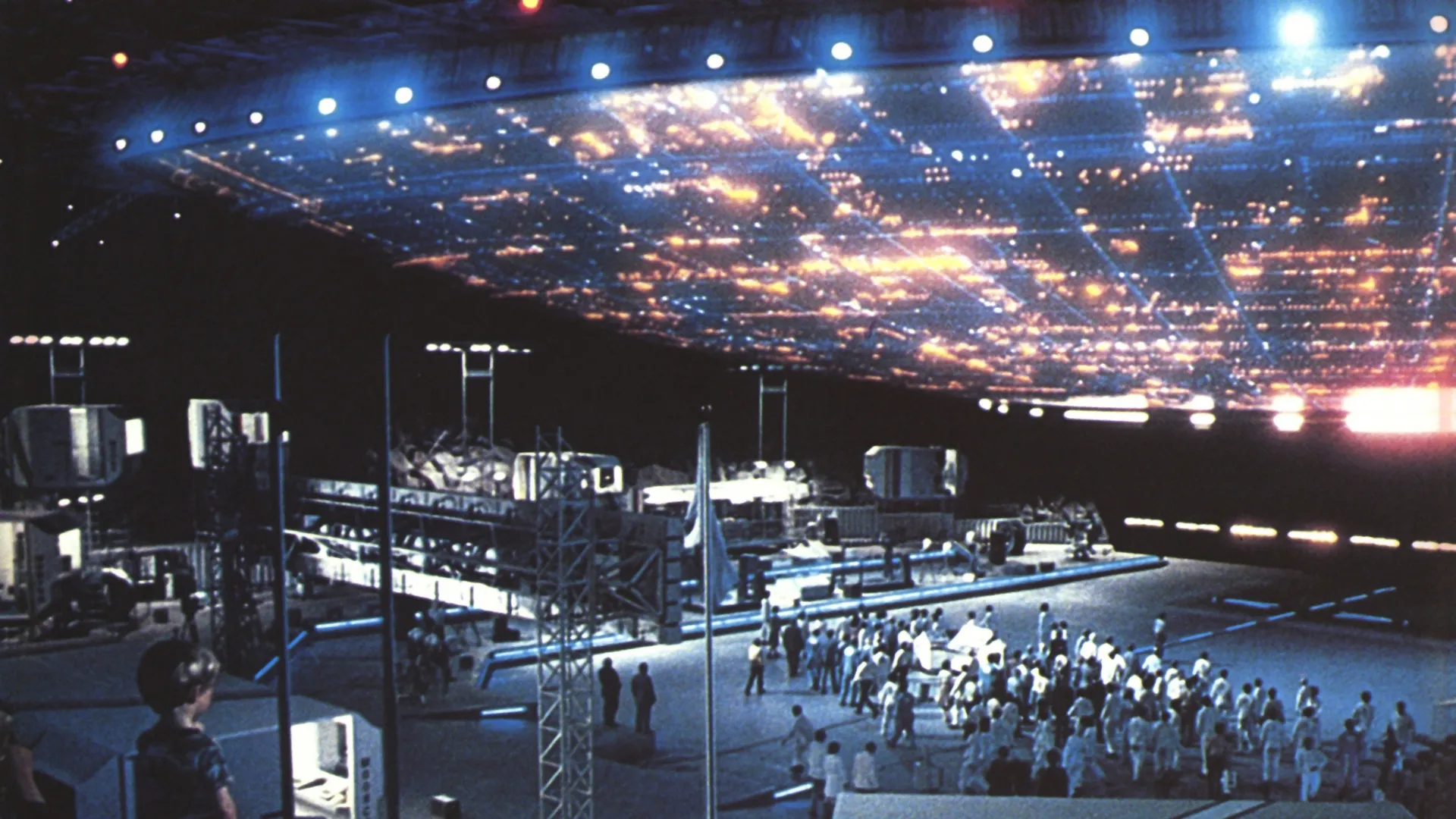
Close Encounters of the Third Kind (1977)
(Source: IMDb)
The undisputed North Star for Disclosure Day. Spielberg’s own masterpiece shifted the alien narrative from “us vs. them” to a spiritual pilgrimage. It’s a film where the arrival of the extraterrestrial is treated as a musical conversation and a visual baptism, stripping away the military industrial complex in favor of a father’s obsessive, mountain-shaped dream.
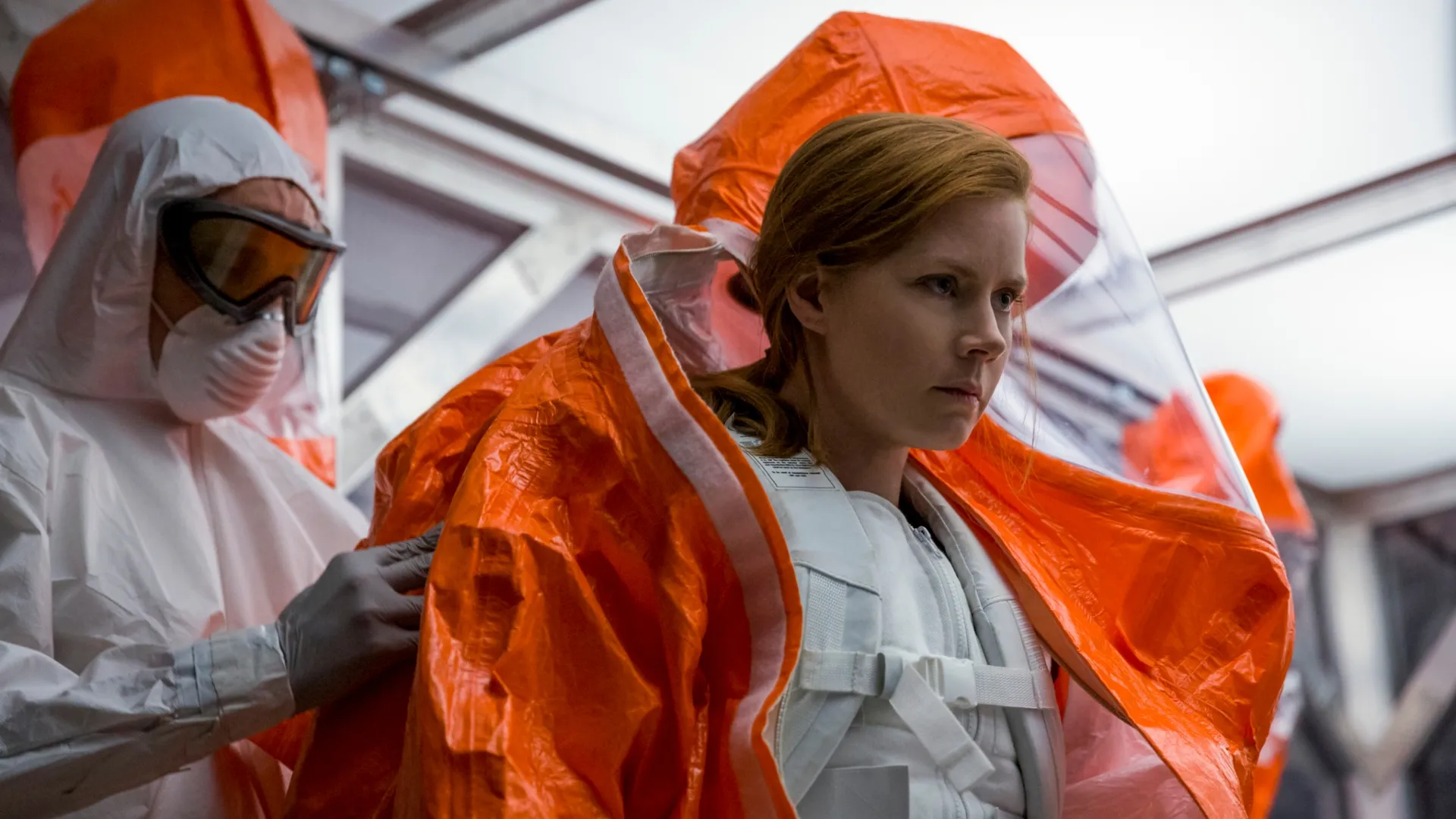
Arrival (2016)
(Source: IMDb)
If Disclosure Day leans into the intellectual weight of first contact, Denis Villeneuve’s Arrival is its modern blueprint. By treating language as a weapon and a gift, the film mirrors the “non-hostile” curiosity of the best sci-fi. It suggests that the greatest challenge of meeting another species isn’t surviving their weapons, but understanding their concept of time.
Contact (1997)

(Source: IMDb)
Based on Carl Sagan’s prose, this film is a masterclass in the “slow burn” of disclosure. Robert Zemeckis captures the friction between science, faith, and politics. It treats the signal from the stars not as a threat, but as a mirror reflecting Earth’s own inability to agree on the divine, anchored by a search for truth that feels deeply personal.
The Day the Earth Stood Still (1951)

(Source: IMDb)
Long before the CGI spectacles, Robert Wise used an alien visitor to hold a mirror to a nuclear-obsessed humanity. Klaatu isn’t an invader; he is a celestial diplomat offering an ultimatum. Its inclusion is vital for any “Disclosure” discussion, as it established the trope of the alien as a sophisticated, moral arbiter of human progress.
Midnight Special (2016)

(Source: IMDb)
A hidden gem that captures the “Amblin” spirit—the sense of a chase through the American heartland. Jeff Nichols crafts a story where the supernatural is grounded in the grit of motels and highways. It’s a film about the sacrifice required to let go of something we don’t fully understand, echoing the emotional stakes of E.T. or Starman.
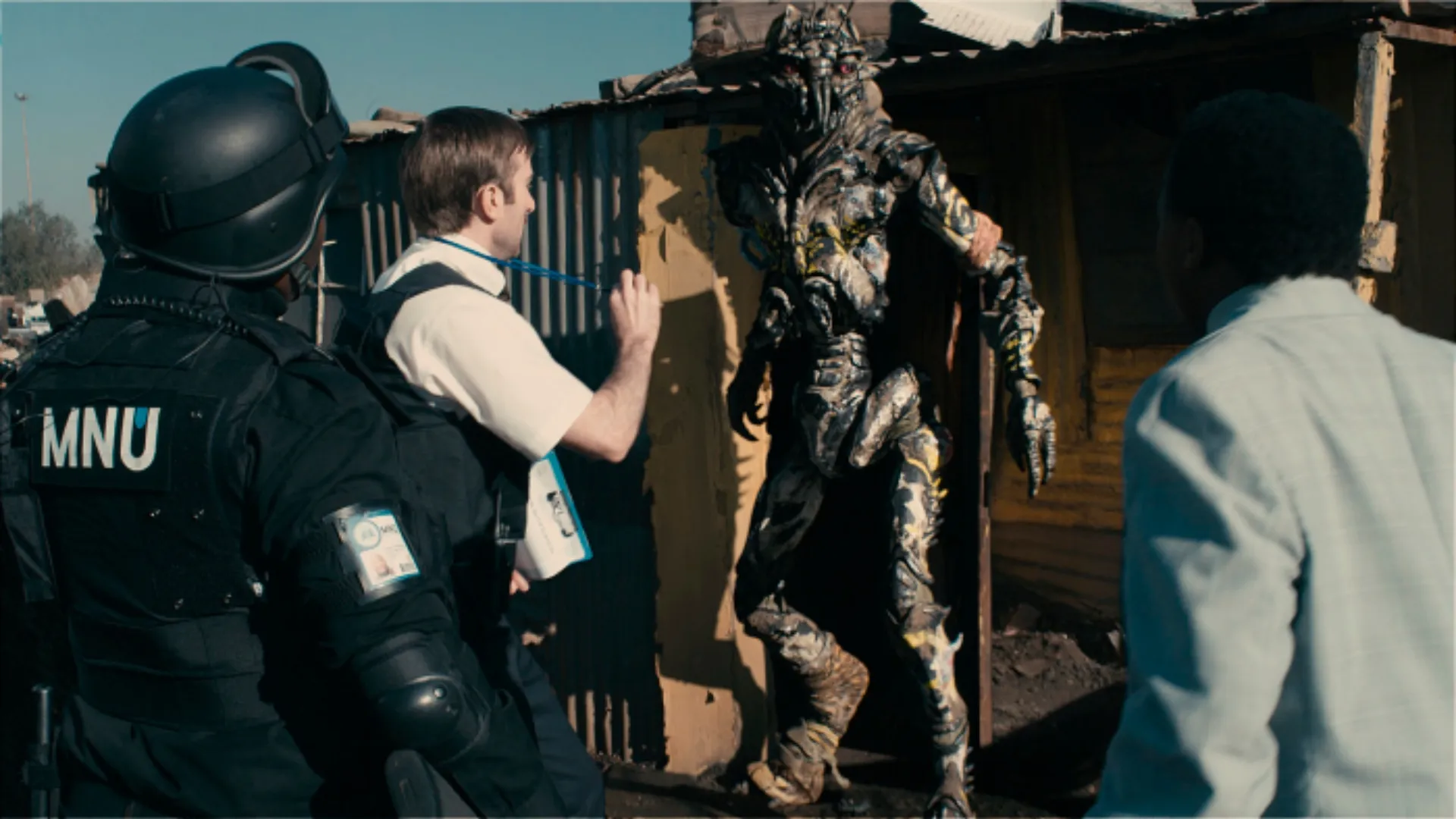
District 9 (2009)
(Source: IMDb)
While more visceral than Spielberg’s typical fare, Neill Blomkamp’s debut is the gold standard for “realistic” disclosure. It explores the bureaucratic nightmare of an alien arrival, where the “Other” isn’t a god or a monster, but a refugee. It’s a gritty, handheld look at how humanity would likely handle a literal “Disclosure Day”: with paperwork and prejudice.
Starman (1984)

(Source: IMDb)
John Carpenter stepped away from horror to create this soulful road movie. It’s the story of an alien learning to be human through grief and love. Like Spielberg’s most touching work, it finds the cosmic in the mundane—a diner, a car, a map—reminding us that the most alien thing to a visitor might be our capacity for kindness.
Under the Skin (2013)

(Source: IMDb)
For a more avant-garde take on the “vein” of disclosure, Jonathan Glazer’s film observes humanity from the outside in. It’s a haunting, sensory experience that strips away the spectacle to focus on the raw, often terrifying experience of inhabiting a human body. It represents the “High-Sci-Fi” fringe of the genre that Disclosure Day may touch upon.
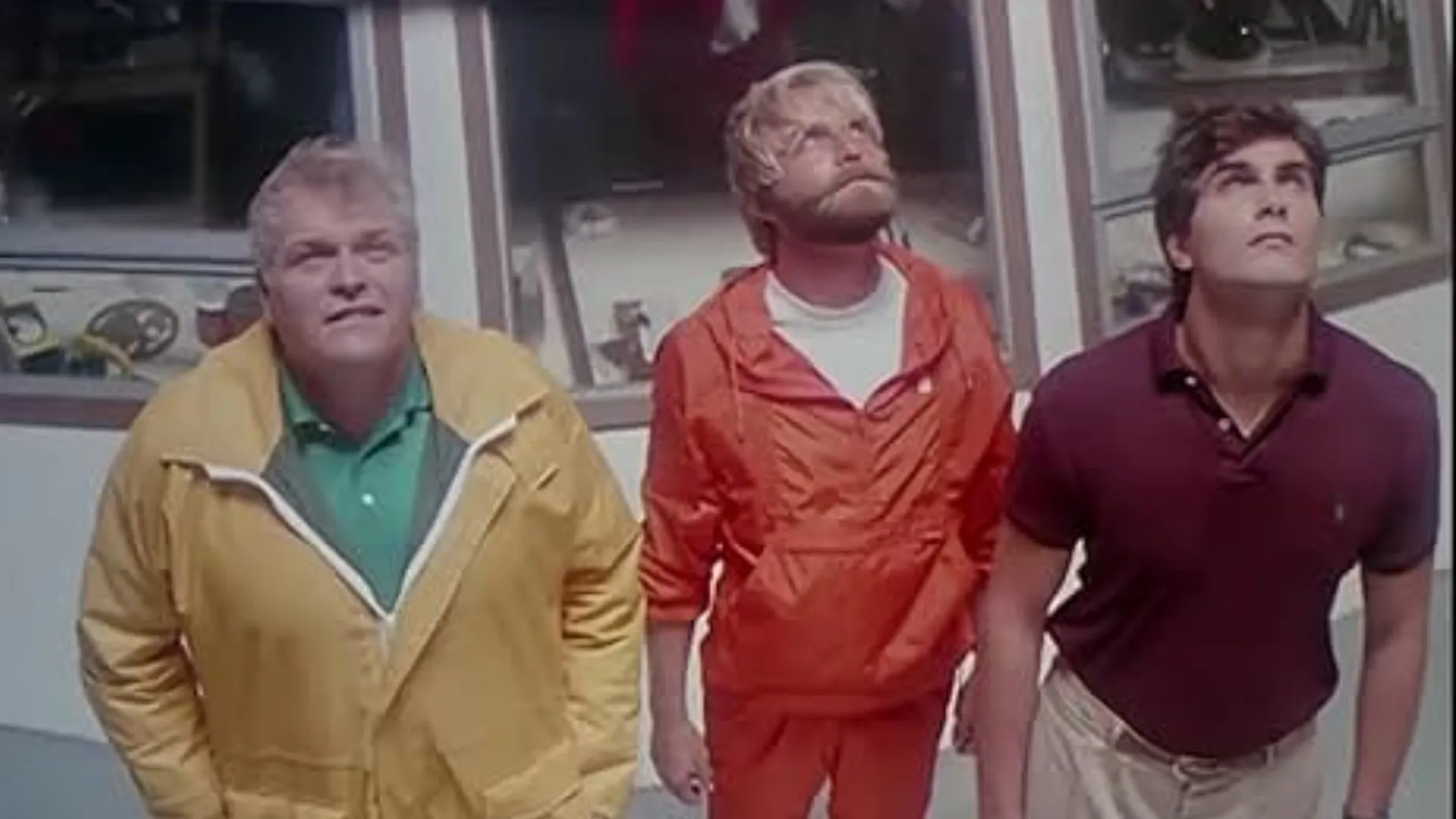
Cocoon (1985)
(Source: IMDb)
Ron Howard’s fable about the fountain of youth via extraterrestrial intervention captures the “hopeful” side of the genre. It’s a story where the alien presence offers a reprieve from mortality. It shares that 80s warmth where the stars represent a second chance, a theme Spielberg has returned to time and again throughout his career.
The Abyss (1989)
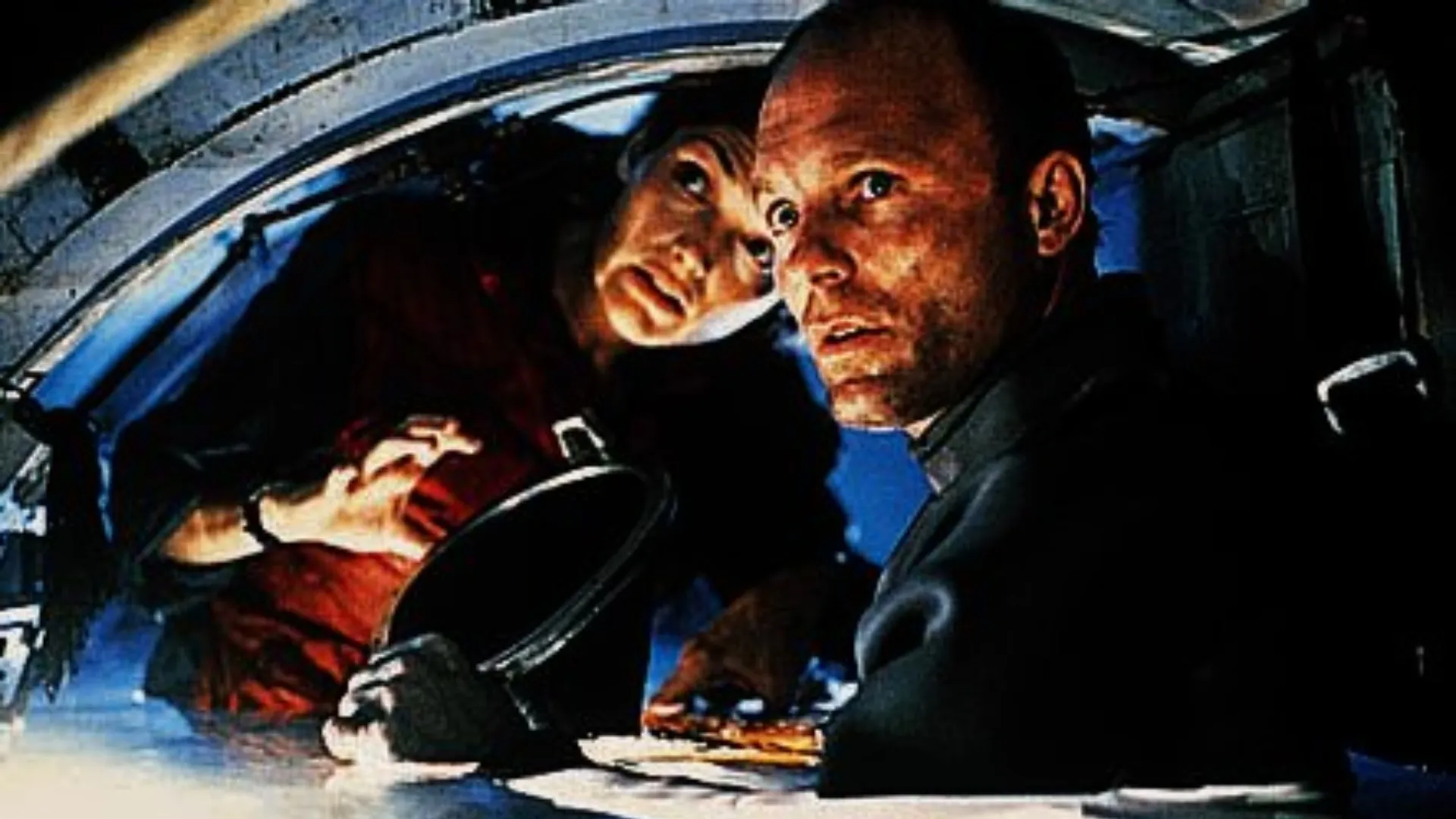
(Source: IMDb)
James Cameron’s underwater epic is essentially “Close Encounters in the Deep.” It focuses on the awe of discovering a non-human intelligence that has been here all along. The film’s focus on the emotional connection between the protagonists as the world teeters on the edge of a global reveal makes it a perfect thematic sibling to a story about a “Day of Disclosure”.