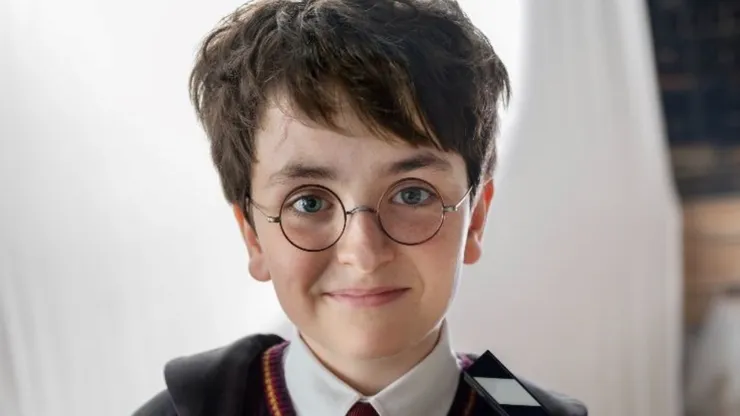
The first footage from HBO’s upcoming “Harry Potter” series has arrived, offering audiences a familiar return to Privet Drive, Platform 9¾, and the halls of Hogwarts—but with a noticeably different intent.
Following the trailer’s release, much of the conversation has centered on a simple question: why revisit a story already told across eight blockbuster films? The preview retraces Harry’s earliest moments, from life under the stairs to his first encounter with the wizarding world, signaling a deliberate return to the beginning.
A Different Format, a Different Storytelling Ambition
At the core of HBO’s answer is format. Where the original film franchise compressed seven novels into eight features, the new series is structured as a long-term project expected to span roughly a decade, with each season dedicated to a single book. That expanded runtime allows for a more detailed approach to character arcs and narrative threads that were previously streamlined or omitted for theatrical pacing.
The trailer itself leans into that familiarity while hinting at scale. It revisits key beats—Harry meeting Hagrid, boarding the Hogwarts Express, and encountering Ron and Hermione—but positions them within a broader, serialized framework. The intention is not to reintroduce the story in abbreviated form, but to unfold it with the kind of narrative patience television now allows.
The shift also opens the door to material that never made it into the pictures. Subplots involving secondary characters, deeper looks into Hogwarts life, and elements of the wider wizarding world are expected to play a larger role. Storylines such as Hermione’s activism or expanded glimpses into families like the Malfoys are among the areas that benefit from the longer format.
Casting underscores the reset. A completely new ensemble led by Dominic McLaughlin, Alastair Stout, and Arabella Stanton steps into roles long associated with the original film actors, joined by performers like John Lithgow, Janet McTeer, Paapa Essiedu, and Nick Frost.
Beyond narrative and casting, the production reflects contemporary television standards. Updated visual effects, a newly composed score by Hans Zimmer and his music company, and a production designed for long-form storytelling distinguish it from the early-2000s movies.
Rather than extending the existing franchise timeline, HBO’s series positions itself as a comprehensive reinterpretation—one built to align more closely with the structure and detail of J.K. Rowling’s books while reintroducing the story to a new generation of viewers.