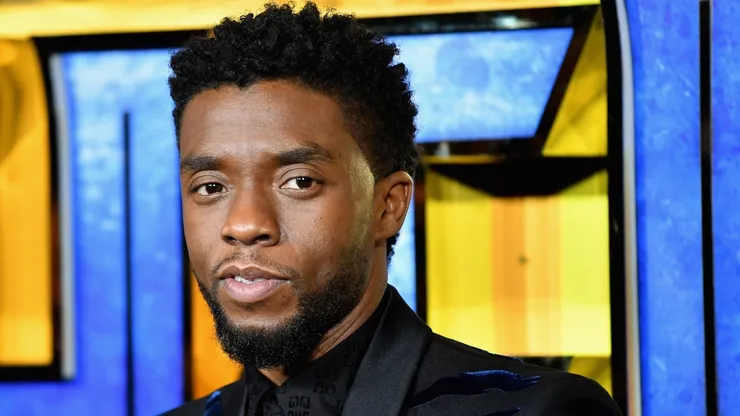
These ten actors left behind unforgettable characters, remarkable careers, and a lasting influence on audiences across generations. Their deaths were more than headline news because they marked the end of eras that many fans still miss today.
Phillip Seymour Hoffman
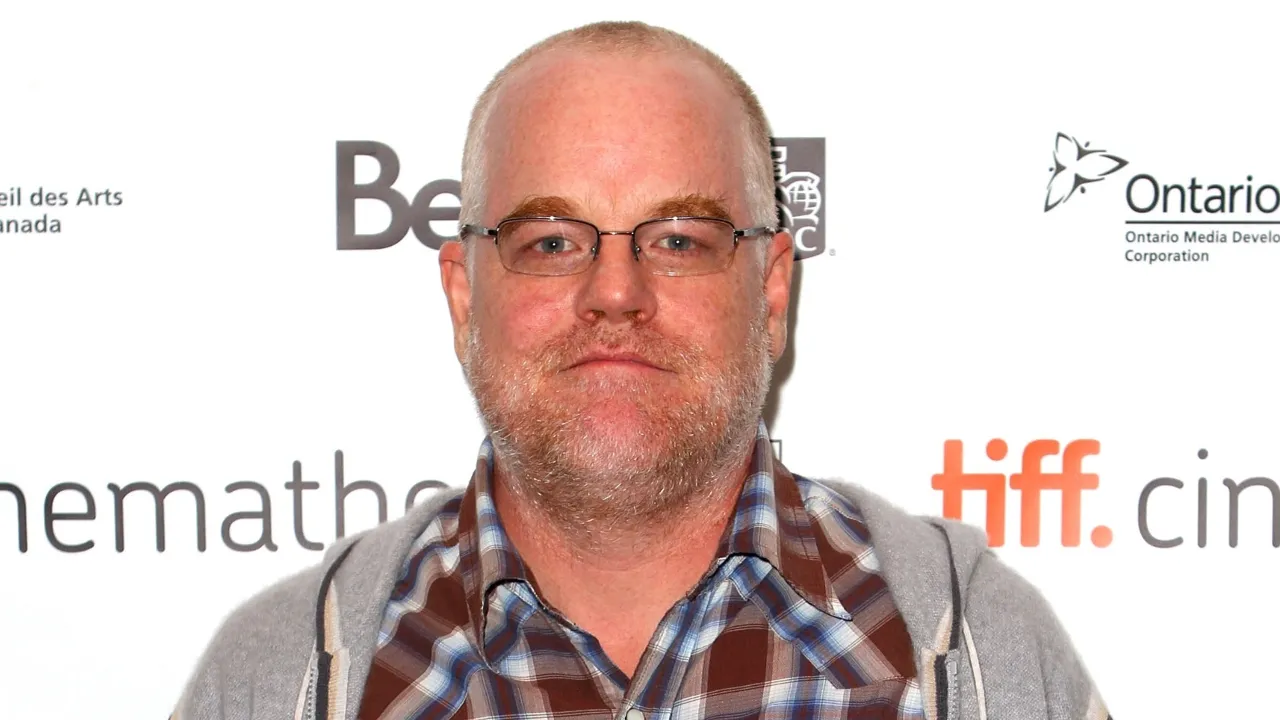
Source: Joe Scarnici/Getty Images
Few actors possessed the chameleon-like gravity of Phillip Seymour Hoffman, a performer who could transform from a flamboyant socialite to a quietly desperate lonely soul with unsettling ease. His passing in 2014 from an accidental overdose robbed the industry of its most reliable anchor for complex, intellectual drama.
Whether he was commanding the screen in “Capote” or providing the moral friction in “The Master,” Hoffman’s presence suggested a depth of human understanding that feels increasingly rare in the modern cinematic landscape.
Robin Williams
The world felt a collective shudder of disbelief in 2014 when the man who had personified pure, manic joy was lost to suicide following a grueling battle with Lewy Body Dementia. Robin Williams wasn’t just a comedian; he was a cultural therapist who used his lightning-fast wit and immense empathy to bridge the gap between slapstick and profound sorrow.
From the inspirational mentorship of “Dead Poets Society” to the Oscar-winning depth of “Good Will Hunting,” his absence remains a permanent quiet in a room that used to be filled with laughter.
Anton Yelchin
The freak accident that claimed Anton Yelchin’s life in 2016 felt particularly cruel because of the immense, untapped potential he still carried. Known for his soulful eyes and an intellectual curiosity that bled into roles like Chekov in “Star Trek” and the lead in “Green Room,” Yelchin represented the future of indie and blockbuster cinema alike.
He moved through his characters with a nervous, brilliant energy, and his death served as a jarring reminder of how swiftly a rising star can be extinguished just as they are reaching their zenith.
River Phoenix
Decades have passed since River Phoenix collapsed outside The Viper Room in 1993, yet his image remains frozen in time as the ultimate symbol of lost youth and artistic purity. He was the definitive actor of his generation, bringing a raw, pacifist sensitivity to the screen that predated the modern sensitive leading man trope by years.
Watching films like “Stand by Me” or “My Own Private Idaho” today is a haunting experience, as his performance radiates a maturity and a yearning that makes his early departure feel like a permanent literary tragedy.
John Candy
John Candy occupied a space in the public heart that was purely affectionate, making his 1994 death on a film set in Mexico feel like losing a beloved family member. He was the everyman of the 1980s and 90s comedy scene, a star whose physical comedy was always underpinned by a genuine, sweet-natured vulnerability.
From the chaotic warmth of “Planes, Trains and Automobiles” to the gentle humor of “Uncle Buck,” Candy’s legacy is one of kindness, and the comedy world has struggled to find a successor who carries that same effortless, unpretentious grace.
Heath Ledger
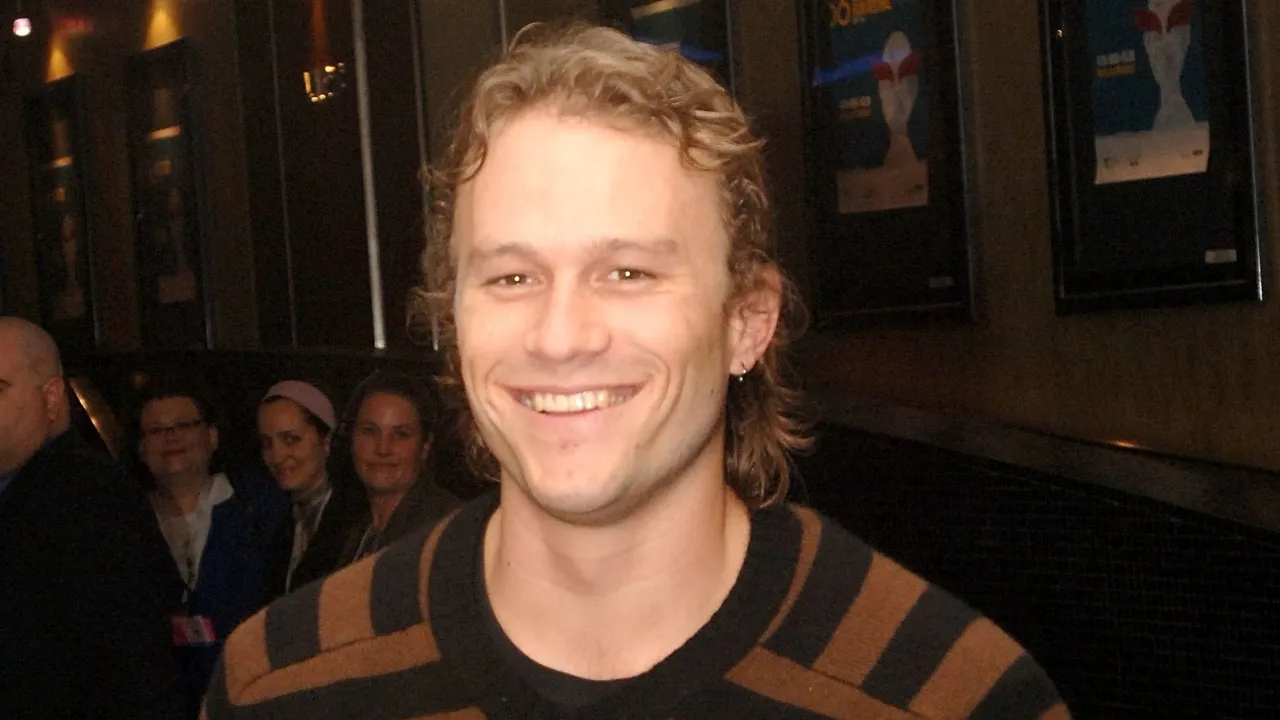
Source: Darryl James/Getty Images
The cultural impact of Heath Ledger’s death in 2008 remains one of the most significant shifts in Hollywood history, occurring right as he redefined the limits of the superhero genre. His posthumous Oscar win for “The Dark Knight” cemented his status as a legendary talent, but it also cast a shadow over a career that was just beginning to pivot into directing and more avant-garde work.
We didn’t just lose a brilliant performer; we lost the chance to see how one of the era’s most daring creative minds would have continued to dismantle the concept of the movie star.
Chadwick Boseman
Chadwick Boseman’s passing in 2020 was a shock that transcended the film industry, largely because he had spent his final years becoming a symbol of strength while secretly battling stage IV colon cancer. By portraying icons like Jackie Robinson, James Brown, and T’Challa, he became a beacon of dignity on a global scale.
The grace with which he carried his illness, while delivering career-defining performances, turned his death into a moment of international mourning and a testament to the power of artistic purpose.
John Cazale
It is a staggering statistical anomaly that every feature film John Cazale appeared in was nominated for the Academy Award for Best Picture, a streak cut short by his death from lung cancer at age 42. Though he never lived to see the full breadth of his influence, his work in “The Godfather” and “Dog Day Afternoon” established him as the ultimate actor’s actor.
Cazale didn’t need the spotlight; he was the quiet, intense engine that made his co-stars like Al Pacino and Robert De Niro shine brighter, leaving behind a flawless but painfully brief filmography.
Rob Reiner
While most knew him as a legendary director, the passing of Rob Reiner in late 2025 marked the end of a multi-generational creative dynasty that spanned from “All in the Family” to the pinnacle of 1980s filmmaking.
His transition from television icon to the visionary behind “The Princess Bride” and “When Harry Met Sally” showcased a rare ability to understand the human heart across different mediums. Reiner’s death feels like the closing of a chapter on a specific era of American storytelling where wit and warmth were the primary currency.
Michael K. Williams
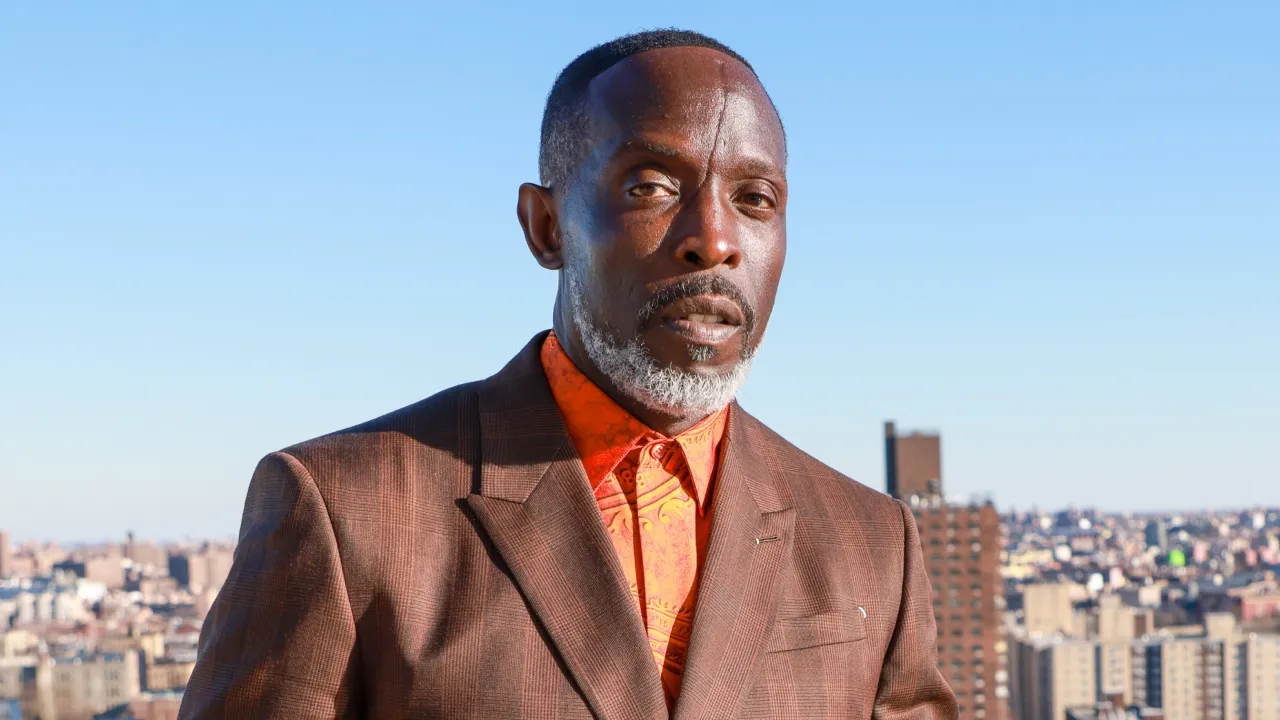
Source: Arturo Holmes/Getty Images for ABA
When Michael K. Williams died in 2021, the world lost an actor who specialized in finding the soul within the tough guy archetype, most notably as the whistling Omar Little on “The Wire.” He possessed a singular ability to use his physical presence to project a mixture of menace and profound sensitivity.
Beyond the screen, he was deeply involved in philanthropy, activism, and service work, and his loss left a void in the industry for performers who can bridge the gap between the gritty reality of the streets and the high art of prestige television.