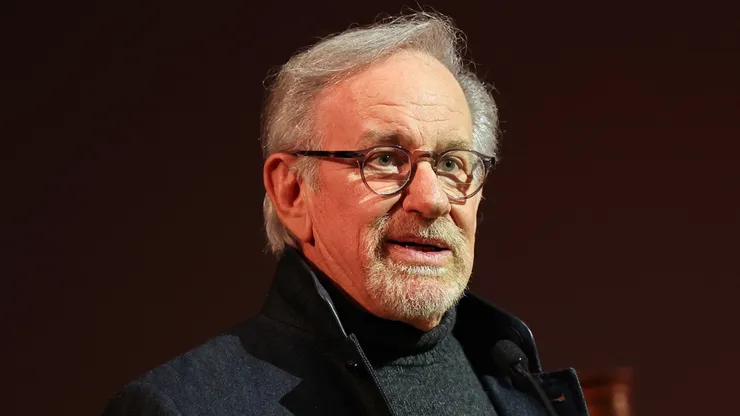
According to Variety, the filmmaker drew a sharp distinction between using technology as a production aid and allowing it to replace creative instincts at the center of storytelling.
Steven Spielberg Says AI Cannot Replace Human Creativity
Spielberg acknowledged that artificial intelligence could become useful in certain corners of filmmaking, particularly in technical or logistical work that consumes time behind the scenes. He pointed to tasks like location scouting as examples where AI could eventually “save us a lot of legwork,” but he made clear the line ends when machines begin steering artistic decisions.
“Where I don’t love AI is where it takes a position or there’s an empty chair at a writer’s table,” Spielberg said while discussing the industry’s rapid embrace of the technology. The director also rejected the idea that artificial intelligence could ever replicate emotional intuition in storytelling. “I don’t believe there is any substitute for the soul.”
The Oscar winner framed his concerns around authorship and creative control, insisting he has no interest in allowing software to dictate the emotional language of a film. “Don’t tell me how to write my dialogue for this character. Don’t tell me where the camera has to go. And also don’t tell me what the set should look like,” he said, before adding that AI should remain “a tool in a large tool chest” rather than the voice making final creative calls.
The comments arrive while Spielberg is promoting “Disclosure Day,” his upcoming UFO conspiracy thriller starring Emily Blunt, Josh O’Connor, Colin Firth, Eve Hewson, and Colman Domingo. The film, written by frequent Spielberg collaborator David Koepp, centers on a whistleblower uncovering a massive government conspiracy tied to alien disclosure.
Even while discussing the future of technology, Spielberg repeatedly returned to the same idea throughout the conversation: filmmaking, in his view, still depends on human emotion over automation. “Use AI as a tool, but do not use AI as the final word on anything creative,” he said. “That’s where I draw the line.”