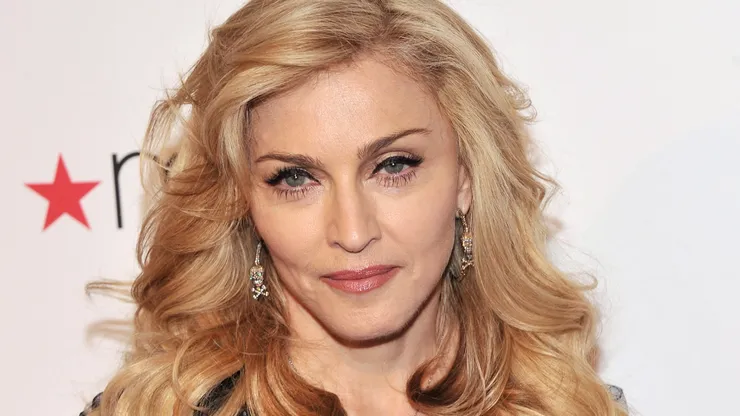
From her radical visual transformations to her total ownership of her image and business, she laid the structural foundation upon which four decades of pop music have been built.
Yet when Madonna Louise Ciccone arrived in New York City in the late 1970s, she did not invent her street-smart defiance out of thin air. She was an attentive student of the downtown music scene, watching a select group of women who had just cracked open the doors of a hostile, male-dominated rock establishment. Chief among them were Debbie Harry of Blondie and Chrissie Hynde of The Pretenders.
Madonna has never hidden that debt. In early career conversations, she highlighted Hynde’s “gutsy” authority and praised Harry as a vital catalyst for her own early songwriting ambitions. Decades later, during her blistering 2016 speech at the Billboard Women in Music event, she reiterated that lineage: “I was of course inspired by Debbie Harry and Chrissie Hynde and Aretha Franklin… They made me think there were no rules.”
To understand how Madonna became the ultimate pop sovereign, one must examine what she absorbed from these two late-1970s trailblazers—and how she synthesized their subversiveness into a global empire.
1. Debbie Harry: Weaponized Glamour and the Dance-Punk Nexus
Before Blondie broke through globally with 1978’s Parallel Lines, female lead singers in rock were generally pushed into one of two categories: the earthy, blues-rock belter (Janis Joplin) or the ethereal folk poet (Joni Mitchell). Debbie Harry introduced a radical third option: the ice-cool, cinematic blonde bombshell who was smarter, tougher, and more ironic than the audience gazing at her.
Madonna absorbed several crucial lessons from Harry’s art-school punk execution:
- Subversive Sexuality: Harry took the classic Hollywood screen-siren aesthetic (inspired by Marilyn Monroe and Jean Harlow) and stripped it of its passivity. She wore thrift-store dresses and thigh-high boots, projecting an unbothered, knowing sneer that made it clear she was in on the joke. Madonna took this concept of self-directed objectification and amplified it, turning Harry’s cool detachment into an overt, unapologetic celebration of female sexual agency.
- Bridging the Underground to the Dancefloor: Blondie was rooted in the gritty, guitar-heavy CBGB scene, but Harry and guitarist Chris Stein recognized the genius of New York dance floors, recording the disco-infused hit “Heart of Glass” and introducing mainstream audiences to hip-hop with “Rapture.” Madonna adopted that exact genre-fluidity, taking the gritty energy of Manhattan’s Danceteria and the Mudd Club and translating it into radio-ready dance-pop.
- Camera Literacy: Harry was one of the first rock singers to treat the camera as an equal partner rather than a passive recorder, understanding how lighting, video framing, and fashion could elevate a four-minute pop song into visual mythology. Madonna inherited this precise visual literacy, arriving just in time to master the MTV video era.
2. Chrissie Hynde: Uncompromising Autonomy and Frontwoman Authority
If Debbie Harry offered a masterclass in subverting glamour, Chrissie Hynde offered a lesson in pure, unvarnished authority. As the singer, primary songwriter, and rhythm guitarist for The Pretenders, the Akron, Ohio native emerged from the London punk scene with a razor-sharp Fender Telecaster and an utter refusal to apologize for taking up space.
From Hynde, Madonna learned how to project an ironclad, non-negotiable frontwoman presence:
- Street-Smart Armor: Hynde’s signature look—black leather jackets, heavy eyeliner, straight-cut jeans, and a bowl cut—was a direct rejection of the hyper-feminized, pastel expectations placed on female musicians in the late 1970s. She looked like someone who could out-write, out-play, and out-fight anyone in the room. Madonna adopted that same tough, outer-borough armor early in her career, pairing leather jackets, lace, and heavy boots to project a physical toughness that signaled she was not to be toyed with.
- Lyricism Without Victimhood: Hynde’s songwriting on classics like “Brass in Pocket” and “Tattooed Love Boys” navigated romance, desire, and heartbreak without ever slipping into helplessness. She sang about swagger, control, and emotional survival with a dry, swaggering contralto. Madonna picked up this exact narrative posture: even in her most vulnerable ballads (“Live to Tell,” “Bad Girl”), her protagonists remain self-aware, resilient, and in possession of their own destiny.
- Bandleader Authority: Hynde was not a frontwoman hired to sing someone else’s arrangements; she ran The Pretenders with an exacting ear and total creative control. Madonna took that insistence on absolute authority and applied it to every aspect of her brand—from songwriting and publishing rights to stage production and corporate negotiation.
What makes Madonna’s legacy so formidable is not that she mimicked her predecessors, but that she synthesized their distinct attributes into an unprecedented pop blueprint.
She fused Debbie Harry’s high-concept visual irony and genre-crossing dance sensibilities with Chrissie Hynde’s uncompromising, leather-clad street toughness. Where Harry operated with a cool, deadpan wink and Hynde with rock-and-roll defiance, Madonna scaled those attitudes up to match the stadium-sized ambition of the 1980s and beyond.
As Madonna marks another milestone in a career defined by longevity, her place in the musical continuum is clear. She did not break down the doors of the music industry alone; she built her empire on the bedrock paved by women like Harry and Hynde. In doing so, she ensured that future generations of female artists wouldn’t just have a seat at the table—they would own the room.