The Nine-Year Franchise Monopoly
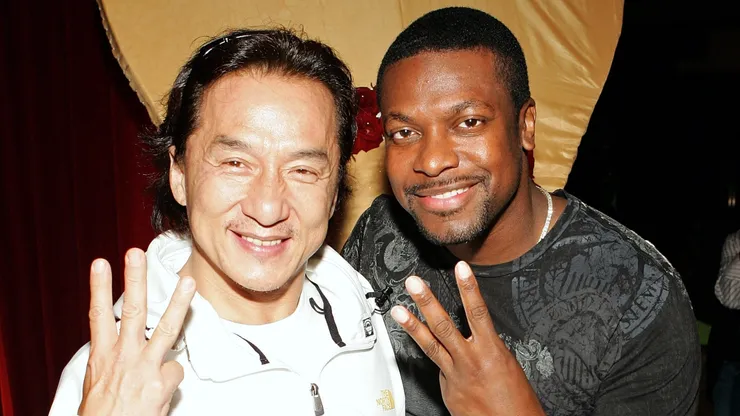
Following a scorching-hot 1997 streak that saw him star in The Fifth Element, Money Talks, and Quentin Tarantino’s Jackie Brown, Tucker took on the role of LAPD Detective James Carter in 1998’s Rush Hour. The action-comedy co-starring Jackie Chan grossed over $240 million globally, turning Tucker into a marquee powerhouse overnight.
Rather than capitalizing on the wave by signing onto standard studio comedies, Tucker went on an unprecedented nine-year stretch where his entire theatrical filmography consisted of just three movies:
- Rush Hour (1998): The original blockbuster that established his electric dynamic with Jackie Chan.
- Rush Hour 2 (2001): Released three years later, the sequel grossed $347 million worldwide, cementing the duo as box-office royalty.
- Rush Hour 3 (2007): Arriving after a six-year break from movie screens, the installment earned Tucker a historic $25 million paycheck—making him the highest-paid actor in Hollywood at the time.
Quality, Faith, and Freedom
Tucker’s decision to avoid Hollywood oversaturation came down to a deliberate mix of personal values and financial independence:
Following a renewed commitment to his Christian faith in the late ’90s, Tucker grew hyper-selective about scripts, turning down multimillion-dollar offers for roles that relied on heavy profanity or themes he no longer felt comfortable performing.
Because his Rush Hour contracts secured monumental upfront salaries and backend points, Tucker possessed the rare luxury of financial freedom, freeing him from taking jobs simply to stay working.
During his years away from movie sets, Tucker returned to his roots, touring globally as a headlining stand-up comedian and dedicating time to international philanthropic causes.
When he finally broke his non-Rush Hour hiatus with 2012’s Oscar-nominated Silver Linings Playbook, critics universally praised his return—proving that stepping away from the Hollywood machine only heightened his enduring movie-star appeal.