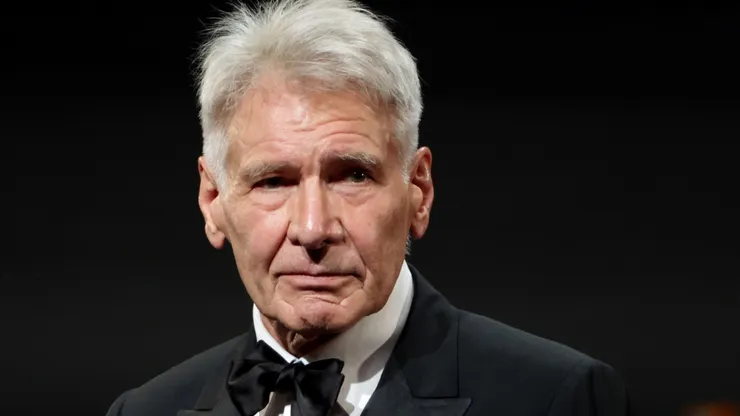
From being discovered in unexpected places to overcoming incredible odds, these ten journeys to stardom are every bit as dramatic as the movies and shows that made them famous.
Danny Trejo
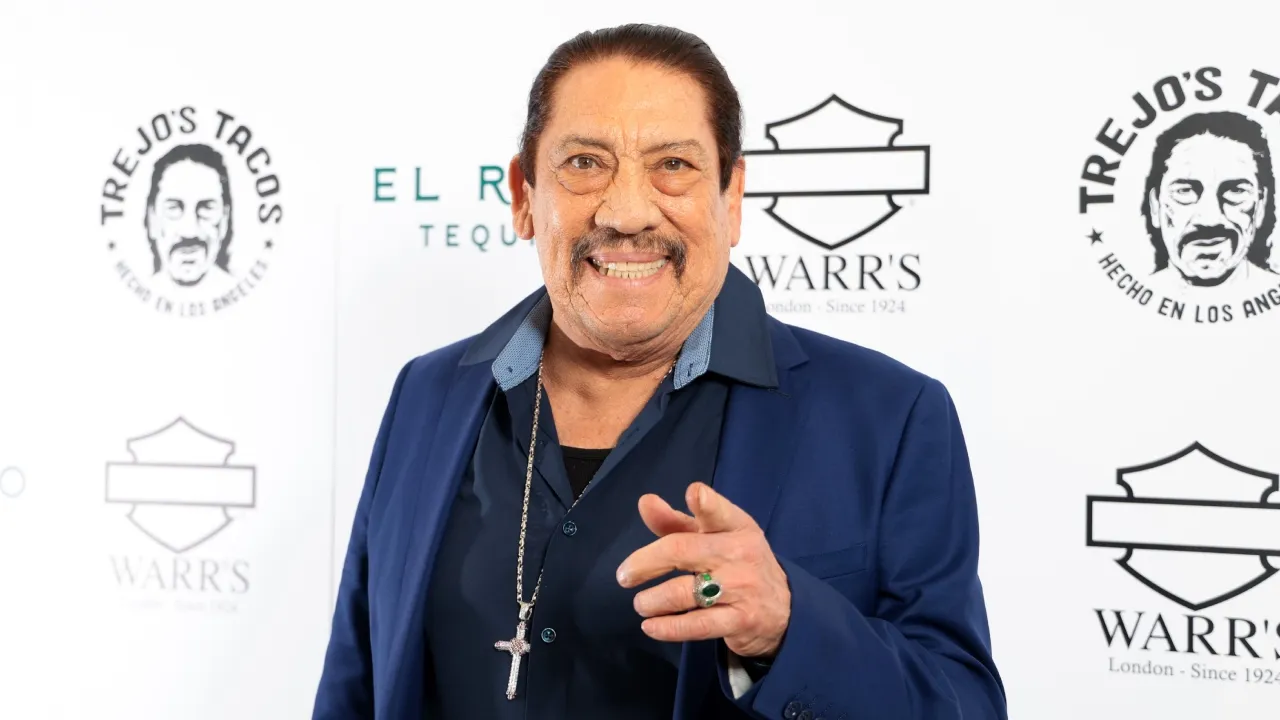
Source: Shane Anthony Sinclair/Getty Images
Danny Trejo built a reputation long before Hollywood ever called, surviving more than a decade inside prisons like San Quentin State Prison and Folsom State Prison, where he became a boxing champion and endured a riot that nearly cost him his life.
Everything shifted in 1985 when, now sober and working as a drug counselor, he stepped onto a film set to help someone else and was unexpectedly recognized by screenwriter Eddie Bunker, a former prisoner who remembered him from his prison fights. Cast as a convict in “Runaway Train,” he leaned into a role he joked he had been playing for free his whole life, quickly standing out for his authenticity.
That raw presence carried him from background roles to cult icon status as Machete, while off-screen he built a second act rooted in redemption, opening businesses that employ former convicts and addicts.
Charlize Theron
Long before Charlize Theron became one of Hollywood’s most formidable talents, her story opened with a moment of real-life violence that would feel excessive even in fiction. At 15, she witnessed her mother kill her abusive father in self-defense after he threatened them both, a trauma that reshaped her understanding of survival.
Years later, newly arrived in Los Angeles and struggling after a career-ending dance injury, she was discovered mid-argument with a bank teller by agent John Crosby. That improbable encounter led to a rapid rise, culminating in roles like “The Devil’s Advocate” and an Oscar-winning transformation in “Monster,” where she shed every trace of glamour to prove just how far she could go.
Charlie Chaplin
Poverty and instability defined the early years of Charlie Chaplin, born in 1889 to struggling performers in London, with a father lost to alcoholism and a mother whose mental illness led to institutionalization. He and his brother were sent to workhouses as children, enduring a level of hardship that would later echo through his art.
An unlikely turning point arrived when, at just five years old, he was pushed onstage to replace his mother mid-performance and unexpectedly captivated the crowd, setting him on a path toward entertainment. Within a few decades, that same child would create the iconic Little Tramp, rise through Keystone Studios, and co-found United Artists, channeling his past into films like “The Kid” that never lost sight of the struggles he once lived.
Mila Kunis
Arriving in Los Angeles as a child refugee, Mila Kunis faced a disorienting new world after her family left Ukraine with just $250 to escape antisemitism. She spoke no English at the time and later recalled how overwhelming the transition felt, even saying she mentally blocked out parts of her early school experience, slowly picking up the language by watching “The Price Is Right.”
At 14, she walked into an audition for “That ’70s Show” and cleverly navigated its age restriction by telling producers she would be 18 on her birthday. Years later, that same series would come full circle when she married her former co-star Ashton Kutcher, turning an early career gamble into an unexpectedly poetic ending.
Morgan Freeman
Patience, persistence, and timing shaped the rise of Morgan Freeman, whose path to stardom unfolded far from the usual overnight success story. Raised in Mississippi, he showed early promise in drama competitions, yet his life briefly veered in another direction when he enlisted in the U.S. Air Force as a radar repairman instead of pursuing acting right away.
What followed were decades of small roles, financial struggle, and industry rejection, with casting directors often overlooking him for leading parts. Then, well into his 50s, everything shifted with “Street Smart,” leading to defining performances in “Driving Miss Daisy” and “The Shawshank Redemption,” and ultimately cementing his presence as the kind of commanding, almost mythic figure audiences now instantly recognize.
Chris Pratt
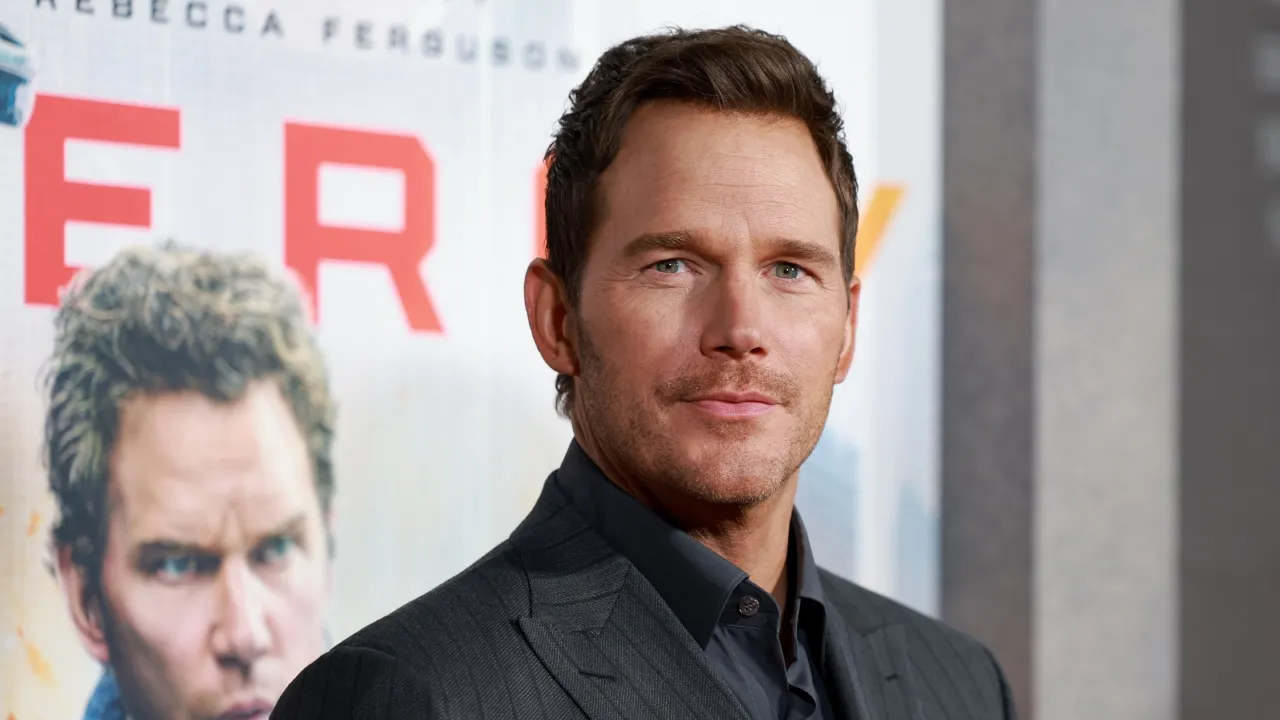
Source: Jason Mendez/Getty Images for Amazon MGM Studios
Chasing something bigger than a dead-end routine, Chris Pratt left community college behind and ended up in Maui, where he lived out of a van and a tent while working at Bubba Gump Shrimp Company.
Everything changed during a shift when actress and director Rae Dawn Chong noticed his easy charisma and struck up a conversation that quickly turned into an opportunity. Instead of the usual grind of auditions, she cast him on the spot in her project “Cursed Part 3,” sending him to Los Angeles within days. From there, the trajectory only grew more improbable, evolving from early television roles to comic relief on “Parks and Recreation” and eventually into blockbuster stardom with “Guardians of the Galaxy.”
Natalie Portman
At just 10 years old, a young Natalie Hershlag was finishing a dance class when she stopped at a local pizza shop on Long Island. A representative from Revlon happened to be in the establishment and, struck by the girl’s poise and unique features, approached her about becoming a child model.
Rather than chasing the vanity of a camera lens, Portman famously pushed back, insisting she was more interested in acting than modeling—a bold move that led the scout to introduce her to acting agents. This brief encounter over a slice of pepperoni ultimately paved the way for her haunting debut in “Léon: The Professional” just a few years later.
Jason Statham
Trading Olympic ambition for survival, Jason Statham moved from years on Britain’s national diving team to selling knock-off goods on London streets when a professional sports career slipped out of reach. That experience, which he later described as a kind of performance in itself, unexpectedly became his greatest asset when director Guy Ritchie entered the picture.
During the casting process for “Lock, Stock and Two Smoking Barrels,” Ritchie reportedly asked him to sell fake jewelry on the spot, turning a real-life hustle into an impromptu audition. Pulling it off with ease, he secured the role and launched a career built on the same raw, streetwise energy that first got him noticed.
Harrison Ford
Trying to make it in Hollywood, Harrison Ford found himself sidelined by rejection, with studios repeatedly insisting he lacked the qualities of a leading man. Instead of chasing auditions, he pivoted to carpentry to support his family, a practical decision that quietly placed him in the right rooms at the right time.
While working for Francis Ford Coppola, he crossed paths with George Lucas and was asked to read lines for actors auditioning for “Star Wars,” only to reveal himself as the perfect Han Solo in the process. That instinct for character would later define him, most famously when he improvised the now-iconic response “I know” in “The Empire Strikes Back,” turning a near-miss career into one of Hollywood’s most enduring success stories.
Mel Gibson
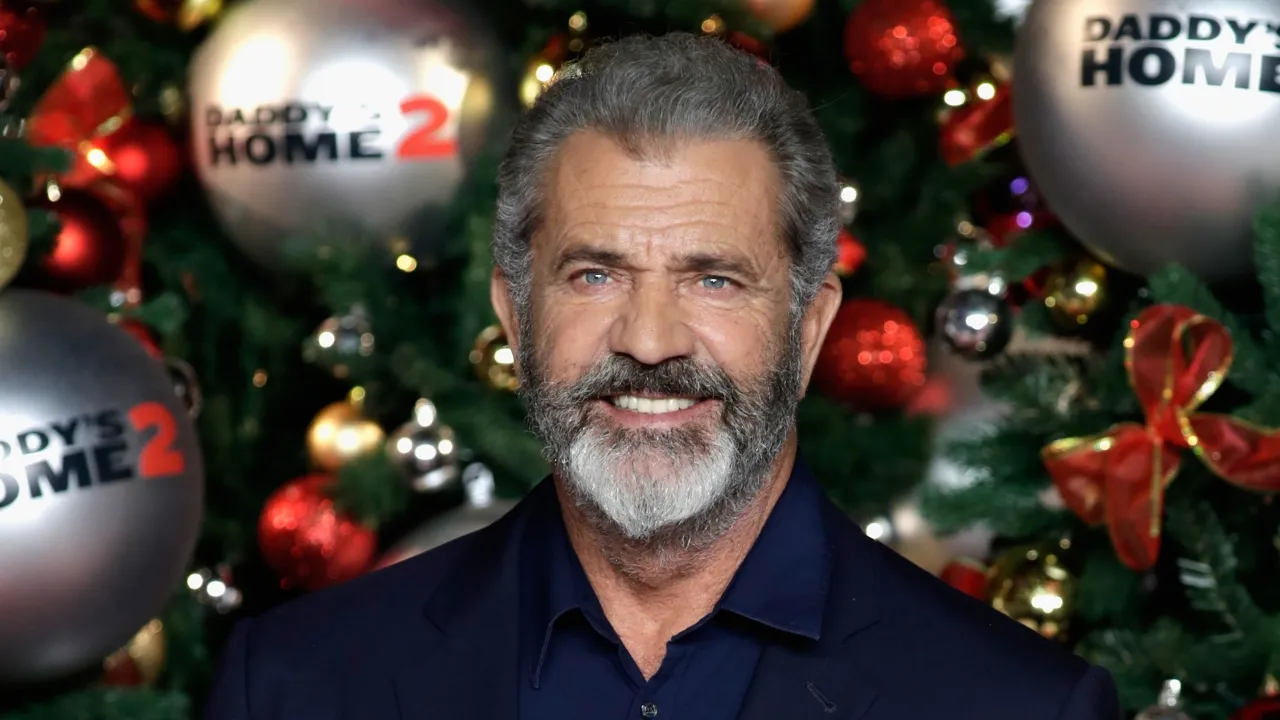
Source: John Phillips/Getty Images
The casting of the titular character in the original “Mad Max” came down to a literal bruised ego—and a bruised face. Mel Gibson had accompanied a friend to the auditions, but he arrived looking like a disaster after getting into a massive bar brawl the night before. His face was swollen, stitched, and discolored, which was exactly the post-apocalyptic aesthetic director George Miller was searching for.
Miller told the young actor to come back in three weeks when he looked different, and when Gibson returned looking like a leading man, the director was so impressed by the transformation that he gave him the lead role on the spot.