Tragic romance has long held a special place in cinema, where love stories are shaped not by happy endings but by the inevitability of loss. Some filmmakers have repeatedly returned to the idea that love can be most powerful when it collides with fate.
Across decades and genres, some have evolved from grand melodramas to intimate character studies, yet their emotional core remains the same: two lives intersecting at precisely the wrong time.
Whether set against sweeping historical backdrops or the quiet spaces of everyday life, these films remind audiences that some of cinema’s most unforgettable love stories are the ones that were never meant to last.
Ghost (1990)
(Source: IMDb)
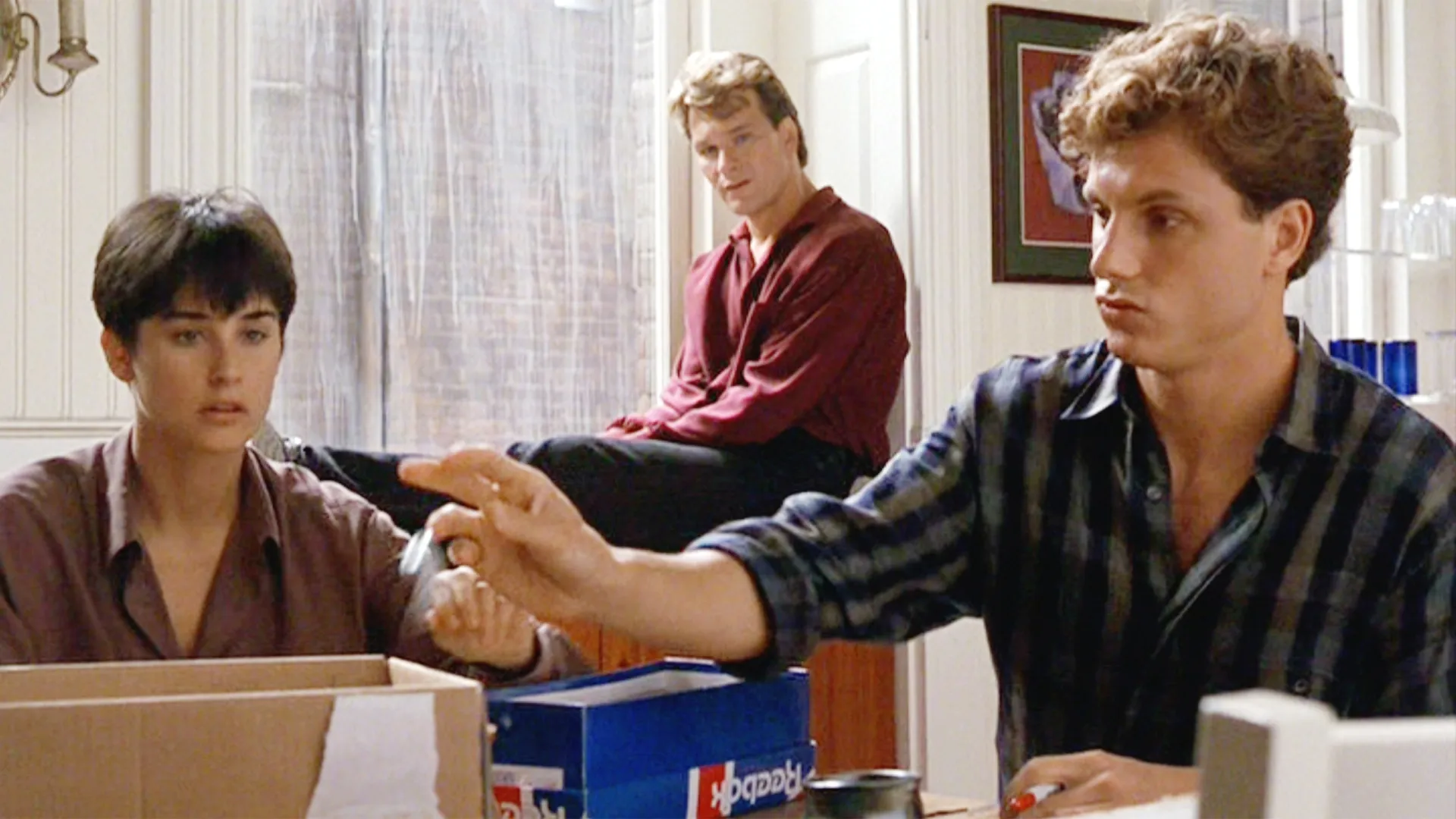
Long before supernatural romance became a trend in Hollywood, Ghost transformed a love story into something metaphysical. Directed by Jerry Zucker and starring Patrick Swayze and Demi Moore, the film begins with a violent interruption: Sam Wheat is murdered during a mugging, leaving his partner Molly alone in New York.
But the tragedy doesn’t end there. Sam lingers in the world as a ghost, desperately trying to warn Molly that she is still in danger. The film blends romance, grief, and the supernatural into a story where love literally refuses to disappear.
Its famous pottery scene became one of cinema’s most iconic romantic moments, yet the emotional core lies in the impossibility of touch—a love story forced to exist between two worlds.
Bridge to Terabithia (2007)
(Source: IMDb)
On the surface, Bridge to Terabithia appears to be a children’s fantasy adventure. Yet beneath its imaginative world lies one of the most quietly devastating stories about friendship and young love in modern cinema.
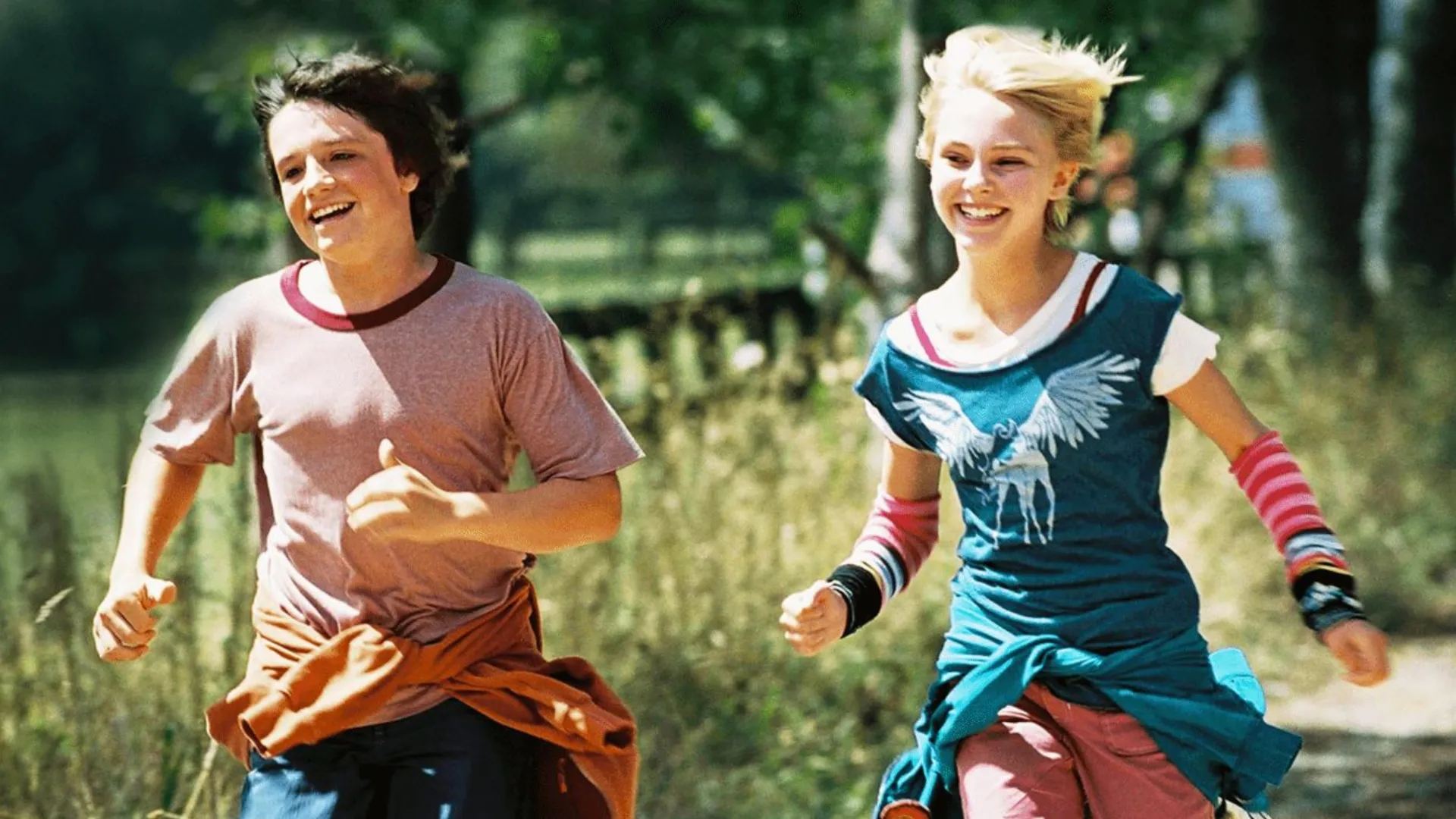
The film follows Jess Aarons and Leslie Burke, two outsiders who create an imaginary kingdom called Terabithia in the woods near their homes. Their bond becomes a refuge from school bullies and difficult family lives. But the film takes a sudden tragic turn when Leslie dies in an accident while crossing the creek that leads to their secret world.
The heartbreak of the film comes not from grand romantic gestures but from the innocence of youth—two children discovering companionship, imagination, and emotional safety, only to have it taken away far too soon.
Me Before You (2016)
(Source: IMDb)
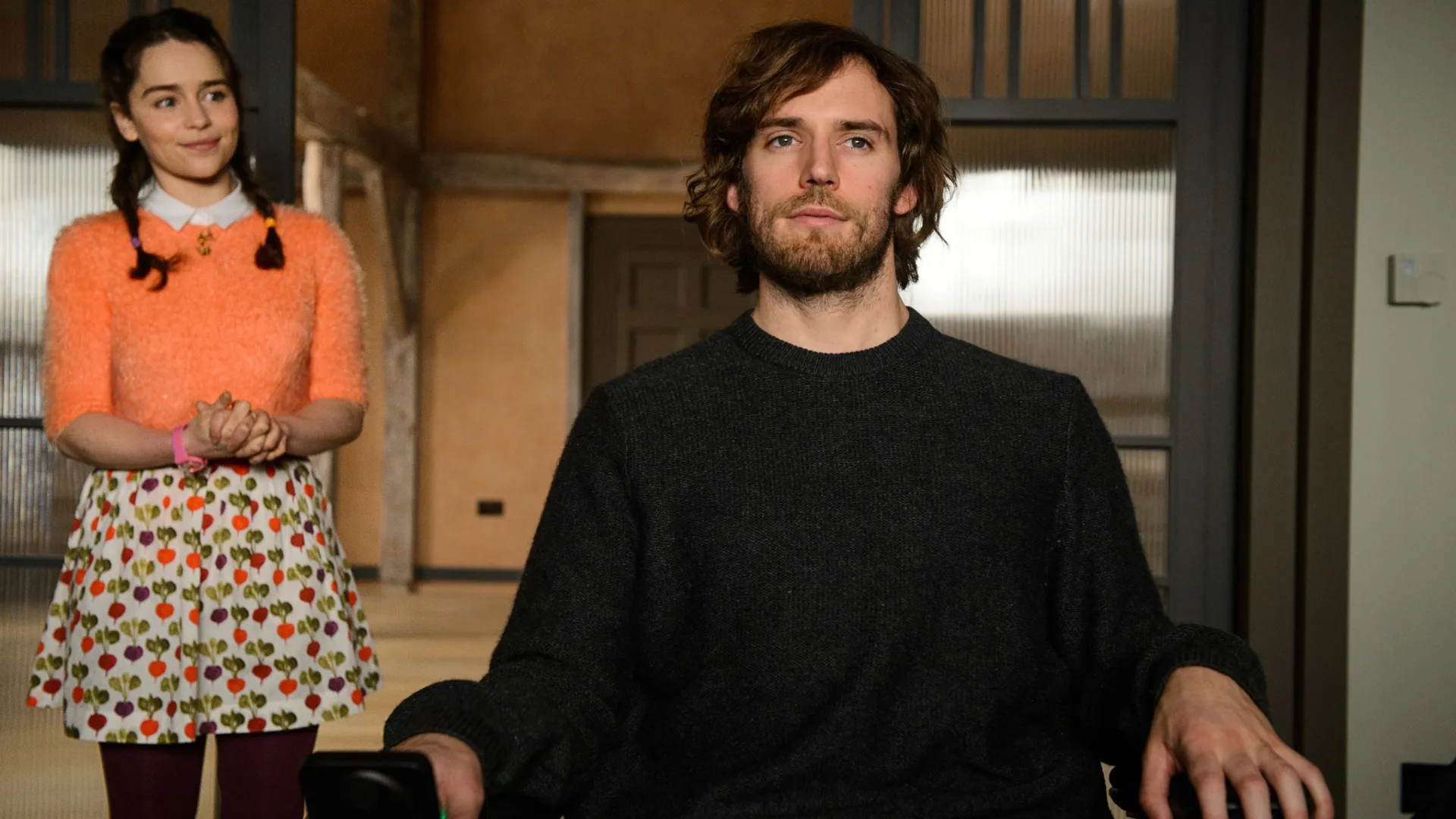
Some love stories are built on hope; others are built on impossible choices. In Me Before You, adapted from the novel by Jojo Moyes, that tension drives the entire narrative.
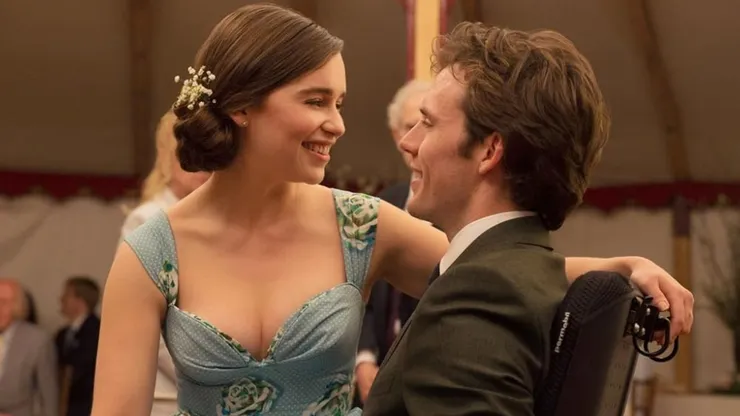
Emilia Clarke plays Louisa Clark, a cheerful young woman hired to care for Will Traynor, portrayed by Sam Claflin, a once-adventurous banker left paralyzed after an accident. Their relationship slowly transforms from awkward companionship into deep affection. Yet Will has already decided that he does not want to continue living with his condition.
The tragedy lies not in a sudden accident but in the quiet inevitability of the ending. Love blossoms—but it cannot rewrite the decision that Will has already made.
The Danish Girl (2015)
(Source: IMDb)
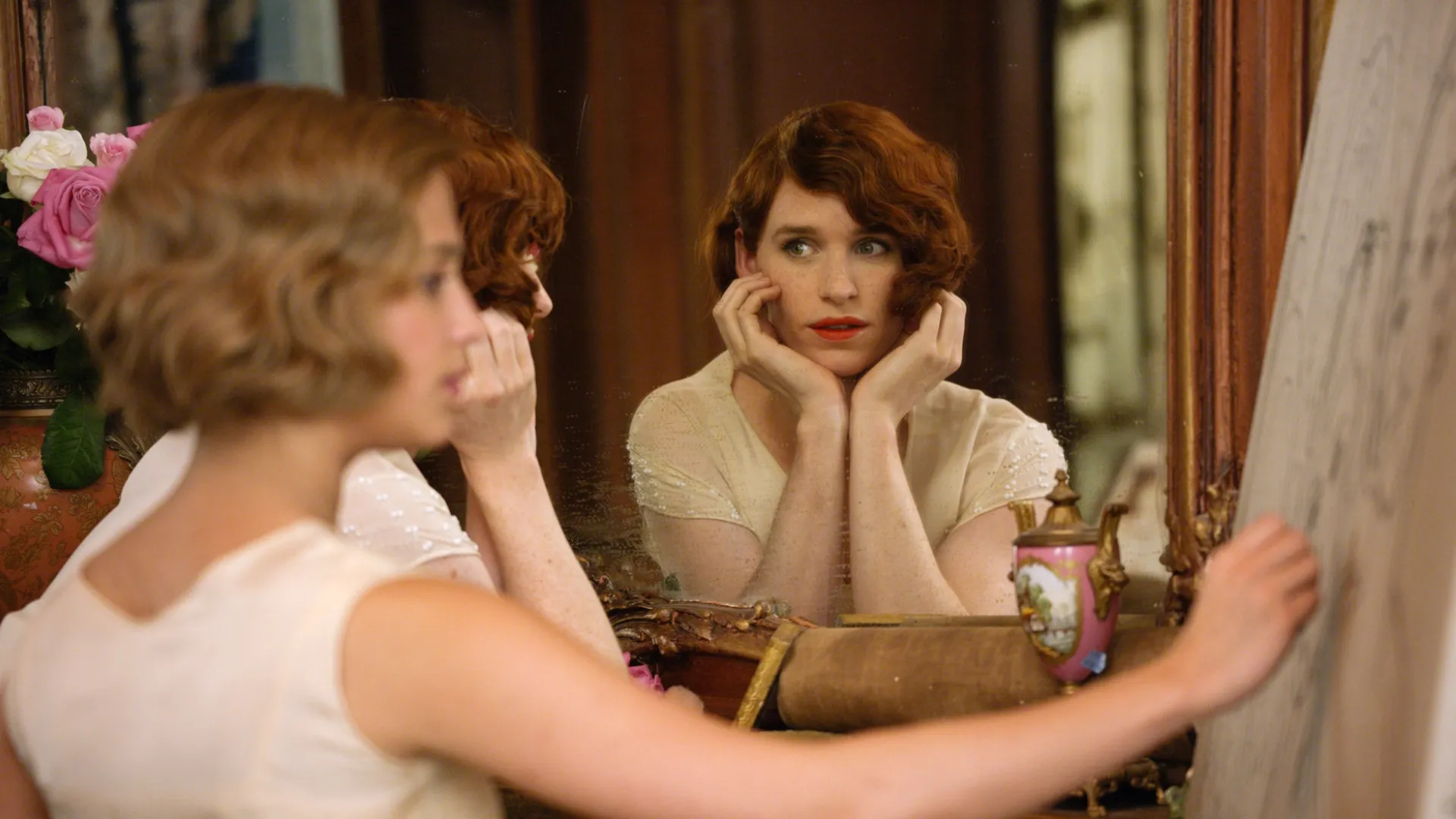
Some romances are tragic not because love fades, but because transformation changes everything around it. The Danish Girl tells the story of artists Eddie Redmayne and Alicia Vikander portraying Lili Elbe and Gerda Wegener, a married couple navigating one of the earliest known gender transitions in modern history.
As Einar Wegener begins embracing her identity as Lili, the marriage evolves into something far more complex than a conventional love story. Gerda becomes both partner and witness to Lili’s transformation, supporting her even as the relationship shifts beyond recognition. The tragedy of the film lies in its tenderness: love persists, but it must reinvent itself in ways neither of them ever imagined.
A Walk to Remember (2002)
(Source: IMDb)
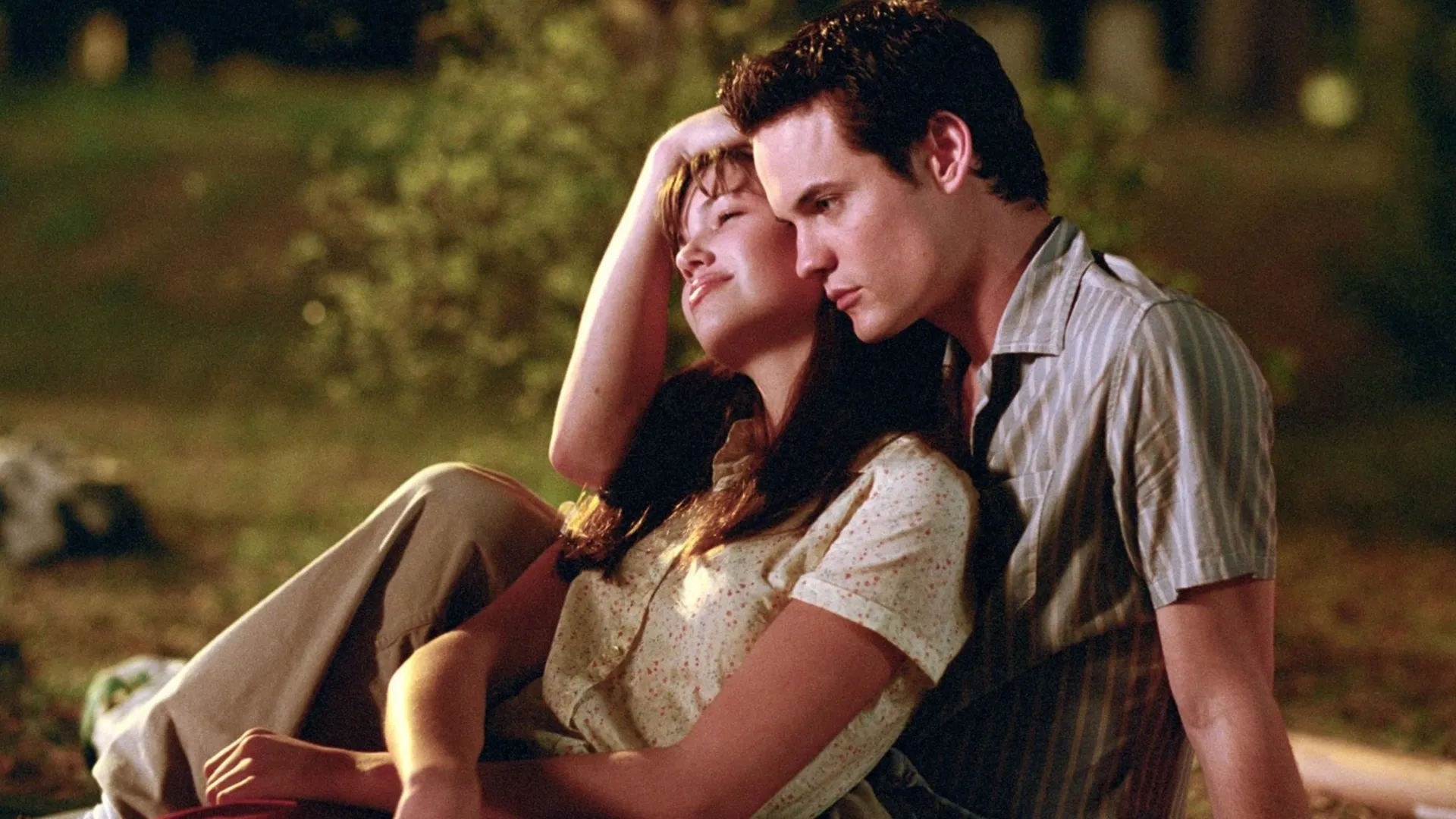
Few early-2000s romances captured the emotional intensity of young love quite like A Walk to Remember. Based on the novel by Nicholas Sparks, the film follows rebellious teenager Landon Carter and Jamie Sullivan, the quiet daughter of a local pastor.
Their romance begins almost accidentally—through a school play and a reluctant promise—but gradually deepens into something sincere and transformative. Jamie’s kindness reshapes Landon’s life, giving the troubled teen a sense of purpose he had never known.
The emotional blow arrives when Landon learns Jamie has leukemia. The love story becomes a race against time, turning simple moments—weddings, promises, quiet walks—into memories that must last a lifetime.
Amour (2012)
(Source: IMDb)
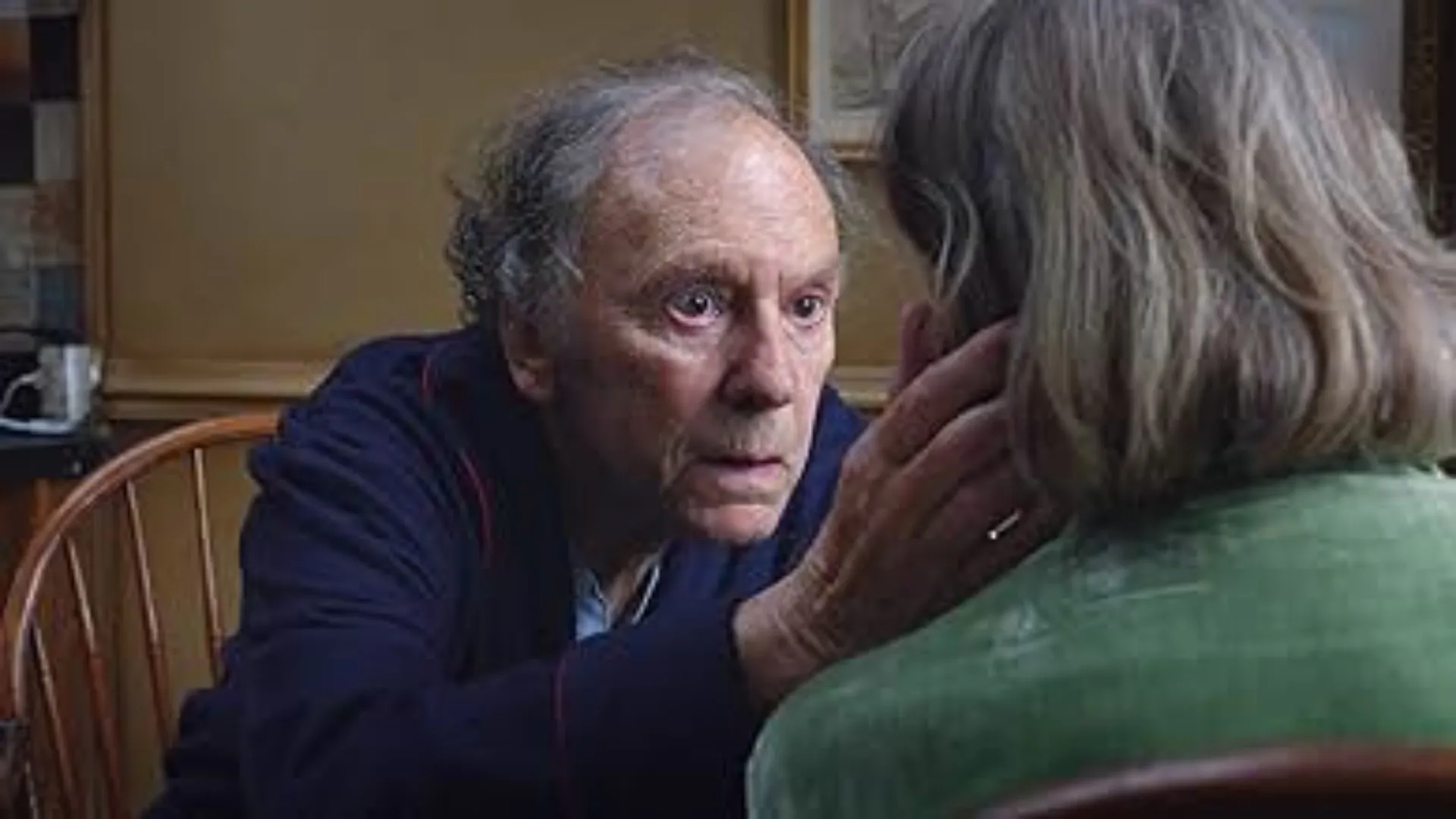
Michael Haneke’s Amour is perhaps one of the most devastating portrayals of love ever filmed. Unlike many tragic romances, the heartbreak here unfolds slowly, quietly, and inside the walls of a Paris apartment.
The story centers on Georges and Anne, an elderly couple whose peaceful life changes after Anne suffers a stroke. What follows is a deeply intimate portrait of caregiving, decline, and devotion. Georges becomes Anne’s sole caretaker, determined to honor the dignity of the woman he has loved for decades.
There are no dramatic speeches or sweeping declarations. Instead, tragedy emerges through small gestures—feeding, bathing, sitting beside a bed. Love remains constant, but it is forced to confront the frailty of the human body.
Carol (2015)
(Source: IMDb)
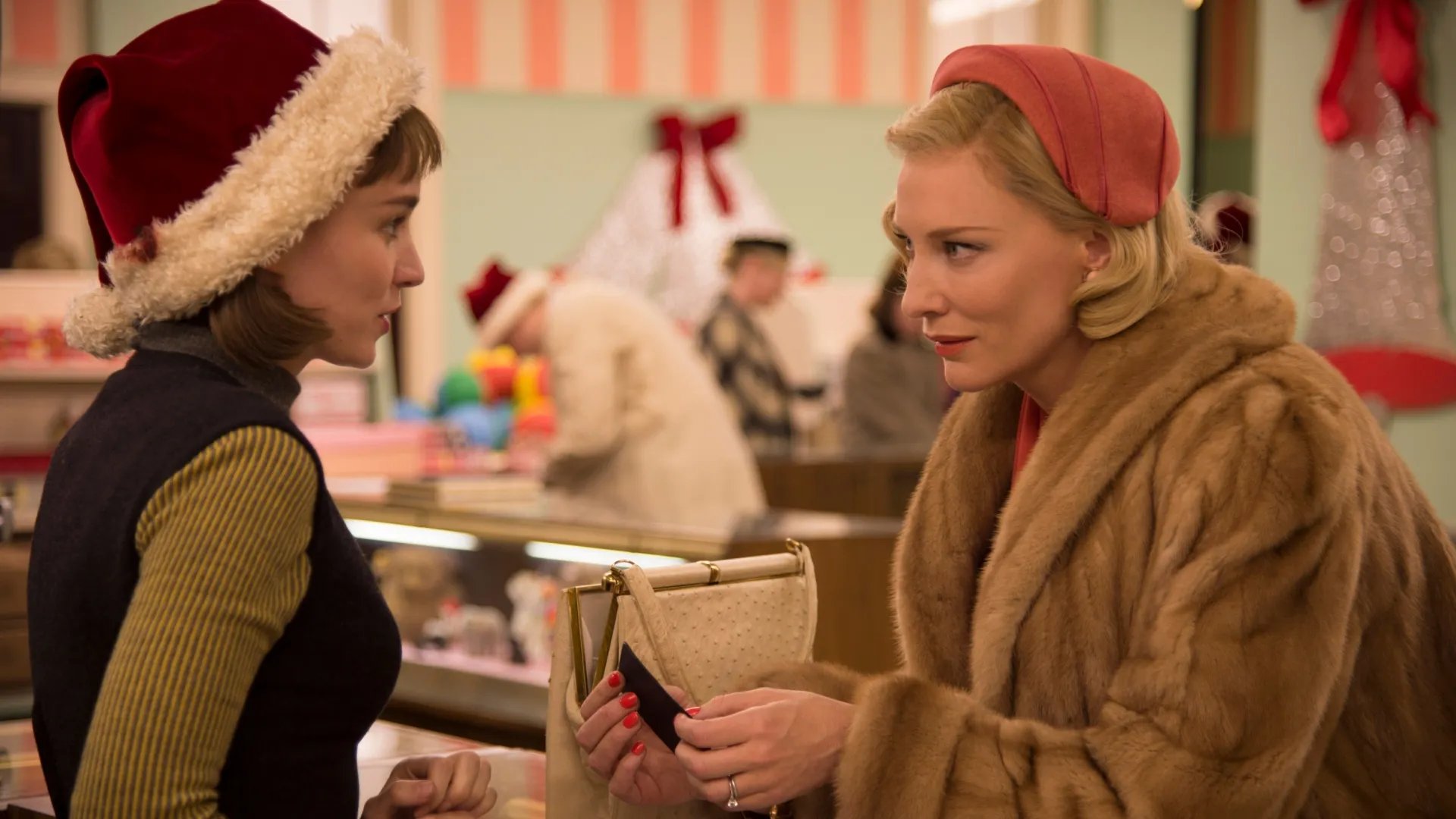
Set in 1950s New York, Carol tells the story of a forbidden relationship between Therese Belivet, an aspiring photographer, and Carol Aird, an elegant woman trapped in a failing marriage.
Their romance unfolds through glances, conversations, and long drives across snowy highways. Yet the social climate of the time casts a constant shadow over their connection. Carol’s husband threatens to expose her sexuality during their custody battle, turning love into something legally dangerous.
Director Todd Haynes frames the story with quiet elegance, making every look and gesture feel monumental. In a society determined to police desire, the simple act of loving someone becomes an act of defiance.
Portrait of a Lady on Fire (2019)
(Source: IMDb)
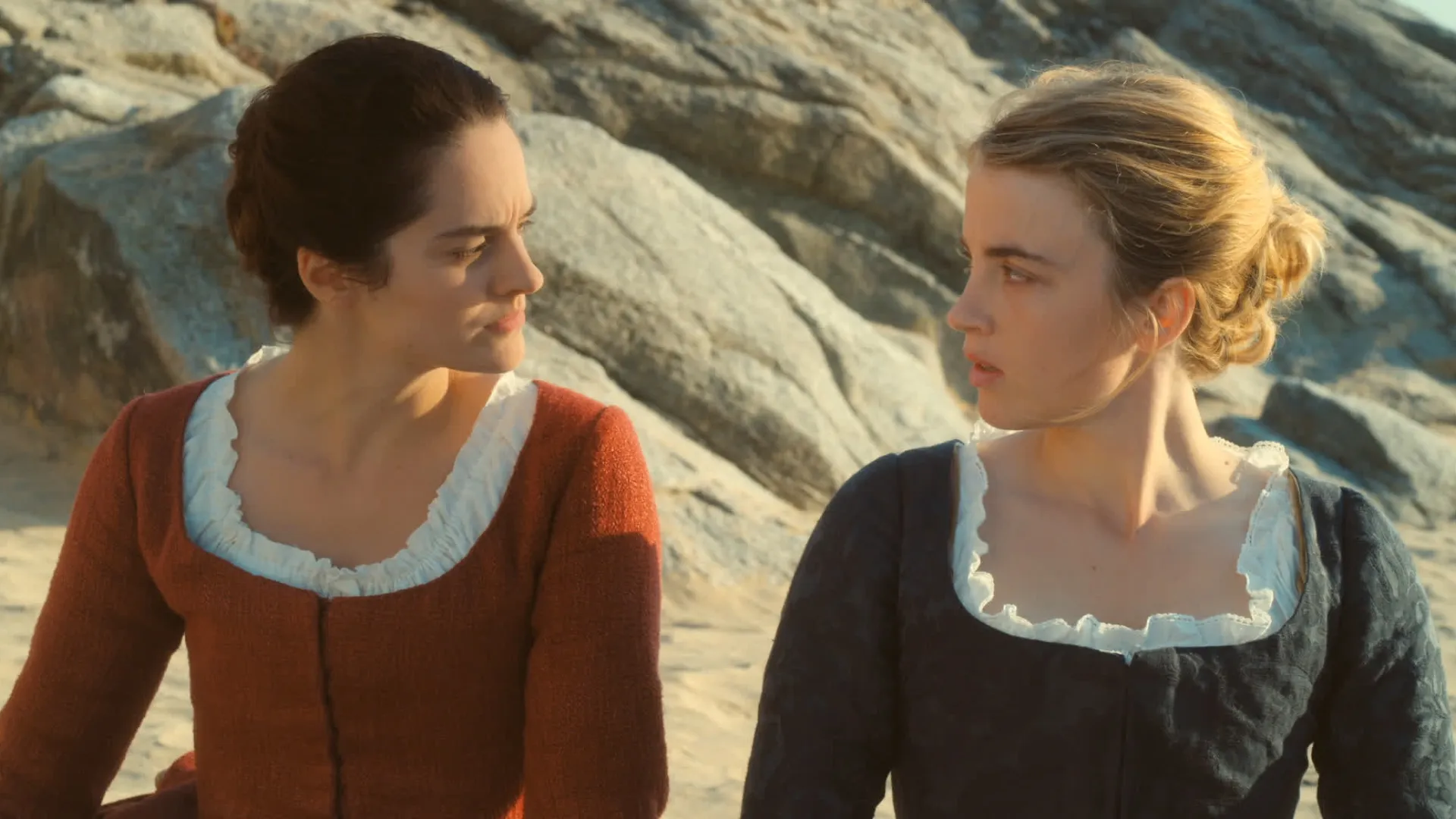
Few films explore longing with the quiet intensity of Portrait of a Lady on Fire. Directed by Céline Sciamma, the story unfolds on a remote French island in the 18th century.
Marianne, a painter, is hired to secretly paint the portrait of Héloïse, a young woman destined for an arranged marriage. Because Héloïse refuses to pose, Marianne must observe her in silence—memorizing her gestures, expressions, and movements.
What begins as observation becomes connection. And connection becomes love. Yet the inevitability of Héloïse’s marriage looms over every moment. Their relationship burns brightly but briefly, leaving behind only memories—and a portrait.
Atonement (2007)
(Source: IMDb)
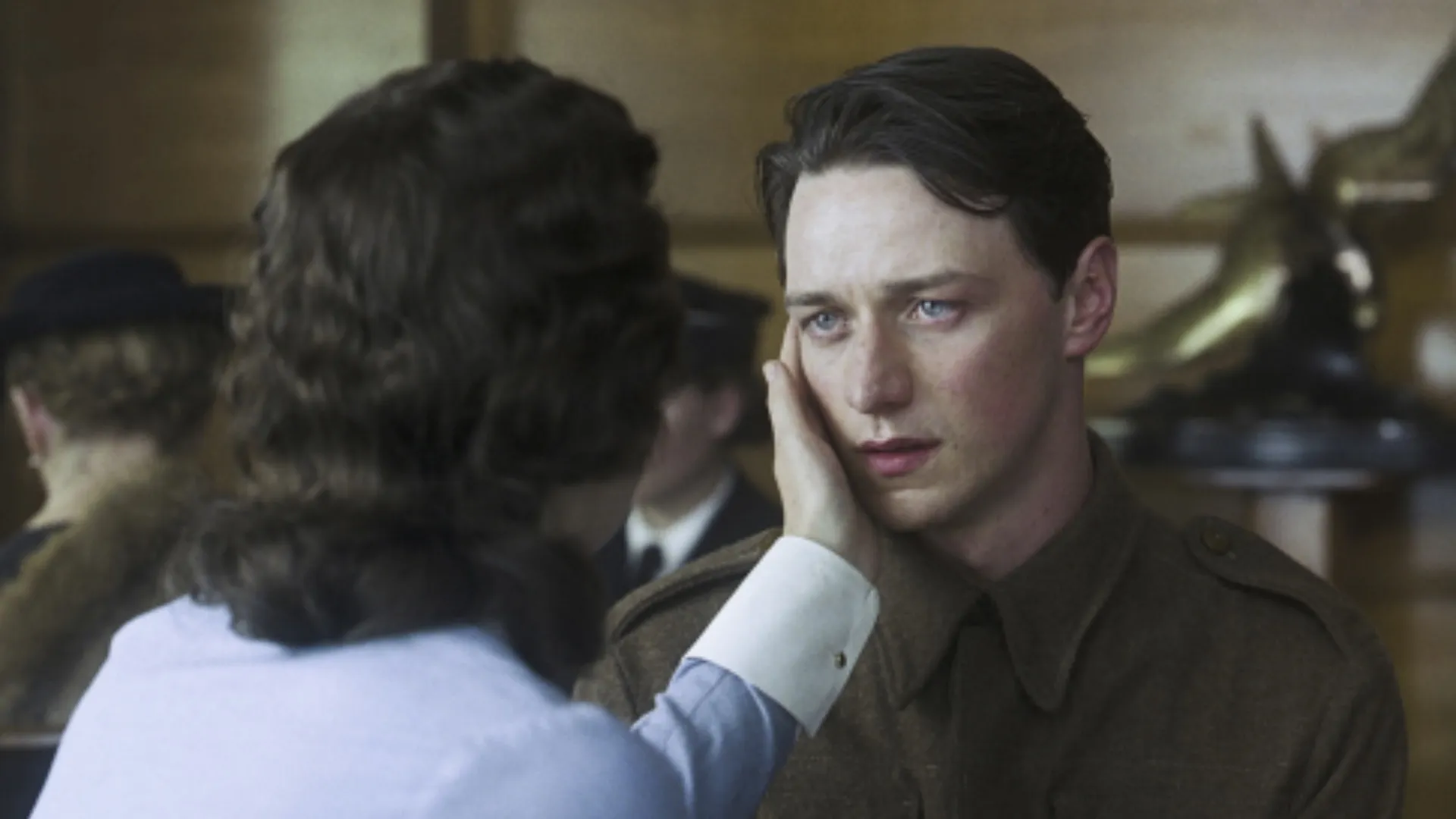
Joe Wright’s Atonement begins like a traditional English romance—until a single misunderstanding destroys everything. The story follows Cecilia Tallis and Robbie Turner, two young lovers separated by a false accusation made by Cecilia’s younger sister, Briony.
The lie sends Robbie to prison and eventually to the front lines of World War II, while Cecilia spends years waiting for the man she loves. What makes the film unforgettable is its devastating final revelation: the reunion audiences believed in never actually happened. It existed only in the imagination of an older Briony attempting to rewrite the tragedy she created.
Brokeback Mountain (2005)
(Source: IMDb)
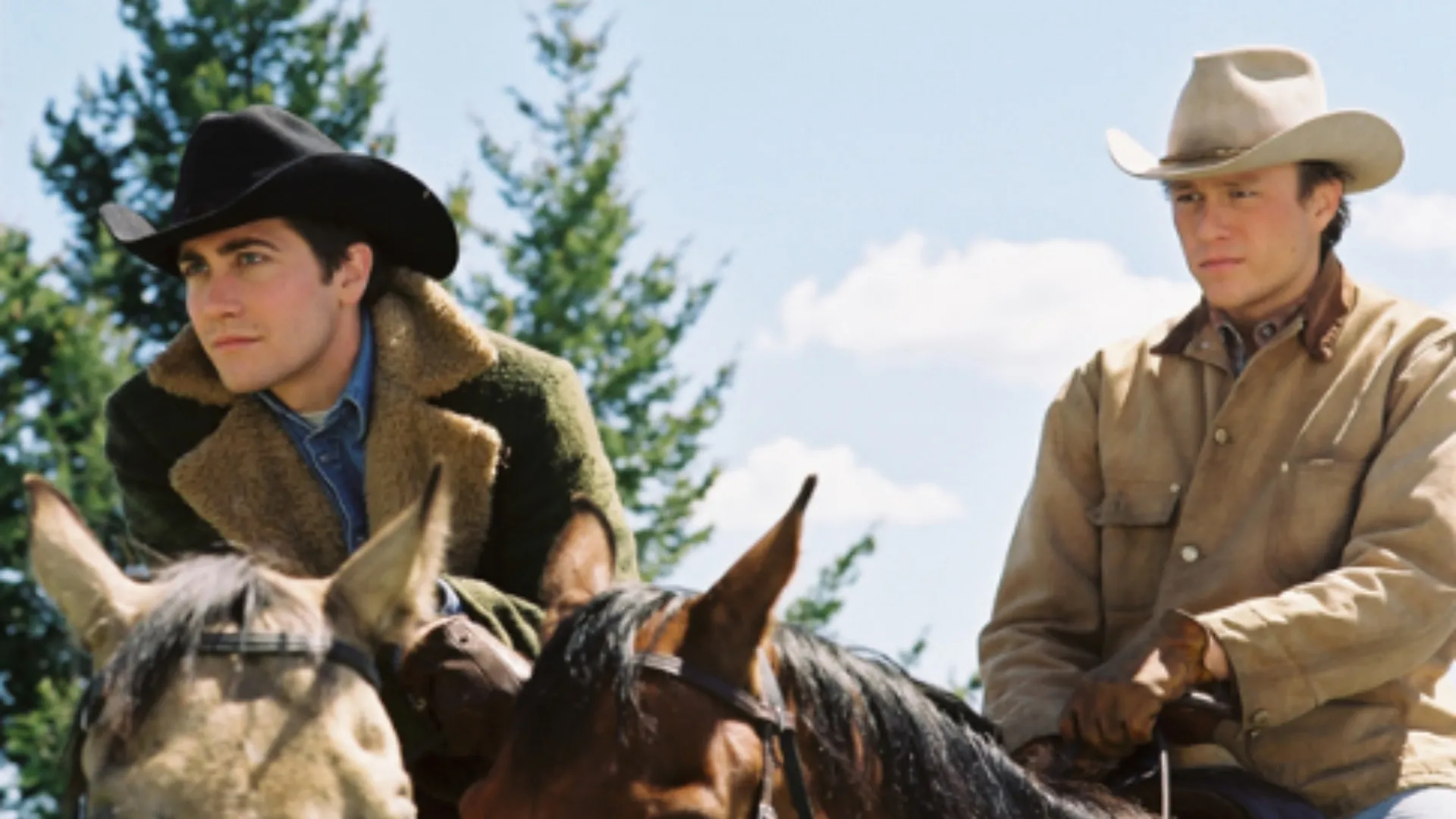
At the center of Brokeback Mountain lies one of cinema’s most quietly devastating love stories. Directed by Ang Lee, the film follows ranch hands Ennis Del Mar and Jack Twist, who meet while herding sheep in Wyoming during the summer of 1963.
Their relationship begins unexpectedly but grows into a bond that lasts decades. Yet the world around them—shaped by rigid expectations of masculinity and homophobia—never allows that love to exist openly.
The tragedy unfolds slowly across years of secret meetings, failed marriages, and missed opportunities. By the film’s end, Ennis is left alone with a pair of shirts that symbolize the life they never had. Few films capture the ache of lost possibility with such haunting simplicity.