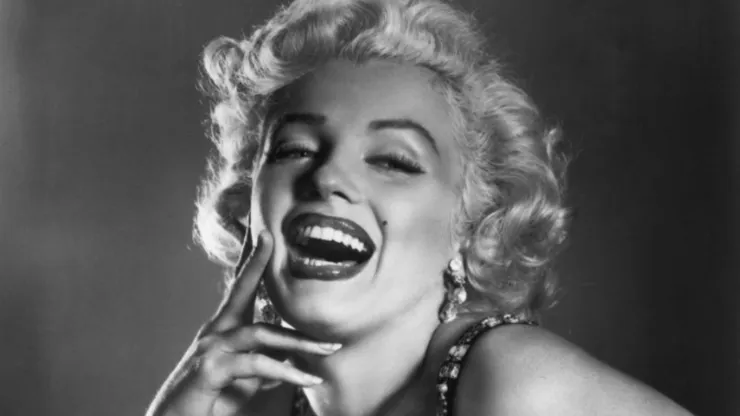
The entertainment industry marks an absolutely monumental milestone: the 100th birthday of Marilyn Monroe. Born on June 1, 1926, the silver-screen legend has spent the last century captivating audiences, inspiring countless fashion trends, and dominating pop culture long after her tragic passing.
However, amidst all the merchandise, the viral TikTok aesthetic edits, and the endless biographies, it can be shockingly easy to overlook the actual reason she became famous in the first place. Marilyn Monroe was a phenomenally gifted, wildly charismatic actress who could effortlessly oscillate between devastating emotional vulnerability and razor-sharp physical comedy.
To properly celebrate her centenary this weekend, it is time to turn off the documentaries and turn on the classics. Here is your definitive guide to the five greatest, most essential performances of her career that prove exactly why there will never be another Marilyn.
1. Some Like It Hot (1959)
If you only watch one film to celebrate her birthday, make it this one. Directed by the legendary Billy Wilder, this Prohibition-era farce follows two musicians (Tony Curtis and Jack Lemmon) who dress in drag to escape the mob, only to fall hopelessly in love with the lead singer of an all-female band.
Playing the ukulele-strumming, lovelorn Sugar Kane, Monroe delivered the defining comedic performance of her life. She perfectly balanced breathless innocence with razor-sharp comedic timing, effortlessly stealing the movie from two of Hollywood’s greatest leading men. Her performance was so universally praised that it ultimately earned her the Golden Globe for Best Actress in a Comedy or Musical.
2. Niagara (1953)
Before the studios locked her into playing the bubbly, glamorous blonde, she starred in this gorgeous, Technicolor film noir. Niagara offers a rare, thrilling glimpse at a much darker side of Monroe’s acting abilities.
She plays Rose Loomis, a deeply unhappy, wildly seductive wife plotting to murder her traumatized war-veteran husband (Joseph Cotten) against the backdrop of Niagara Falls. She completely weaponized her sex appeal for this role, turning herself into a calculating, ruthless femme fatale. The film was a massive commercial success and officially signaled to the world that a dangerous, hypnotic new movie star had arrived.
3. Gentlemen Prefer Blondes (1953)
This is the movie that officially built the “Marilyn” brand. Directed by Howard Hawks, this delightfully vibrant musical pairs Monroe with the brilliantly sharp Jane Russell as two showgirls traveling to Paris on a luxury cruise liner.
While Russell provides the grounded sarcasm, Monroe absolutely dazzles as the unapologetically money-hungry, yet incredibly endearing, Lorelei Lee. The film features the legendary “Diamonds Are a Girl’s Best Friend” musical sequence—an electric, hot-pink spectacle of choreography that has been referenced and replicated by everyone from Madonna to Margot Robbie. It is pure, unabashed cinematic joy from start to finish.
4. Bus Stop (1956)
Tired of not being taken seriously by 20th Century Fox, Monroe famously left Hollywood in the mid-1950s to study at the prestigious Actors Studio in New York. When she returned to the screen in Bus Stop, she was eager to prove her dramatic chops—and she succeeded brilliantly.
She plays Cherie, a painfully untalented but deeply hopeful Ozark saloon singer who is essentially kidnapped by an obsessive, overbearing cowboy. Stripping away her usual flawless glamour for a pale complexion and a shredded, tragic wardrobe, she delivered a surprisingly gritty, heartbreaking performance. It proved to critics that she was far more than just a beautiful face; she was an actress capable of immense depth and empathy.
5. The Misfits (1961)
Written specifically for her by her then-husband, playwright Arthur Miller, and directed by John Huston, The Misfits stands as her final completed film. It is also undeniably her most profound.
Acting alongside heavyweights Clark Gable and Montgomery Clift, Monroe plays Roslyn Taber, a deeply empathetic divorcee who connects with a group of broken, aging cowboys in the Nevada desert. The film is incredibly difficult to watch at times, as the character’s profound loneliness and emotional exhaustion closely mirrored Monroe’s real-life internal struggles. It is a haunting, beautiful, and devastatingly raw performance that leaves audiences wondering what incredible dramatic heights she could have reached in the 1970s.