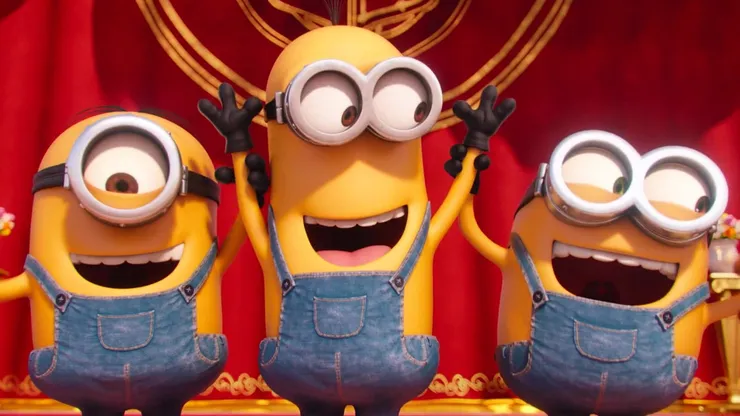
According to IMDb trivia, the seemingly nonsensical “Minionese” was carefully improvised by co-director and voice actor Pierre Coffin, who blended words and sounds from numerous real languages to create one of animation’s most recognizable forms of communication. As the film celebrates its 11th anniversary, the story behind its signature dialogue remains one of its most fascinating behind-the-scenes secrets.
How the Minions’ Famous Language Was Created
Released in 2015, “Minions” served as a prequel to “Despicable Me,” following Kevin, Stuart, and Bob on a globe-spanning search for the perfect villain to serve. The animated comedy introduced audiences to Scarlet Overkill, voiced by Sandra Bullock, while exploring the tiny yellow creatures’ long history before they met Gru. The picture became a worldwide phenomenon, earning more than $1.1 billion at the global box office and launching its own successful series of spin-offs.
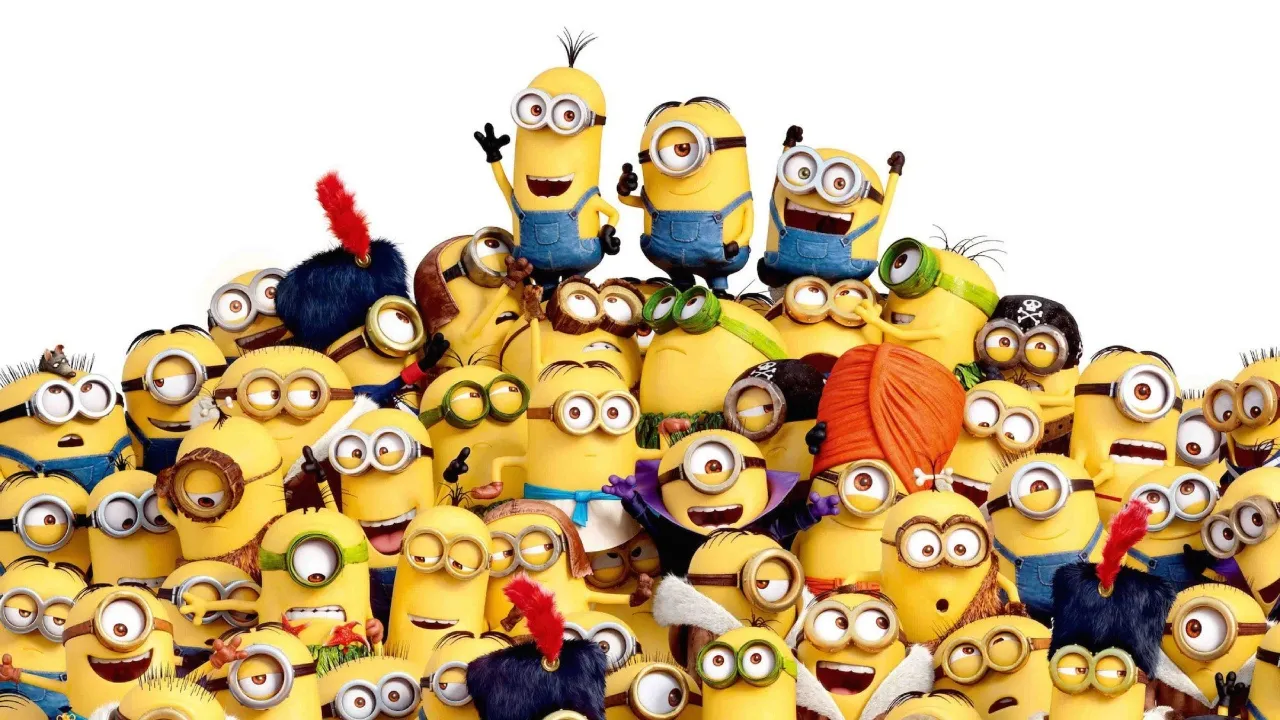
Source: IMDb
One of the film’s defining features was Minionese, the playful language spoken by the characters throughout the movie. Rather than developing a formal vocabulary or grammar, Coffin built the dialogue through spontaneous improvisation, selecting words and syllables that simply sounded funny and expressive. The result was a language that audiences could somehow understand without ever actually speaking it.
Its vocabulary draws inspiration from numerous real languages, including English, Spanish, German, French, Italian, Portuguese, Indonesian, Hebrew, and Malay, while also incorporating plenty of invented sounds and cheerful gibberish. During recording sessions, Coffin also borrowed words from languages such as Japanese, Hindi, and Filipino whenever they fit the rhythm of a particular scene, creating dialogue that felt both familiar and completely unique.
Coffin’s contribution extended far beyond inventing the language. He personally voiced every Minion featured in the film, including Kevin, Stuart, and Bob, before altering the recordings by raising them six semitones in slow motion. That distinctive process gave the characters their instantly recognizable high-pitched voices, helping transform Minionese into one of the most memorable fictional languages in modern animation.