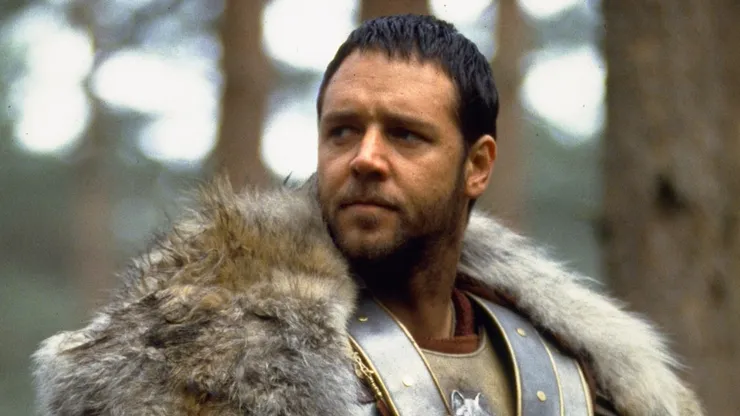
“Gladiator II” has enjoyed a strong debut, delivering epic spectacle to global audiences and securing a healthy box office total alongside generally favorable reviews. However, the film now faces a powerful public critique from the star of the original masterpiece, Russell Crowe.
The actor, who won an Oscar for his unforgettable role as Maximus Decimus Meridius, has delivered disapproving commentary, asserting that those behind the sequel failed to grasp the very foundation that made the 2000 classic resonate.
The Undermining of a Hero’s Integrity
Crowe’s primary contention with “Gladiator II” is the film’s failure to understand the fundamental character of Maximus. Speaking to Triple J (via The Playlist), Crowe did not mince words about the sequel, saying the creative team in the “engine room [is] not actually understanding what made the first one special.” He stressed that the original film’s success was never about the action or spectacle, but its “moral core,” which he believes the sequel compromises entirely.
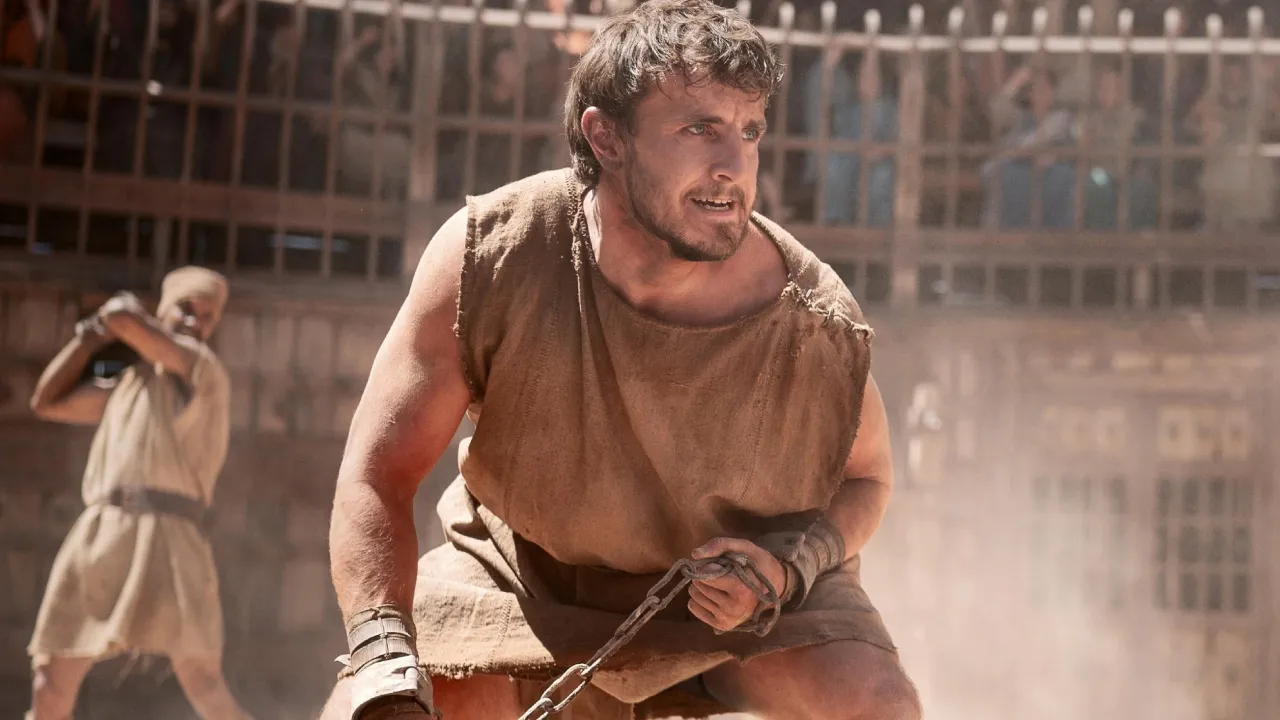
His most pointed criticism targets the plot twist suggesting that Paul Mescal’s Lucius is the illegitimate son of Maximus. This revelation, which was never implied in the first film, dismantles the purity of Maximus’s character, whose entire drive for vengeance was rooted in the fierce, uncorrupted loyalty to his murdered wife and son. Crowe struggled openly with the idea that the sequel would imply such an affair with Lucilla, dismissing the idea outright: “Makes no sense to me.”
The actor’s frustration is rooted in his personal effort to maintain the character’s integrity during the filming of the 2000 classic. Crowe revealed he had to engage in a “daily fight on that set” to maintain the sanctity of Maximus’s moral compass, often pushing back against attempts to diminish his character. He specifically cited suggestions for sex scenes, arguing, “you’re taking away his power” and asking: “What are you talking about? It’s crazy.”
Ultimately, by introducing a twist like Lucius’ parentage and implying infidelity, the sequel risks trading the profound tragedy and virtue of Maximus’s story for dramatic convenience. Crowe maintains that the film sacrificed the one essential element that gave the first movie its lasting power: the uncorrupted moral integrity that defined the fallen General.