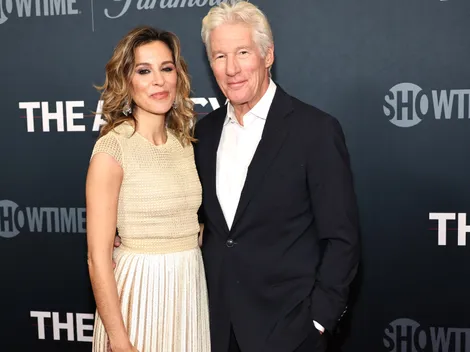
Set for a 2026 release, Robert Pattinson and Zendaya’s The Drama has already begun shaping early expectations around emotionally charged cinema. Even before reaching theaters, its reputation for intense character work and a deliberately atmospheric style has positioned it as one of the most anticipated films of the coming year.
Around that rising anticipation, a constellation of films emerges—works that operate with the same sharpened edge, marked by shadow-laden visuals, fractured relationships, and performances that feel carved from real conflict. These titles don’t just resemble what The Drama promises; they echo its pulse, offering a similar blend of intimacy.
Closer (2004) directed by Mike Nichols
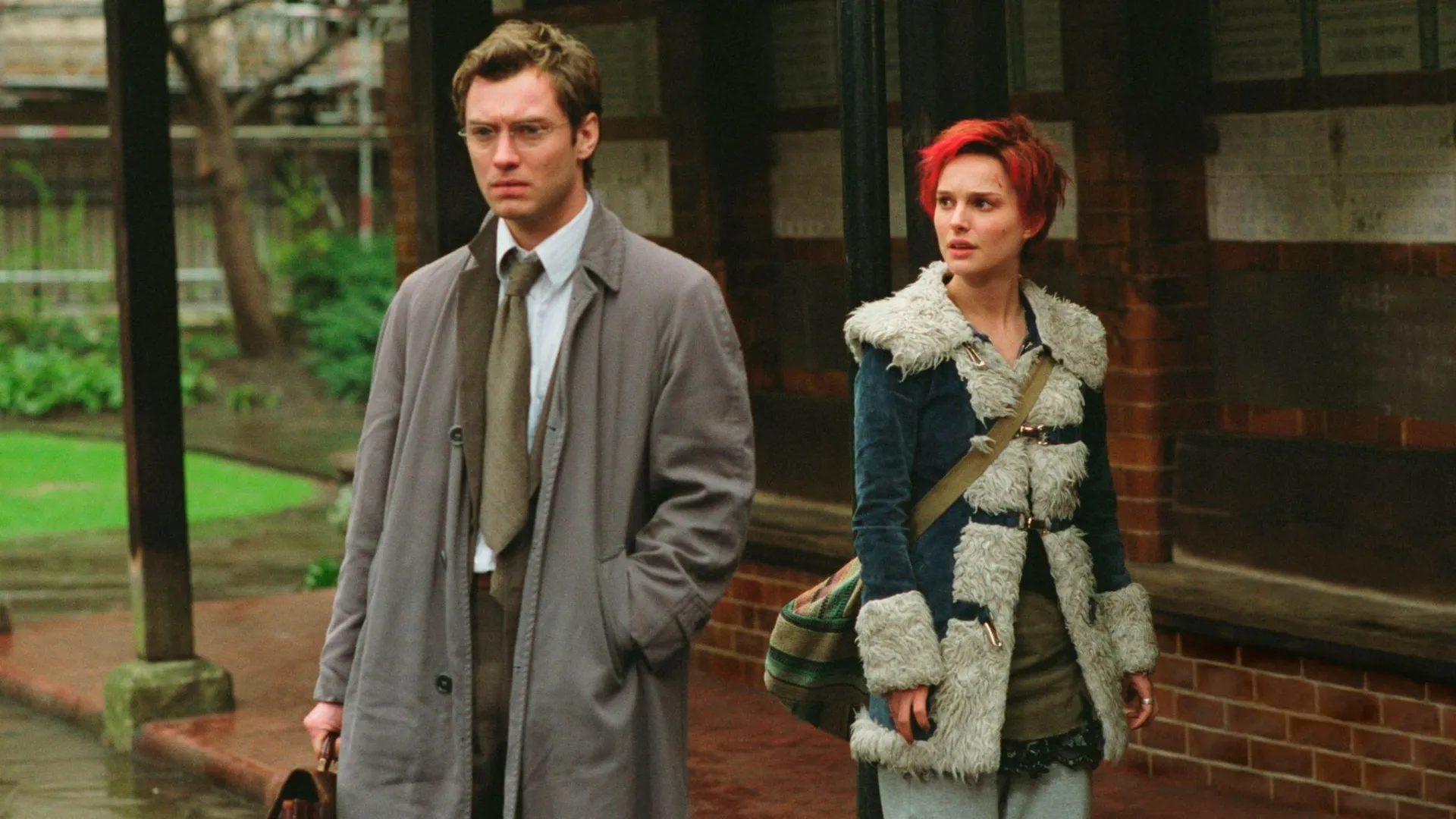
(Source: IMDb)
This film is a brutal, dialogue-heavy dissection of modern relationships, centered entirely on the lies, secrets, and infidelities that link four characters in a destructive carousel of passion and cruelty. It functions less as a romance and more as a high-velocity drama where emotional wounds are inflicted with surgical precision through dialogue. It directly mirrors the emotional intensity and clinical focus on an intimate collapse inherent to The Drama’s premise, proving that words and hidden truths can be as sharp as any weapon in a domestic setting.
Blue Valentine (2010) directed by Derek Cianfrance

(Source: IMDb)
A hyper-realistic, gut-wrenching portrayal that intercuts the romantic, sun-drenched genesis of a relationship with its terminal, present-day decline. It is relentless in capturing the raw, palpable tension between two people whose initial, volatile love has calcified into bitter resentment and distance. Its focus is entirely on the erosion of intimacy and the shattering of marital illusion, driven by past truths and present failures that feel irrevocably set in stone—a perfect study in domestic tragedy.
Shame (2011) directed by Steve McQueen
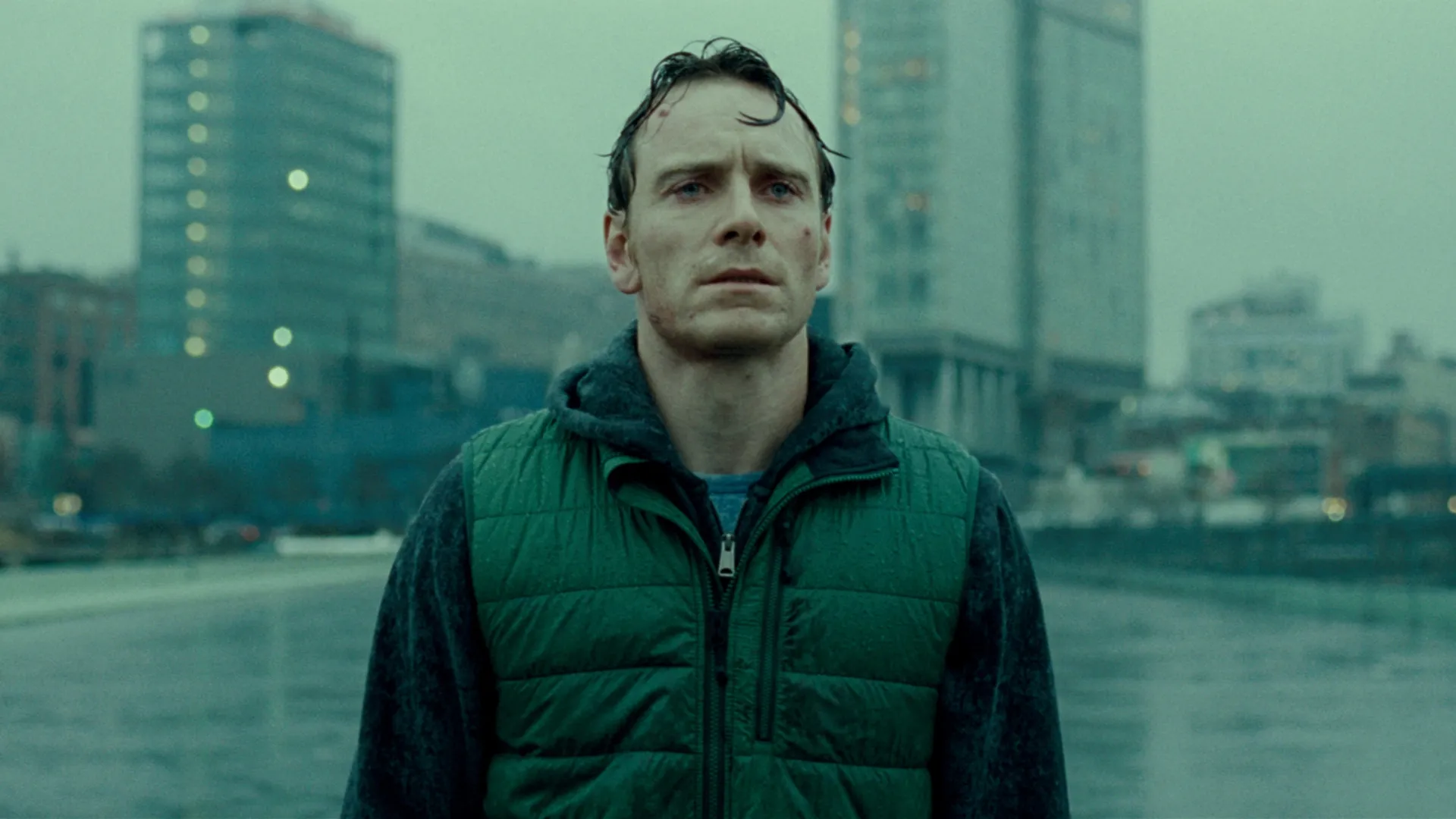
(Source: IMDb)
A stylized, often silent, and deeply unsettling examination of the self-imposed isolation and addiction that fuels one’s secret life. The film features a cold, minimalist aesthetic that focuses intensely on the protagonist’s emotional landscape. It speaks directly to the themes of a hidden, turbulent inner life festering just beneath a sophisticated, polished corporate surface, echoing the moody, visually spare styles often associated with Robert Pattinson’s challenging, non-mainstream roles.
Malcolm & Marie (2021) directed by Sam Levinson
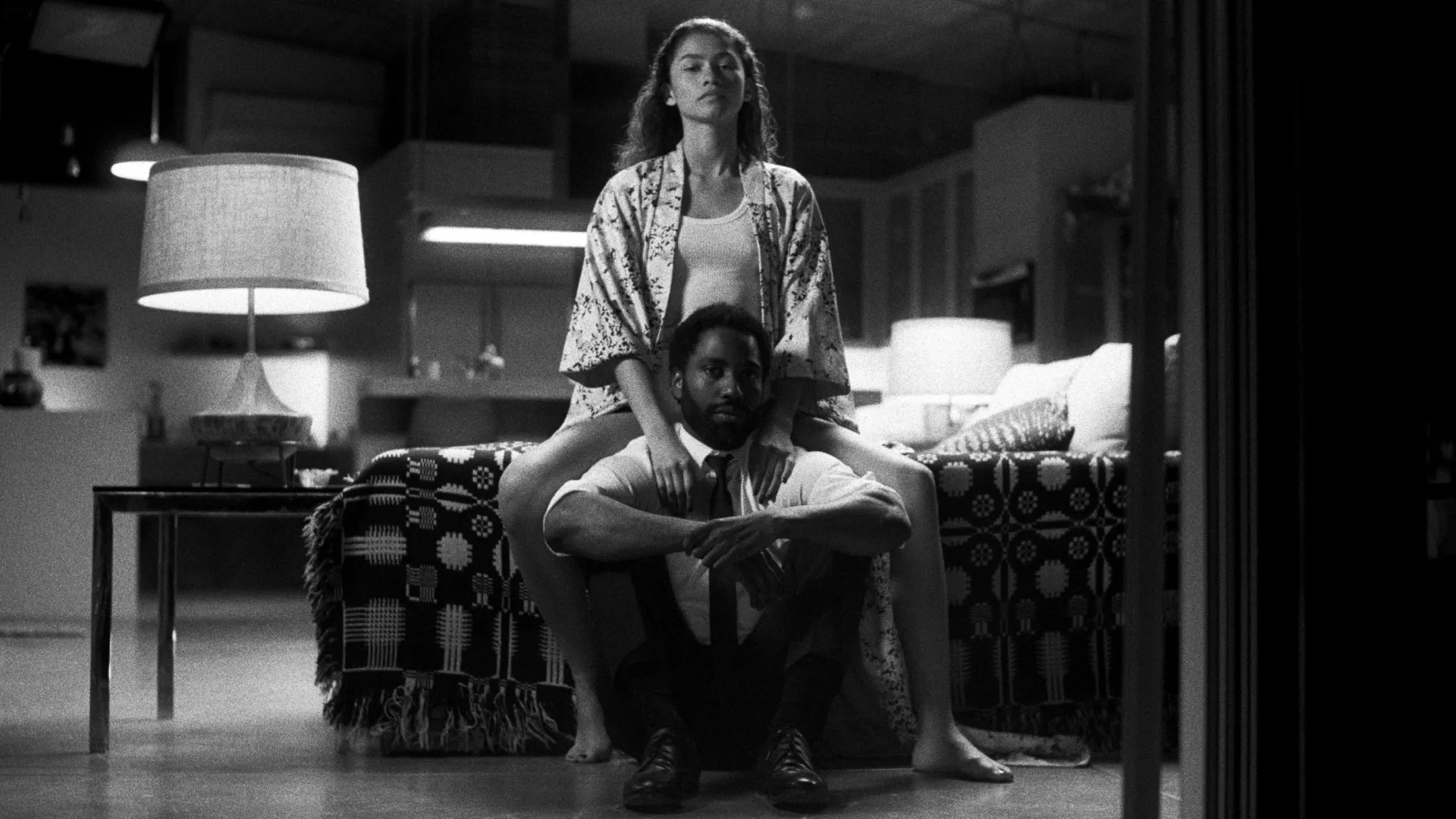
(Source: IMDb)
Shot in stark black-and-white during the pandemic, this is an incredibly high-tension, two-person chamber piece that unfolds over one volatile night. A filmmaker and his actress girlfriend engage in a relentless, cathartic argument where they mercilessly air every uncomfortable truth about their relationship, their vulnerabilities, and their professional egos. It possesses the intense, contained emotional warfare, the focus on dialogue as conflict, and the elevated, artistic style crucial to mirroring the intimate setting of The Drama.
In the Mood for Love (2000) directed by Wong Kar-wai
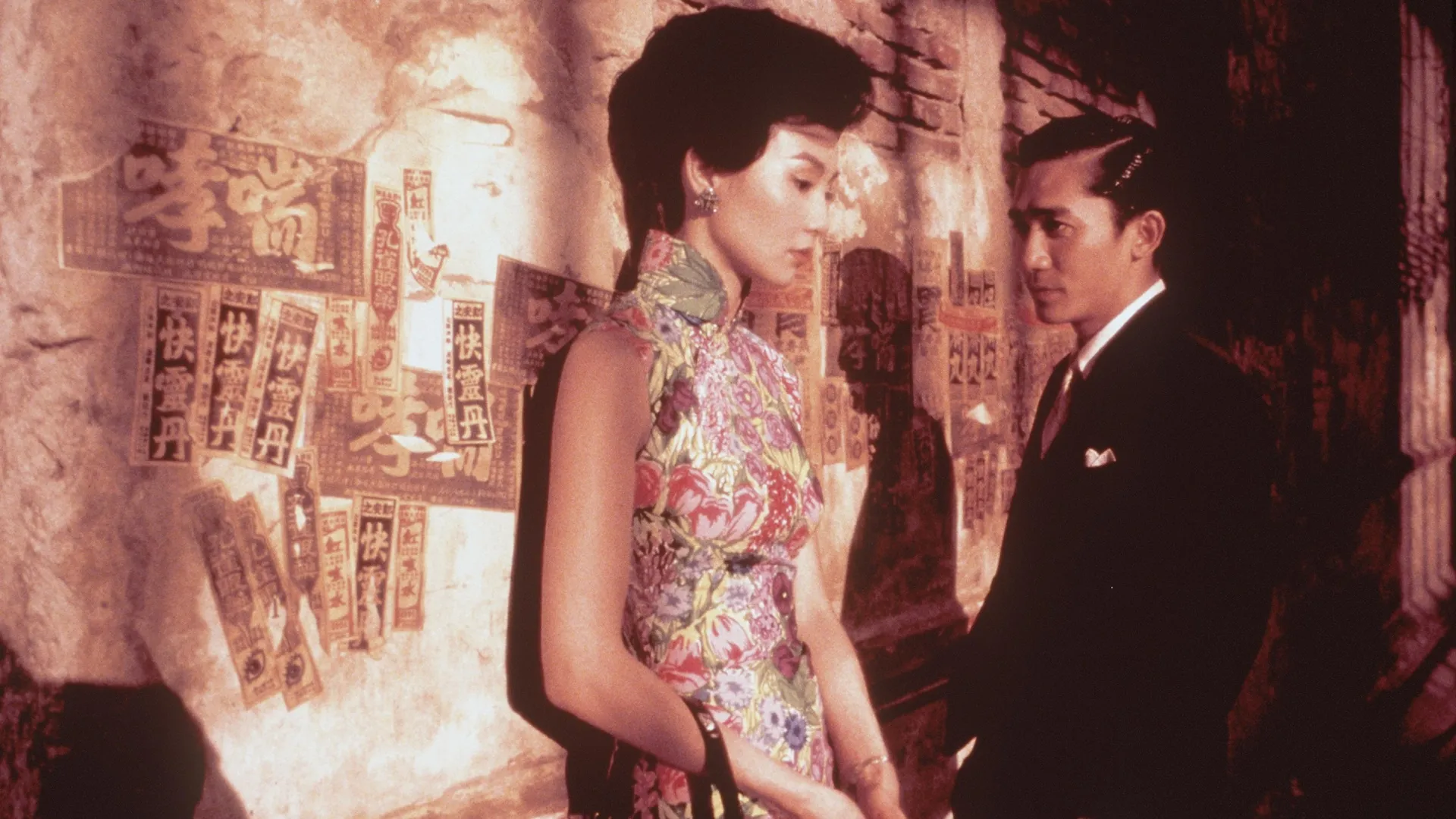
(Source: IMDb)
More subtle and profoundly melancholic, yet equally intense in its emotional stakes, this visually stunning film centers on two neighbors who gradually discover that their respective spouses are having an affair. The drama is built on exquisite longing, unspoken truths, shared glances, and the necessity of silence. It uses an incredibly high, saturated style to frame a narrative of profound betrayal, where the emotional truth is conveyed not through confrontation, but through the haunting elegance of what is not said.
Don’t Worry Darling (2022) directed by Olivia Wilde

(Source: IMDb)
Set with a dazzling, high-style 1950s aesthetic, the movie follows a suburban wife who begins to suspect that the meticulously curated, “perfect” life she shares with her charismatic husband is underpinned by a dark, reality-bending secret. It successfully blends the glamour-versus-ruin dichotomy, combining stylistic mystery and unsettling dread with the theme of a relationship built entirely on a powerful, catastrophic lie that must ultimately be exposed.
The Two Faces of January (2014) directed by Hossein Amini

(Source: IMDb)
An atmospheric neo-noir romantic thriller set across sun-drenched Greek and Turkish locales. A wealthy American couple, harboring a profound and violent secret, encounter an outsider and are soon forced to go on the run. The film captures the necessary elements of mounting tension, deceit, and an inescapable sense of fatalistic decay, where the stunning scenery only heightens the characters’ moral corruption and the secrets they are desperately trying to outrun.
Who’s Afraid of Virginia Woolf? (1966) directed by Mike Nichols
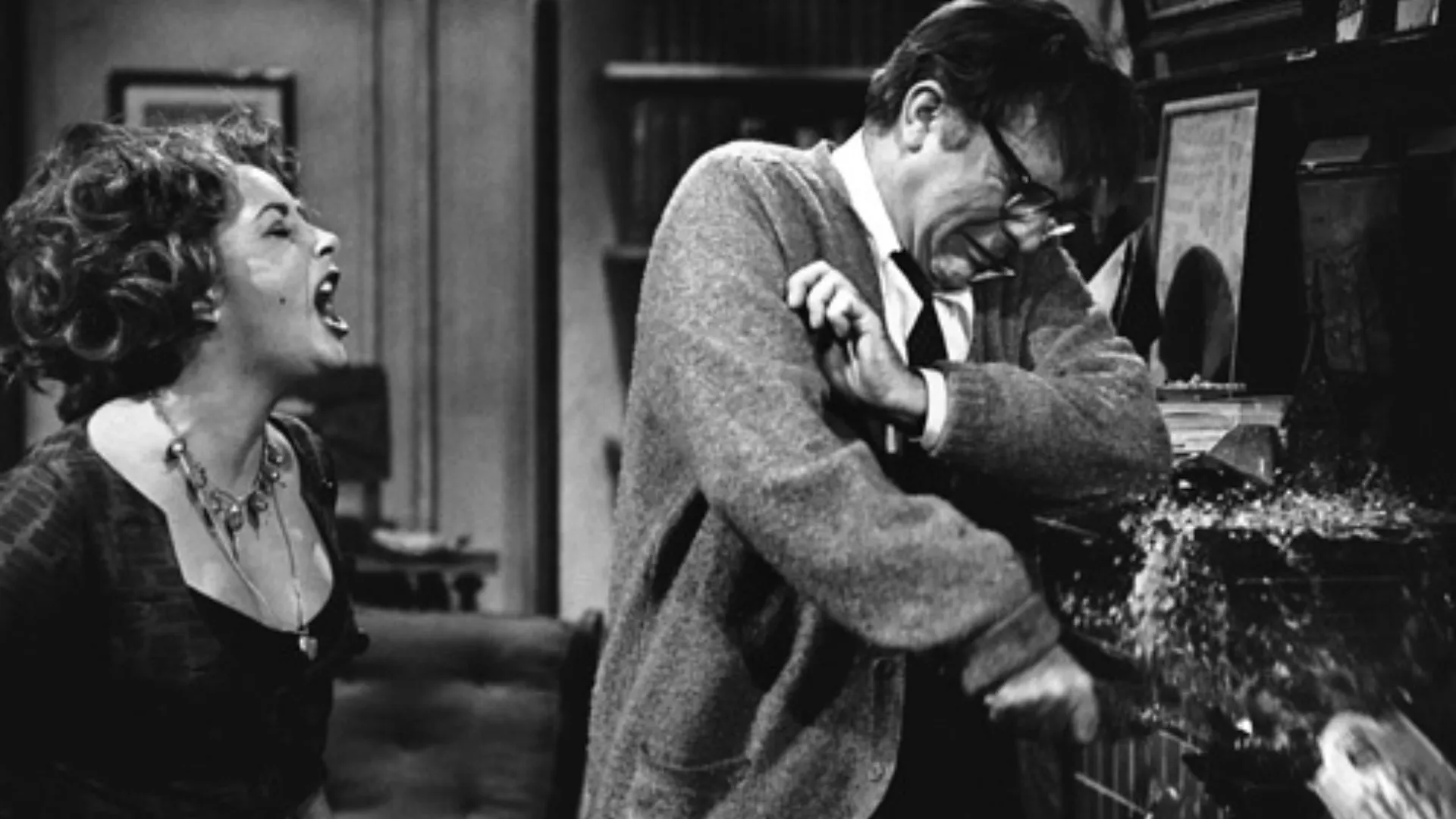
(Source: IMDb)
The quintessential dramatic chamber piece about a marriage sustained entirely by volatile, corrosive lies. Over the course of one brutal, drunken night, a couple forces a younger pair to bear witness as they meticulously dismantle the deepest, most sacred “truth” of their relationship. Its intense, confined focus on verbal cruelty and the revelation of a foundational fiction makes it the ultimate progenitor of the “marital secret” subgenre.
Marriage Story (2019) directed by Noah Baumbach
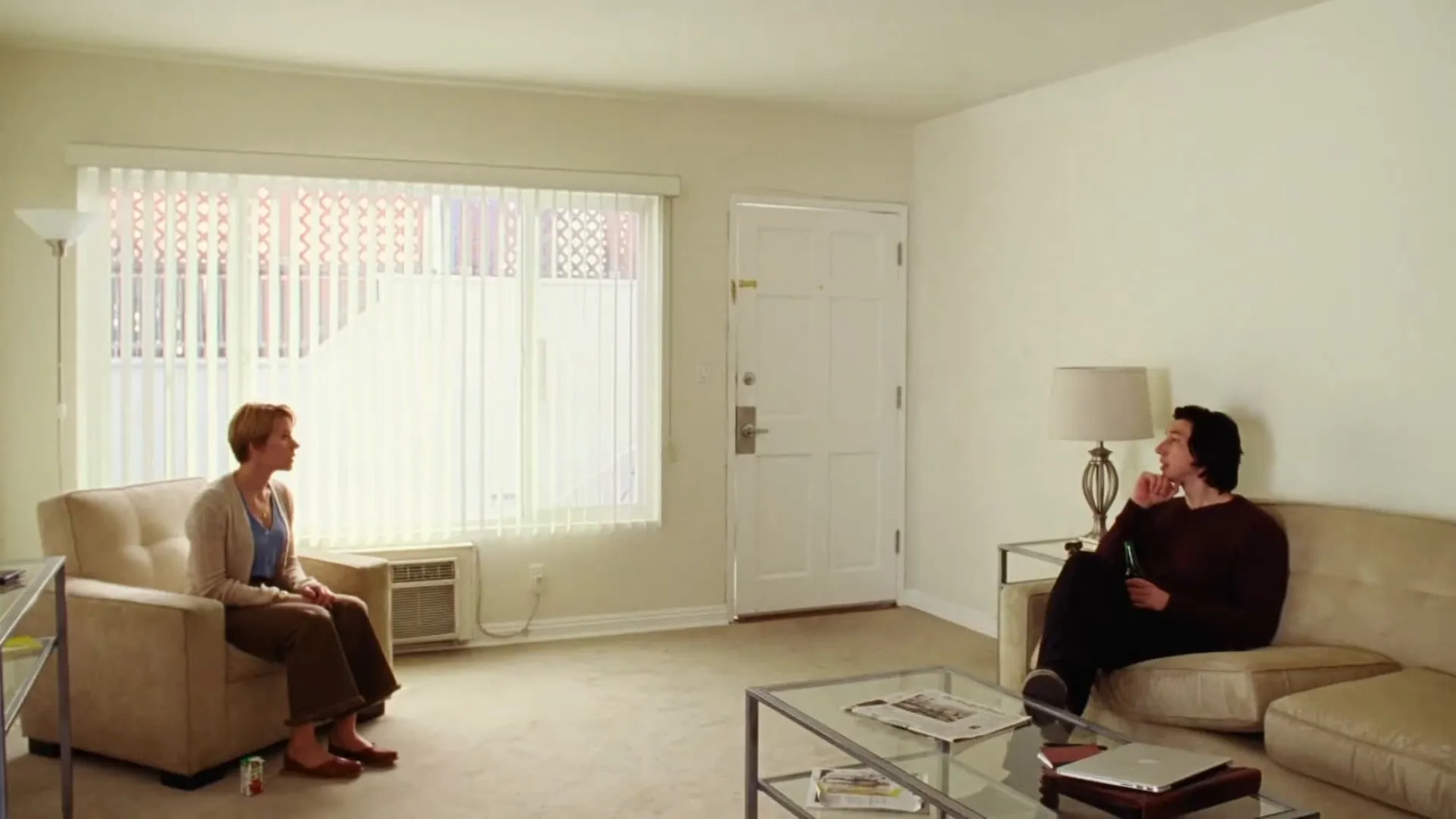
(Source: IMDb)
Though dealing with divorce rather than pre-marital secrets, the film perfectly encapsulates the pain of realizing a partner you thought you knew has become an adversarial stranger. It is a sharp, often funny, but ultimately devastating examination of how two complex people can love each other while simultaneously revealing the worst parts of themselves during an agonizing separation. It grounds the emotional destruction in realism, echoing the raw confessional nature of The Drama.
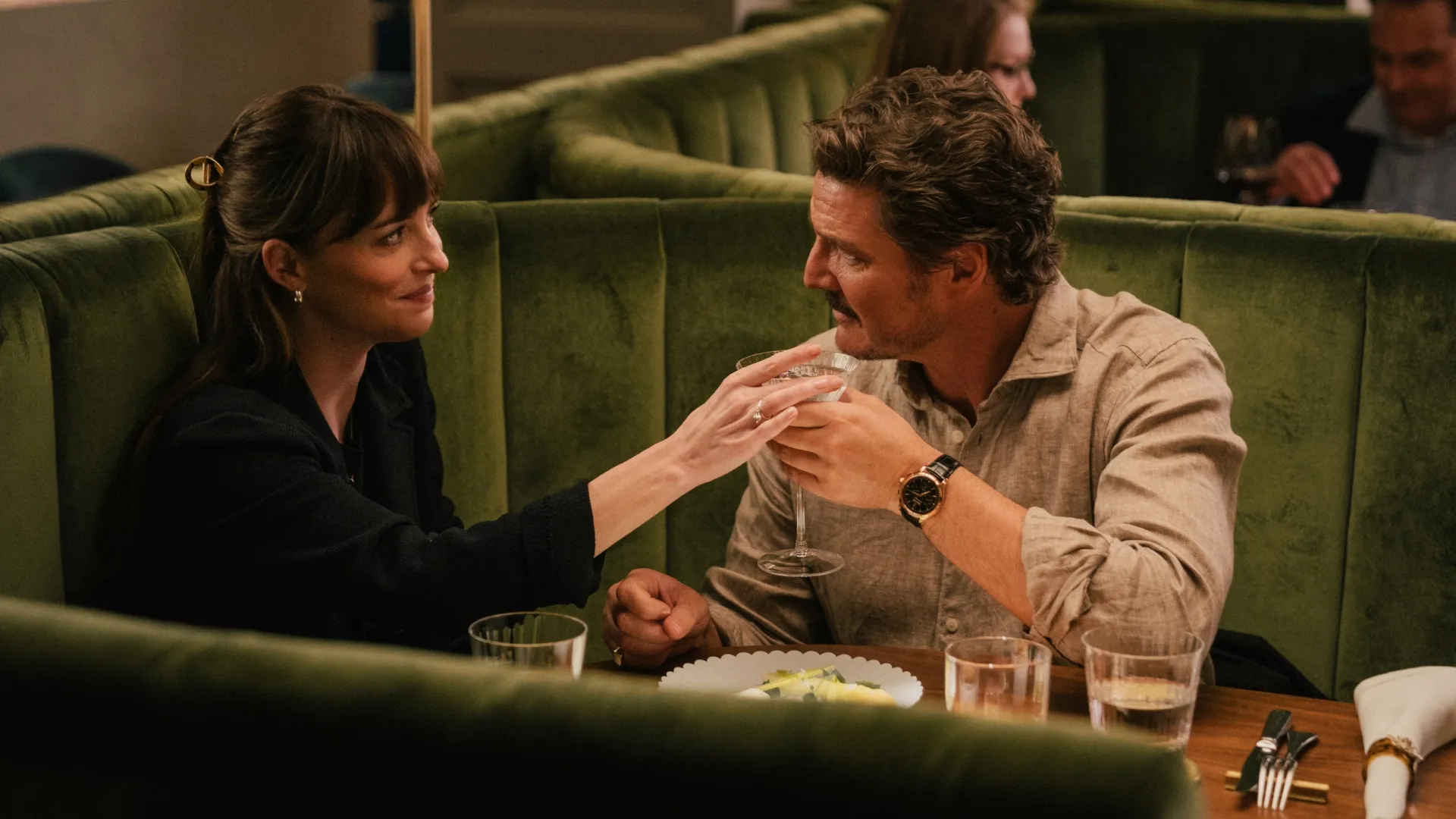
Materialists (2025) directed by Celine Song
(Source: IMDb)
As one of the 2025’s defining cinematic events, Materialists has already cemented its place in the modern drama lexicon. Following the immense success of Past Lives, Celine Song delivers an intimate, sophisticated, and ruthlessly observational study of emotional entanglement and strategic connection in the high-stakes New York dating scene. Its sharp focus on the hidden calculations and vulnerabilities beneath polished facades—particularly in how money and ambition intersect with love—makes it a perfect thematic match for the stylish, contemporary emotional turmoil central to The Drama.