When The Blair Witch Project premiered in 1999, audiences weren’t just watching a horror movie—they were peering into what felt like recovered evidence. Produced on a microbudget and marketed as real missing-person footage, it rewired the genre’s DNA and proved that suggestion, not spectacle, could burrow deeper under the skin.
Years later, Paranormal Activity would replicate that alchemy, turning bedroom security cameras and subtle nocturnal disturbances into a box-office phenomenon. The found footage format, once dismissed as a gimmick, became a laboratory for filmmakers willing to trade polish for plausibility.
What makes the subgenre endure is its intimacy. The shaky camera, the fractured audio, the absence of a traditional score—these are not limitations but weapons. Some films stand out not simply for their scares, but for how they manipulate perspective and realism, turning everyday devices into conduits for sleepless nights.
V/H/S (2012)
(Source: IMDb)
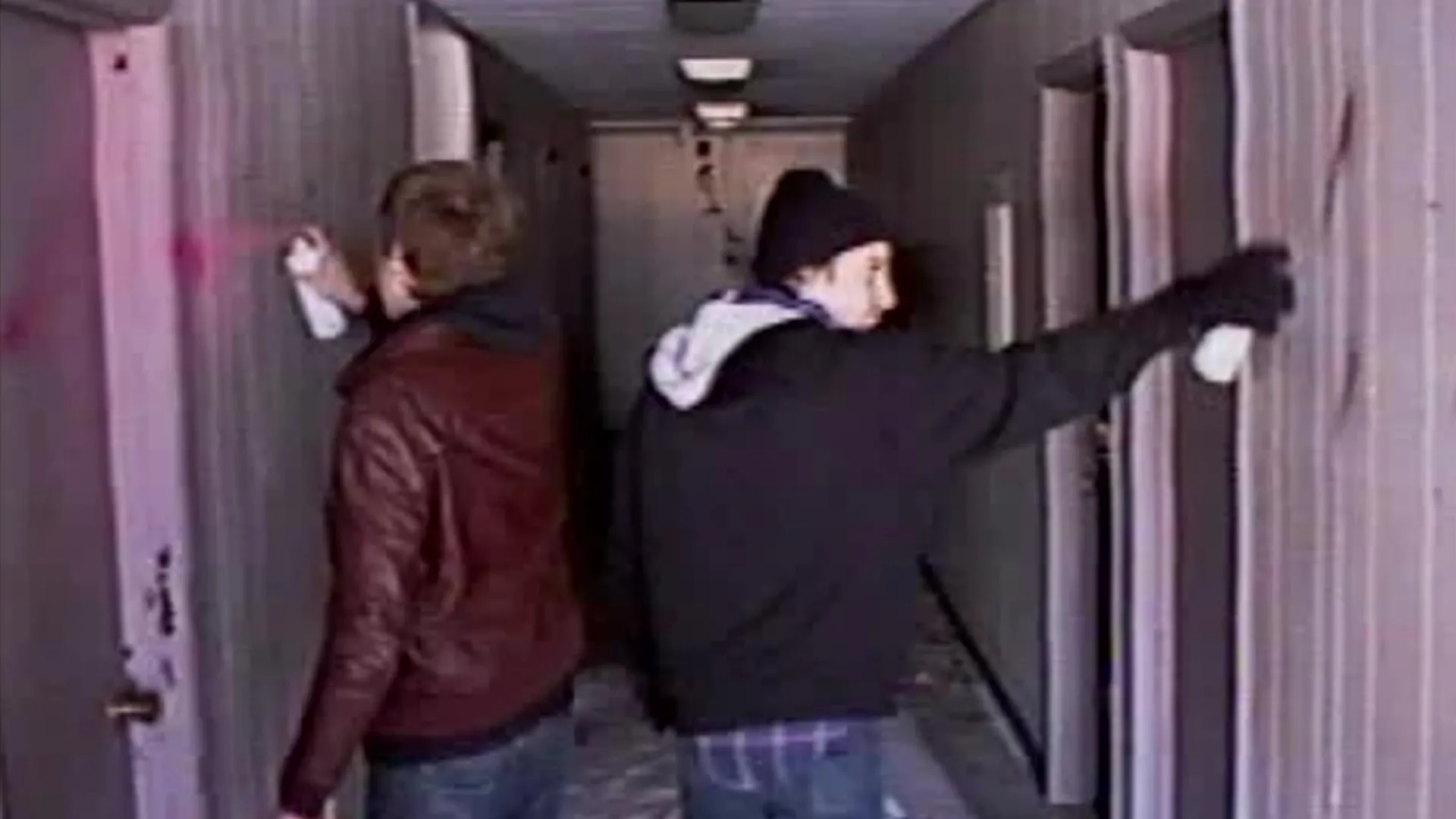
An anthology that feels like a cursed mixtape, V/H/S stitches together multiple found footage nightmares under one grimy conceit: a group of petty criminals break into a house and discover a stack of mysterious tapes. Each cassette unleashes a different brand of terror, from predatory encounters to supernatural invasions, all filtered through distorted camcorder lenses.
What makes it endure is its rawness. The shifting directors and tones create instability, and that unpredictability becomes the scare itself. It’s chaotic, aggressive and deliberately unpolished—exactly the kind of fragmented horror that lingers long after the static fades.
Host (2020)
(Source: IMDb)
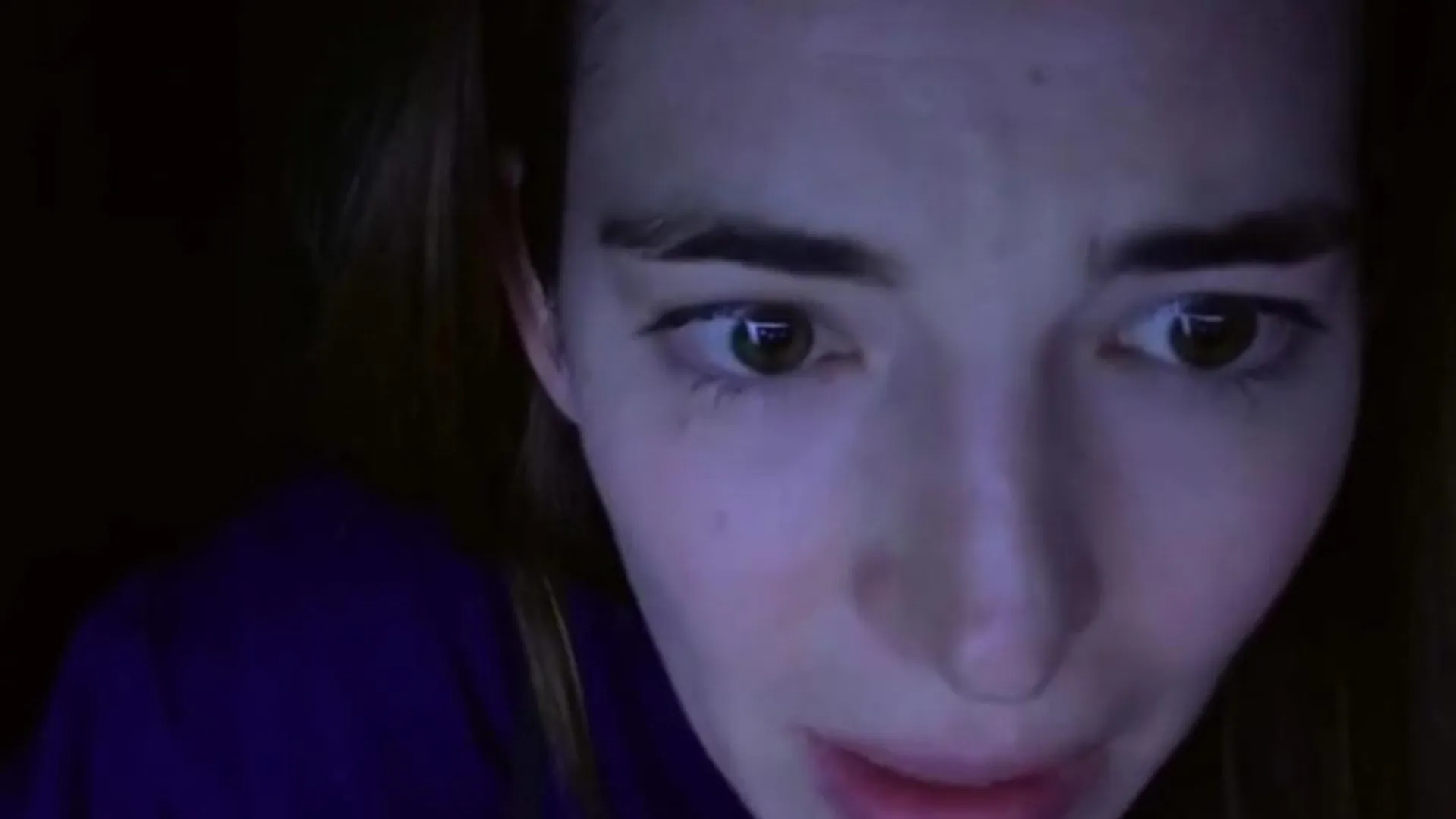
Shot during lockdown and unfolding entirely over a Zoom call, Host turned pandemic isolation into a pressure cooker. The premise is deceptively simple: a group of friends hire a medium for an online séance that spirals violently out of control.
At just under an hour, the film wastes no time building atmosphere. Glitches, frozen screens and everyday digital quirks become instruments of dread. It’s a reminder that found footage adapts effortlessly to new technology—proving that even a laptop camera can open the door to something malevolent.
As Above, So Below (2014)
(Source: IMDb)
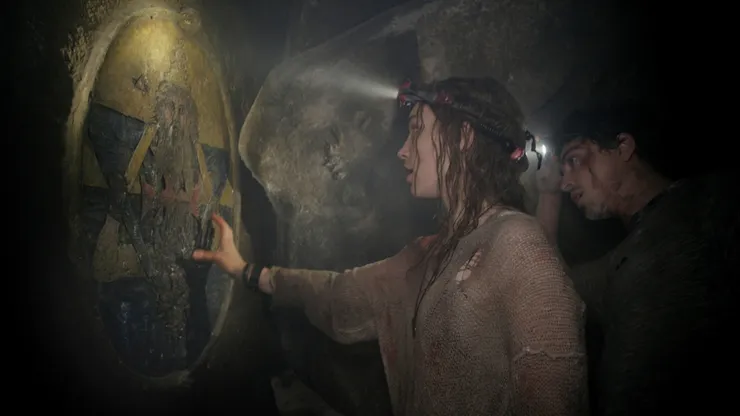
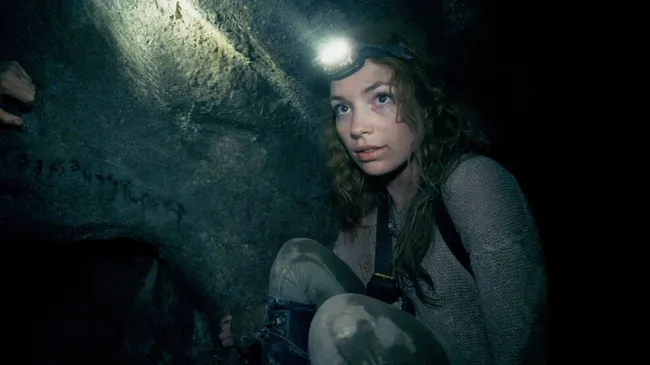
Set beneath the streets of Paris, this descent into the catacombs blends archaeological adventure with metaphysical horror. A young scholar obsessed with the Philosopher’s Stone leads a small team underground, where the tunnels twist into something far older and more sinister than bones.
The deeper they go, the more reality fractures. Claustrophobia tightens with every narrow passage, and personal guilt manifests in nightmarish ways. The film’s genius lies in turning a historical landmark into a living labyrinth—one that feels impossible to escape.
Cloverfield (2008)
(Source: IMDb)
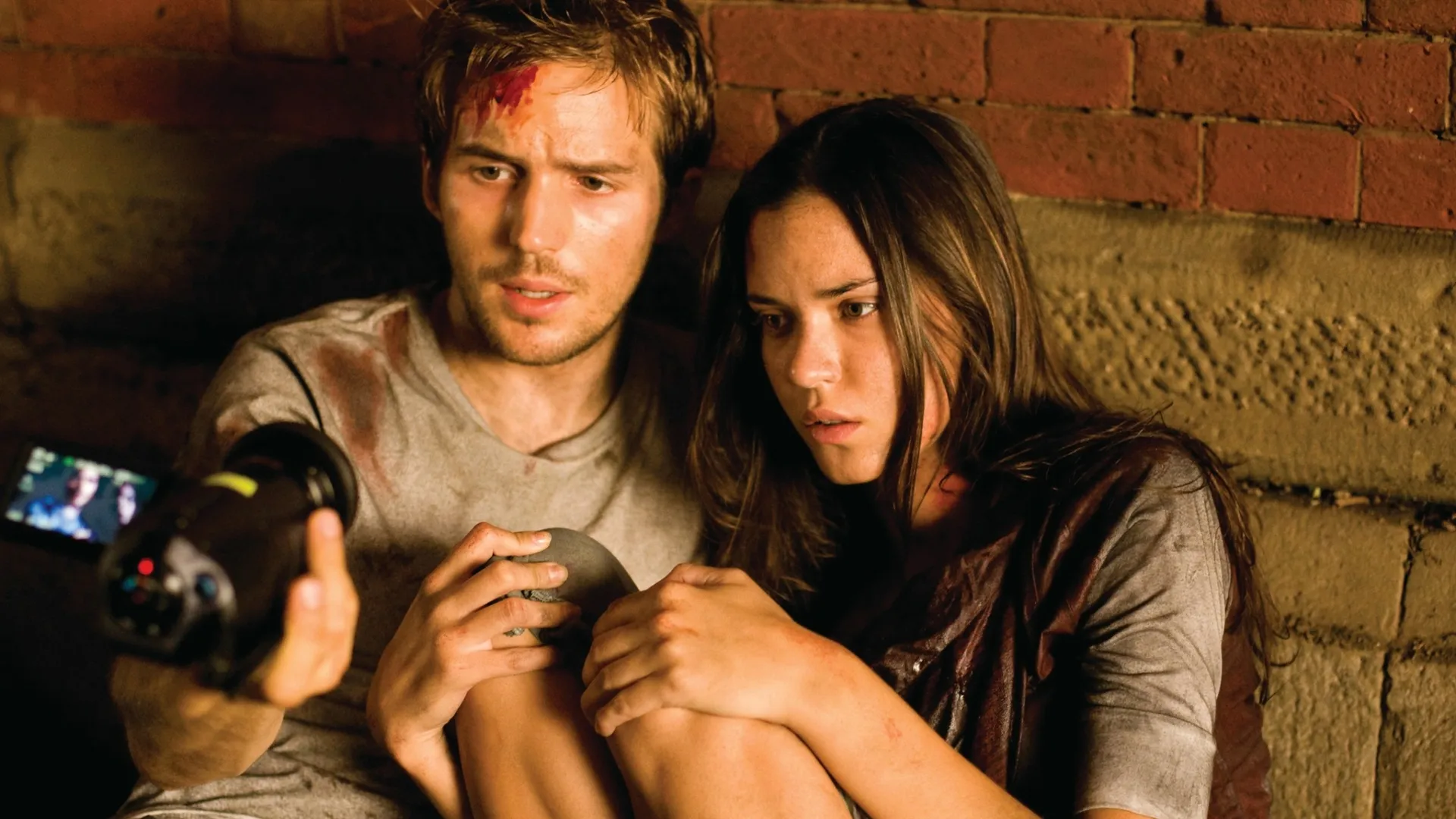
Matt Reeves’ monster spectacle filters large-scale destruction through a handheld camera at a going-away party. When an unseen force begins tearing through New York City, the celebration dissolves into chaos, all captured by a friend determined to document everything.
The found footage angle grounds the absurd in something disturbingly intimate. Skyscrapers fall, the Statue of Liberty’s head crashes into the street, and yet the focus remains on confusion and survival. It’s disaster cinema stripped of heroic distance—raw panic in real time.
The Taking of Deborah Logan (2014)
(Source: IMDb)
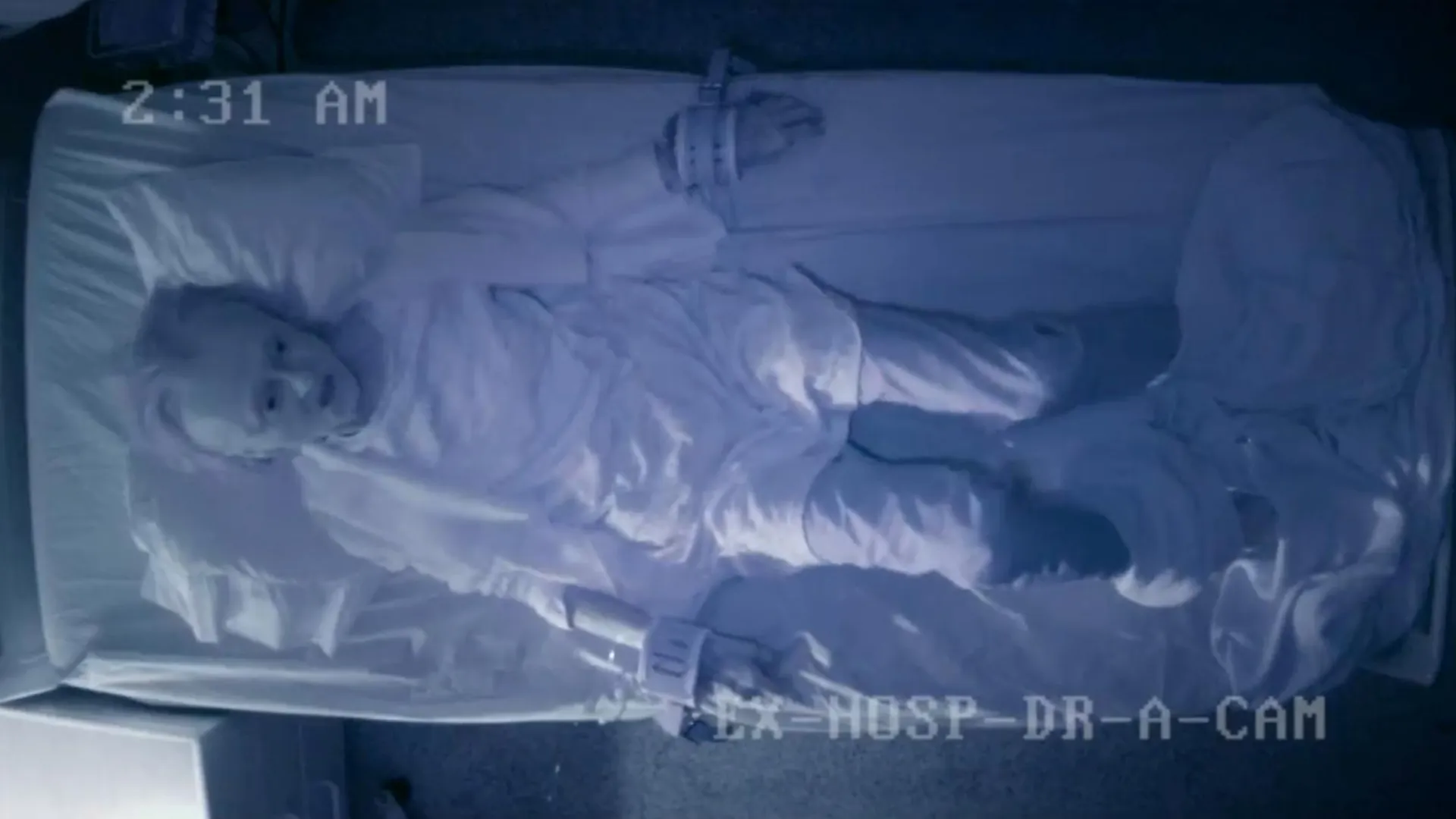
Framed as a medical documentary about Alzheimer’s disease, this film begins with quiet observation and ends in something far darker. A film crew follows an elderly woman whose condition appears to deteriorate rapidly—but her increasingly erratic behavior hints at something beyond illness.
The horror escalates slowly, weaponizing the intimacy of caregiving spaces. Bedrooms and hospital rooms become sites of possession and ancient ritual. It’s a chilling example of how found footage can blur the line between clinical realism and supernatural terror.
Noroi: The Curse (2005)

(Source: IMDb)
This Japanese cult classic unfolds like an investigative documentary. A paranormal researcher traces a string of strange occurrences—disappearances, psychic children, cryptic symbols—all seemingly connected to an ancient demon known as Kagutaba.
Director Kōji Shiraishi builds dread through accumulation rather than shock. Television clips, interviews and grainy recordings stack up until the pattern becomes undeniable. The result is methodical and deeply unsettling, a slow burn that rewards patience with lingering unease.
Grave Encounters (2011)
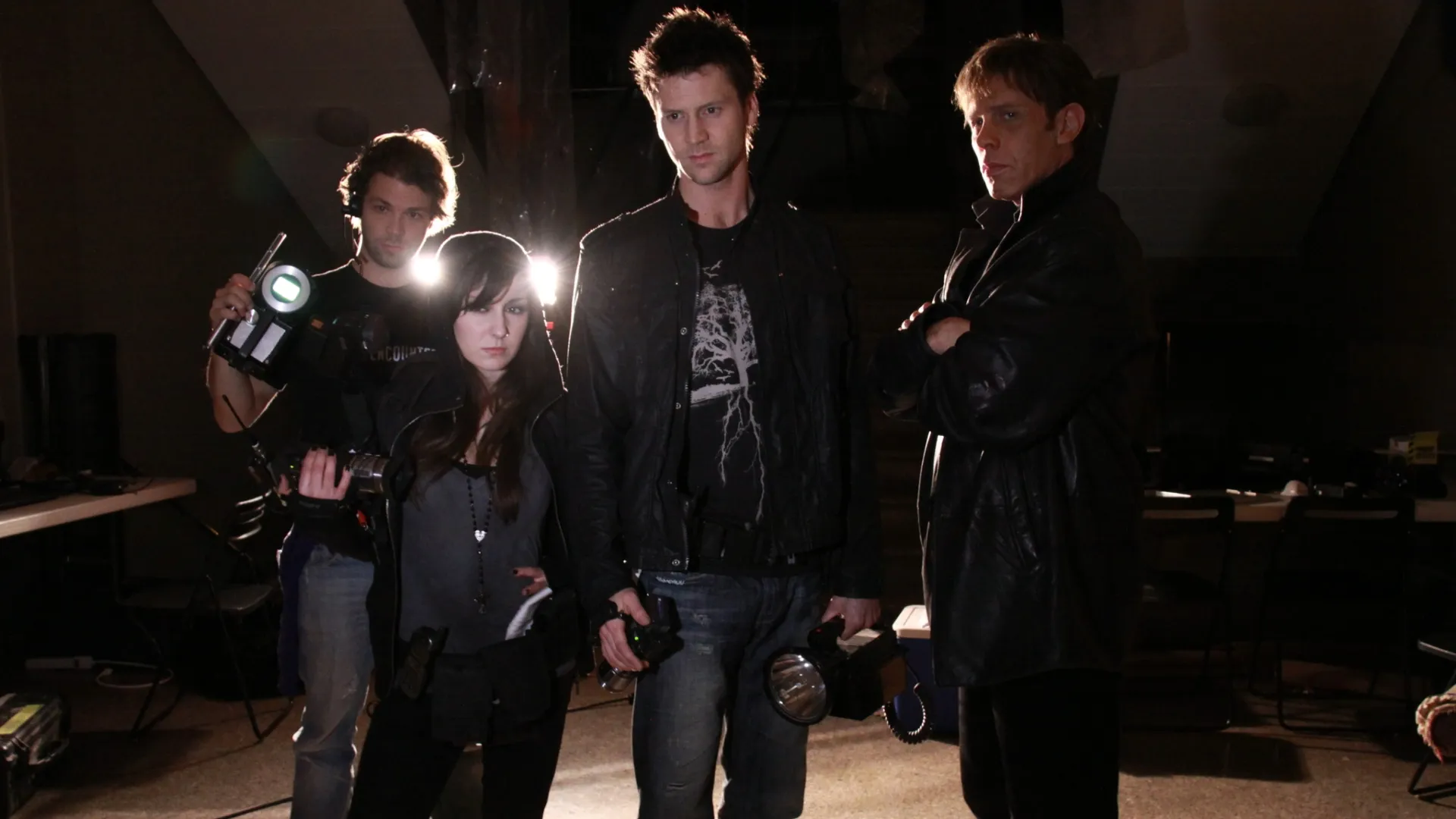
(Source: IMDb)
Presented as lost footage from a ghost-hunting reality show, Grave Encounters traps its crew inside an abandoned psychiatric hospital that refuses to obey the laws of space and time. What begins as staged bravado quickly collapses into genuine terror.
Doors disappear, hallways loop endlessly and the building itself seems sentient. The film cleverly satirizes paranormal TV conventions before turning them vicious. By the final act, skepticism has curdled into hysteria—proving that sometimes the camera captures more than anyone is prepared to face.