Gothic cinema is creeping back into the mainstream, and 2026 is shaping up to be a year steeped in shadow. After a decade dominated by sleek psychological thrillers and elevated horror, studios and independent filmmakers alike are returning to crumbling estates, candlelit corridors and stories haunted as much by grief as by ghosts.
Industry lineups and early festival buzz point to a renewed appetite for adaptations of 19th-century literature, reimaginings of folkloric legends and original screenplays that trade jump scares for atmosphere. The emphasis is not on shock, but on dread that lingers—slow, romantic and corrosive.
The Bride!
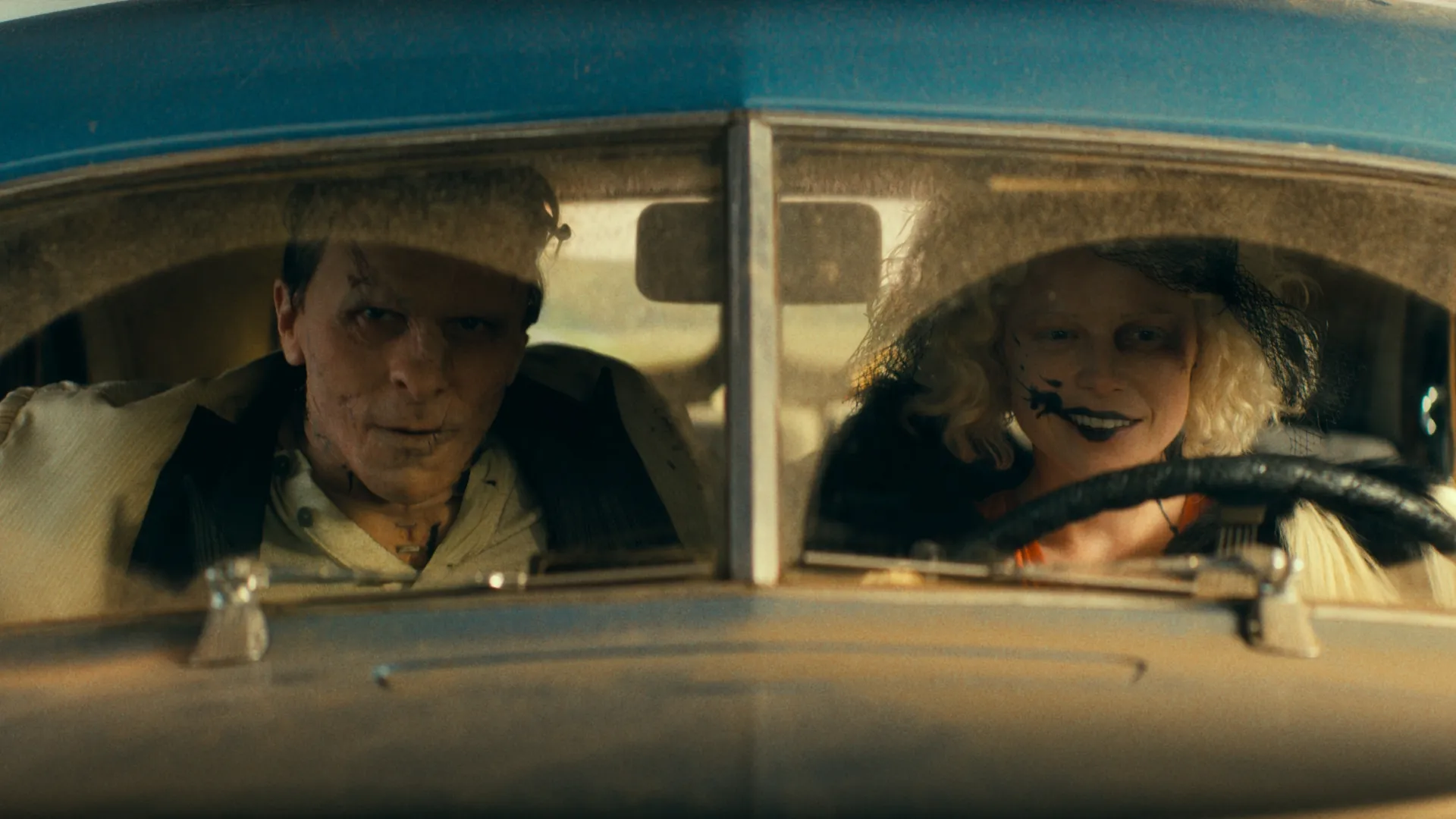
Christian Bale and Jessie Buckley in The Bride! (Source: IMDb)
A genre-bending Gothic romance directed and written by Maggie Gyllenhaal, this film reimagines elements from the classic Bride of Frankenstein mythos with fresh thematic twists. It centers on Frankenstein’s Monster and his quest for companionship in a richly period-set 1930s Chicago, where love and tragedy intertwine under a forbidding social spotlight.
In this stylized reimagining, the lonely Frankenstein (Christian Bale) enlists the help of Dr. Euphronious to revive a murdered woman as his companion, only to find that the resulting “Bride” (Jessie Buckley) rebels against her prescribed role. Their combustible romance ignites police scrutiny and sparks social unrest, blending horror, passion and radical identity struggles in a narrative that upends the old monster story.
The Mummy
(Source: IMDb)
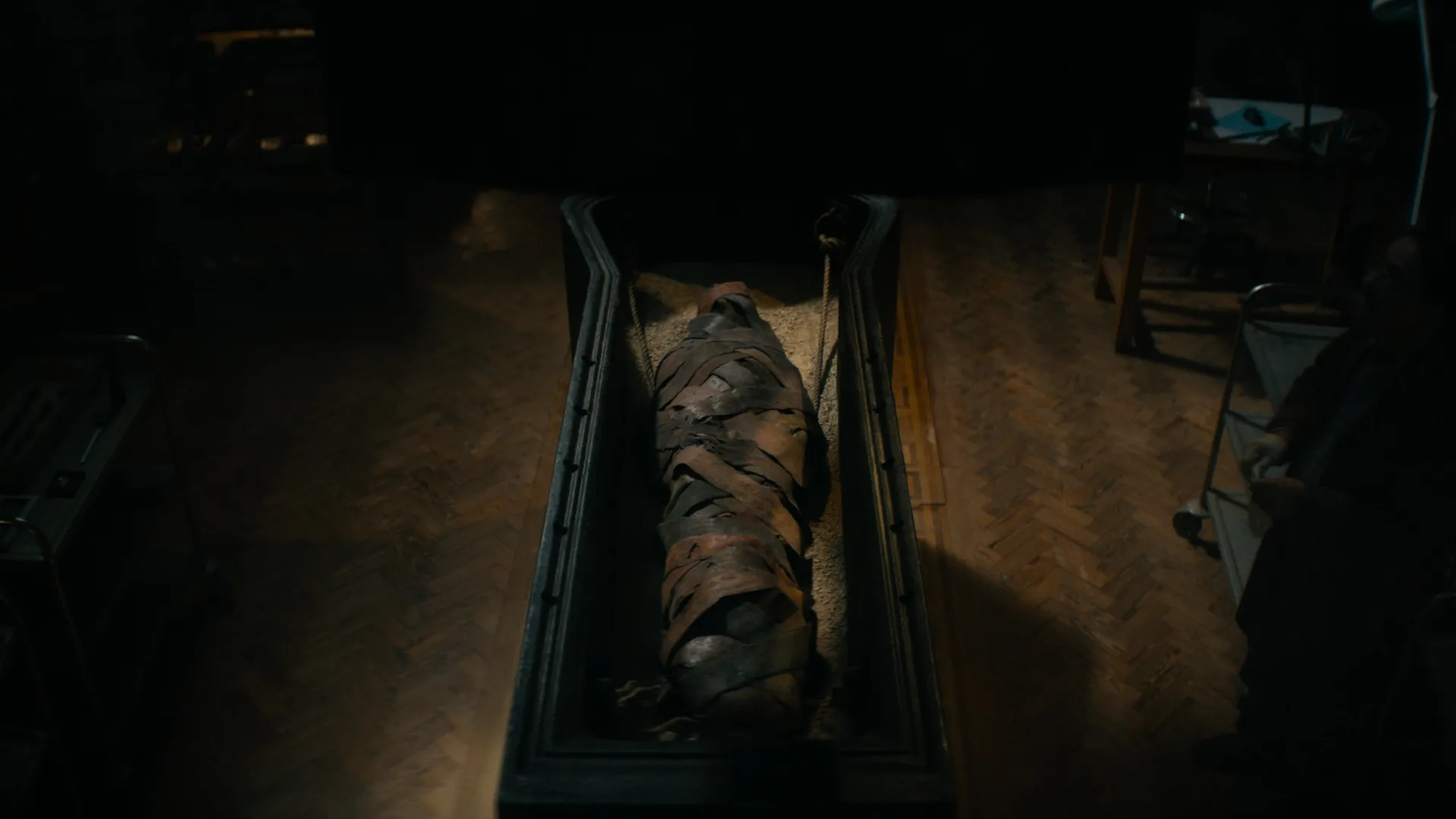
Lee Cronin’s update to the classic supernatural horror franchise brings fresh terror to the well-worn legend of undead curses and ancient wrath. Produced by Blumhouse and Atomic Monster, this take expands the myth while promising a haunting cinematic experience rooted in practical effects and folklore dread.
Here, the disappearance and sudden reappearance of a journalist’s daughter unspools into a nightmarish ordeal for her family: what should be a joyful reunion quickly turns into something sinister and incomprehensible, transforming domestic relief into a living nightmare as ancient forces encroach upon the modern world.
Nightborn
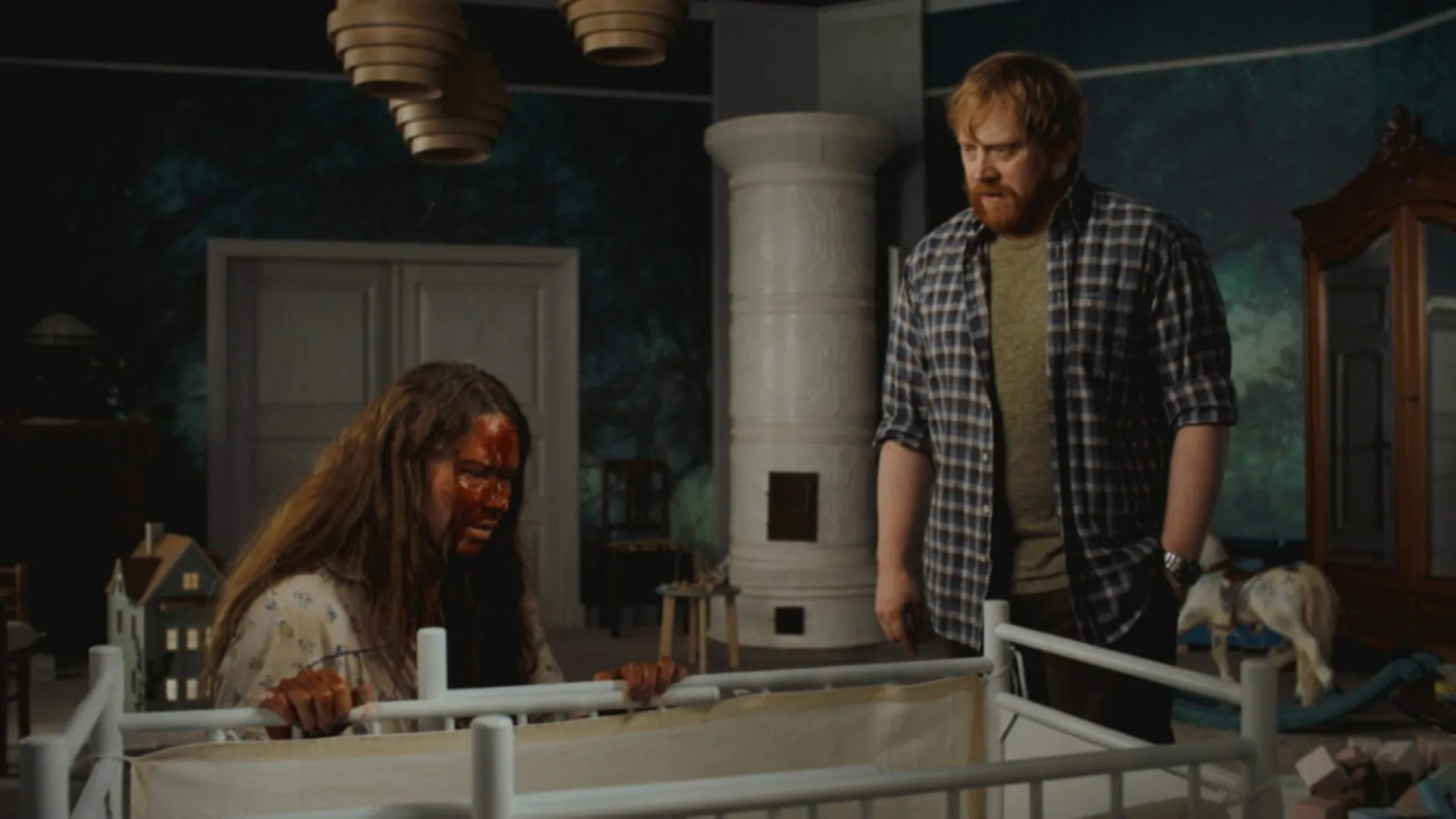
Rupert Grint and Seidi Haarla in Nightborn (Source: IMDb)
A Nordic horror fantasy from Finnish filmmaker Hanna Bergholm, this 2026 entry premiered at the Berlin International Film Festival with acclaim for its blend of psychological dread and mythic resonance. Reflecting folklore and visceral body horror traditions, Nightborn uses its isolated forest setting to conjure creeping unease.
The story follows Saga and her British husband Jon, who retreat to a remote woodland home to raise their first child, only to discover that parenthood itself harbors dark, uncanny forces. What begins as a hopeful new chapter rapidly descends into suspicion and terror as their newborn’s disturbing behavior and the forest’s ancient presence blur the lines between biological nightmare and supernatural threat.
Return to Silent Hill
(Source: IMDb)
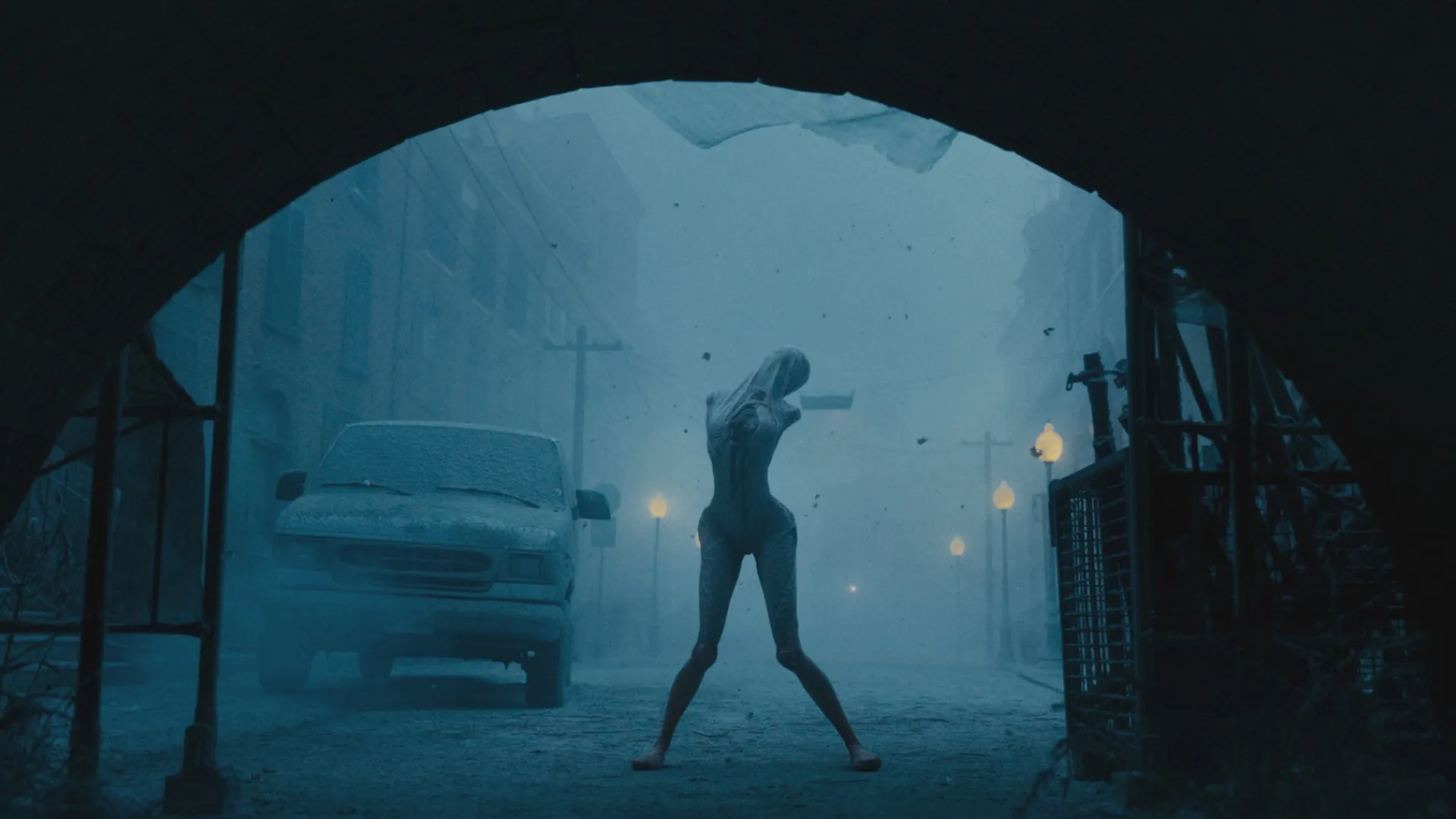
A reboot of the long-running Silent Hill film series, this supernatural psychological horror adapts key elements from the beloved survival horror game Silent Hill 2. Directed by Christophe Gans with a screenplay steeped in nightmare imagery, the movie evokes fog-choked streets and eerie, decaying spaces where past and guilt collide in terrifying ways.
The plot centers on James Sunderland, an artist devastated by the loss of his girlfriend Mary Crane, who receives a mysterious letter beckoning him back to the fog-enshrouded town that haunts his memories. What begins as a desperate search for reunion soon transforms into a descent through surreal nightmares and monstrous manifestations that force James to confront grief, illusion and obsession in a town where dead memories take shape.
Wuthering Heights
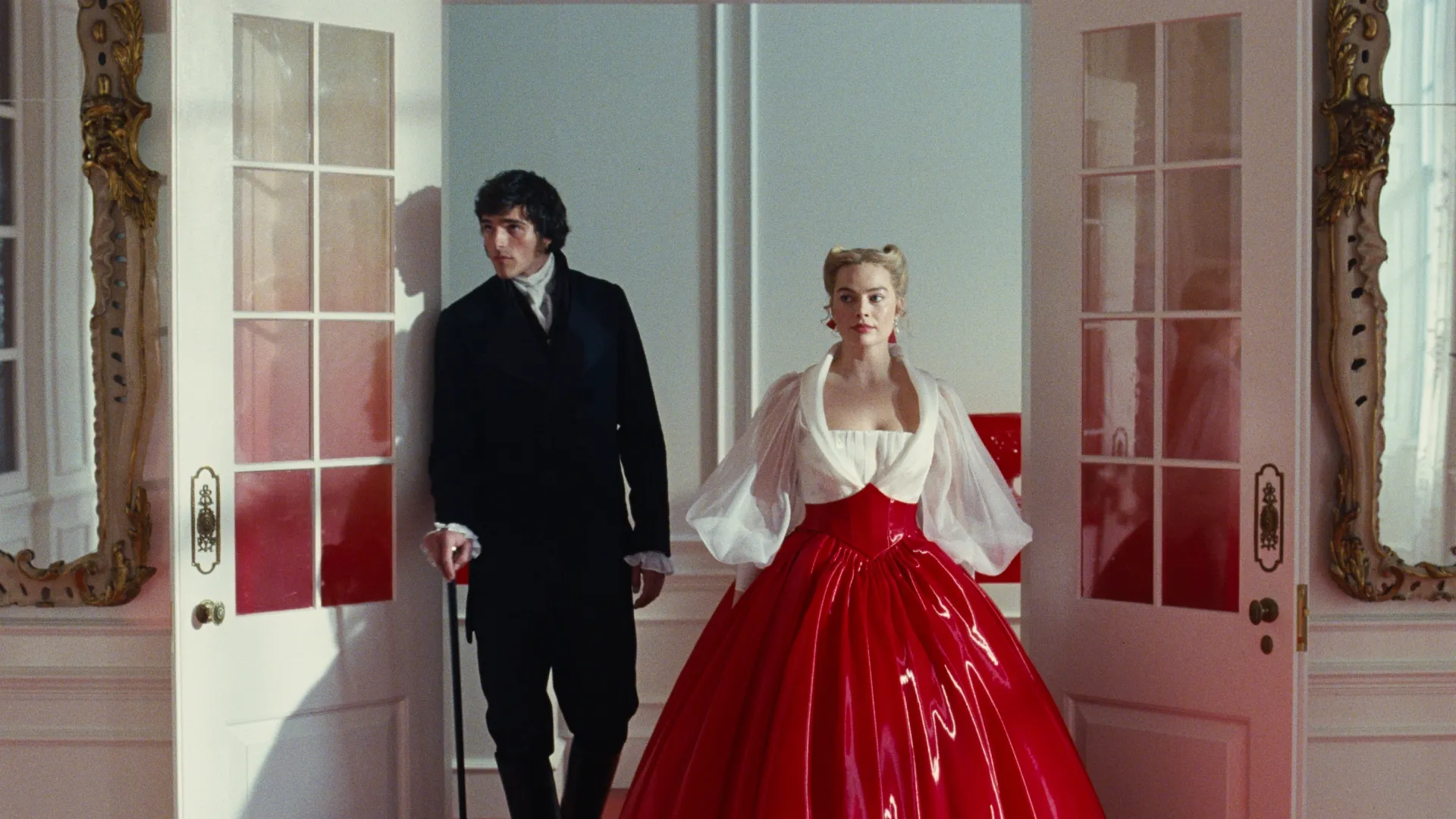
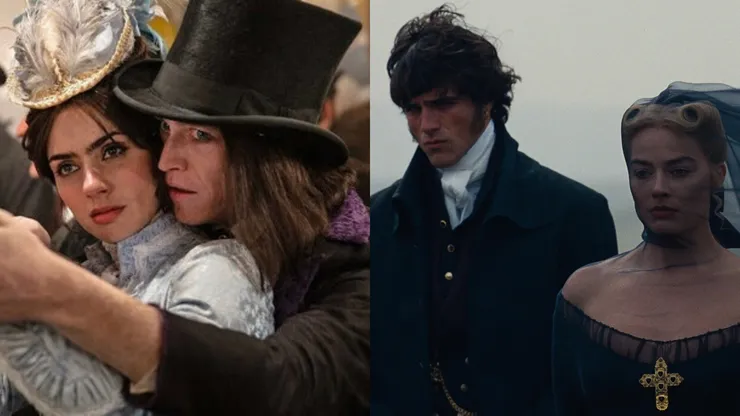
Margot Robbie and Jacob Elordi in Wuthering Heights (Source: IMDb)
Emerald Fennell’s highly anticipated adaptation of Emily Brontë’s 1847 Gothic classic re-envisions the tragic tale of love and vengeance set on England’s bleak moors. The film delves deeply into brooding emotional terrain while maintaining the raw narrative spine of its source material, promising sweeping visuals and intense performances.
At the heart of the story is Cathy Earnshaw and the orphan Heathcliff, whose bond grows from childhood companionship into a fierce, destructive passion. As social divisions and personal anguish widen, Wuthering Heights becomes a stage for tempestuous emotions, betrayal and unrelenting longing—an atmospheric exploration of love that defies morality and mortality alike.
Dracula: A Love Tale
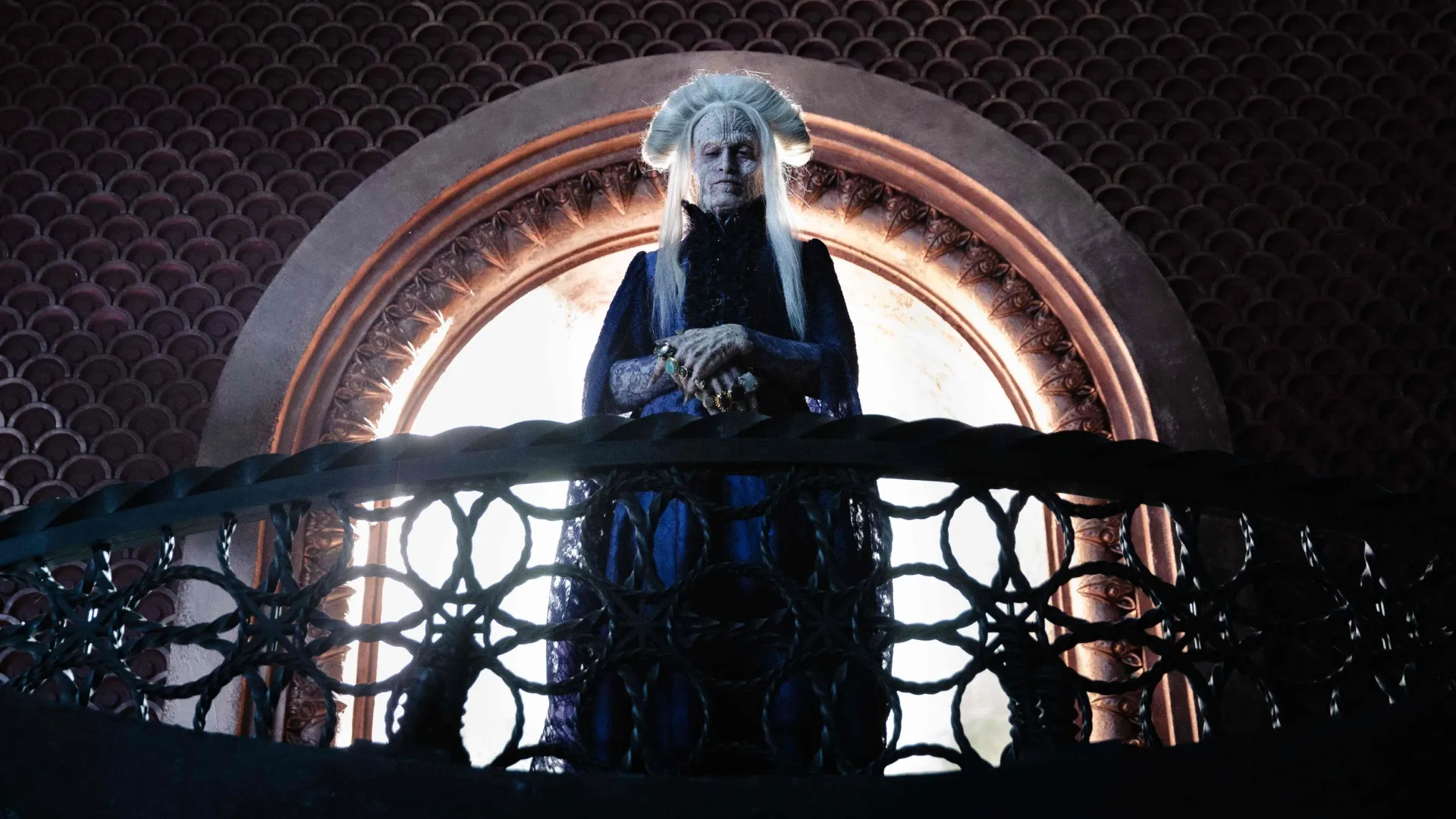
Caleb Landry Jones in Dracula: A Love Story (Source: IMDb)
This reimagined take on the iconic vampire myth emphasizes romance and cursed immortality in a gothic fantasy stylization. Directed by Luc Besson and starring Caleb Landry Jones as the eternally tormented count, the film reworks the classic Dracula narrative into an emotionally driven gothic romance that premiered in early 2026.
It follows a 15th-century prince who, after the brutal death of his beloved wife, renounces God and is cursed with eternal life—becoming the immortal Dracula. Centuries later, he believes he has finally found the reincarnation of his lost love in a young woman, sparking a passionate and doomed pursuit as vampire hunters close in and destiny challenges his hope of love against eternal damnation.
Werwulf
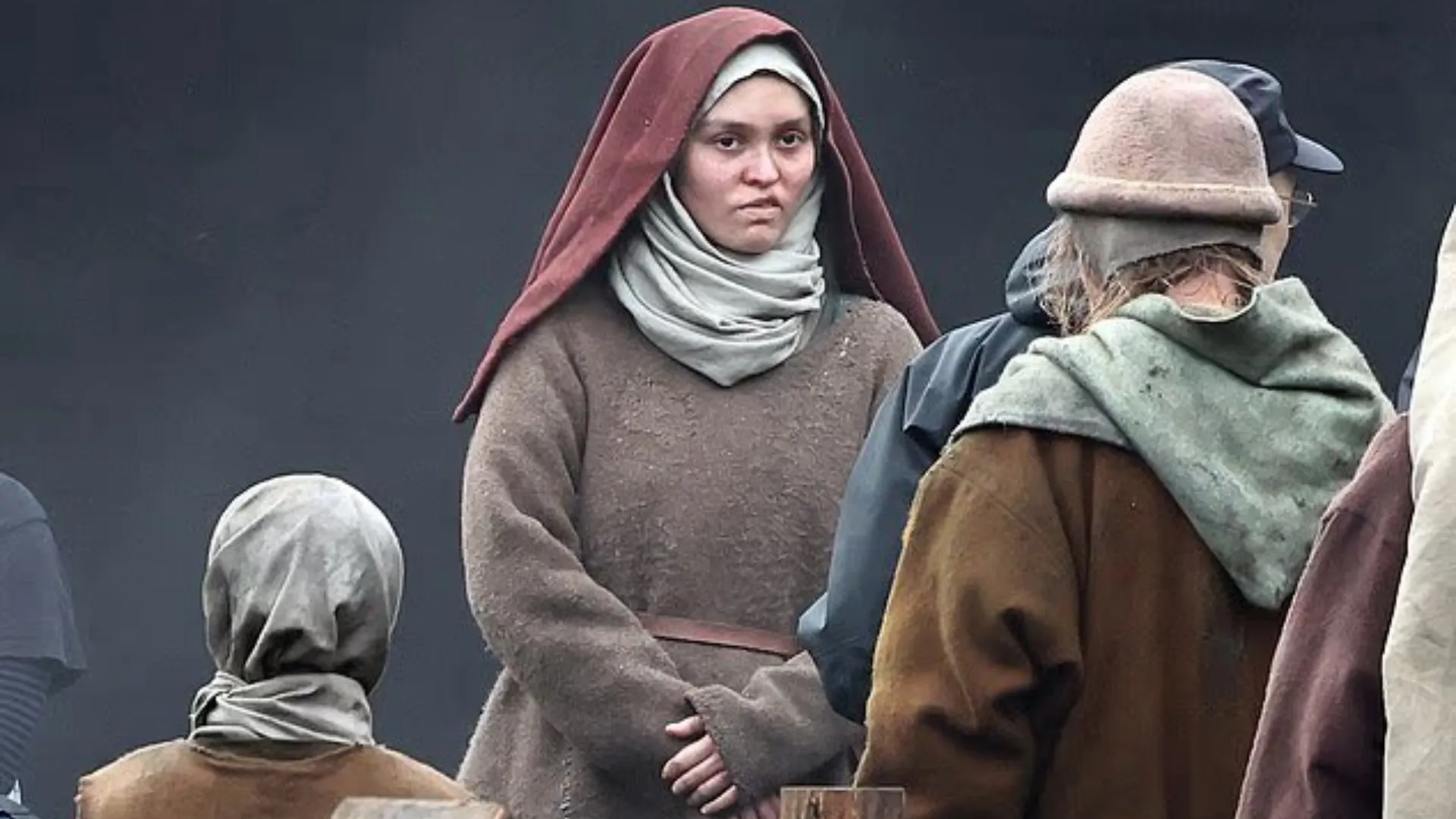
Lily-Rose Depp in Werwulf (Source: IMDb)
While still in production and slated for release on Christmas Day 2026, this medieval-themed werewolf tale from acclaimed horror auteur Robert Eggers promises a visceral, historically textured descent into Gothic folklore and lycanthropic terror—likely joining the year’s darker storytelling currents.
The plot unfolds in medieval England and follows a mysterious creature lurking in the mist, turning local legends into a terrifying reality as villagers confront an ancient supernatural threat.