While some actors go on to dominate the industry, others see their momentum fade because of career choices, changing trends, or simply bad timing. Take a look at 10 performers who were once considered the future of Hollywood.
Michael Biehn
Source: IMDb
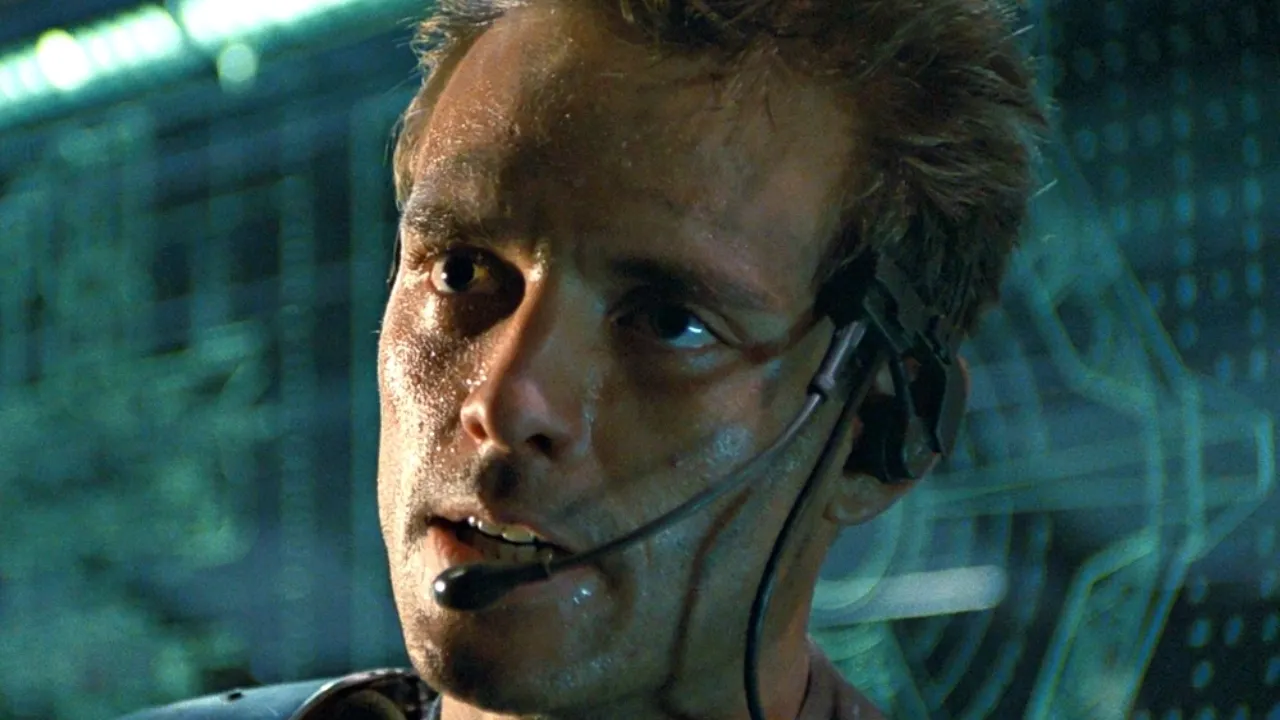
Few actors embodied the rugged intensity of 1980s sci fi and action quite like Michael Biehn, whose commanding turns in “The Terminator,” “Aliens,” and “The Abyss” positioned him as a natural heir to Hollywood’s leading man throne. Backed early on by frequent collaborator James Cameron and high powered agent Ed Limato, whose client list included stars like Denzel Washington and Mel Gibson, Biehn had every industry advantage pointing toward superstardom.
Yet the trajectory shifted as personal struggles with alcoholism began to take a toll, compounded by missed opportunities such as the leading role in “Batman” and a growing frustration with the demands of fame. Frequently cast as the hardened soldier, he found himself boxed into a narrow lane, while projects like “Navy Seals” failed to elevate his profile.
Rather than chase the spotlight, Biehn stepped away from the machinery of celebrity, opting for a quieter career defined by character work and cult favorites like “Tombstone” and “The Rock,” ensuring that even without sustained A-list status, his legacy remains firmly etched in genre history.
Taylor Kitsch
Source: IMDb
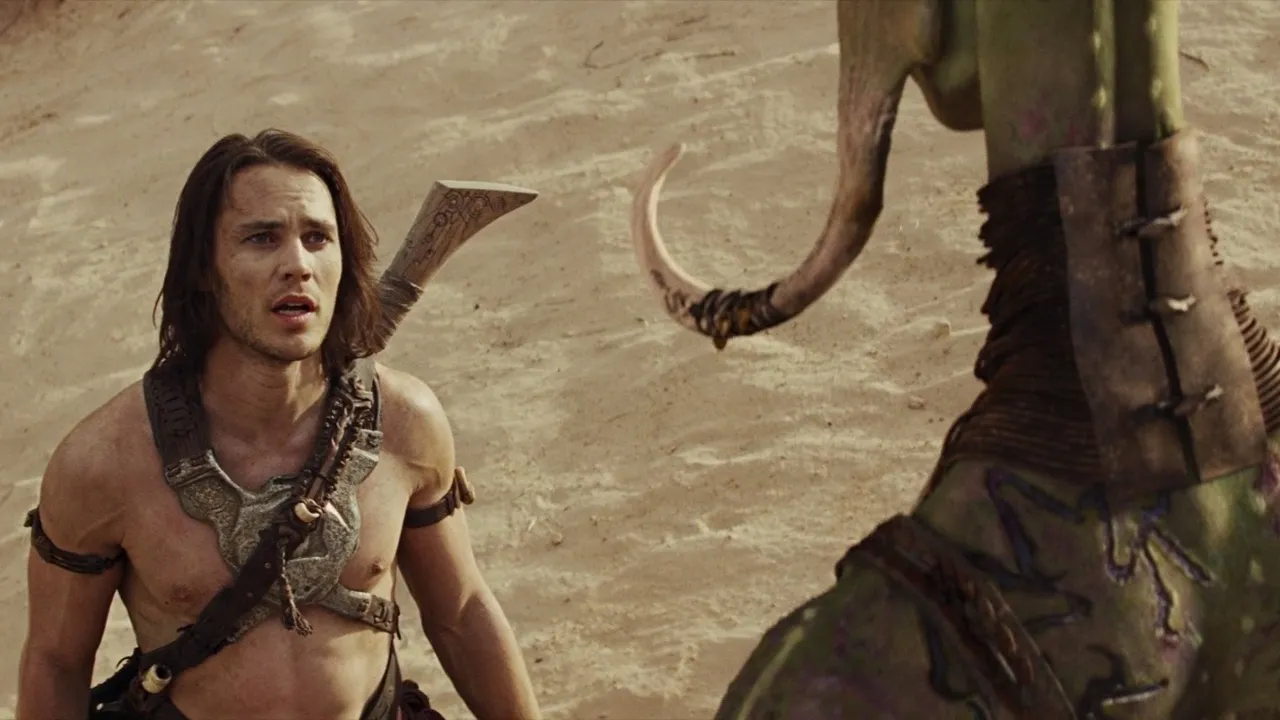
For a brief moment in the early 2010s, Taylor Kitsch looked like Hollywood’s next sure thing, propelled by his breakout appeal on “Friday Night Lights” into a trio of ambitious big screen swings.
In 2012 alone, he headlined “John Carter,” “Battleship,” and “Savages,” a high stakes push that ultimately backfired when the first two underperformed and dented his standing as a bankable leading man. The industry’s rapid attempt to turn him into a blockbuster anchor proved premature, and as those films faltered, so did the narrative of his inevitable superstardom.
Instead of forcing a comeback in the same mold, Kitsch recalibrated, stepping into more textured, character driven work in series like “True Detective,” “Waco,” and “The Terminal List,” where his performances earned stronger critical respect. Choosing a quieter life away from the Hollywood churn, he traded red carpet ambition for creative stability, ultimately reshaping his career into one defined less by hype and more by consistency.
Carl Weathers
Source: IMDb
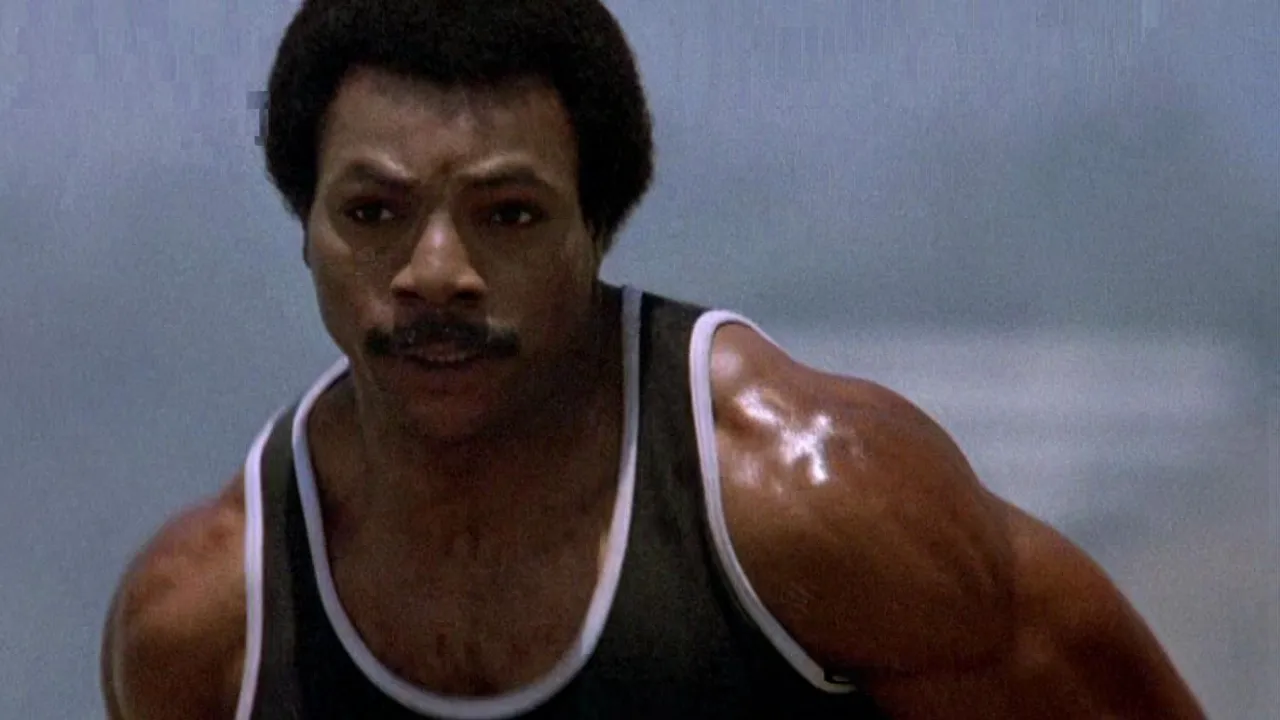
Long before franchise filmmaking became the industry’s backbone, Carl Weathers had all the makings of a dominant 1980s action star, combining physical presence with an easy charisma that stood shoulder to shoulder with contemporaries like Arnold Schwarzenegger and Sylvester Stallone.
His breakthrough as Apollo Creed in the “Rocky” saga made him instantly recognizable, and roles in “Predator” and “Action Jackson” further showcased his leading man credentials. Still, despite clear potential, the leap to sustained top billing never quite materialized, due in part to timing and an industry landscape that did not fully capitalize on his range.
Rather than disappearing, Weathers adapted, building a steady career across film and television, with roles ranging from dramas like “In the Heat of the Night” to a late-career resurgence with “The Mandalorian,” before his death in 2024. His path may not have mirrored the blockbuster dominance of his peers, but it reflected something more durable: a performer who remained relevant by evolving with the industry instead of being defined by it.
Thomas Jane

Source: IMDb
At the turn of the millennium, Thomas Jane seemed poised to break into the upper tier of Hollywood leading men, building momentum with standout appearances in “Boogie Nights” and “Face/Off” before stepping into bigger roles with “Deep Blue Sea” and the comic book adaptation “The Punisher.”
Unlike many of his peers chasing conventional stardom, however, Jane gravitated toward darker, more idiosyncratic material, embracing genre storytelling in projects like “The Mist” rather than positioning himself as a traditional blockbuster fixture.
That instinct ultimately redirected his career away from the A-list track, but not into obscurity, as he found a steady rhythm across independent film, cult favorites, and television, most notably with his Golden Globe nominated turn in “Hung.” By prioritizing creative control and personal interest, including work behind the camera through his company Raw Studios, Jane carved out a career defined less by mainstream visibility and more by longevity on his own terms.
Aaron Eckhart
Source: IMDb
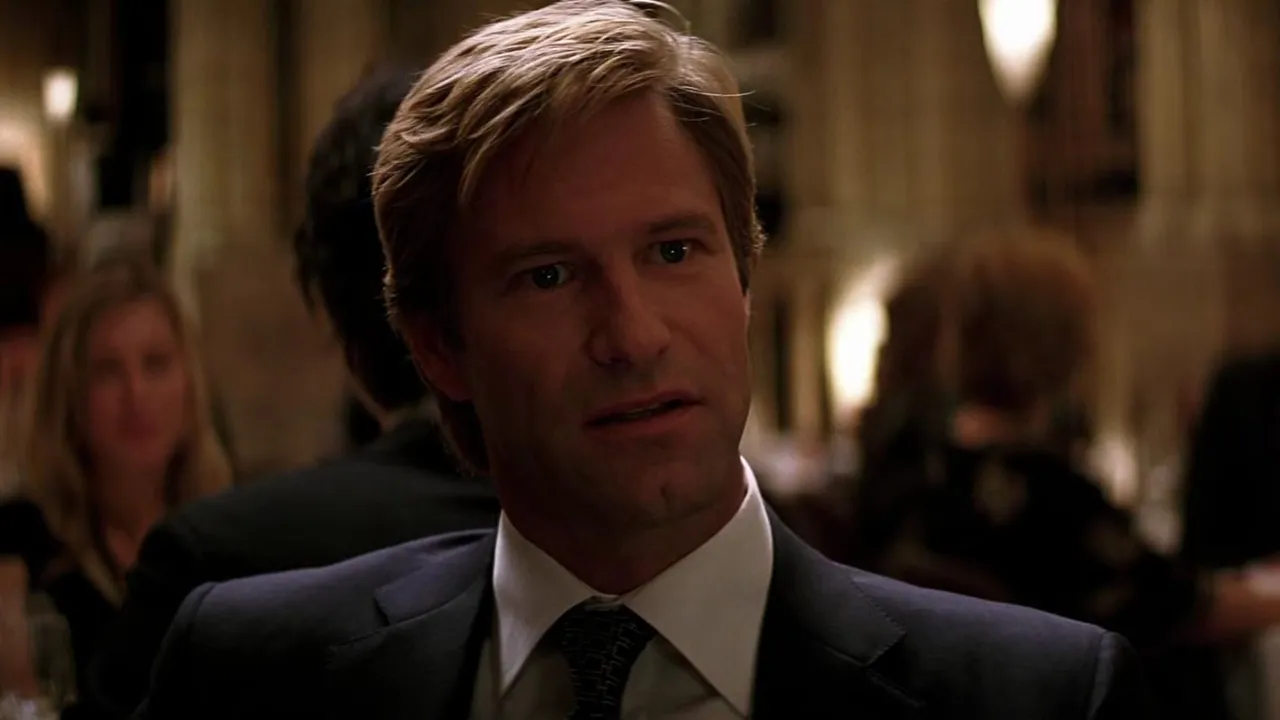
After years of building critical credibility, Aaron Eckhart appeared to hit a defining career peak with his electrifying turn as Harvey Dent in “The Dark Knight,” a performance that seemed to cement his transition from respected character actor to full fledged leading man.
That momentum, which began with early acclaim in “In the Company of Men” and continued through films like “Rabbit Hole,” never quite translated into sustained A-list dominance, as a series of uneven project choices pulled him away from the spotlight. Rather than anchoring major studio franchises, Eckhart increasingly appeared in mid tier action films and lower profile releases that struggled to leave a cultural mark, gradually diminishing his mainstream visibility.
Compounding the shift were a handful of high profile misfires and industry chatter around behind the scenes tensions, including public criticism from Abigail Breslin, which added friction to an already uncertain trajectory. While his talent has never been in question, the post breakout years reflect how quickly even a career defining performance can lose momentum without the right follow up moves.
Josh Hartnett

Source: IMDb
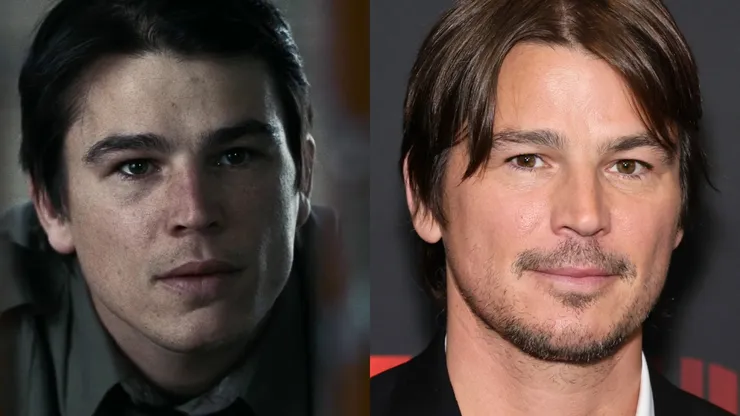
At the height of his early 2000s fame, Josh Hartnett looked every bit like Hollywood’s next dominant leading man, riding the success of “Pearl Harbor” and “Black Hawk Down” after first breaking out in “Halloween H20: 20 Years Later” and “The Faculty.” Studios lined him up for even bigger franchise opportunities, including potential turns as both Superman and Batman, but Hartnett made the unusual decision to walk away from that trajectory.
Uncomfortable with the intensity of fame, which he has described as overwhelming and at times unhealthy, he stepped back from Los Angeles and turned down high profile roles to avoid being locked into the machinery of blockbuster stardom. In place of that path, he gravitated toward smaller, character driven projects that offered more control and personal balance, effectively trading visibility for longevity on his own terms.
Years later, that choice has taken on new context, as Hartnett has reemerged in acclaimed films like “Wrath of Man,” “Oppenheimer,” and “Trap,” underscoring that his absence from the A-list was never a collapse, but a deliberate recalibration.
Sam Worthington
Source: IMDb
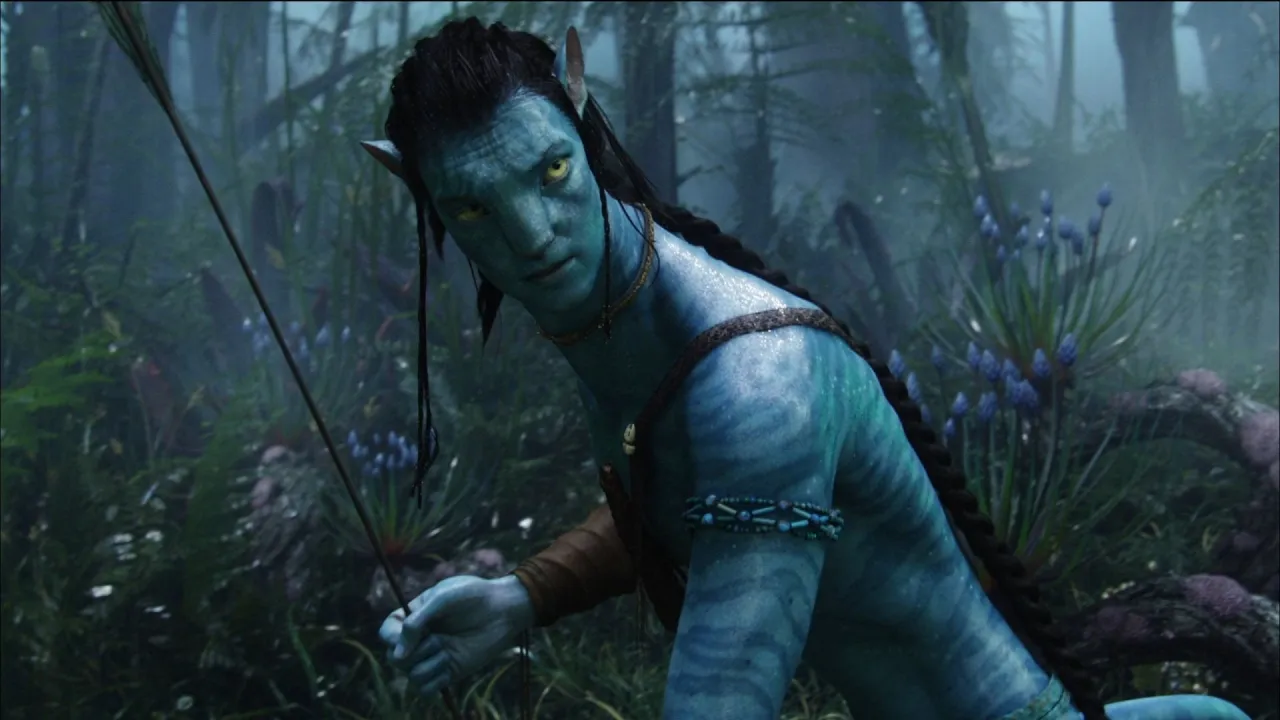
Few actors have experienced a breakout as explosive as Sam Worthington, who seemed to arrive fully formed as a blockbuster leading man with “Avatar” before quickly headlining “Terminator Salvation” and “Clash of the Titans” in rapid succession. For a brief window, he was everywhere, carrying a string of big budget releases that positioned him as a potential long term fixture at the top of the industry.
Yet outside the phenomenon of “Avatar,” that momentum proved difficult to sustain, as subsequent roles failed to define a clear on screen identity or elevate him into the same echelon as peers like Leonardo DiCaprio. Rather than vanish, Worthington gradually stepped away from the pressure of blockbuster expectations, taking on a mix of smaller projects and supporting roles in films such as “Hacksaw Ridge” and “Everest. “
At the same time, his continued involvement in James Cameron’s expanding “Avatar” saga has kept him tied to one of cinema’s biggest franchises, illustrating a career that shifted course without ever fully losing its footing.
Taylor Lautner
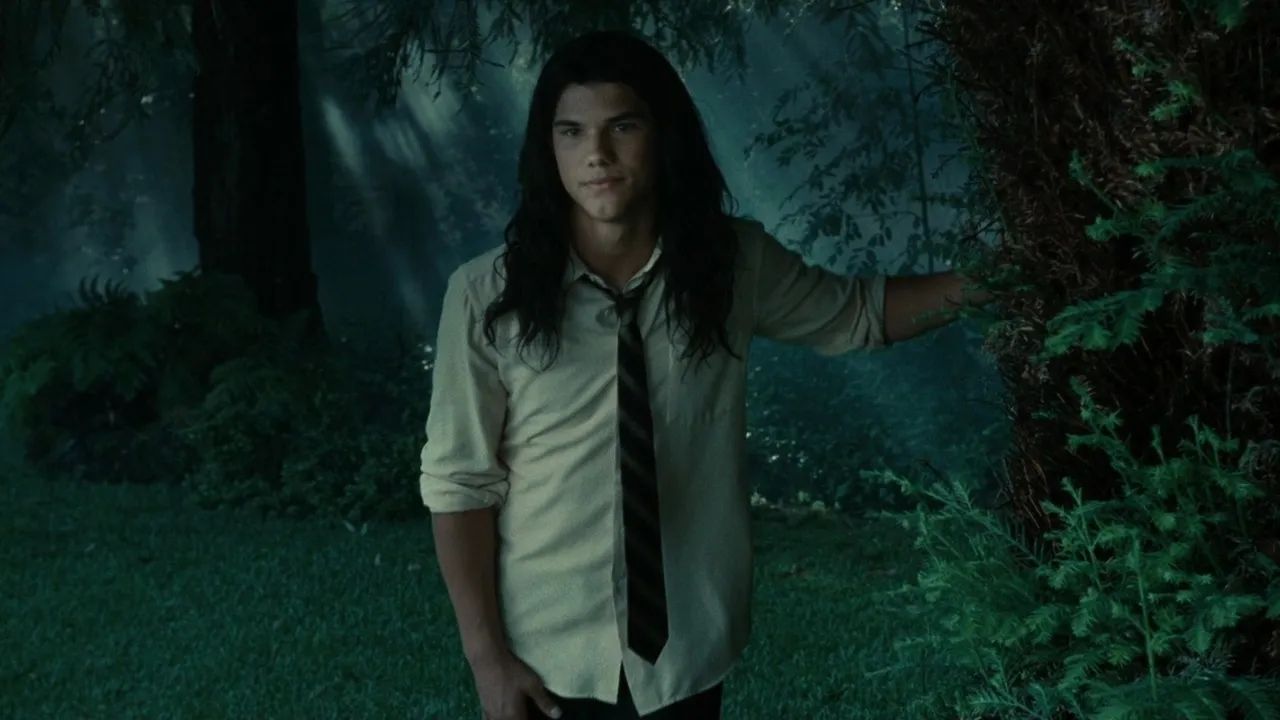
Source: IMDb
In the wake of the “The Twilight Saga” phenomenon, Taylor Lautner was widely expected to make the leap from teen idol to full fledged action star, riding the global success of his role as Jacob Black into a new phase of blockbuster leading roles. That transition never fully took hold, beginning with “Abduction,” a vehicle designed to showcase his action credentials that ultimately underperformed and drew harsh critical reactions.
As momentum stalled, Lautner found himself tightly typecast by the very image that made him famous, making it difficult to break away from the shadow of Twilight while competing in a landscape where his co stars Robert Pattinson and Kristen Stewart successfully reinvented themselves. Rather than force his way back into that mold, he stepped back from the spotlight, shifting toward smaller projects like “Cuckoo” and “Scream Queens” while prioritizing a more private life after years of intense scrutiny.
In recent years, his reemergence in projects such as “Home Team” and the self aware “Taylor Lautner: Werewolf Hunter” suggests a different kind of comeback, one shaped less by blockbuster ambition and more by a willingness to embrace and reinterpret his own legacy.
Hayden Christensen

Source: IMDb
For a generation of moviegoers, Hayden Christensen seemed destined for lasting superstardom after being cast as Anakin Skywalker in the “Star Wars” prequel trilogy, a role that brought instant global recognition but also intense scrutiny. The backlash to his performance, amplified by winning two Golden Raspberry Awards (Razzies), quickly reshaped his public image at a pivotal moment in his career.
Attempts to establish himself beyond the franchise with films like “Jumper” and “Awake” failed to gain traction, reinforcing the perception that his leading man prospects had stalled. Rather than continue pushing against that narrative, Christensen stepped away from Hollywood altogether, retreating to a quieter life in Canada and later admitting that the sudden fame never felt entirely earned.
Over time, that distance allowed for a reassessment of both the performances and the actor himself, culminating in a warmly received return to the role in Disney era projects and a renewed appreciation that reframed his once polarizing turn as part of a larger legacy.
Brandon Routh
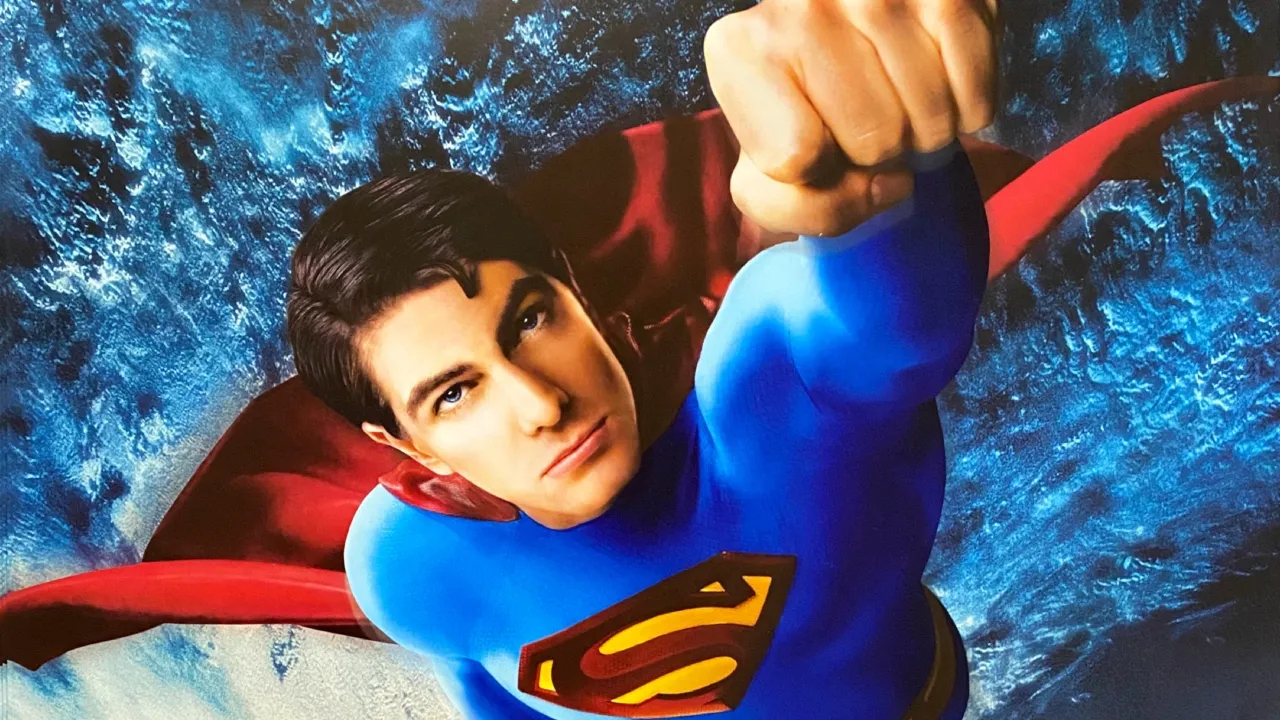
Source: IMDb
When Brandon Routh stepped into the cape for “Superman Returns”, expectations were clear: Hollywood had found its next marquee leading man. The film arrived with enormous hype, positioning Routh as the modern face of one of cinema’s most iconic heroes, but its lukewarm box office reception stalled that trajectory almost immediately.
Despite praise for his performance, the lack of a breakout hit meant studios hesitated to anchor future blockbusters around him, leaving his big screen momentum in limbo. Instead of forcing a return to that level, Routh steadily rebuilt his career on television, becoming a familiar presence in the CW’s interconnected DC universe with roles in “Legends of Tomorrow” and “The Flash.”
Years later, he came full circle by reprising Superman in the crossover event “Crisis on Infinite Earths,” a moment that offered both closure and a reminder that while his path diverged from blockbuster superstardom, it never truly disappeared.