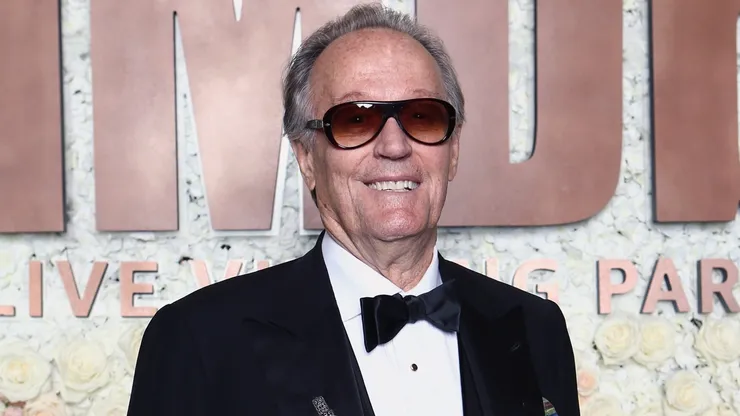
Few actors embodied the restless spirit of late-1960s America quite like Peter Fonda. Born into Hollywood royalty yet drawn to the margins, he carved out a career that defied the polished studio system his father helped define.
With the counterculture gaining momentum and the old guard losing its grip, Fonda emerged not simply as a leading man, but as a symbol of rebellion — onscreen and off — at a time when cinema itself was undergoing a revolution.
His landmark turn in Easy Rider, which he co-wrote and produced, became more than a box office phenomenon; it was a generational statement that reshaped independent filmmaking in the United States. His filmography mirrors the anxieties, freedoms and contradictions of an era searching for new myths.
Easy Rider (1969)
(Source: IMDb)
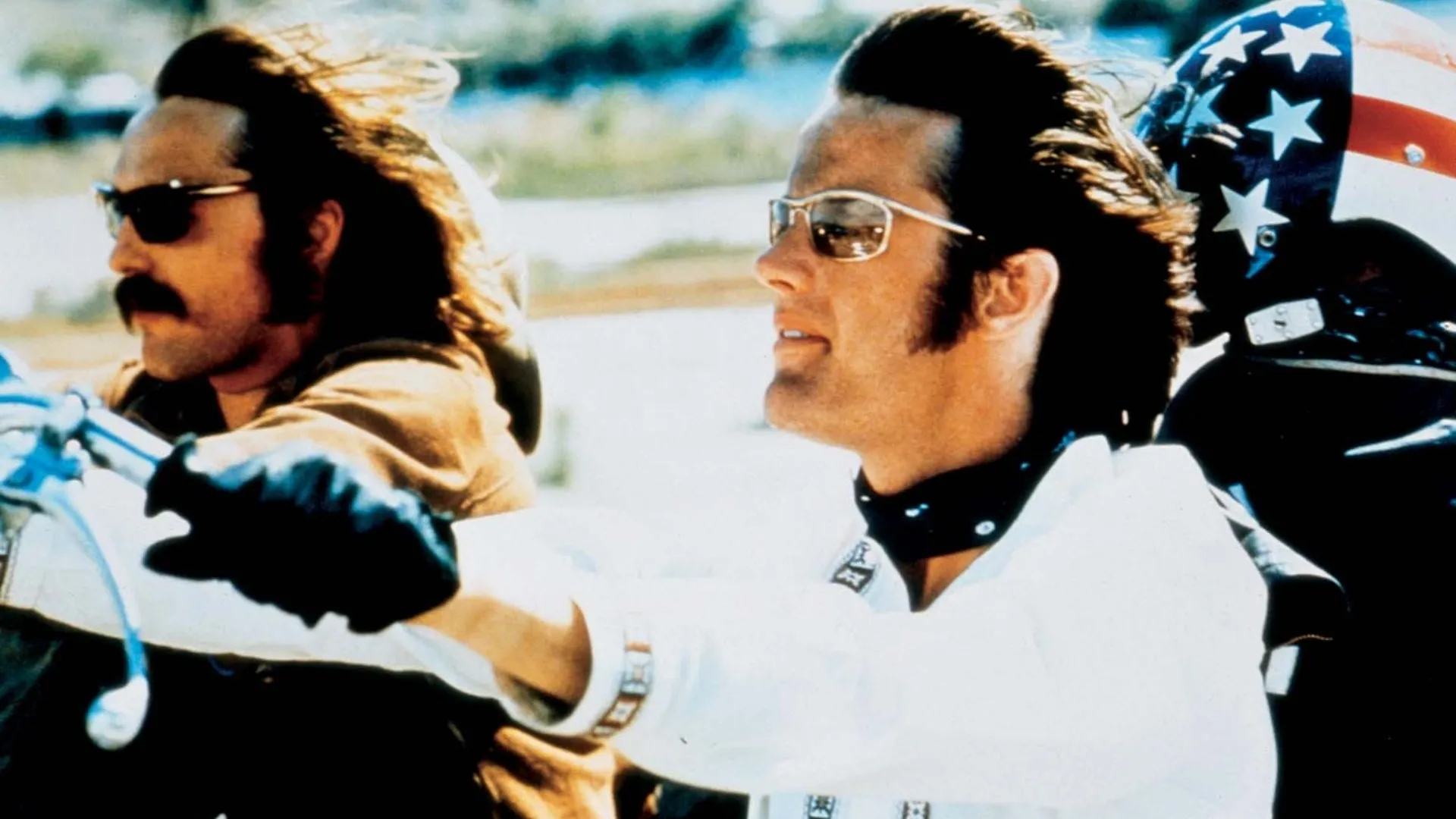
More than a film, Easy Rider became a cinematic turning point. Peter Fonda not only starred as Wyatt — the quiet, introspective biker known as “Captain America” — but also co-wrote and produced the project alongside Dennis Hopper.
Made on a modest budget, the film exploded at the box office and helped usher in the New Hollywood era, proving that independent, youth-driven stories could reshape the industry.
Fonda’s performance is deliberately restrained, almost meditative. Wyatt speaks little, but his presence carries the film’s philosophical weight. As he rides across the American Southwest in search of freedom, the movie confronts themes of alienation, intolerance and the collapse of the American Dream.
The counterculture wasn’t just depicted — it was embodied. Decades later, Easy Rider remains inseparable from Fonda’s identity and from the mythology of 1960s rebellion.
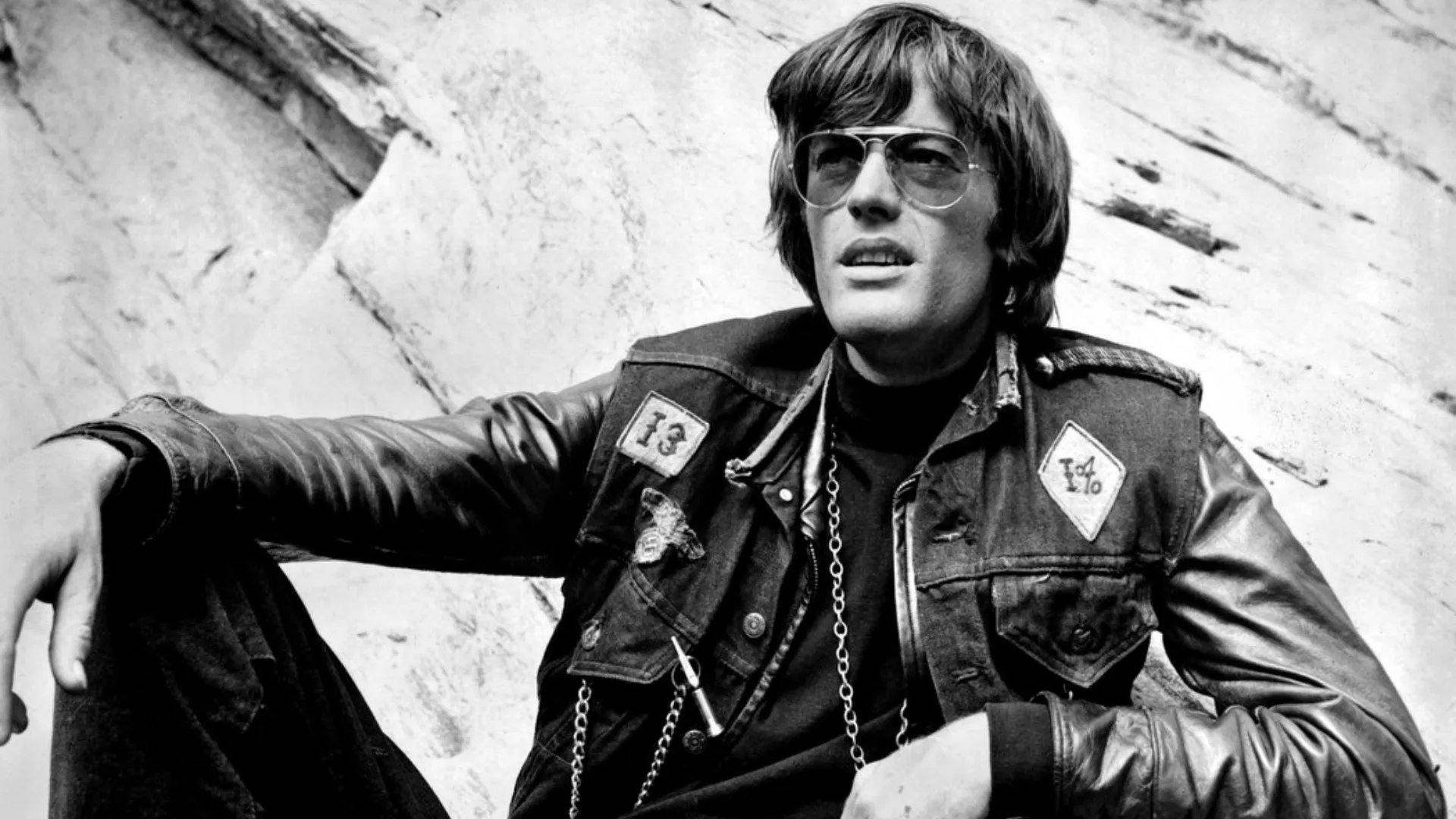
The Wild Angels (1966)
(Source: IMDb)
Before Easy Rider, there was The Wild Angels, Roger Corman’s raw biker drama that introduced mainstream audiences to a new kind of American outlaw. Fonda’s character, Heavenly Blues, leads a motorcycle gang through a story fueled by chaos, loyalty and defiance of authority.
The film’s infamous funeral monologue about freedom became one of the era’s defining cinematic speeches. Though produced quickly and cheaply, the movie struck a nerve with young audiences.
It captured the anxiety and anger of a generation drifting away from traditional values. For Fonda, it was the moment he broke from his family’s polished Hollywood legacy and aligned himself with something riskier and culturally disruptive.
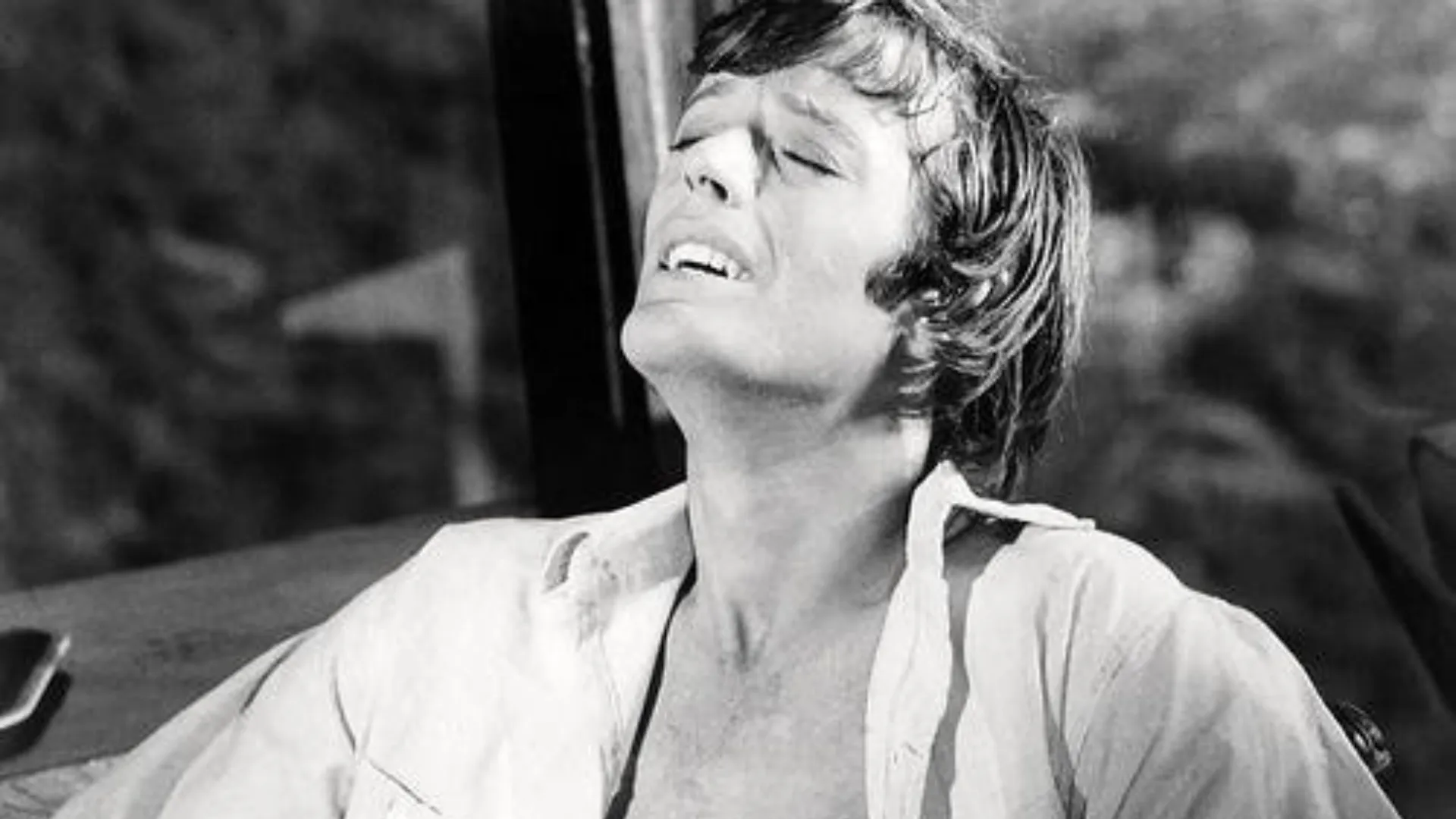
The Trip (1967)
(Source: IMDb)
Written by Jack Nicholson and directed by Roger Corman, The Trip explored the psychedelic experience at a time when few mainstream films dared to approach it directly. Fonda plays Paul Groves, a commercial director navigating a personal crisis who experiments with LSD, sending him into a hallucinatory odyssey through Los Angeles.
While the film divided critics, it captured the restless experimentation of the late 1960s. Fonda’s performance leans inward, emphasizing vulnerability over bravado.
The movie may not have had the lasting cultural impact of Easy Rider, but it solidified Fonda’s association with countercultural storytelling and proved his willingness to embrace unconventional, even controversial material.
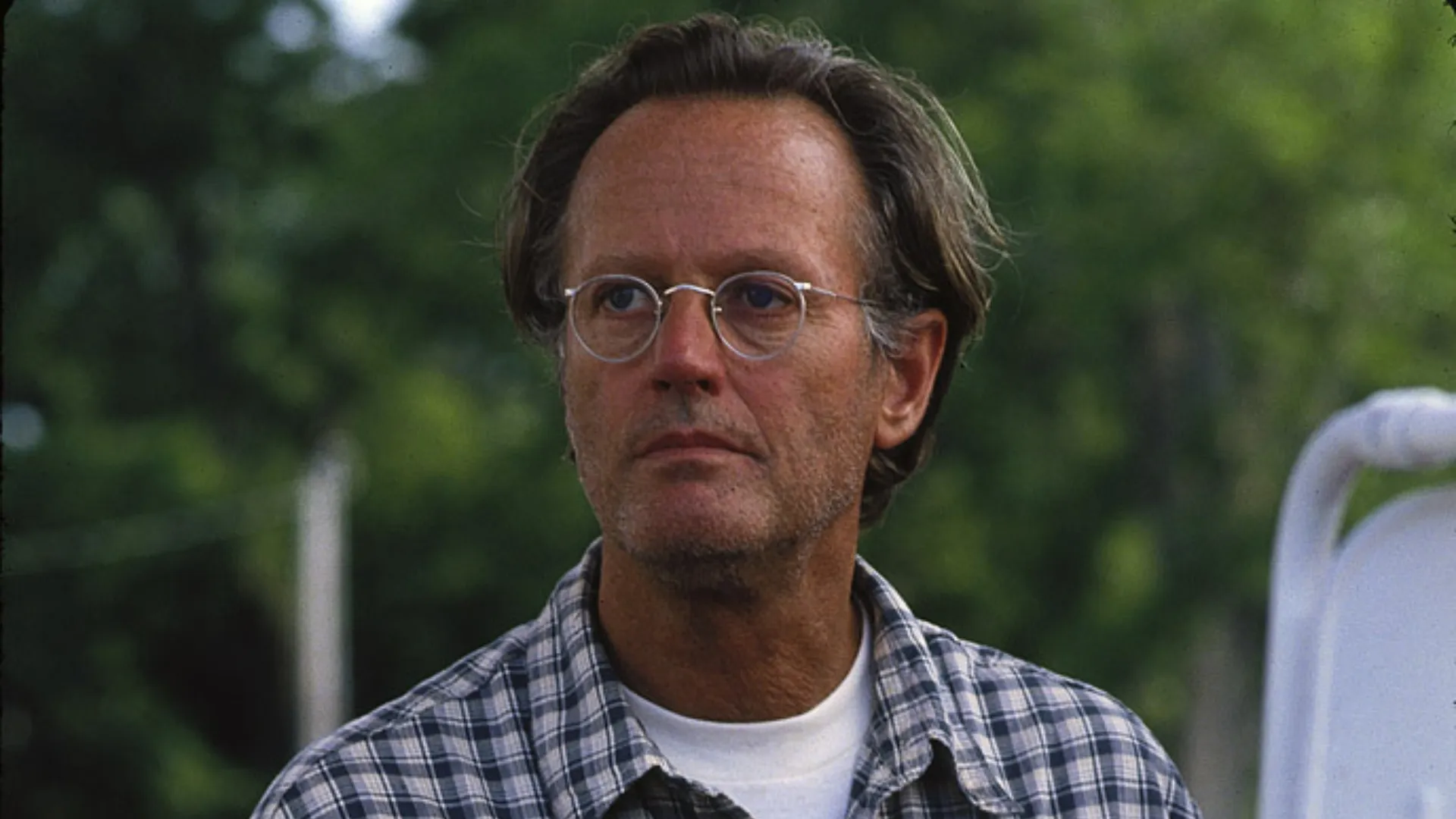
Ulee’s Gold (1997)
(Source: IMDb)
Nearly three decades after his counterculture breakthrough, Fonda delivered what many consider the finest performance of his career. In Ulee’s Gold, he plays Ulee Jackson, a quiet, disciplined beekeeper in rural Florida trying to hold his fractured family together.
The role required emotional restraint rather than rebellion — and Fonda rose to the challenge. His portrayal earned him a Golden Globe Award and an Academy Award nomination for Best Actor.
Critics praised the subtlety of his work, noting how the film reframed him not as a symbol of generational upheaval, but as a man shaped by endurance and responsibility. It was a powerful reminder that his talent extended far beyond the mythology of the 1960s.
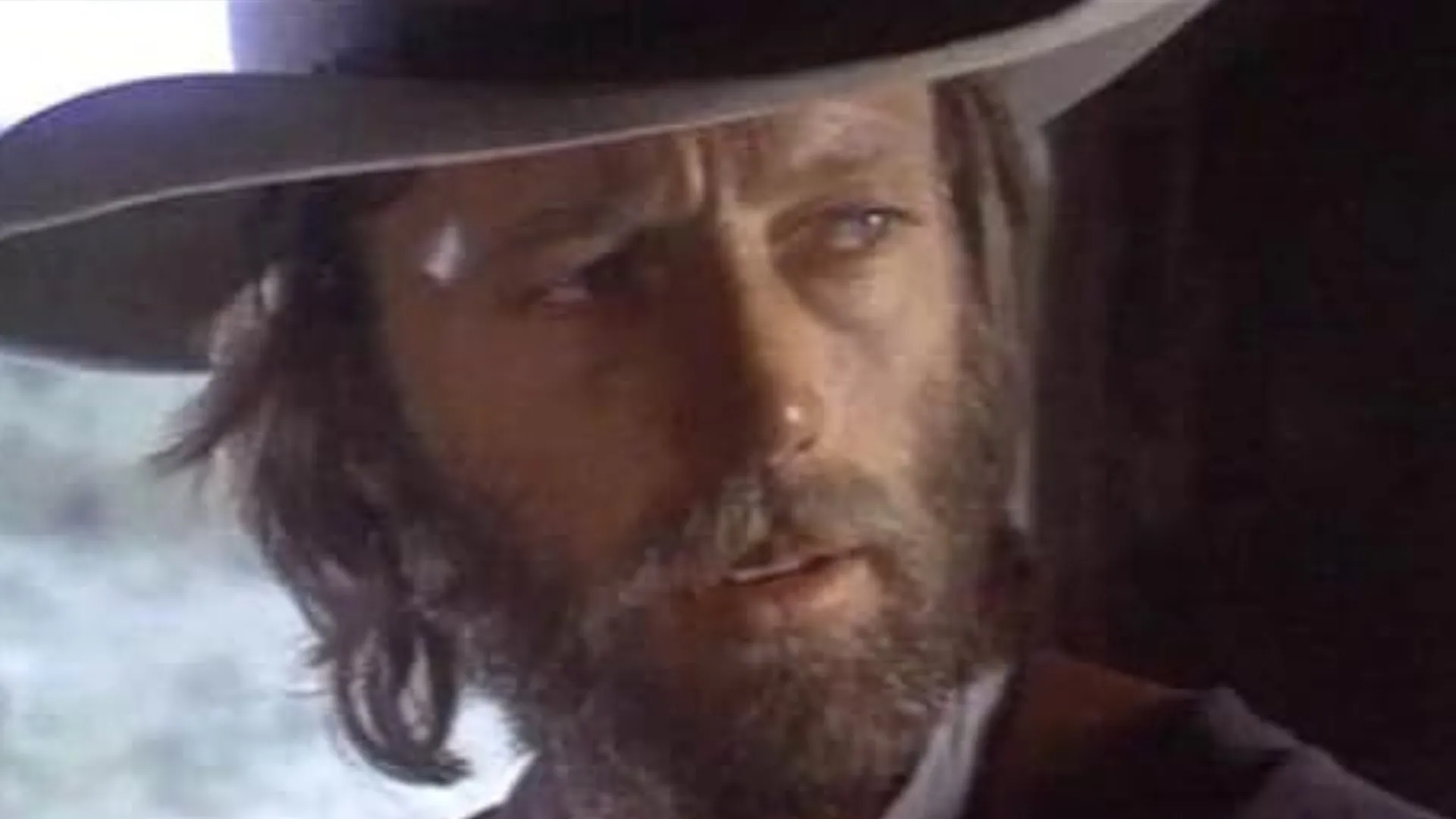
The Hired Hand (1971)
(Source: IMDb)
By the early 1970s, Peter Fonda was determined to prove he wasn’t just the face of Easy Rider. With The Hired Hand, he stepped behind the camera, directing and starring in a revisionist Western that quietly dismantled traditional frontier mythology.
Instead of glorifying gunfighters and conquest, the film lingers on regret, fractured friendships and the emotional cost of wandering. Fonda plays Harry Collings, a drifter who returns home after years away, hoping for redemption — only to find that time has hardened everything he left behind.
Though it underperformed upon release, the film has since been reclaimed as one of the most poetic Westerns of its era. Its dreamlike editing and unconventional structure reflected the same spirit of cinematic experimentation that defined New Hollywood.
Today, The Hired Hand stands as evidence that Fonda’s countercultural instincts extended beyond performance — he was actively reshaping American genre storytelling.
Dirty Mary, Crazy Larry (1974)
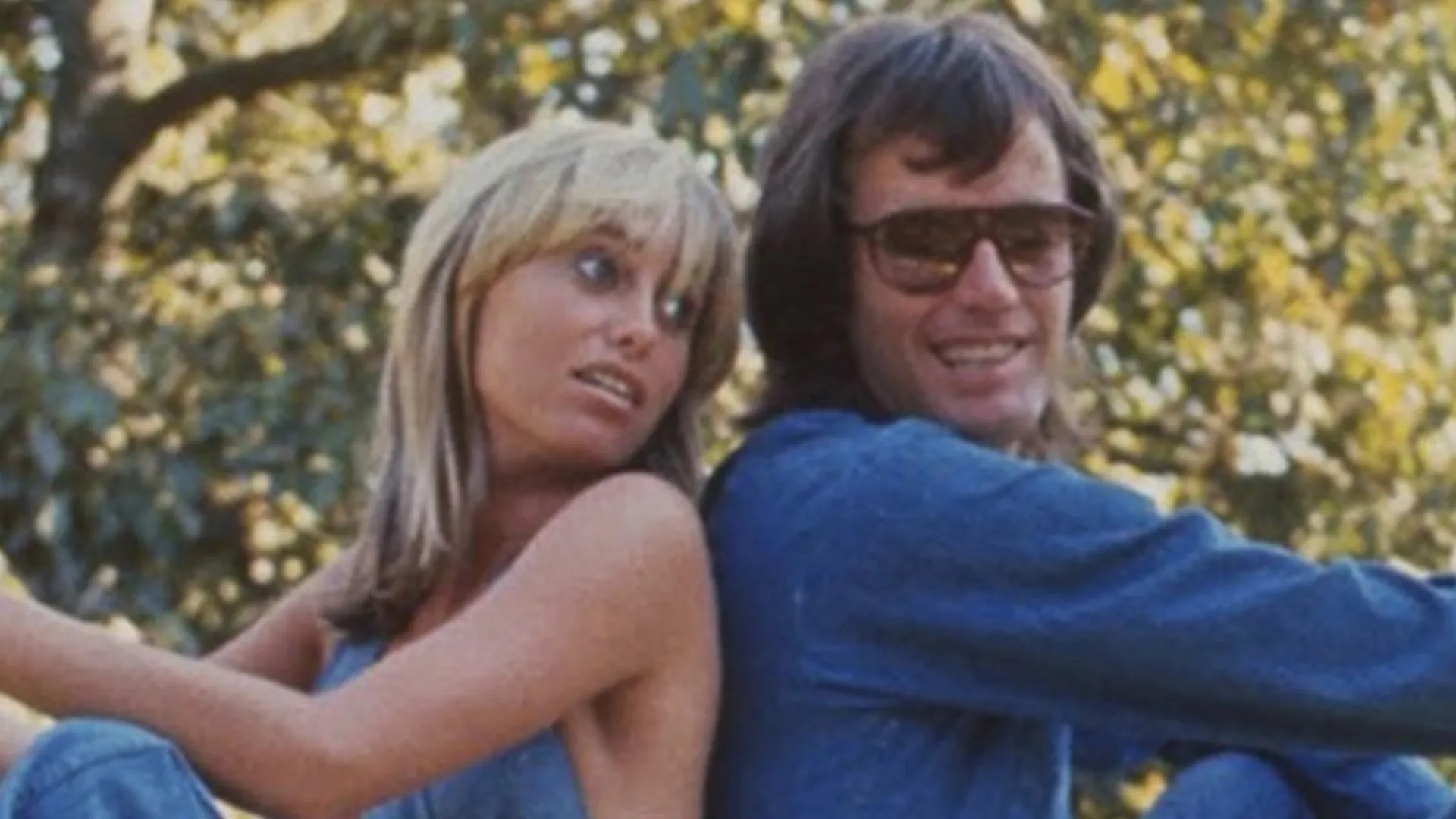
(Source: IMDb)
At first glance, Dirty Mary, Crazy Larry looks like a straightforward car-chase thriller. But beneath the high-speed spectacle lies a distinctly 1970s strain of disillusionment.
Fonda plays Larry, a NASCAR hopeful turned criminal whose obsession with escape feels less like ambition and more like existential drift. The film taps into post-Watergate cynicism, presenting authority as faceless and relentless, while its antiheroes seem doomed by their own recklessness.
The movie became a commercial success and solidified Fonda’s place within the decade’s gritty action landscape. His cool detachment — neither fully heroic nor openly villainous — mirrored a generation skeptical of simple moral binaries. Even in a genre piece, Fonda carried the residue of counterculture defiance.
Race with the Devil (1975)
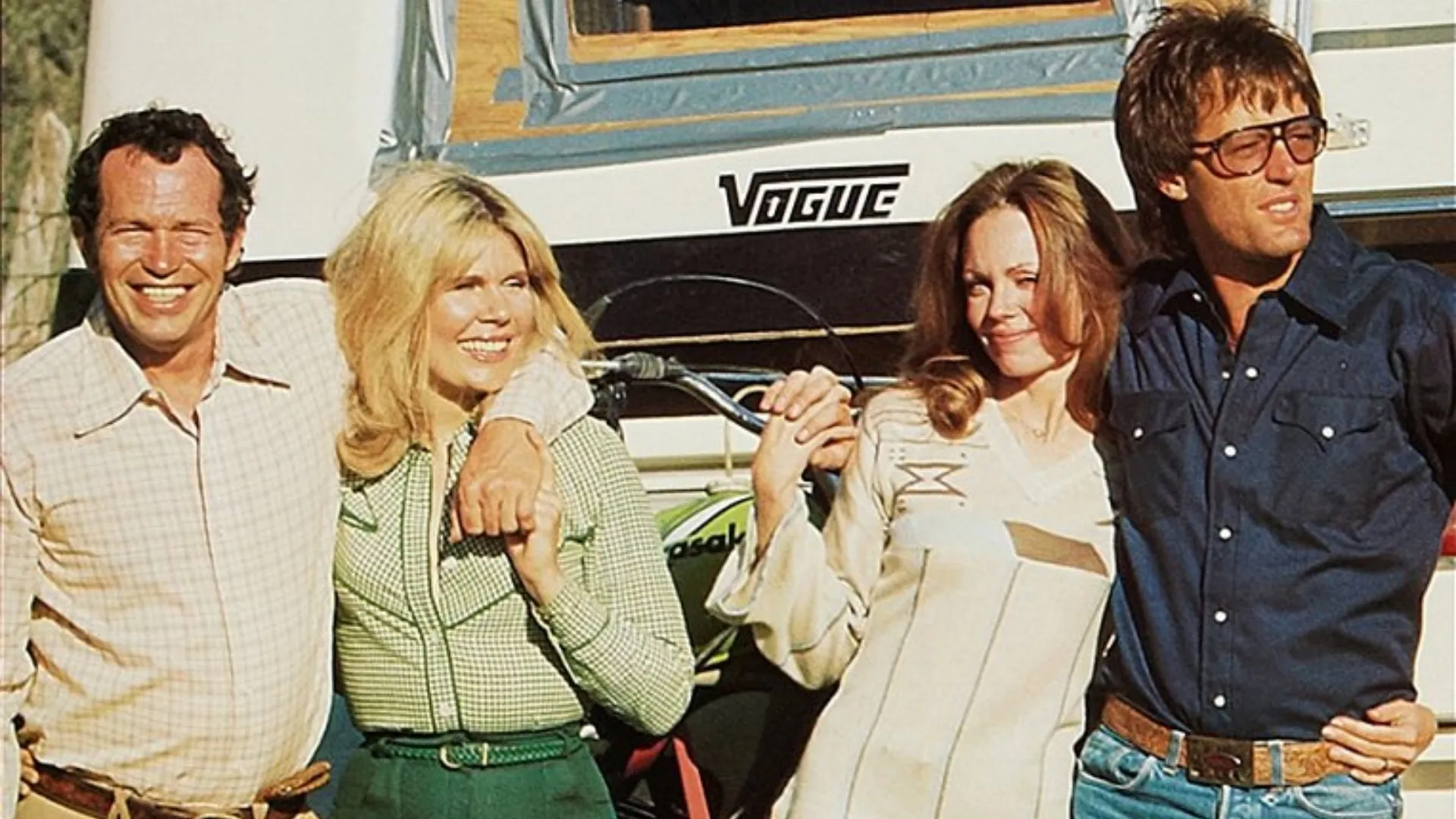
(Source: IMDb)
Blending road thriller and occult horror, Race with the Devil captures the paranoia simmering beneath mid-1970s America. Fonda stars alongside Warren Oates as vacationers who accidentally witness a satanic ritual and find themselves hunted across rural highways.
The film’s tension grows not from supernatural spectacle, but from the creeping sense that danger could be anywhere — even in ordinary landscapes. For Fonda, the role extended his long association with road narratives, but with a darker edge.
The open highway, once a symbol of liberation in Easy Rider, becomes a corridor of suspicion and dread. In that shift lies the film’s cultural resonance: the freedom once celebrated by the counterculture had given way to unease and distrust.
The Limey (1999)
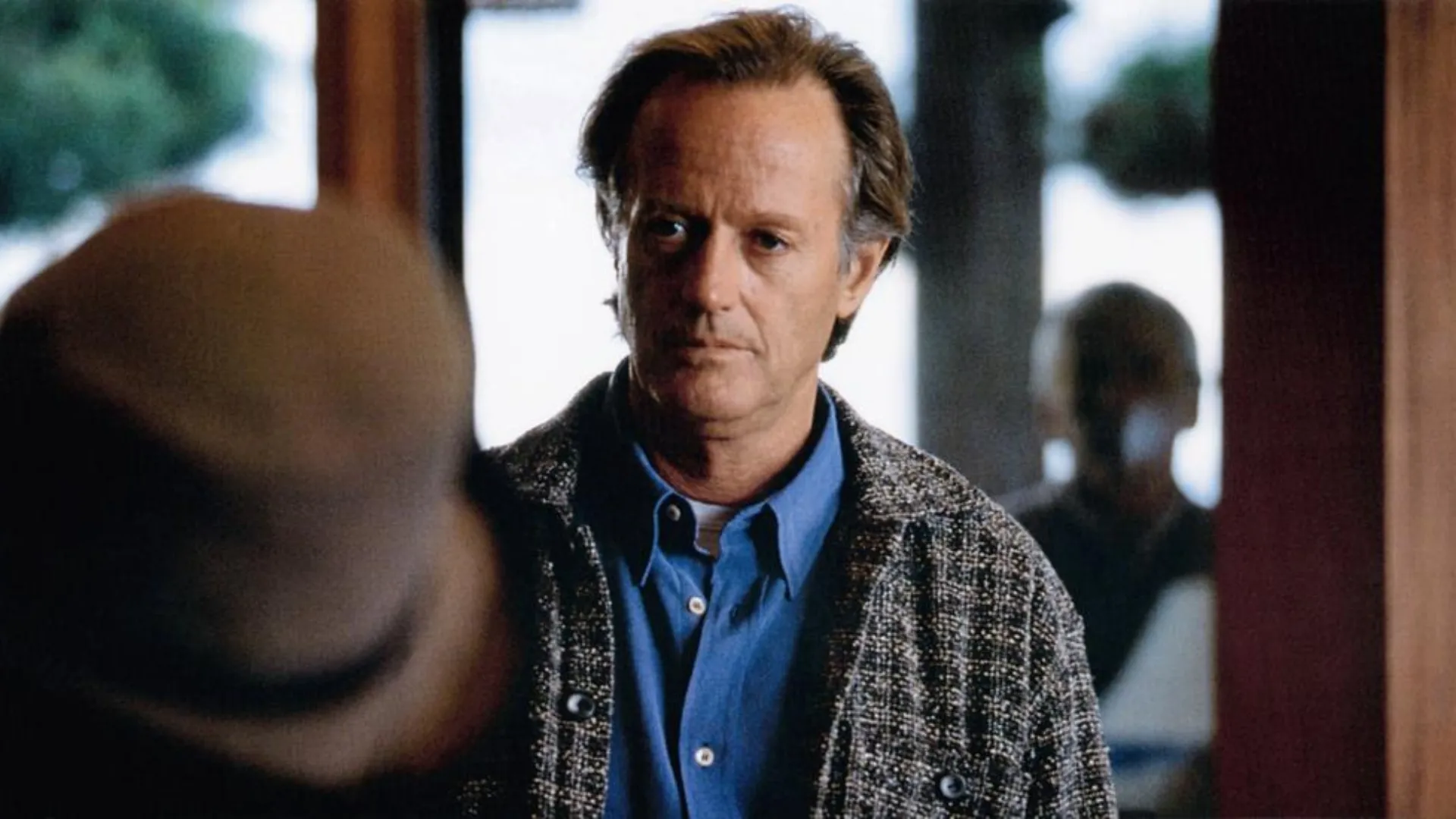
(Source: IMDb)
In Steven Soderbergh’s neo-noir The Limey, Fonda delivers one of the most quietly layered performances of his later career. Cast as Terry Valentine, a wealthy record producer implicated in criminal dealings, Fonda plays against — and with — his own legacy.
Valentine is a relic of 1960s idealism turned capitalist opportunist, a man who once stood for peace and rebellion but now embodies moral compromise. The casting was no coincidence. Fonda’s real-life association with counterculture lends the character added irony and weight.
Critics noted how the film subtly interrogates what became of the revolutionaries of the ’60s. In The Limey, Fonda doesn’t simply act — he becomes a living commentary on the passage of time.
3:10 to Yuma (2007)
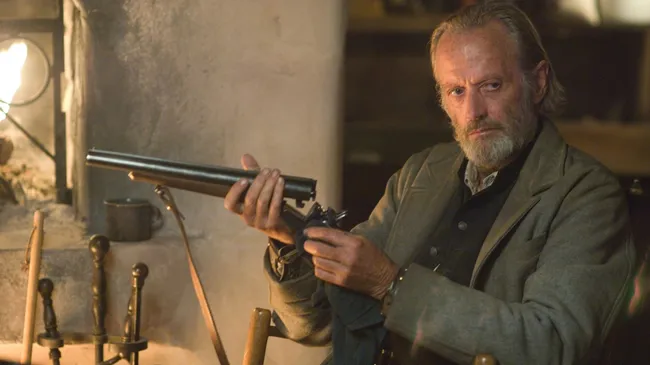
(Source: IMDb)
In James Mangold’s remake of the classic Western, Fonda takes on a supporting but memorable role as Byron McElroy, a hardened bounty hunter. Though his screen time is limited, his presence adds gravitas and historical continuity to the film. The Western genre, long intertwined with the Fonda family legacy, becomes a symbolic bridge between eras.
What makes his appearance compelling is the contrast: here is a former emblem of counterculture now inhabiting the moral rigidity of frontier law. It underscores the breadth of his career — from dismantling American myths in the late ’60s to participating in their modern reinterpretation decades later.
Ghost Rider (2007)
(Source: IMDb)
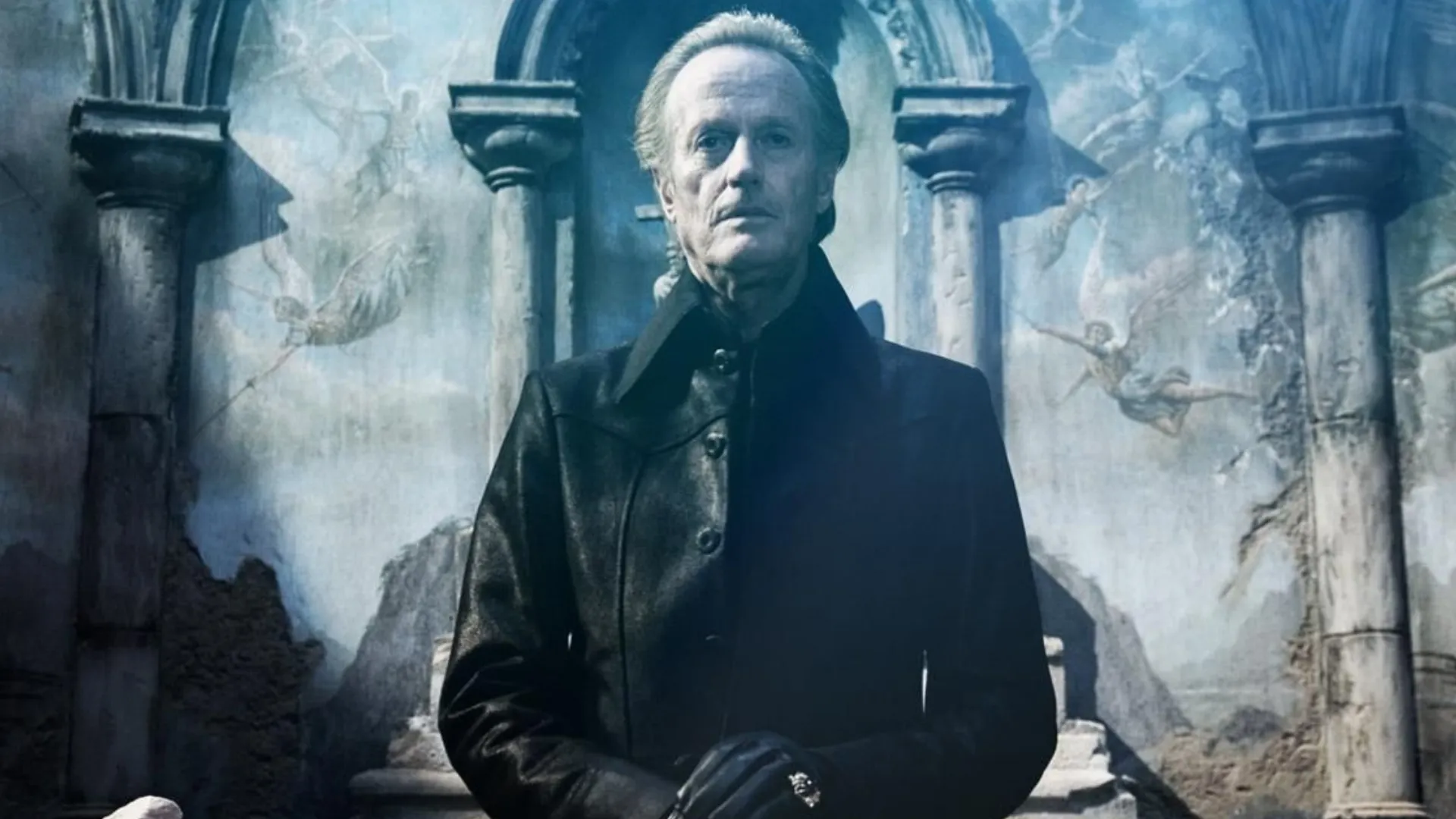
Long before comic book adaptations dominated Hollywood, Peter Fonda stepped into the Marvel universe with Ghost Rider. Cast as the devilish antagonist Mephistopheles, Fonda brought a composed, almost aristocratic menace to the supernatural blockbuster starring Nicolas Cage.
Rather than playing the character with overt theatricality, he opted for restraint — calm, calculated and quietly manipulative. The casting carried an ironic undertone. Decades earlier, Fonda had become synonymous with rebellious bikers and spiritual wanderers; here, he stood as the puppet master behind a cursed motorcycle antihero.
The imagery felt like a distant echo of Easy Rider, filtered through comic book mythology. While the film received mixed critical reviews, it performed strongly at the box office and introduced Fonda to a new generation of audiences, proving his ability to transition from counterculture icon to genre villain without losing screen presence.