From sitcom sensations and blockbuster leads to streaming-era breakout talents, these young performers commanded enormous salaries while still balancing school, auditions, and growing up in the spotlight. Here are the ten child actors who became some of the biggest earners entertainment has ever seen.
Jaden Smith

Source: IMDb
Banking on a mix of hereditary charisma and sheer work ethic, the son of Will and Jada Pinkett Smith secured a landmark deal for the 2010 remake of The Karate Kid. At just 12 years old, he received an upfront salary of $1 million, but the real win came from a backend clause that triggered an additional $2 million bonus after the film became a global box office smash. This $3 million haul was supplemented by his contribution to the film’s theme song, making him one of the most profitable new gen child stars of the decade.
Miranda Cosgrove
During the peak of the Nickelodeon boom, Cosgrove became the network’s highest-valued asset as the titular star of iCarly. By 2010, she was commanding $180,000 per episode, a figure that landed her in the Guinness World Records for the highest-paid child actress on television. This staggering rate meant she was out-earning most adult actors on primetime network dramas, and it served as the foundation for a diversified career that now includes a massive voice-acting presence in the Despicable Me franchise.
Frankie Muniz
Turning “average kid” relatability into an extreme fortune, Muniz saw his salary for Malcolm in the Middle climb to $150,000 per episode by the series’ conclusion. However, his big-screen ventures were even more lucrative, as he pocketed a reported $2 million for the first Agent Cody Banks and a massive $5 million for the sequel before he was even legal. These early wins allowed him to amass a $40 million net worth by age 19.
Gary Coleman
Breaking salary records in an era before “celebrity” was quite so globalized, the Diff’rent Strokes star was a pioneer of the renegotiation tactic. After starting at $1,500 per episode, Coleman’s undeniable popularity allowed his team to drive his fee up to $100,000 per chapter in the early 1980s. This peak earning translated to roughly $2.5 million per season, though he later claimed most of it was mismanaged by his parents and advisers, leaving him with very little.
Angus T. Jones

Source: IMDb
As the “Half” in Two and a Half Men, Jones spent his adolescence as the king of the sitcom payroll. At age 17, he signed a contract guaranteeing him roughly $300,000 per episode, which amounted to a $7.8 million package over two seasons of the CBS hit. Despite later walking away from the show to pursue his personal faith, the decade he spent on the air provided a financial windfall that currently keeps his net worth anchored around the $20 million mark.
Shirley Temple
Even after adjusting for inflation, Shirley Temple remains one of the most financially successful child stars in history. At the height of the Great Depression in 1934, she earned about $1,000 a week from 20th Century-Fox, plus substantial bonuses per film—roughly the equivalent of $20,000 or more per week today. Her real financial impact, however, came from pioneering large-scale image licensing: Shirley Temple dolls and related merchandise generated millions in sales, with royalties that often rivaled or exceeded her film salary and became a crucial revenue stream for Fox.
The Olsen Twins
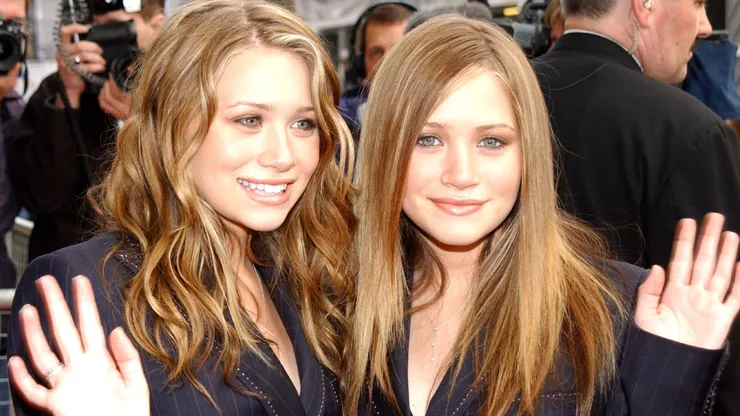
Mary-Kate and Ashley started as infant actors on Full House, but they transformed into corporate titans by the time they hit puberty. While they were making a healthy $80,000 per episode at the show’s end, their true genius was the 1993 founding of Dualstar Entertainment. By owning their own production company and retail brand, they bypassed the typical salary model entirely, building a merchandise empire that was grossing $1 billion annually by the time they were 16 years old.
Macaulay Culkin
The face of the 1990s, Culkin became the first child actor in history to break the $1 million barrier for a single film with 10-figure earnings for My Girl. Following the cultural explosion of Home Alone, he negotiated a $4.5 million fee for the sequel and eventually hit an $8 million peak for Richie Rich. His total earnings between 1990 and 1994 are estimated at over $30 million.
Millie Bobby Brown
Setting a precedent for the streaming age, Brown made industry headlines when she secured a reported $10 million for Enola Holmes 2 on Netflix. This shattered the record for the highest upfront salary ever paid to an actor under 20. When combined with her Stranger Things salary—which scaled from $20,000 to a reported $1.25 million per episode for the final season—and her lucrative skincare brand, she has redefined the child star business model by acting as a lead, a producer, and a brand founder simultaneously.
Daniel Radcliffe
Source: IMDb
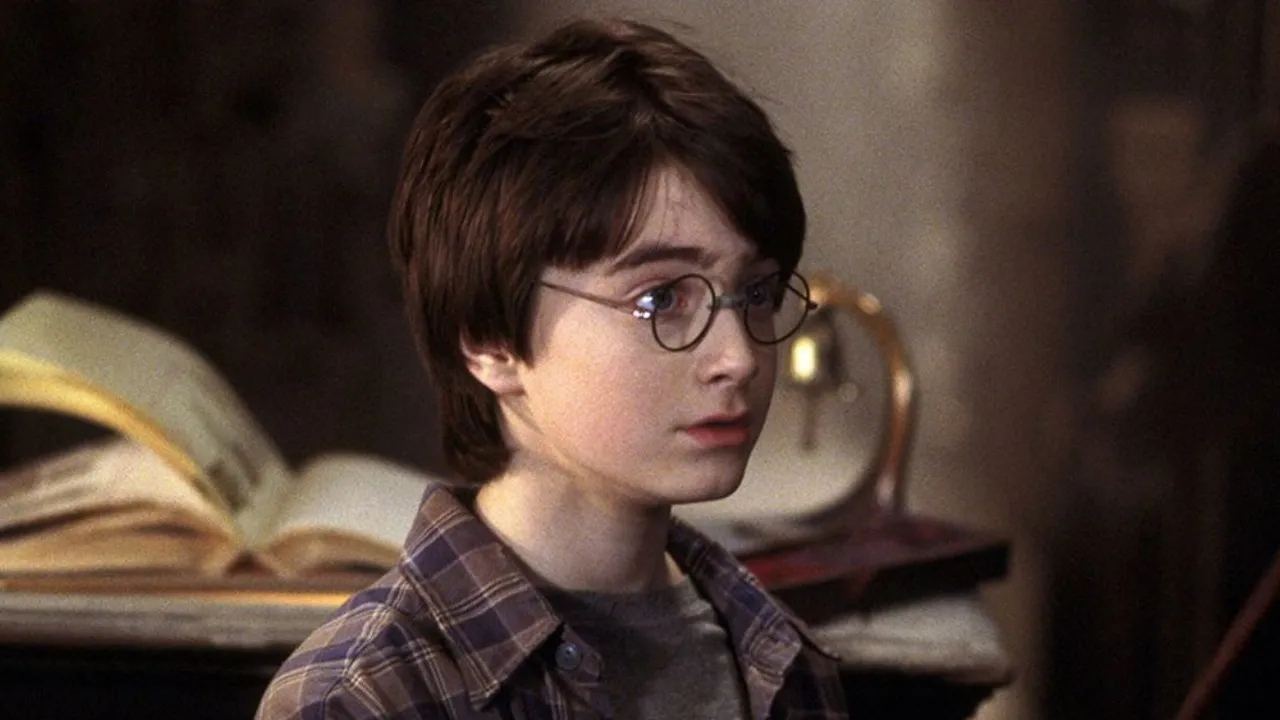
While others built empires on merchandise or variety, Radcliffe reached the top through the most successful movie franchise in history. His Harry Potter journey began with a $1 million payment for the first film and ended with back-to-back $25 million salaries for the final two Deathly Hallows movies. In total, the boy wizard earned roughly $96 million from the series alone. This astronomical sum allowed him to become the wealthiest young person in Britain at the time and gave him the ultimate freedom to choose only the most creative and daring roles in his adult career.