For fifteen seasons, the world of Criminal Minds revolved around the unsettling psychology of serial offenders—but some of its most memorable moments came from the quiet intensity of Dr. Spencer Reid. Portrayed by Matthew Gray Gubler, the prodigious profiler entered the BAU as a socially awkward genius with a mind wired for patterns, statistics and impossible recall.
What began as an eccentric intellectual presence evolved into one of the series’ most emotionally resonant characters, a figure whose brilliance was matched by vulnerability and deeply personal struggles. As the actor celebrates his 45th birthday, revisiting Reid’s most unforgettable episodes reveals the depth that helped define the TV show across its long run.
“LDSK” (Season 1, Episode 6)
(Source: IMDb)
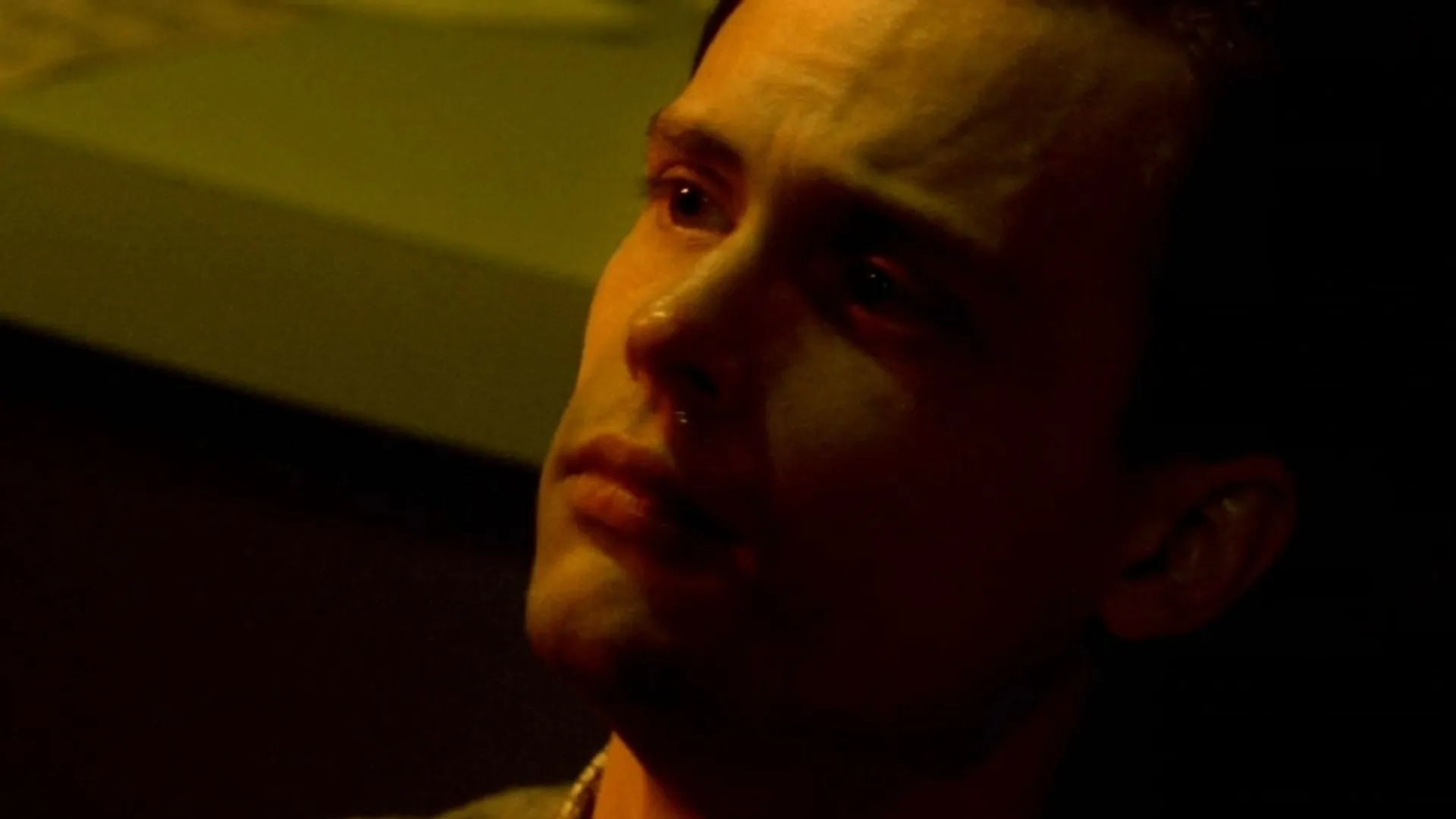
Early in Criminal Minds, this episode quietly establishes why Dr. Spencer Reid would become indispensable to the Behavioral Analysis Unit. When a sniper begins targeting victims across the city, Reid—often underestimated because of his youth and awkwardness—finds himself in the middle of the action. What begins as a tense investigation quickly transforms into a defining moment when Reid must confront the killer face-to-face during a hostage crisis.
The episode captures the fragile balance that defines Reid’s character: brilliant yet vulnerable, analytical yet deeply human. His ability to read the killer’s psychology saves lives, but the confrontation also forces him to confront the realities of field work. For many fans, “LDSK” marks the first time the show reveals that Reid is not just the team’s encyclopedia of statistics—he’s capable of courage when it matters most.
“S*x, Birth, Death” (Season 2, Episode 11)

(Source: IMDb)
Few episodes reveal Reid’s empathy as vividly as this unsettling story. The BAU encounters a troubled teenager who fears he may become a serial killer, haunted by violent impulses he cannot explain. While the rest of the team focuses on the investigation, Reid forms a quiet connection with the young man, recognizing pieces of his own past in the boy’s isolation.
Rather than approaching the case as a puzzle to solve, Reid treats it as a human tragedy waiting to happen. His conversations with the teenager show a softer side rarely seen in the procedural’s darker narratives. The episode stands out because it explores the thin line between potential and destiny—and how Reid’s compassion can be as powerful as his intellect.
“Revelations” (Season 2, Episode 15)

(Source: IMDb)
If one episode forever changed Spencer Reid, it was “Revelations.” Kidnapped by the disturbed Tobias Hankel, Reid becomes the victim instead of the profiler, enduring psychological torture and forced dr*g injections while the BAU desperately searches for him. The experience pushes him to the brink both physically and mentally.
The episode is devastating precisely because it strips Reid of the tools that normally protect him—his knowledge, his calm logic, his ability to predict human behavior. Instead, the audience witnesses raw vulnerability and resilience. The trauma he suffers lingers long after the credits roll, shaping future storylines and revealing just how fragile even the brightest mind can be.
“Elephant’s Memory” (Season 3, Episode 16)

(Source: IMDb)
This haunting episode centers on a bullied teenager suspected of planning a school sh*oting. As the BAU investigates, Reid begins to see unsettling parallels between the boy’s experiences and his own childhood memories of being an outsider. The case becomes deeply personal, forcing Reid to confront the loneliness he carried long before joining the FBI.
What makes “Elephant’s Memory” unforgettable is the quiet melancholy that surrounds Reid throughout the episode. His attempt to understand the suspect is not driven by sympathy alone, but by recognition—an understanding of how pain can twist into something dangerous. It’s a rare moment when the profiler’s past shadows the present investigation.
“Minimal Loss” (Season 4, Episode 3)

(Source: IMDb)
When Reid and Emily Prentiss go undercover at a secluded cult compound, the situation quickly spirals into chaos. A law enforcement raid traps them inside the compound with an unpredictable cult leader and dozens of hostages. Suddenly, Reid must rely not only on intelligence but on emotional manipulation to survive the standoff.
The episode highlights how far Reid has come as a profiler. Instead of remaining in the background analyzing data, he engages directly with the cult leader, subtly gaining his trust and steering the conversation in ways that buy the hostages time. It’s a turning point that shows Reid evolving from academic prodigy into a fully capable field agent.
“Amplification” (Season 4, Episode 24)

(Source: IMDb)
In one of the series’ most intense biological-threat episodes, the BAU hunts a suspect spreading anthrax in public places. During the investigation, Reid becomes infected with the deadly toxin while pursuing the perpetrator, collapsing just as the team closes in on the case.
The tension of the episode lies not only in the ticking clock of a potential epidemic, but in the sight of Reid—usually the calm mind in the storm—fighting for his own survival. Watching the team scramble to save him reveals how deeply he has become the emotional center of the group.
“Zugzwang” (Season 8, Episode 12)
(Source: IMDb)
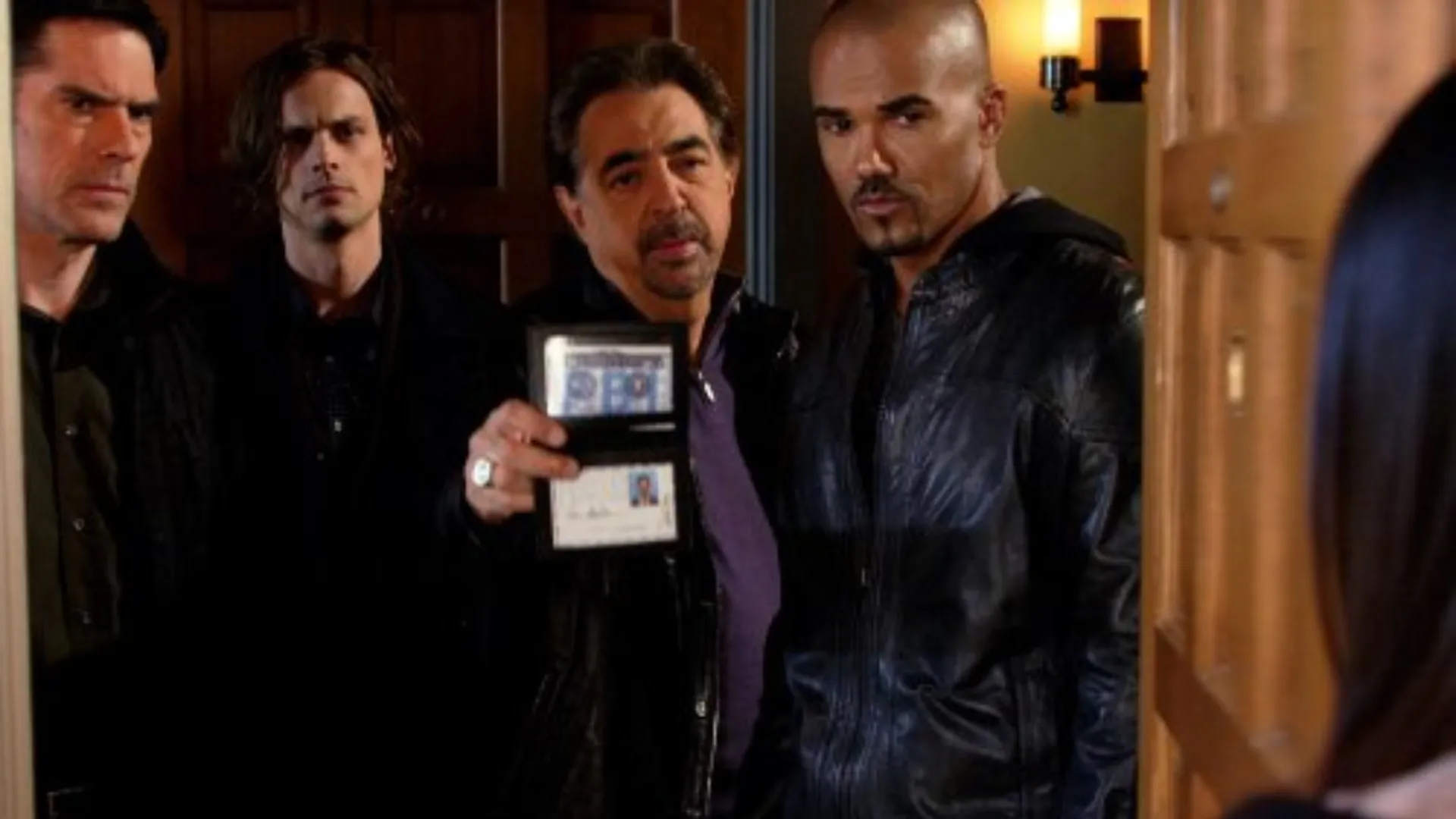
For years, Reid’s personal life remained almost nonexistent. That changed when he formed a quiet, intellectual connection with Maeve Donovan, a neuroscientist who understood him in ways few others could. Their relationship unfolds mostly through phone calls and shared ideas—until tragedy strikes.
“Zugzwang,” a chess term describing a move where every option leads to defeat, perfectly captures the episode’s emotional weight. When Maeve is kidn*pped, Reid finds himself trapped in a psychological game he cannot win. The heartbreaking conclusion remains one of the most devastating moments in the show’s long history.
“Entropy” (Season 11, Episode 11)

(Source: IMDb)
In a bold departure from the show’s typical format, “Entropy” unfolds largely as a tense conversation between Reid and a contract killer named Cat Adams. Pretending to be a potential client, Reid attempts to trap her, only to realize she already knows the truth. What follows is a chilling intellectual duel.
The episode thrives on stillness rather than action. Across a table in a quiet restaurant, two brilliant minds circle each other like predators, each testing the other’s limits. It reveals a darker, more calculating side of Reid—one willing to manipulate and outthink a killer on her own terms.
“Red Light” (Season 12, Episode 22)
After being falsely imprisoned earlier in the season, Reid faces his greatest test when the dangerous assassin Cat Adams returns, orchestrating a final psychological showdown. The situation escalates when Reid’s mother becomes entangled in the conflict, forcing him to solve the puzzle while under extraordinary pressure.
“Red Light” showcases Reid’s growth after years of trauma. Instead of collapsing under the weight of the situation, he carefully constructs a plan that turns Cat’s own manipulations against her. The episode concludes one of the series’ most intense character arcs, proving that Reid’s greatest strength may be endurance.
“300” (Season 14, Episode 1)

(Source: IMDb)
The milestone 300th episode of the series places Reid once again in mortal danger when members of a cult abduct him to become a symbolic victim. The storyline ties back to earlier events in the series, creating a full-circle moment for the character and the show itself.
Despite the terrifying situation, Reid remains composed, using his intelligence and psychological insight to influence his captors and protect others. By the time the BAU finally reunites, the episode serves as both a suspenseful thriller and a reminder of how far the character has come since his earliest days with the team.