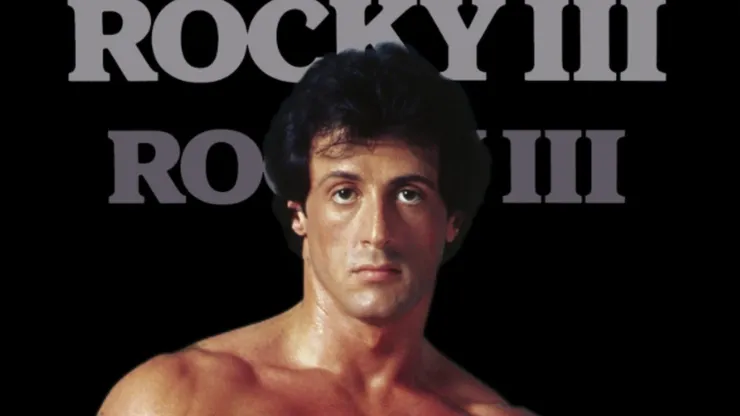
Rocky III arrived in multiplexes and delivered a cinematic knockout, completely redefining what a sports movie could be. Sylvester Stallone returned to write, direct, and star in the third installment, which took a massive stylistic leap from its predecessors.
Originally intended to be the final chapter in the Rocky saga, the film’s massive box office success—grossing over $270 million worldwide on a $17 million budget—insured the Italian Stallion would keep fighting. As we celebrate the 44th anniversary of this iconic pop culture milestone, here is a look back at what Rocky III meant at the time and how it forever altered the DNA of the franchise.
What ‘Rocky III’ Meant in 1982
When the original Rocky debuted in 1976, it was a gritty, character-driven Oscar winner heavily rooted in the aesthetic of 1970s independent cinema. Rocky II (1979) continued that grounded, working-class narrative. However, by 1982, the cultural landscape was rapidly shifting toward the MTV era, defined by flashy visuals, muscular action heroes, and high-energy music.
Rocky III fully embraced this new decade. It transformed Rocky Balboa from a humble underdog into a wealthy, polished celebrity who had lost his edge. The film perfectly captured the excesses of the early 1980s, trading meat lockers for high-end gyms and introducing larger-than-life characters.
Key elements that defined the film’s cultural impact include:
- The Arrival of Mr. T: As the ruthless, trash-talking James “Clubber” Lang, Mr. T made his phenomenal film debut. He brought a terrifying, visceral intensity to the screen and gave us the immortal catchphrase, “I pity the fool.”
- Apollo Creed as the Mentor: In a brilliant narrative pivot, Rocky’s former arch-rival Apollo Creed (played by the late, great Carl Weathers) became his trainer, teaching him how to fight with speed and rhythm.
- The “Eye of the Tiger”: With Queen denying Stallone the rights to use “Another One Bites the Dust,” he turned to the rock band Survivor. The result was “Eye of the Tiger,” a relentless, chart-topping anthem that became the ultimate workout track for generations to come.
- Thunderlips: Hulk Hogan’s hilarious and chaotic cameo as the world wrestling champion cemented the film’s status as a pure, unabashed spectacle.
What Happened to the Franchise?
Because Rocky III successfully proved that audiences were hungry for high-stakes, action-packed boxing melodramas, the franchise completely leaned into the blockbuster formula. The series evolved from a standalone character study into one of the most successful cinematic universes in history.Forty-four years after Clubber Lang predicted “pain,” Rocky III remains a vital, endlessly rewatchable piece of 1980s cinema. It taught an entire generation how to get their edge back, and it ensured that the Rocky franchise would definitively go the distance.