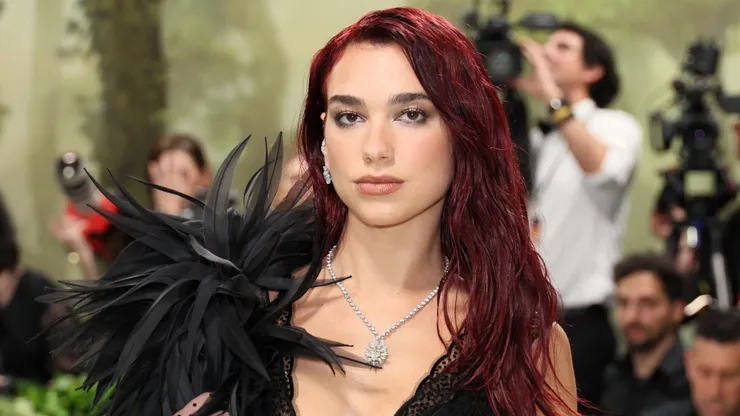
Released on March 27, 2020, the album arrived under unusual circumstances, but its combination of disco, dance-pop and futuristic production quickly gave Lipa a new level of commercial and critical recognition. It topped the charts in numerous countries and received widespread acclaim for its cohesive production and Lipa’s stylistic evolution.
The Album That Changed Dua Lipa’s Trajectory
The transformation began well before Future Nostalgia reached listeners. Lipa started working on the album in August 2018 and spent more than a year developing its direction. Rather than simply extending the sound of her debut, she set out to create something that could connect the music she grew up hearing with a more contemporary production style. The concept eventually became clear through the title itself, which was chosen to represent the meeting point between memories of the past and possibilities for the future.
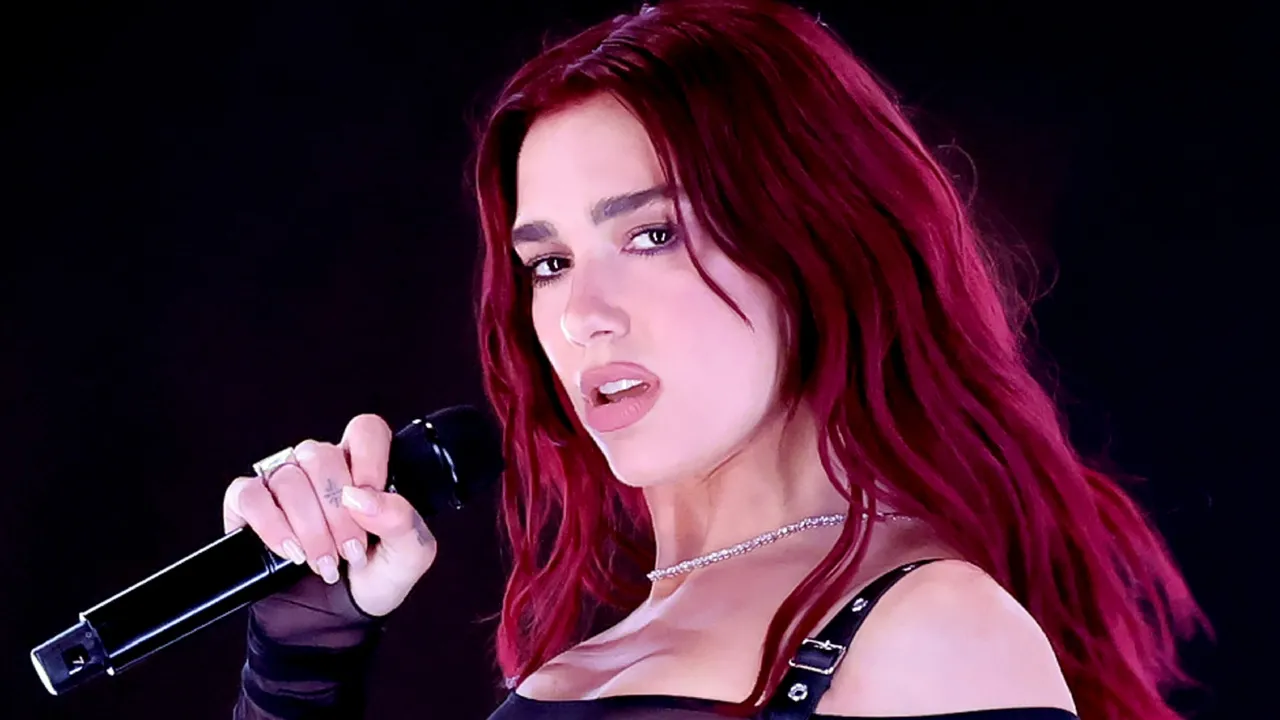
Source: Kevin Winter/Getty Images for The Recording Academy
That idea shaped the album’s music. Lipa drew from several decades of pop, disco and dance music while incorporating electronic production and contemporary pop structures. The result was not a straightforward throwback record. Tracks such as “Don’t Start Now,” “Physical,” “Break My Heart” and “Levitating” used familiar elements from earlier eras while giving them a polished modern framework. The album’s consistency also helped distinguish it from a collection built around individual singles, with its songs sharing a recognizable musical identity.
“Don’t Start Now” became the crucial first step in that transition. Released in October 2019, months before the album itself, the song introduced the new direction with its disco-influenced production and became Lipa’s first top-three entry on the U.S. Billboard Hot 100. It also reached No. 2 in the UK and U.S., establishing momentum for the album before its release.
The album’s arrival could hardly have happened under more complicated circumstances. After the complete record leaked in March 2020, its release was moved forward by one week to March 27. That meant Future Nostalgia reached the public just as the COVID-19 pandemic was disrupting everyday life around the world. Its planned touring campaign was also postponed, eventually becoming the Future Nostalgia Tour, which began in February 2022.
Despite that difficult timing, the album continued to grow. Future Nostalgia topped charts across multiple countries and eventually became a major award-season success. It won the Grammy for Best Pop Vocal Album and earned a nomination for Album of the Year, while Lipa also received recognition for “Don’t Start Now.” In the UK, the album earned her first Mercury Prize nomination and won the Brit Award for British Album of the Year.
The album’s legacy also extended beyond its initial release. Lipa continued expanding the project through Club Future Nostalgia, the Moonlight Edition and the Studio 2054 livestream before eventually taking the record on the road. By then, Future Nostalgia had done more than produce a run of successful singles. It had established a clear musical and visual identity for Lipa and marked the point when her career moved from promising pop newcomer to established global star.