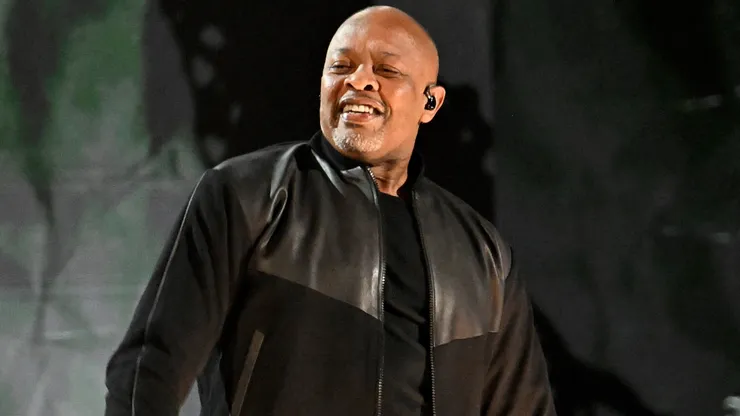
Few producers have reshaped the sound, business, and mythology of hip-hop as profoundly as Dr. Dre. Emerging from the charged energy of late-1980s West Coast rap with N.W.A and later redefining G-funk’s smooth, bass-heavy pulse, his work has consistently blurred the line between studio craft and cultural movement.
Long after his own spotlight dimmed as a solo rapper, his imprint only deepened — from launching the careers of superstars like Eminem and Snoop Dogg, to producing era-defining albums such as The Chronic and 2001, and steering the rise of 50 Cent and others through Aftermath Entertainment.
Straight Outta Compton
As a foundational anthem of West Coast rap, this track — co-produced by Dre for N.W.A — helped bring gangsta rap from Compton to national attention with its raw depiction of street life and unfiltered energy. Its influence endures, with the song now considered one of the most important rap singles in history and frequently cited in discussions of hip-hop’s rise in the late 1980s.
Nuthin’ but a ‘G’ Thang
A defining moment from Dre’s solo debut The Chronic, this smooth, laid-back groove exemplified the G-funk sound — heavy bass, high Moog synths, and melodic hooks — that reshaped rap’s sonic palette in the early ’90s. Its chemistry with Snoop Dogg made it a cultural touchstone and a symbol of West Coast swagger.
Let Me Ride
With its deep, rolling beat and classic West Coast rhythm, Let Me Ride showcased Dre’s ability to craft party-ready tracks with musical sophistication. The song won a Grammy for Best Rap Solo Performance, underscoring how his production could balance street credibility with mainstream recognition.
Still D.R.E.
Marking Dre’s triumphant return as a solo artist after years behind the boards, Still D.R.E. reintroduced him with a minimalist piano motif and crisp, modern beat. Its success revitalized his profile in hip-hop’s changing landscape, proving his relevance across generations.
The Next Episode
A key single from 2001, this track built on Dre’s past successes while presenting a sharper, more cinematic sound. Its iconic hook and club-ready energy helped sustain Dre’s influence into the 2000s and beyond, with the song later featured in major live events like the Super Bowl halftime show.
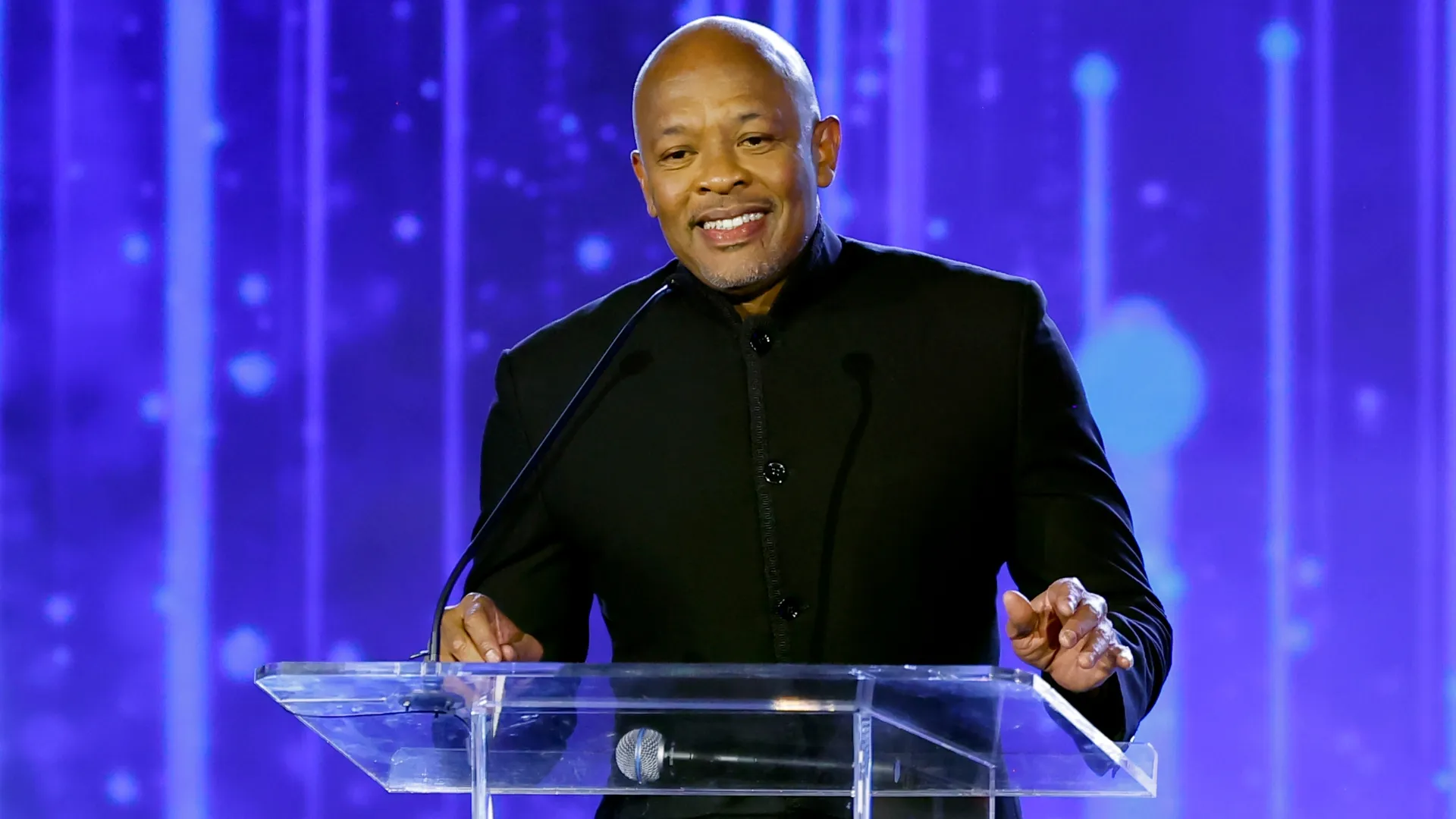
Dr. Dre speaks onstage during the 2026 Recording Academy Honors (Source: Leon Bennett/Getty Images for The Recording Academy)
Forgot About Dre
Produced alongside Eminem, this song became a statement of Dre’s enduring power in rap. With sharp lyricism and a confrontational tone, it addressed critics and reminded audiences of his foundational role in hip-hop production — all while pushing forward with contemporary flair.
California Love
Though credited to 2Pac, Dre’s production on this massive anthem helped make it one of the most recognizable songs of the ’90s. Its celebratory depiction of West Coast life and hypnotic beat expanded Dre’s reach beyond his own releases, securing his fingerprint on one of hip-hop’s most beloved classics.
My Name Is
Serving as a launchpad for Eminem’s career, this track introduced a brash new voice to the mainstream, with Dre’s polished production providing the perfect frame. It demonstrated his talent not just as a creator but as a cultural curator capable of elevating other artists to superstardom.
In da Club
With its sparse but infectious rhythm and booming bass, this anthem became the defining track of 50 Cent’s debut, shaping early 2000s hip-hop radio. Dre’s knack for creating minimal yet powerful grooves made In da Club an enduring hit that crossed genre boundaries.
Lose Yourself
While Eminem led this track, Dre’s executive presence and production ecosystem helped shepherd it to global success — including an Oscar win. It showed how his influence extended from studio beats to some of the most culturally significant hip-hop moments in cinema.