Orlando Bloom’s film career has unfolded in chapters that mirror the shifting rhythms of modern Hollywood. First came the sudden ascent—roles that placed him inside vast cinematic worlds, where fantasy, adventure and myth carried entire generations into theaters.
As he turns 49, his body of work invites a closer look beyond the scale of the stories he helped tell. Across dramas, thrillers, and character-driven films, he has repeatedly gravitated toward roles that explore uncertainty, loss and quiet intensity.
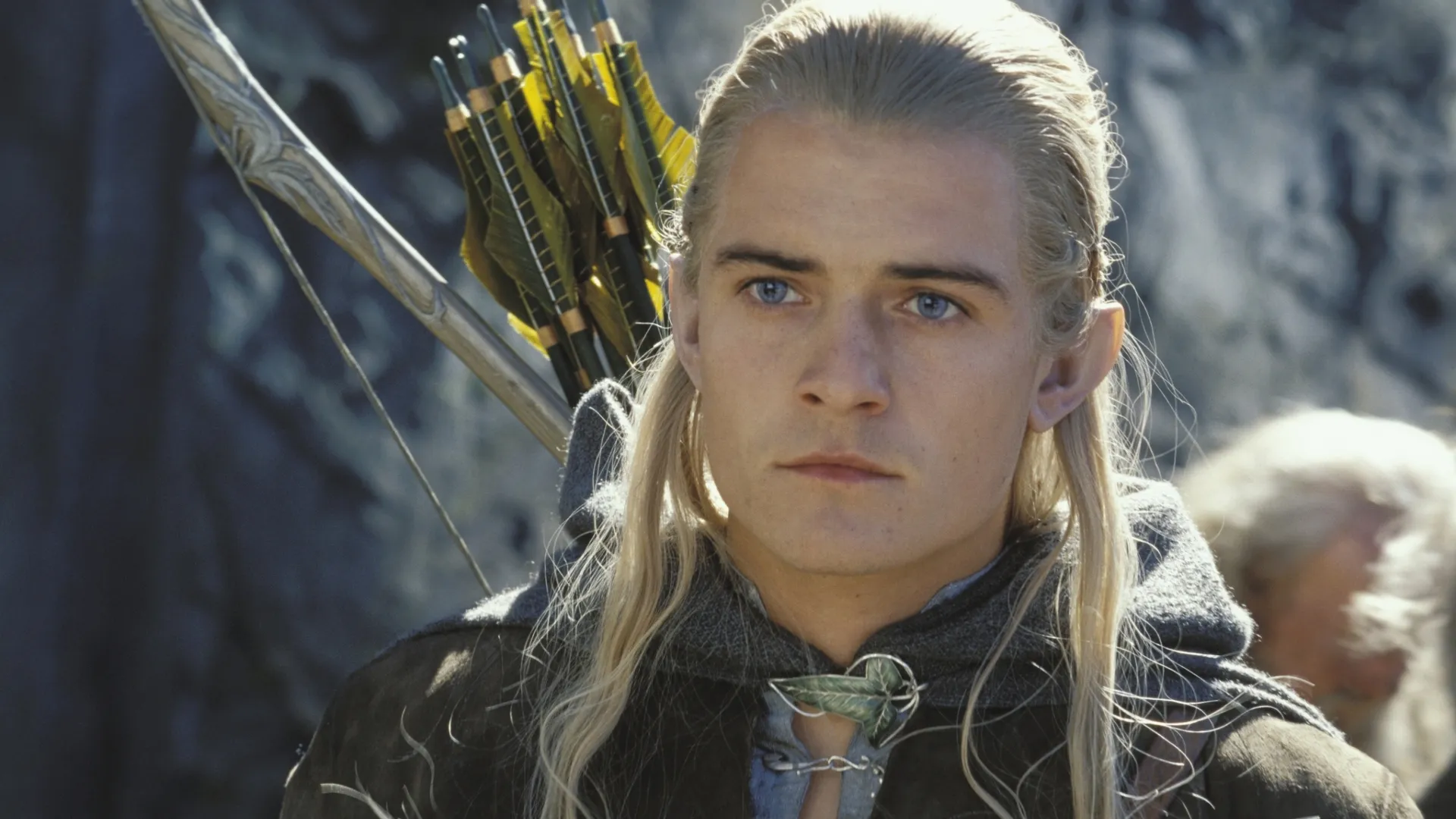
The Lord of the Rings Trilogy (2001–2003)
(Source: IMDb)
Orlando Bloom’s breakout role came as Legolas, the ethereal elven archer in Peter Jackson’s The Lord of the Rings trilogy. Cast just days after graduating drama school, Bloom’s portrayal combined grace and quiet intensity as part of the Fellowship of the Ring, contributing to some of the saga’s most memorable action sequences and emotional beats. The role not only launched him into global stardom but also set the tone for his early career in epic storytelling.
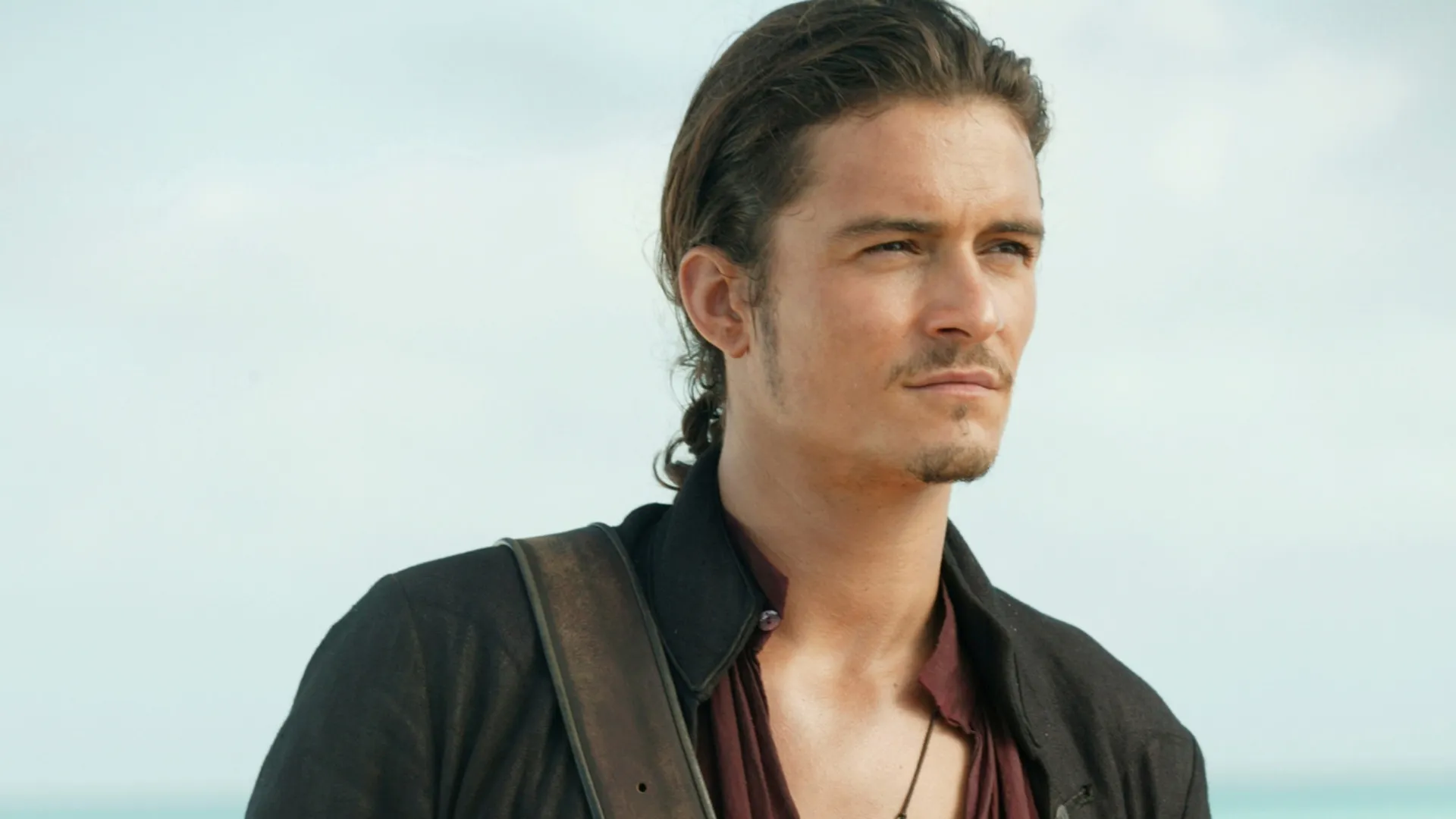
Pirates of the Caribbean: The Curse of the Black Pearl (2003) & Sequels
(Source: IMDb)
As Will Turner, a humble blacksmith torn between duty and family legacy, Bloom anchored Disney’s Pirates of the Caribbean franchise alongside Johnny Depp and Keira Knightley. The character’s evolution—from tradesman to skilled pirate and eventual captain—gave Bloom the chance to blend romance, swashbuckling action, and moral complexity in a blockbuster context. The role became one of his most iconic and enduring performances.
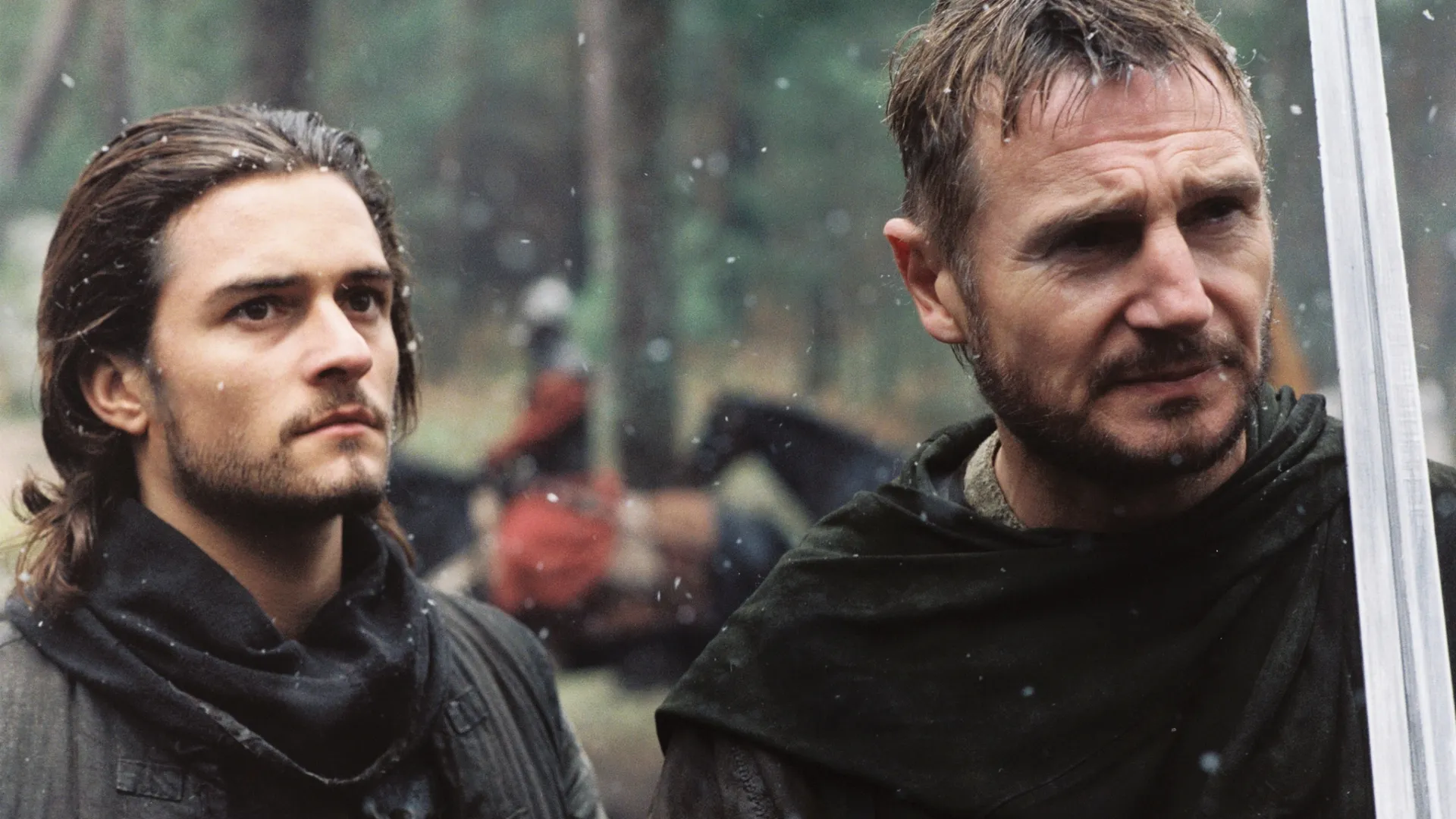
Kingdom of Heaven (2005)
(Source: IMDb)
In Ridley Scott’s historical epic Kingdom of Heaven, Bloom steps into the role of Balian of Ibelin, a French blacksmith who becomes a pivotal defender of Jerusalem during the Crusades. The performance demanded more dramatic weight than his earlier work, as Balian grapples with questions of faith, honor, and leadership amid sweeping historical conflict. Bloom’s presence anchors the film’s moral center.
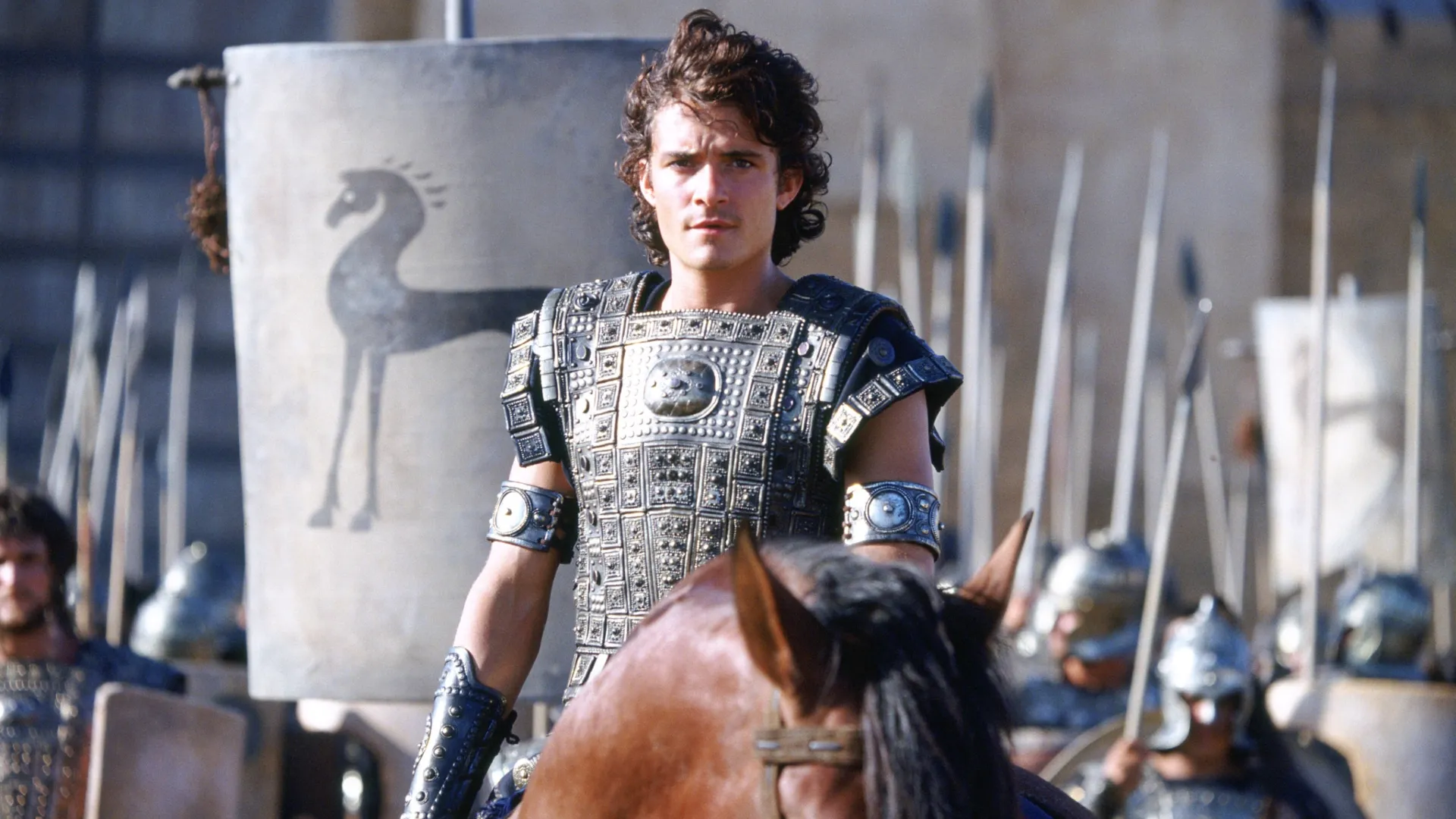
Troy (2004)
(Source: IMDb)
In Troy, Bloom portrays Paris, the Trojan prince whose love for Helen sets off the legendary war that defines Homeric myth. While surrounded by Hollywood heavyweights like Brad Pitt and Eric Bana, Bloom’s performance captures Paris’s romantic impulsiveness and vulnerability, adding a human dimension to the grand scale of mythic conflict.
Elizabethtown (2005)

(Source: IMDb)
Branching into contemporary drama, Bloom took on Drew Baylor in Cameron Crowe’s Elizabethtown, a role that showcased his ability to handle grounded emotional stakes outside of fantasy or historical epics. As a grieving shoe designer returning home after personal setbacks, Bloom explored themes of loss, introspection, and connection, broadening his range with quiet, relatable nuance.
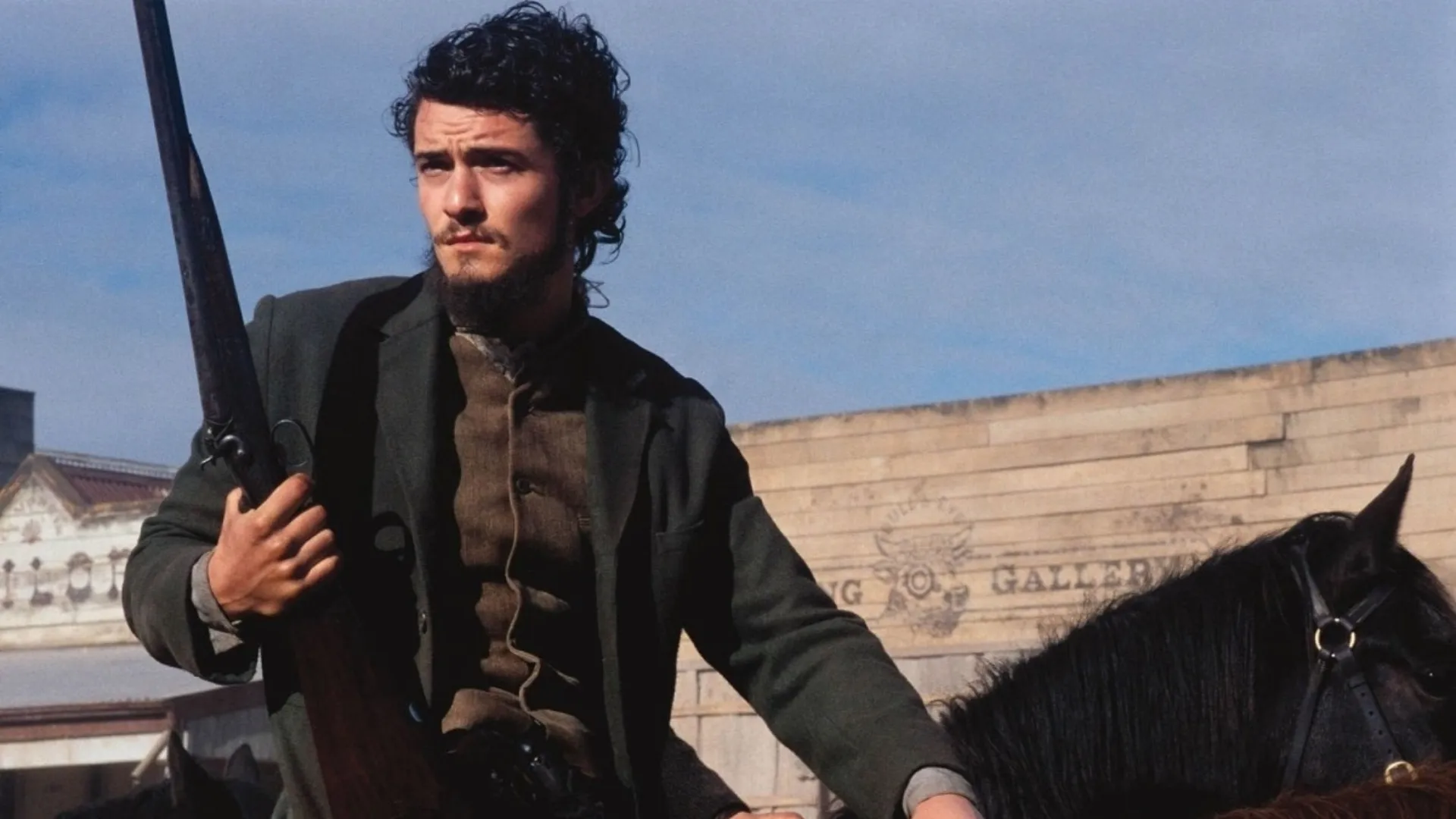
Ned Kelly (2003)
(Source: IMDb)
In the biographical Western Ned Kelly, Bloom portrays Joseph Byrne, a member of the notorious Kelly gang alongside Heath Ledger’s titular outlaw. The role places him in gritty, character-driven territory and highlights an early willingness to take on varied projects beyond larger franchises.
Black Hawk Down (2001)

(Source: IMDb)
Although a smaller part, Bloom’s appearance as PFC Todd Blackburn in Ridley Scott’s Black Hawk Down marked one of his first high-profile film roles. The war drama situates him within an ensemble recounting a harrowing real-world event, giving Bloom early experience in emotionally charged, intense filmmaking environments.
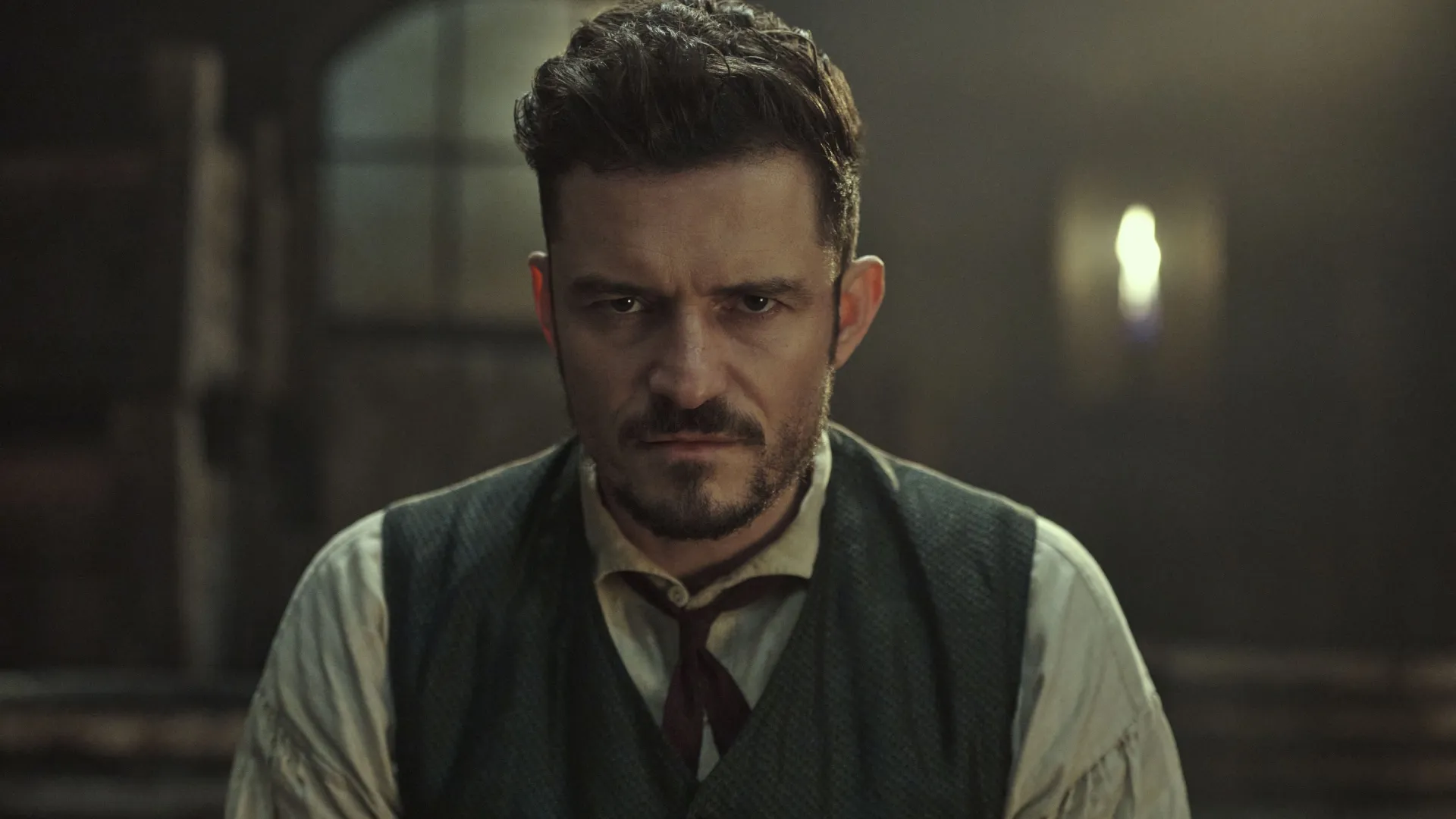
Carnival Row (2019–2023)
(Source: IMDb)
In Amazon Prime Video’s dark fantasy series Carnival Row, Bloom stars as Rycroft “Philo” Philostrate, a conflicted detective navigating a world fractured by class division, colonialism, and fear of the “other.”
Set in a neo-Victorian city populated by humans and mythological creatures, the series allowed Bloom to explore a more layered, morally complex protagonist than many of his earlier heroic roles.
Across two seasons, his performance blends noir sensibilities with emotional restraint, positioning Carnival Row as a significant chapter in his transition toward darker, more introspective storytelling beyond the big screen.