In recent years, a growing number of artists have chosen to sell the rights to their music catalogs, cashing in on decades of hits in exchange for enormous sums. These deals reflect both the enduring value of iconic songs and the shifting economics of the music industry, where streaming and licensing have made catalogs more lucrative than ever. From rock legends to pop superstars, these musicians have made strategic decisions that reshape how their work is owned and experienced for years to come.
Queen
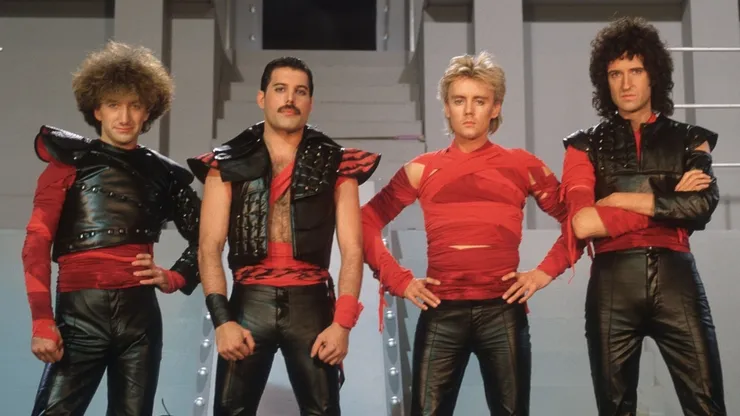
The legendary rock group set a historic benchmark in 2024 by selling their expansive catalog to Sony Music for a staggering $1.27 billion. The deal covers the band’s publishing and recording rights along with additional assets such as merchandising and licensing opportunities tied to hits like “Bohemian Rhapsody.” While recorded-music rights in the U.S. and Canada remain with Disney’s Hollywood Records, the agreement still represents the largest music-catalog acquisition in industry history, with the surviving members and the estate of Freddie Mercury cashing in on one of rock’s most valuable songbooks.
Bruce Springsteen
In late 2021, Bruce Springsteen struck a landmark deal with Sony Music Group reportedly worth around $500 million, transferring ownership of both his master recordings and songwriting catalog. The agreement covers more than 300 songs and roughly 20 studio albums, placing one of the most culturally significant bodies of work in American rock under a single corporate umbrella. The move cemented a decades-long relationship between Springsteen and Sony while giving the company control over the music of “The Boss” for generations to come.
Bob Dylan
The Nobel laureate stunned the industry in 2020 and 2021 by selling both his songwriting and master recording rights in separate blockbuster deals worth well over $450 million combined. Universal Music Group acquired the publishing rights to Bob Dylan’s roughly 600-song catalog in 2020, while Sony Music Entertainment later secured ownership of his recorded-music catalog the following year. Together, the transactions handed two major corporations control over one of the most influential bodies of work in modern music, from Dylan’s early folk classics to his later recordings.
Pink Floyd
After years of complex internal negotiations, the members of Pink Floyd finalized a deal in late 2024 to sell their recorded‑music catalog and name‑and‑likeness rights to Sony Music for approximately $400 million. The agreement notably excluded the publishing rights to their lyrics, but it granted Sony control over their master recordings and commercial use of the band’s name and image. The sale marked the end of a long period of uncertainty around the band’s commercial legacy and placed a significant portion of their audiovisual brand under corporate stewardship.
Genesis
In 2022, members of Genesis — including Phil Collins, Tony Banks, and Mike Rutherford — sold a large portion of their music rights to Concord Music Group in a deal reportedly worth around $300 million. The transaction included publishing and recorded-music rights spanning the Genesis catalog, Collins’ solo hits, and Rutherford’s work with Mike + The Mechanics. The sale consolidated decades of progressive rock and pop classics under Concord’s control while delivering one of the most substantial catalog transactions involving a band and its members’ solo careers.
Sting
In early 2022, Sting sold his entire songwriting catalog to Universal Music Group in a deal widely reported to be worth around $300 million. The agreement spans the songs he wrote for The Police as well as his solo career, bringing classics like “Every Breath You Take” and “Roxanne” under Universal’s publishing umbrella. The artist said the move would help ensure his music continues reaching new generations through dedicated global management.
Katy Perry
Proving that younger pop stars are just as attractive to catalog investors, Katy Perry sold her share of the master recording royalties from five studio albums to Litmus Music in 2023 for a reported $225 million. The deal covers releases from One of the Boys through Smile, encompassing some of the defining pop hits of the streaming era. By monetizing part of her catalog while remaining active as a performer and television personality, Perry joined a growing list of artists cashing in on the booming music-rights market.
Justin Bieber
At just 28 years old, Justin Bieber became one of the youngest artists to execute a major catalog exit, selling his publishing rights and royalty interests in his back catalog of more than 290 songs to Hipgnosis Songs Capital for a reported $200 million in 2023. The agreement covers music released through the end of 2021, and while Universal Music Group retained ownership of the master recordings, the payout gave Bieber an early, significant return on the monetization of his catalog in a booming music‑rights market.
Rod Stewart
In early 2024, Rod Stewart joined the growing trend of legacy catalog sales by agreeing to sell his music rights to Iconic Artists Group for a reported near‑$100 million. The arrangement includes his publishing catalog, recorded‑music interests, and certain name‑and‑likeness rights tied to his long career — from his solo work to his contributions with Faces and the Jeff Beck Group. Stewart said the deal would help safeguard his life’s work with a professional legacy partner rather than leave it in a traditional estate structure.
Stevie Nicks
In late 2020, Stevie Nicks sold an 80% stake in her songwriting/publishing catalog to Primary Wave Music for a reported $100 million. The deal covers her major songwriting works — including classics like “Dreams” and “Edge of Seventeen” — and gave Primary Wave the ability to help monetize and license those songs in film, TV and branding opportunities. The move was an early high‑profile example of how heritage rock artists are leveraging catalog sales to solidify their legacies and capitalize on the booming publishing market.