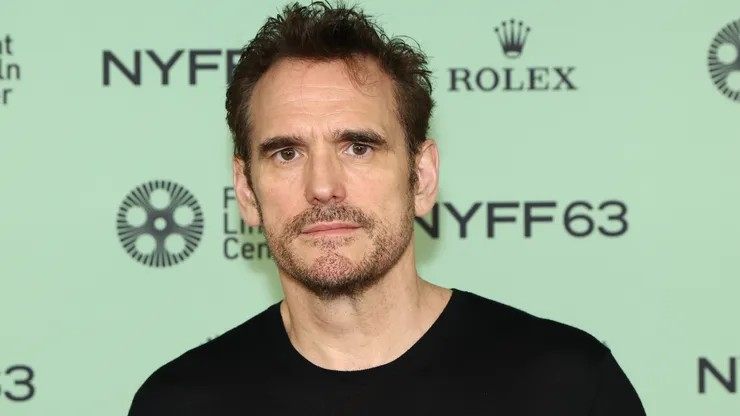
At a time when teen idols often faded as quickly as they appeared, Matt Dillon carved out a path defined by risk, range, and quiet persistence. First gaining attention in the early 1980s with emotionally raw youth dramas like Over the Edge and The Outsiders, he steadily moved beyond heartthrob status.
Six decades into life and more than forty years into his career, his filmography reads like a map of modern American cinema, shifting between independent intensity and mainstream success.
Recognition followed, including major critical praise for Crash and a reputation for choosing roles guided less by visibility than by instinct, allowing his work to endure with a resonance that outlasts trends.
Over the Edge
(Source: IMDb)
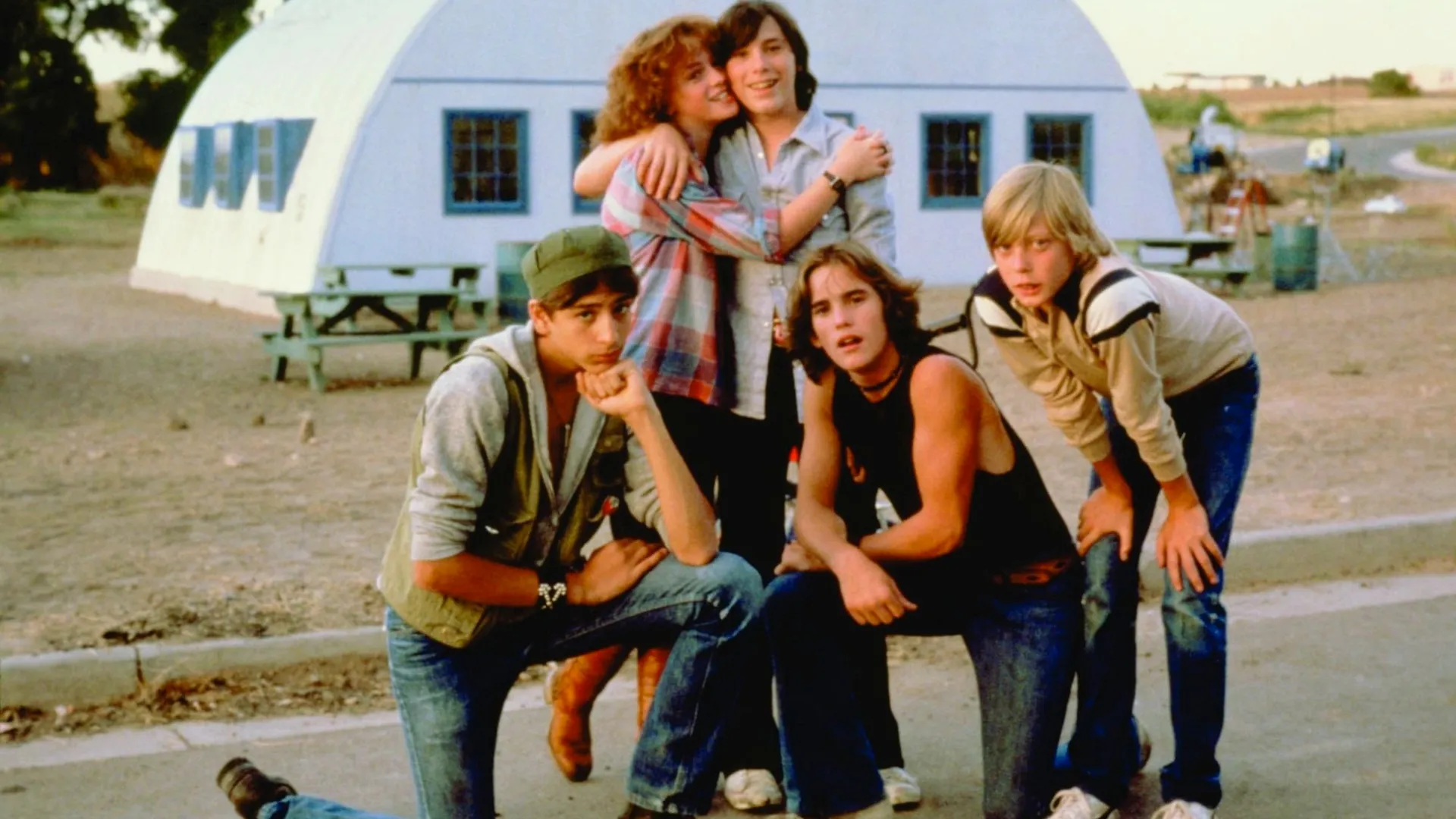
Dillon made his film debut as Richie White, a restless suburban teenager caught in escalating rebellion inside a planned community designed to keep youth contained rather than heard. Inspired by real events, the film follows a group of teens whose boredom turns into violence, becoming a stark portrait of generational neglect.
Though initially overlooked, the movie later achieved cult status and effectively launched Dillon’s career, establishing his signature intensity and positioning him as a natural fit for emotionally volatile, character-driven stories rather than conventional teen-idol roles.
The Outsiders
(Source: IMDb)
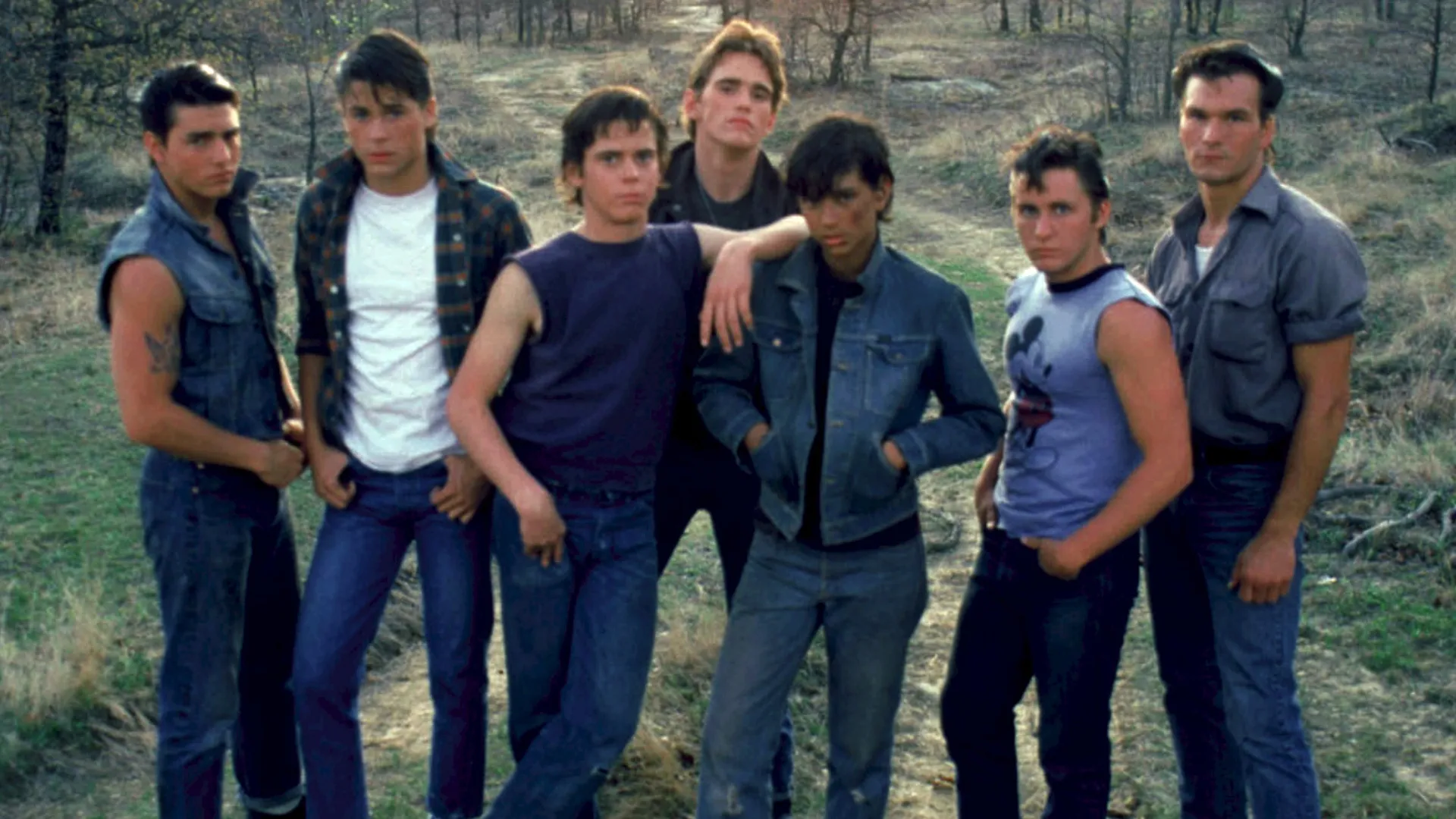
As Dallas “Dally” Winston, Dillon shared the screen with a future-star ensemble including Patrick Swayze, Rob Lowe, and Tom Cruise in a drama about class conflict between rival teen groups in 1960s Oklahoma. His portrayal of hardened toughness masking deep vulnerability became one of the film’s emotional anchors.
The film’s enduring popularity in schools and pop culture solidified Dillon’s early fame, proving he could command attention within major studio productions while still delivering layered dramatic work.
Rumble Fish
(Source: IMDb)
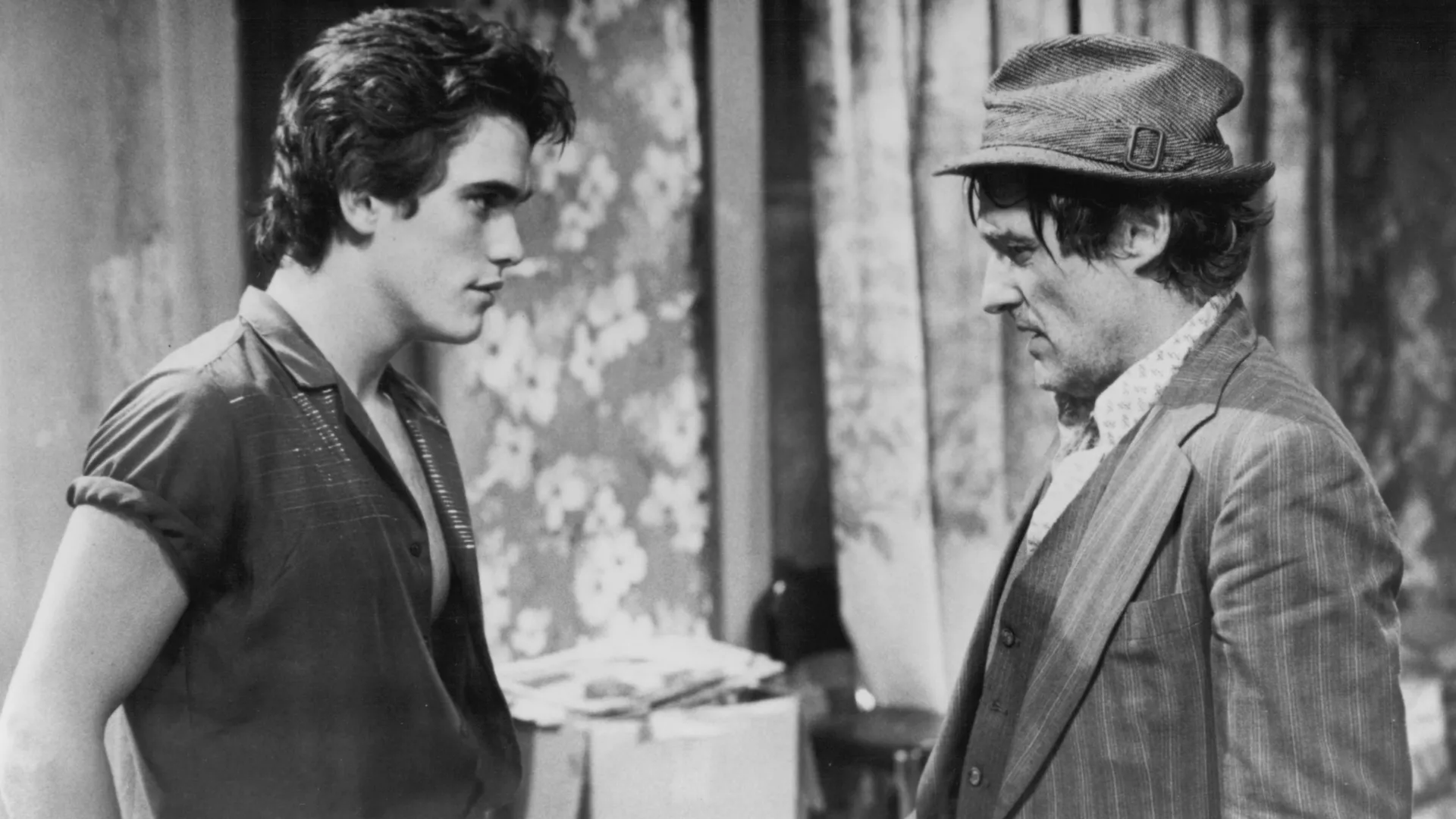
Playing Rusty James opposite Mickey Rourke and Diane Lane, Dillon led a stylized coming-of-age story centered on identity, myth, and the fading echoes of street legend. Francis Ford Coppola’s black-and-white visuals and dreamlike tone pushed the narrative toward art-house experimentation.
The project deepened Dillon’s artistic credibility, aligning him with auteur cinema and signaling that his ambitions extended beyond mainstream teen dramas into more visually and psychologically ambitious territory.
Drugstore Cowboy
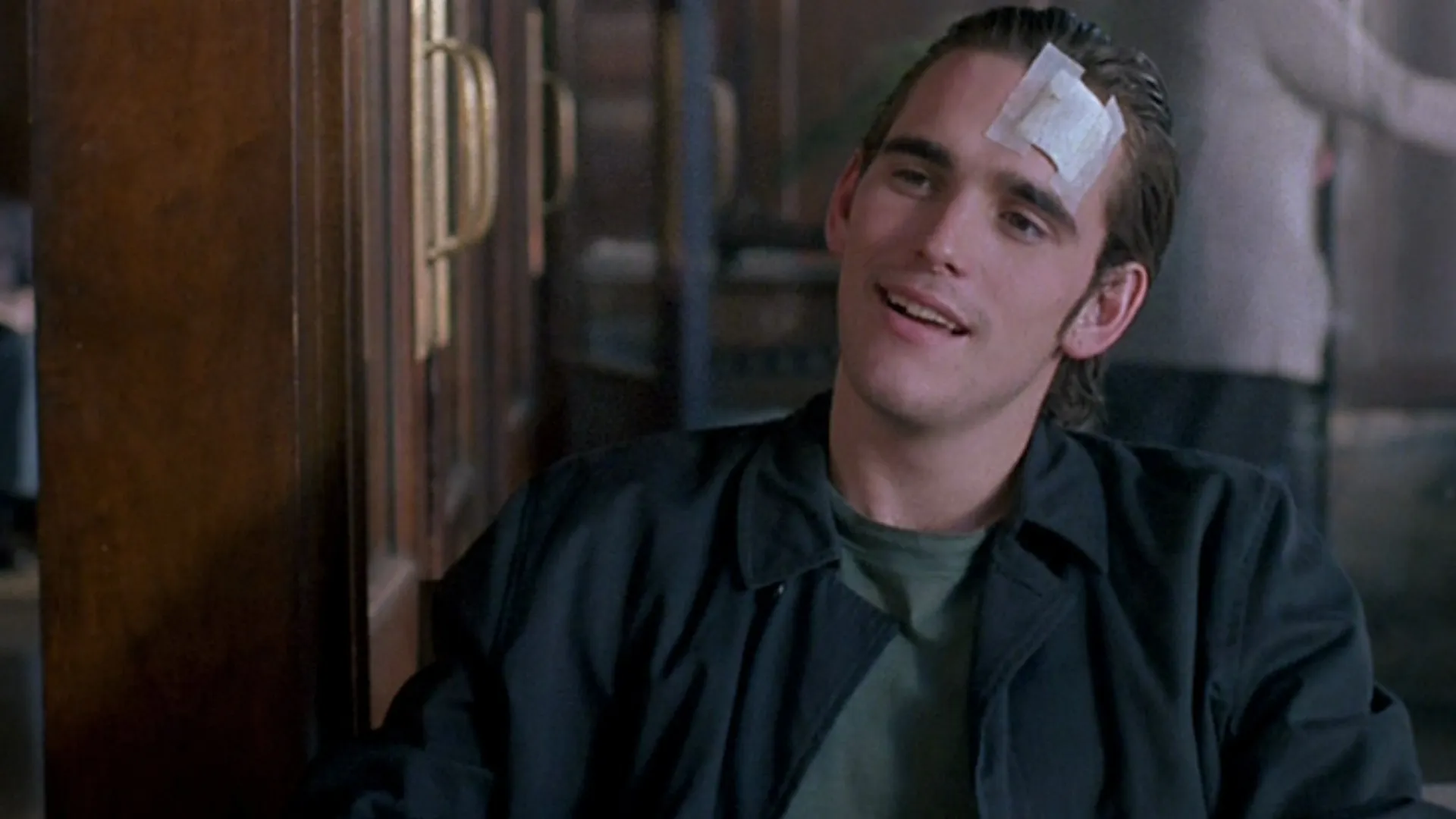
(Source: IMDb)
As Bob Hughes, the charismatic leader of a group of addicts robbing pharmacies, Dillon delivered a haunting performance alongside Kelly Lynch and Heather Graham in Gus Van Sant’s intimate portrait of dependency and fatalism. The film’s realism and emotional restraint marked a sharp tonal shift from his earlier work.
Widely praised by critics and rewarded with major accolades, the role redefined Dillon as a serious dramatic actor and became a cornerstone of the late-1980s American independent film movement.
Singles
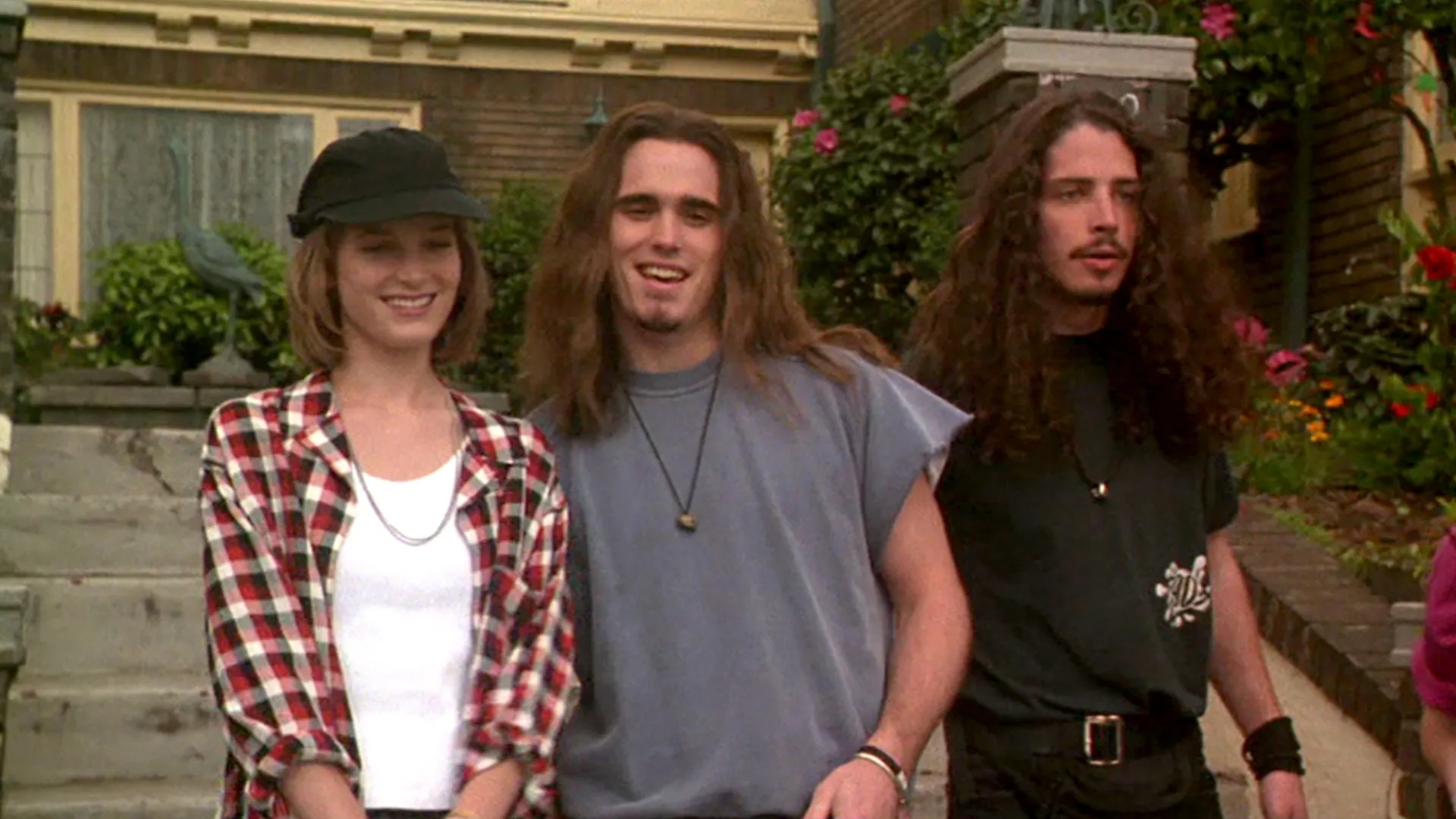
(Source: IMDb)
Dillon portrayed Cliff Poncier, a self-absorbed Seattle rock musician navigating romance and ambition among characters played by Bridget Fonda and Campbell Scott. Set during the rise of the grunge scene, the film doubles as a cultural snapshot of early-1990s youth and music culture.
The performance revealed Dillon’s comedic timing and self-aware charm, broadening his range and helping transition his image from intense dramatic lead to versatile character actor.
There’s Something About Mary
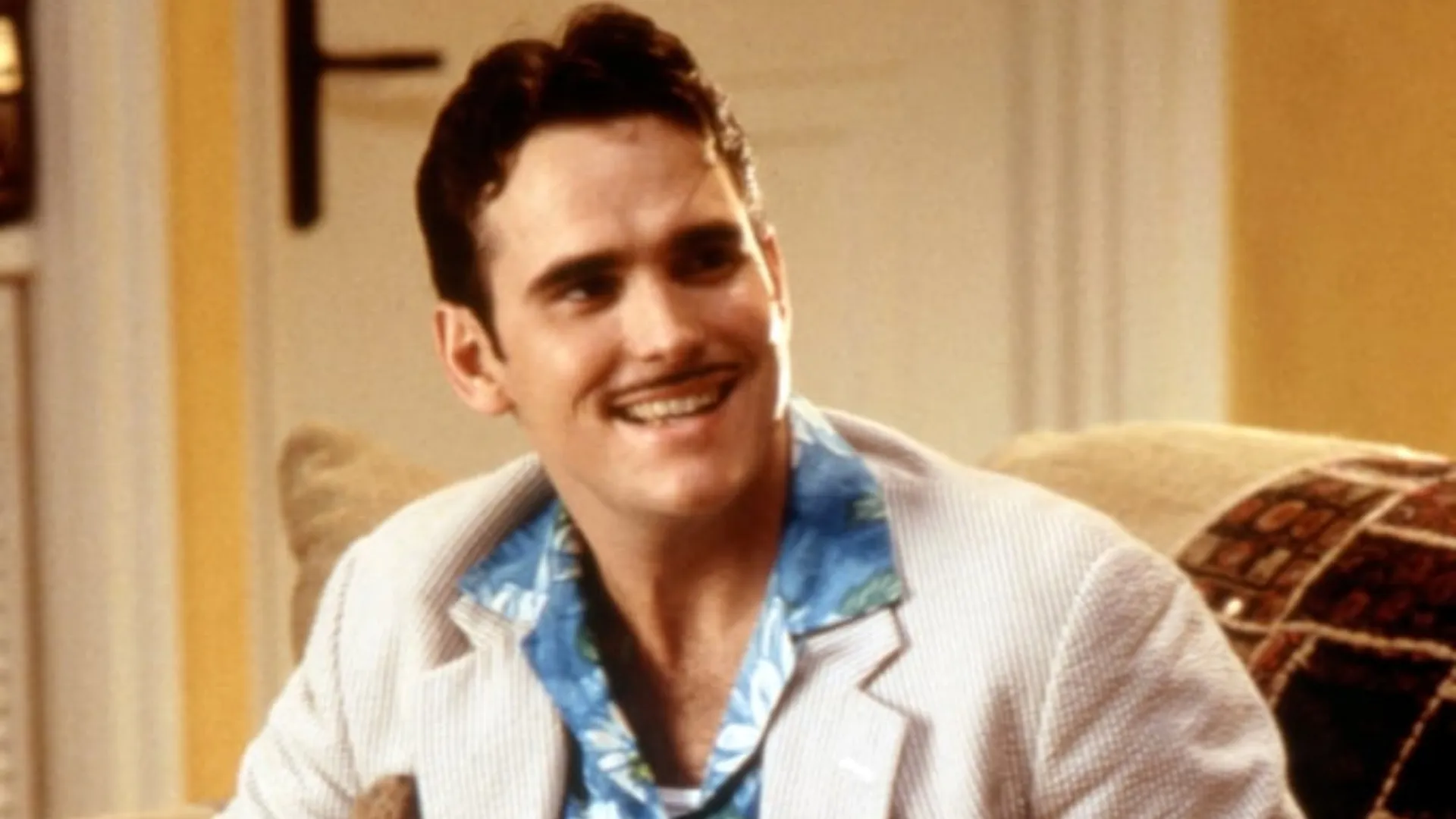
(Source: IMDb)
As manipulative private investigator Pat Healy, Dillon schemed against Ben Stiller’s lovelorn protagonist while pursuing Cameron Diaz’s Mary in one of the decade’s most successful comedies. His fearless physical humor and scene-stealing confidence drove much of the film’s outrageous tone.
The blockbuster success dramatically expanded his mainstream visibility and proved his ability to thrive in broad comedy, reshaping public perception of his career possibilities.
Wild Things
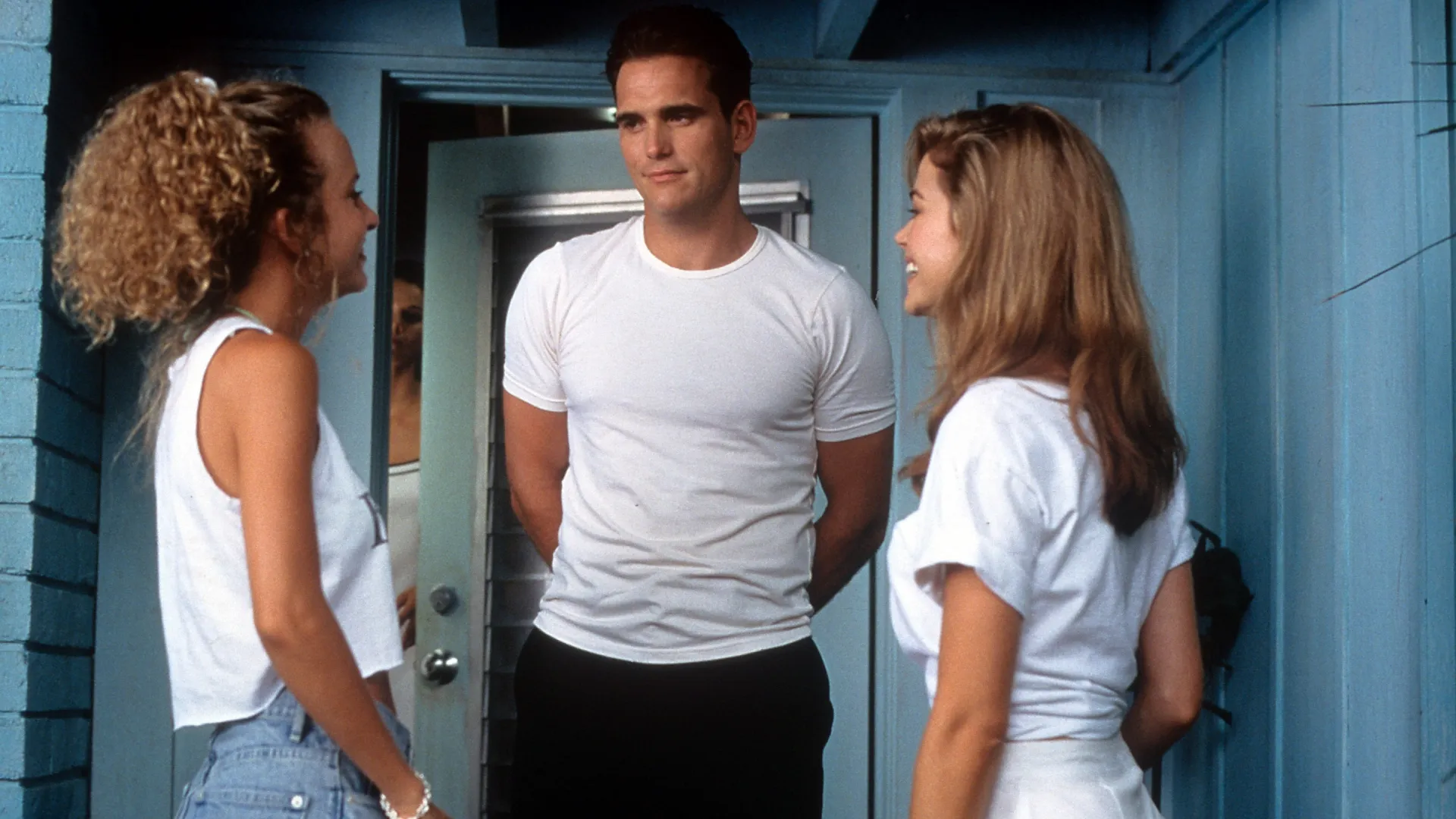
(Source: IMDb)
Playing Detective Ray Duquette alongside Neve Campbell, Denise Richards, and Kevin Bacon, Dillon navigated a labyrinth of seduction, false accusations, and shocking reversals. The film’s provocative storytelling and twist-heavy structure fueled strong box-office curiosity and later cult fascination.
Its notoriety reinforced Dillon’s comfort with morally ambiguous roles and edgy genre material, strengthening his reputation for risk-taking choices in the late 1990s.
Crash
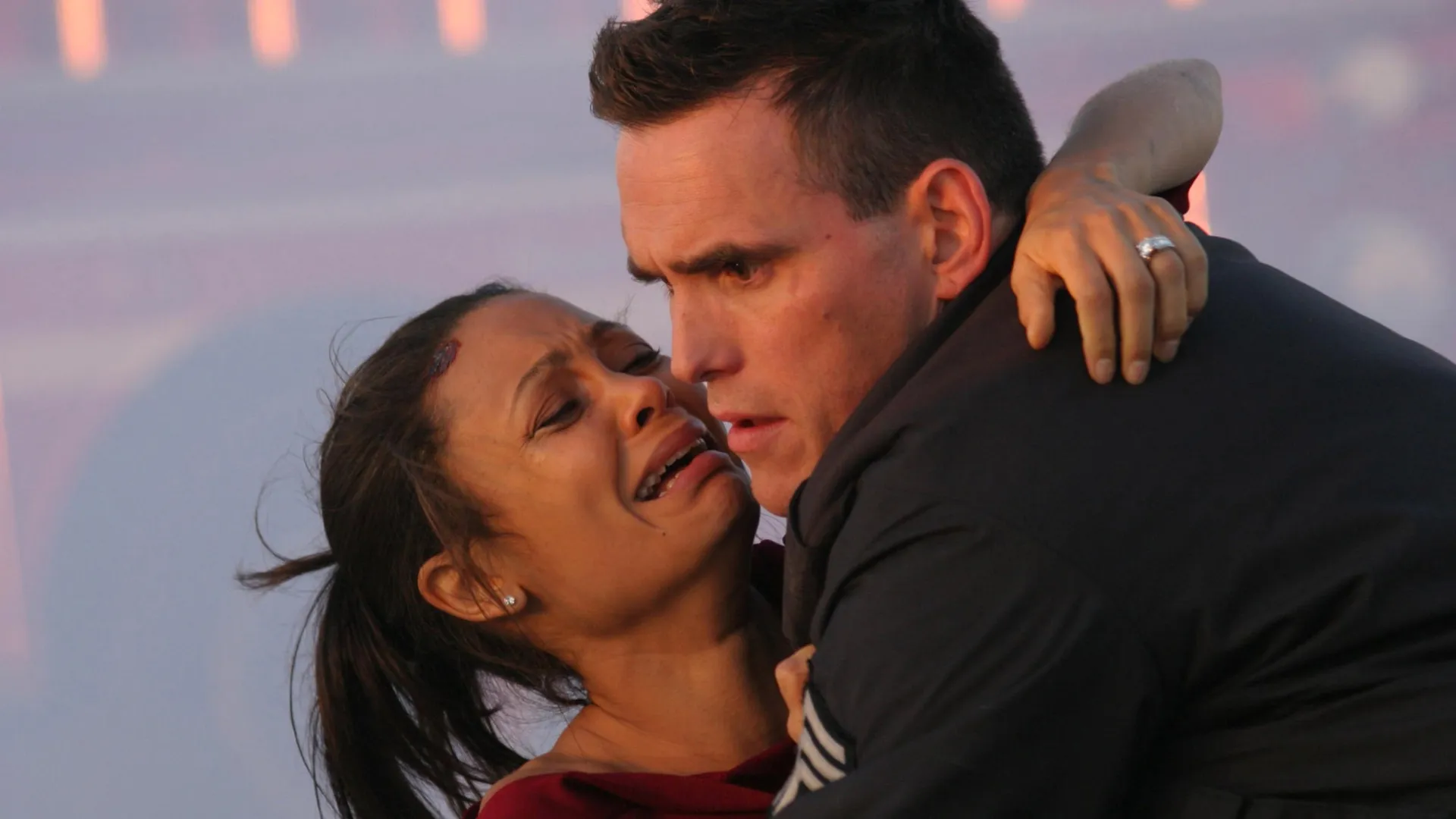
(Source: IMDb)
Dillon’s Officer John Ryan, a racially prejudiced Los Angeles cop capable of both cruelty and reluctant compassion, intersected with characters played by Sandra Bullock, Don Cheadle, and Thandiwe Newton in an ensemble narrative about urban tension and bias. His layered portrayal became one of the film’s most discussed elements.
The performance earned him an Academy Award nomination for Best Supporting Actor and placed him at the center of a Best Picture-winning film, marking one of the highest critical points of his career.
City of Ghosts
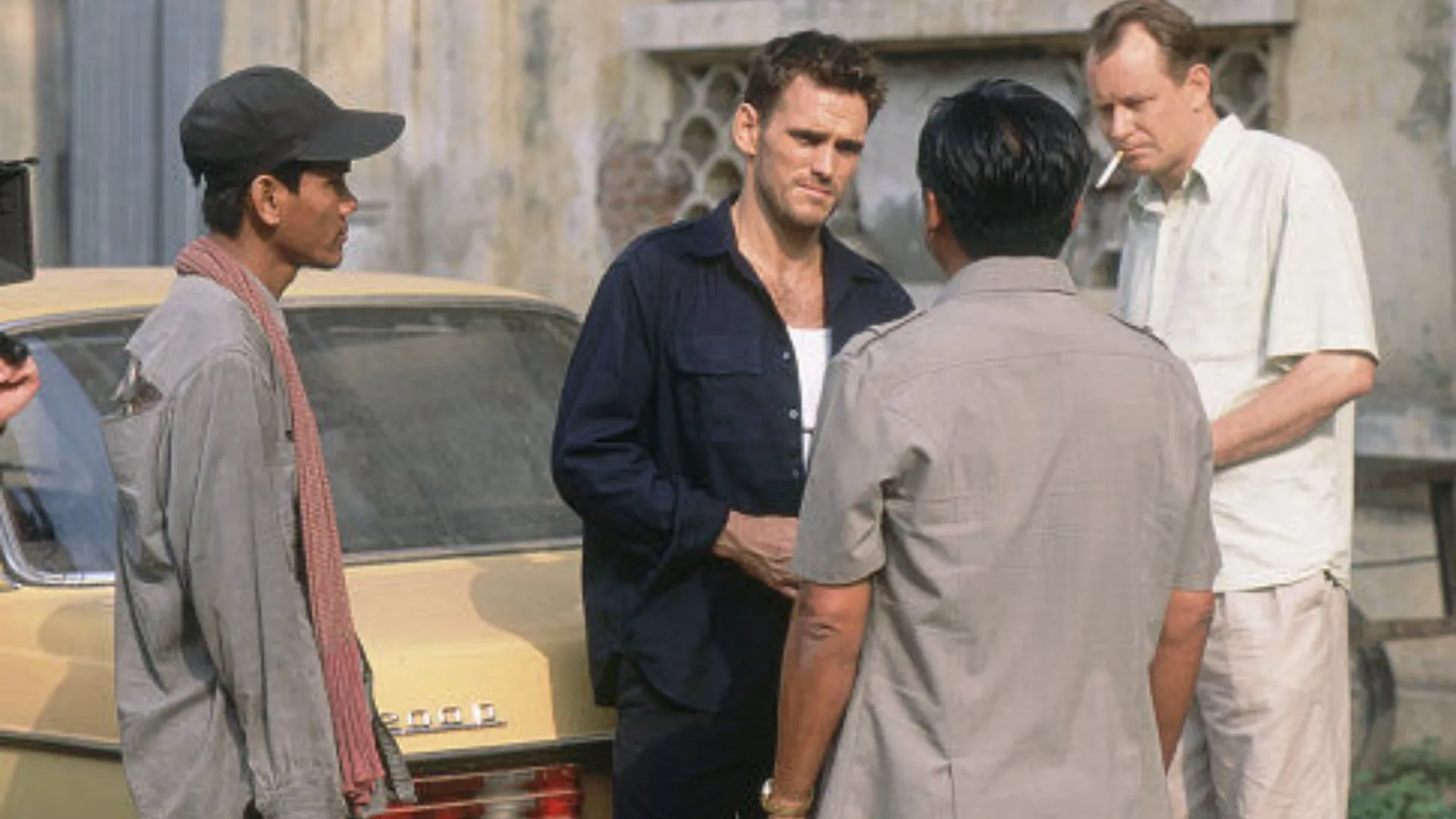
(Source: IMDb)
Writing, directing, and starring as Jimmy Cremmins, an American drifter searching Cambodia for a missing partner tied to insurance fraud, Dillon crafted a meditative crime story shaped by atmosphere and moral ambiguity. The project signaled artistic ambition behind the camera and broadened his creative identity beyond acting.
This creative leap demonstrated ambitions beyond acting, expanding his artistic identity and confirming his long-term commitment to character-driven storytelling.
The House That Jack Built
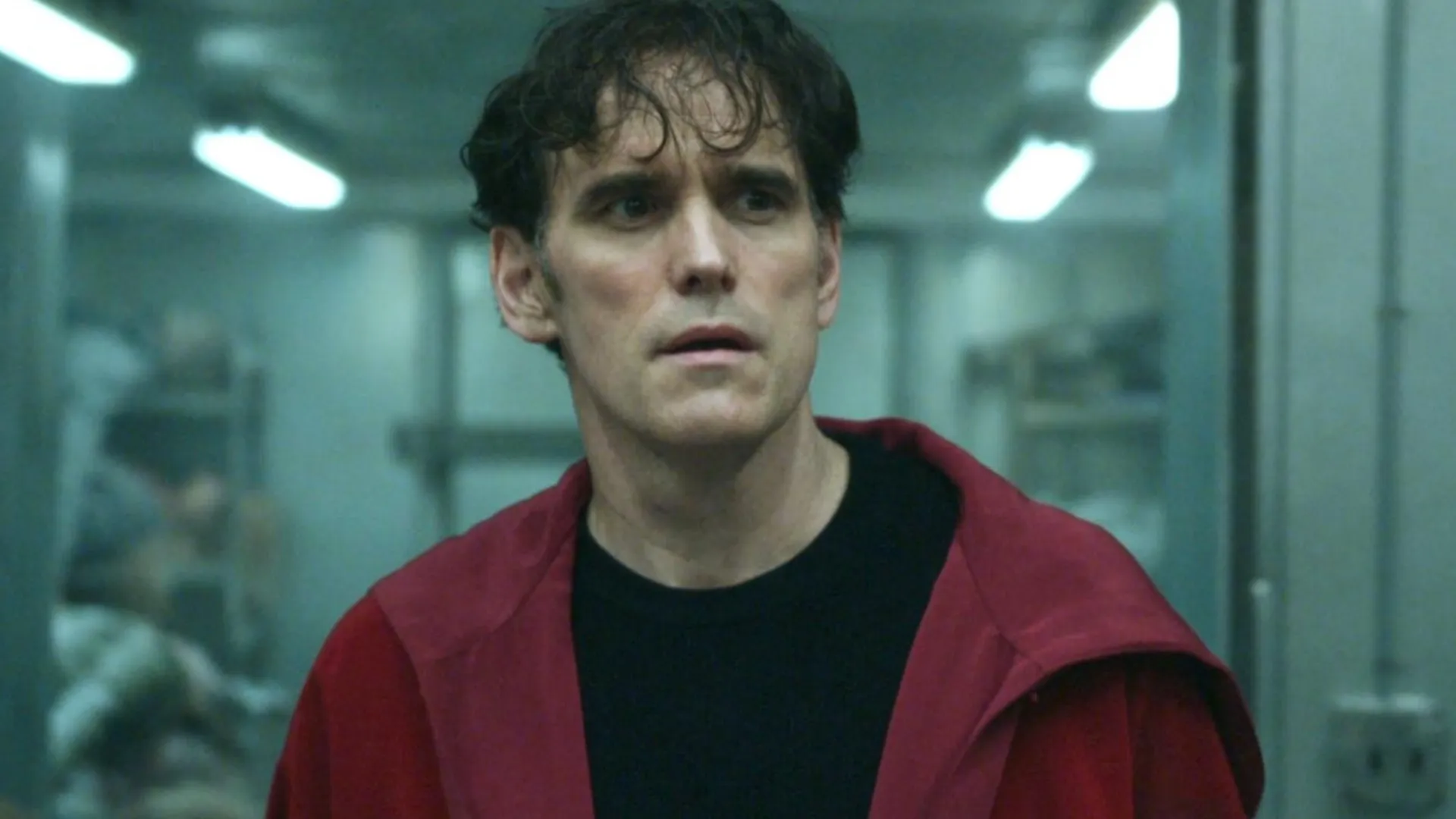
(Source: IMDb)
As Jack, a meticulous serial killer recounting murders as artistic expression, Dillon performed opposite Bruno Ganz, with appearances from Uma Thurman and Riley Keough in Lars von Trier’s disturbing psychological study. The film’s graphic intensity and philosophical tone sparked major controversy and debate.
Taking on such a demanding and polarizing role decades into his career reaffirmed Dillon’s refusal to choose safe material, highlighting an enduring artistic restlessness that continues to define his legacy.