For nearly a century, the Academy Awards have celebrated Hollywood’s finest performances — but not every Oscar win has earned universal praise. Ever since the first ceremony in 1929, the Oscars have sparked endless debates, with audiences often disagreeing with the Academy’s choices. From surprise upsets to “career achievement” victories that overshadowed stronger performances, some wins have gone down in history as among the most controversial decisions the Academy ever made.
As we look back through the lens of 2026, these wins remain the subject of heated discussions at dinner tables and on film forums alike. These are the twenty performances that, despite being etched into the history books with a win, continue to face the scrutiny of audiences who believe the prize belonged to someone else.
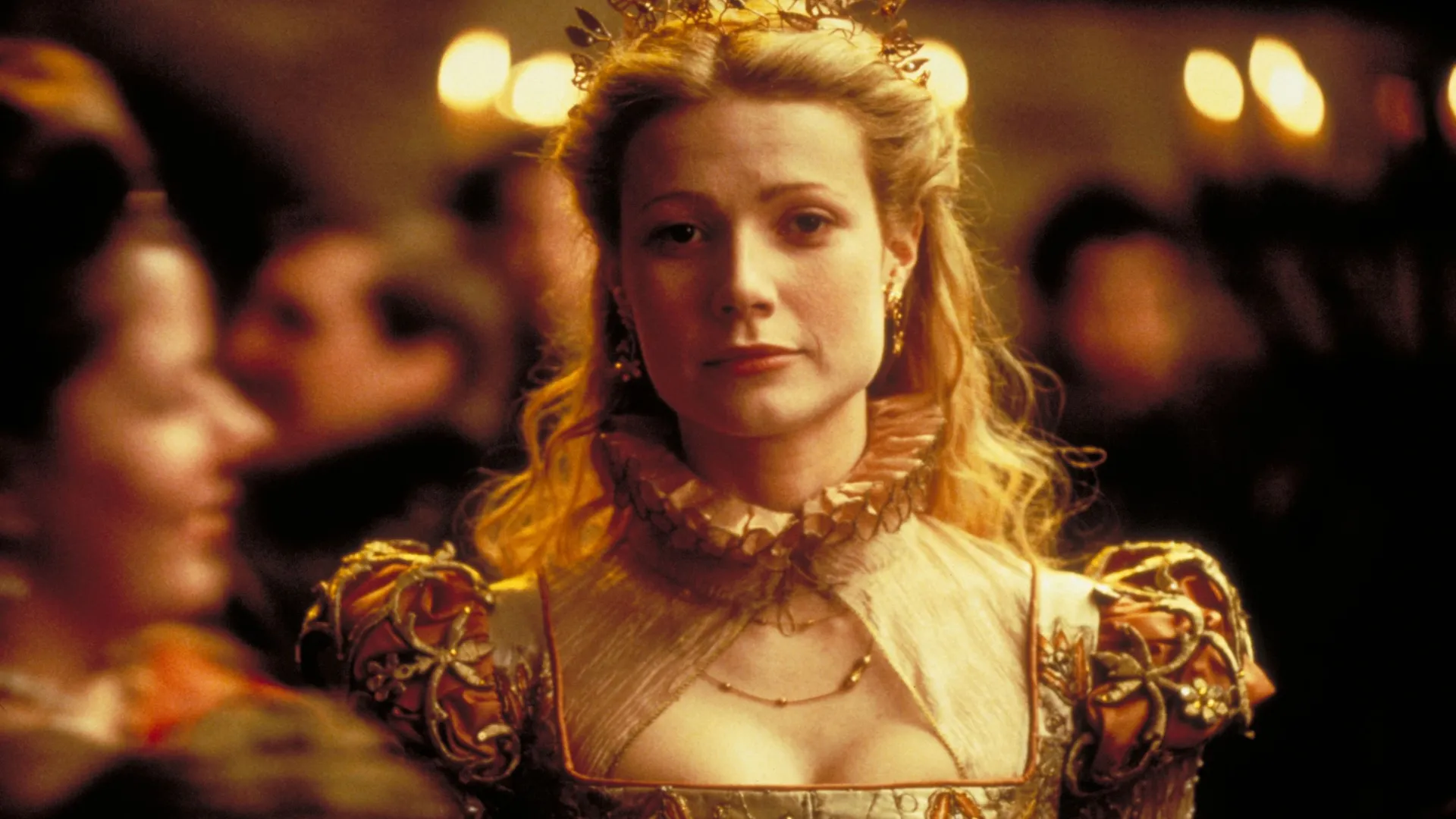
Gwyneth Paltrow – Shakespeare in Love (1998)
IMDb
Gwyneth Paltrow’s Best Actress win remains one of the most cited examples of Miramax’s aggressive 1990s campaigning tactics. While her performance as Viola de Lesseps was charming, the consensus among many critics was that the statue belonged to Cate Blanchett for her transformative title role in Elizabeth. Paltrow’s victory is often viewed as the byproduct of a massive promotional blitz that favored a lighthearted rom-com over a heavy historical drama. Decades later, the upset is still analyzed as a pivotal moment where Hollywood politics seemed to overshadow raw acting merit.
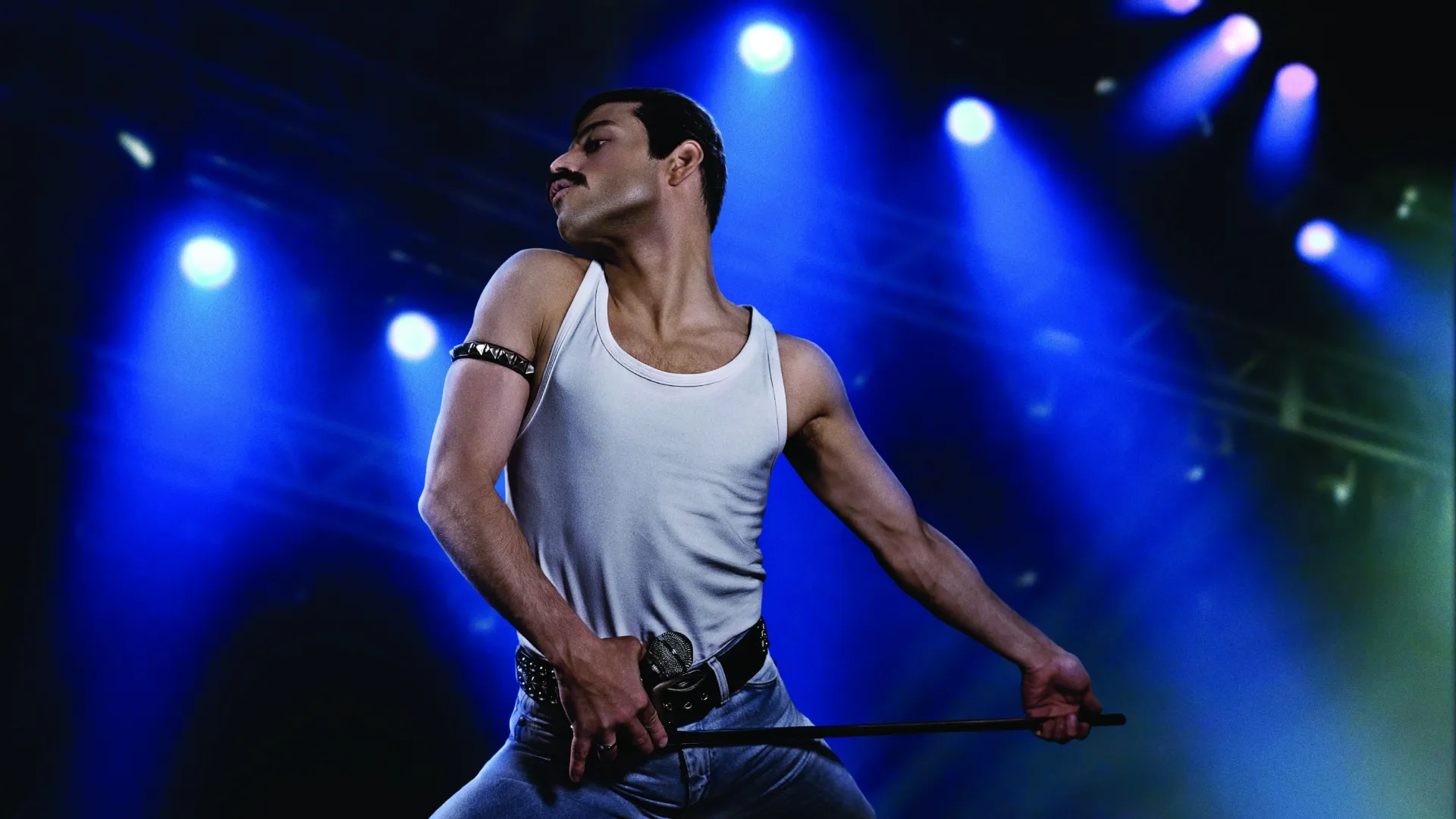
Rami Malek – Bohemian Rhapsody (2018)
IMDb
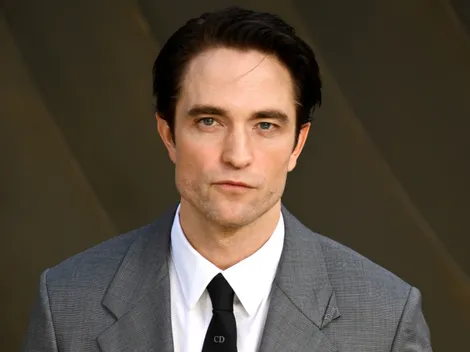
Rami Malek took home the Best Actor trophy for his portrayal of Queen frontman Freddie Mercury, a win that polarized both Queen fans and cinephiles. While Malek’s physical dedication and use of prosthetic teeth were undeniable, detractors argued the performance relied too heavily on mimicry rather than deep character exploration. Many felt that Bradley Cooper’s gritty turn in A Star Is Born or Willem Dafoe’s haunting work in At Eternity’s Gate offered more artistic nuance. The win is frequently used in arguments regarding the Academy’s perceived bias toward biographical roles over original creations.
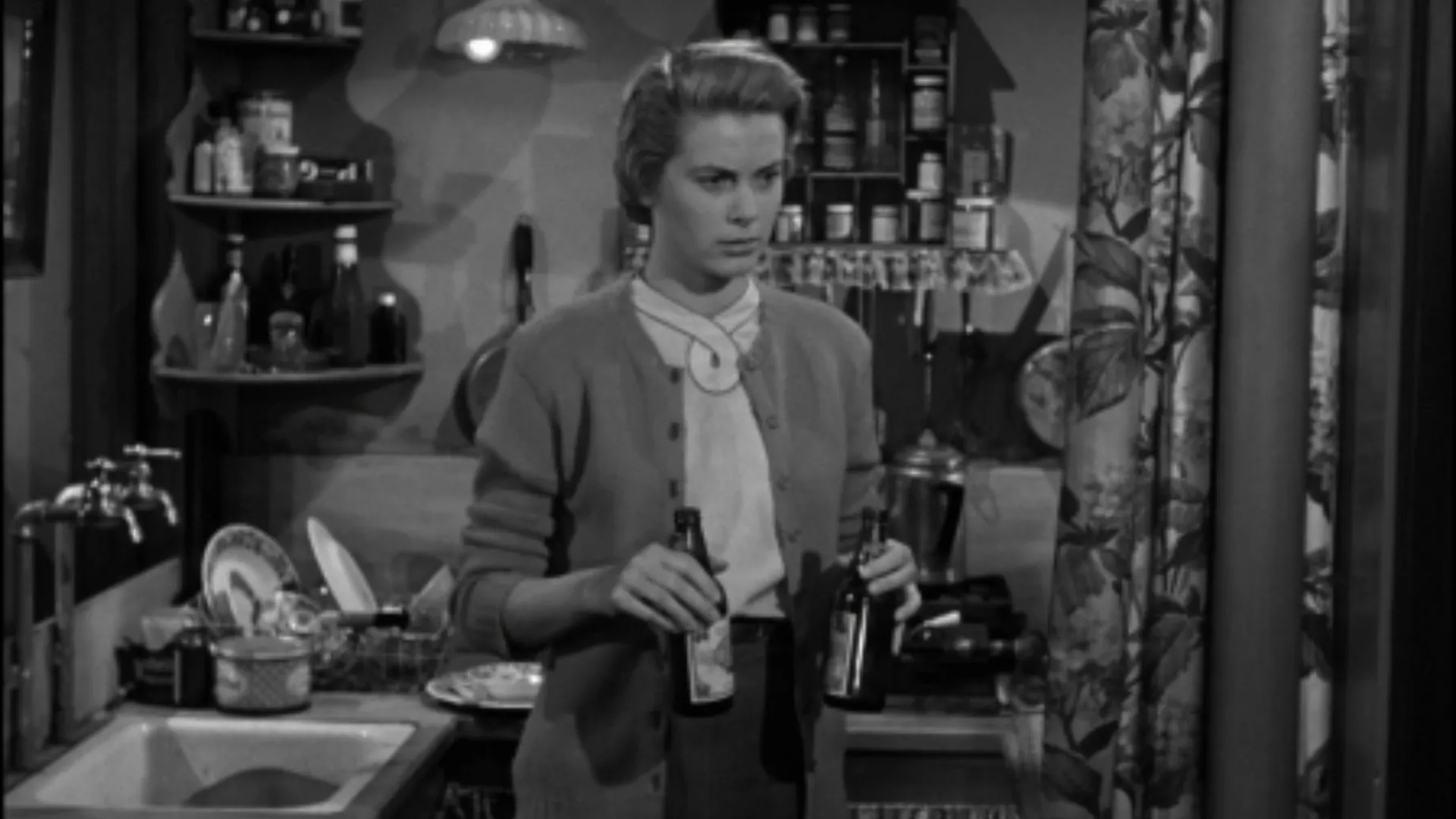
Grace Kelly – The Country Girl (1954)
IMDb
In what is considered one of the biggest “shocks” in early Oscar history, Grace Kelly defeated Judy Garland, who was the heavy favorite for her legendary comeback in A Star Is Born. Kelly’s performance as a dowdy, long-suffering wife was seen as a “de-glammed” effort to prove her range, but many felt it paled in comparison to Garland’s raw, career-defining musical drama. The upset was so unexpected that Garland, who was in the hospital having recently given birth, had cameras stationed in her room for an acceptance speech she never got to give.
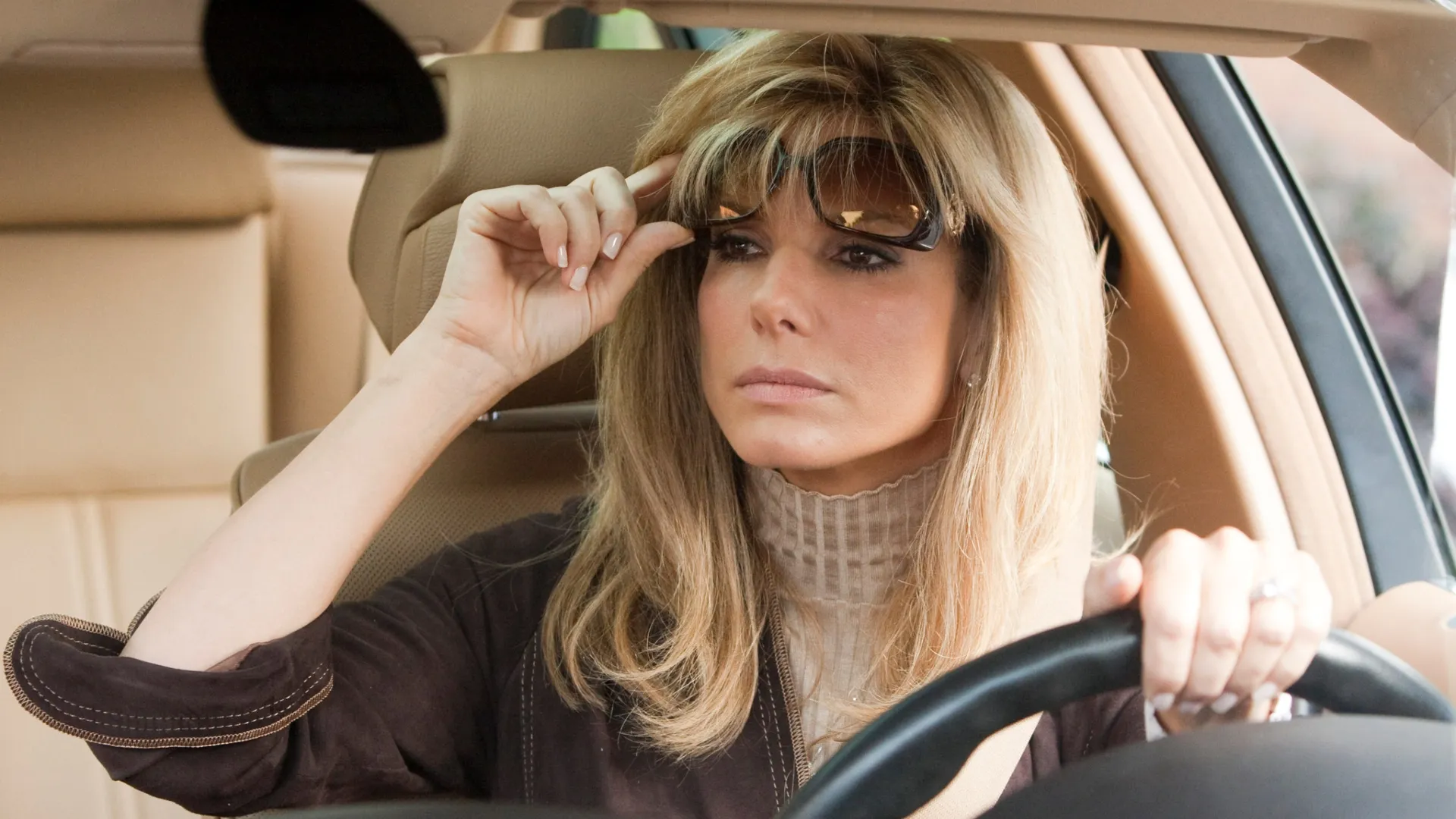
Sandra Bullock – The Blind Side (2009)
IMDb
Sandra Bullock’s win for Best Actress was a feel-good moment for a beloved Hollywood star, but many cinephiles questioned if the performance itself was truly the year’s best. Playing Leigh Anne Tuohy in a biographical sports drama, Bullock delivered a solid performance that was overshadowed by the film’s later “white savior” criticisms. Critics often point to Gabourey Sidibe in Precious or Carey Mulligan in An Education as the more deserving candidates that year. The victory is frequently labeled as a “career Oscar”—a way to reward a long-term movie star rather than the specific role.
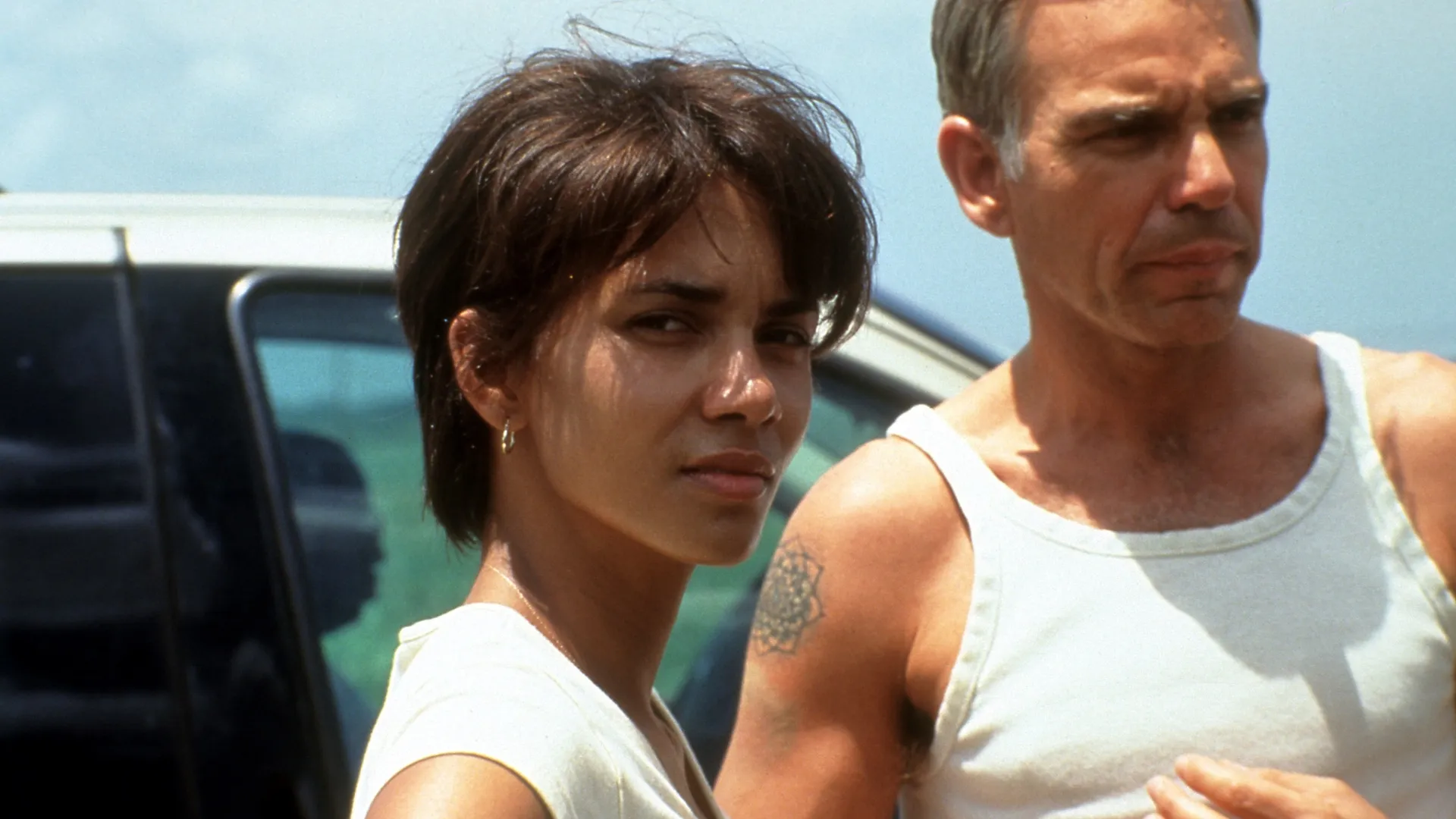
Halle Berry – Monster’s Ball (2001)
IMDb
Halle Berry made history as the first Black woman to win Best Actress, but the victory has remained a point of contention for decades. While her raw, emotional performance was widely praised, many felt the statue belonged to Sissy Spacek for her devastating, understated work in In the Bedroom. Critics often argue that Berry’s win was fueled by a “historical narrative” and a desire for a breakthrough moment rather than being the best performance in a vacuum. Even Berry herself has recently expressed heartbreak that her win did not open the doors for other women of color as quickly as she had hoped.
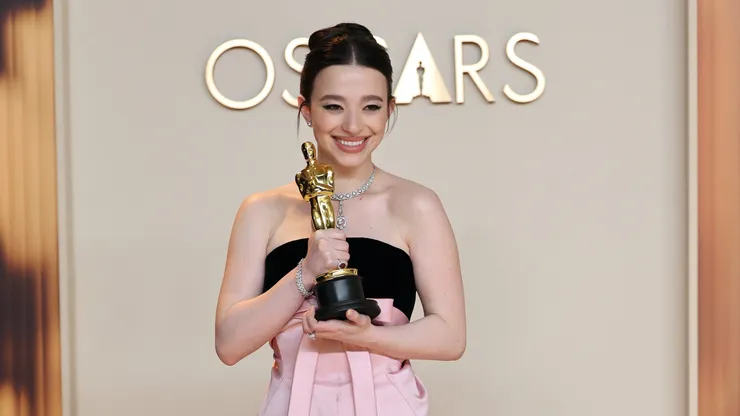
Mikey Madison – Anora (2024)

As the 2026 awards season reflects on the previous year’s results, Mikey Madison’s Best Actress win for Anora continues to spark intense debate among film purists. While many praised her high-energy, breakout performance as a Brooklyn sex worker, a vocal segment of critics felt the Academy succumbed to “newcomer hype” at the expense of veteran excellence. Critics of the win often point to the more reserved, technically demanding performances of her fellow nominees, like Demi Moore in The Substance, as being more deserving of the industry’s highest honor. The victory remains a flashpoint for discussions on whether the Oscars are shifting toward rewarding viral momentum over traditional dramatic weight.
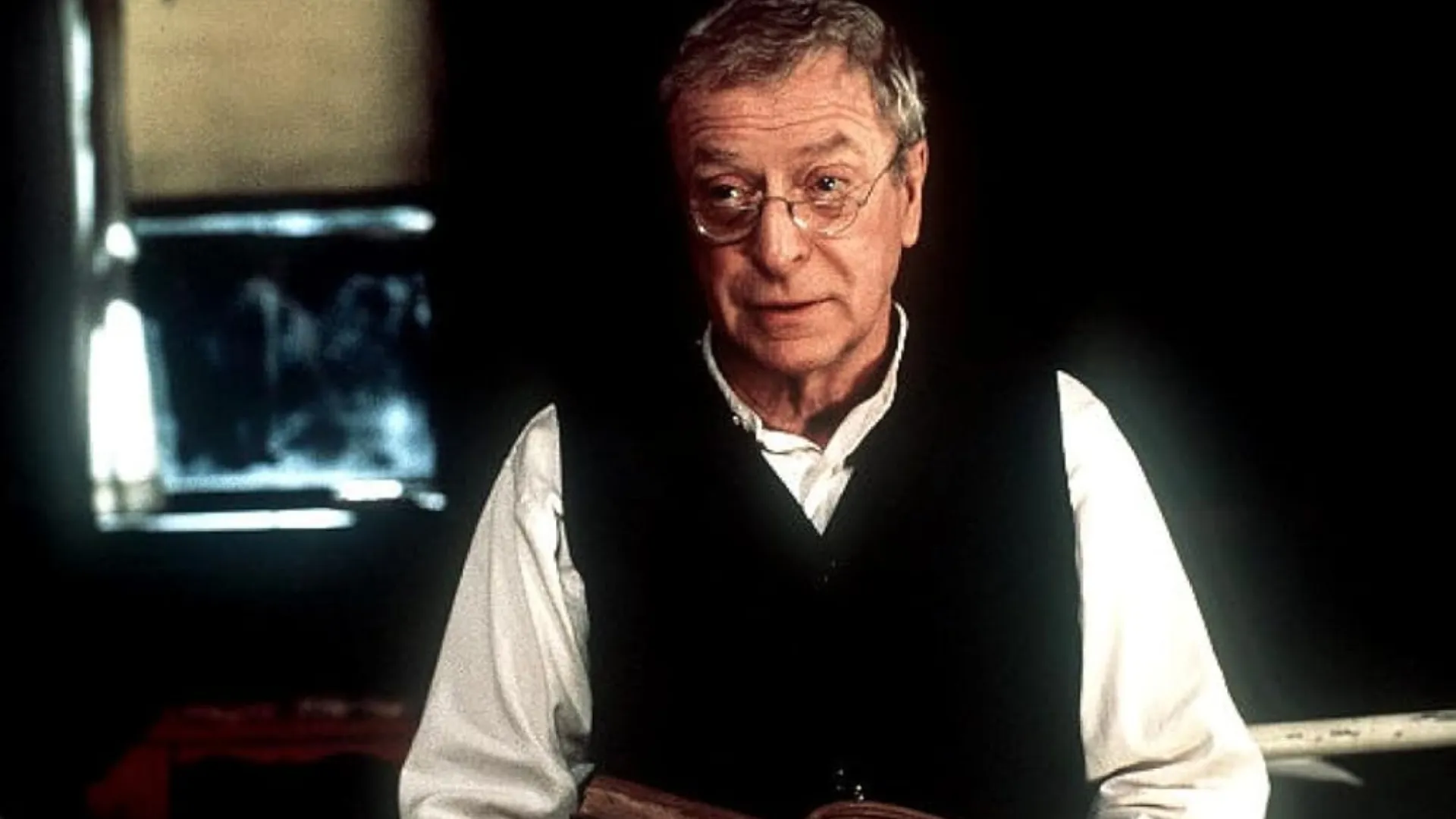
Michael Caine – The Cider House Rules (1999)
IMDb
Michael Caine’s second Best Supporting Actor win is frequently cited as a “legacy award” rather than a reward for his specific role as Dr. Wilbur Larch. The 2000 ceremony saw Caine triumph over Tom Cruise, whose high-intensity, career-best performance in Magnolia was the critical favorite of the season. Even Caine seemed surprised by the win, using his acceptance speech to pay tribute to his fellow nominees. Years later, the win is often discussed as a missed opportunity for the Academy to recognize a truly transformative, once-in-a-career turn from a younger star in favor of a comfortable veteran.
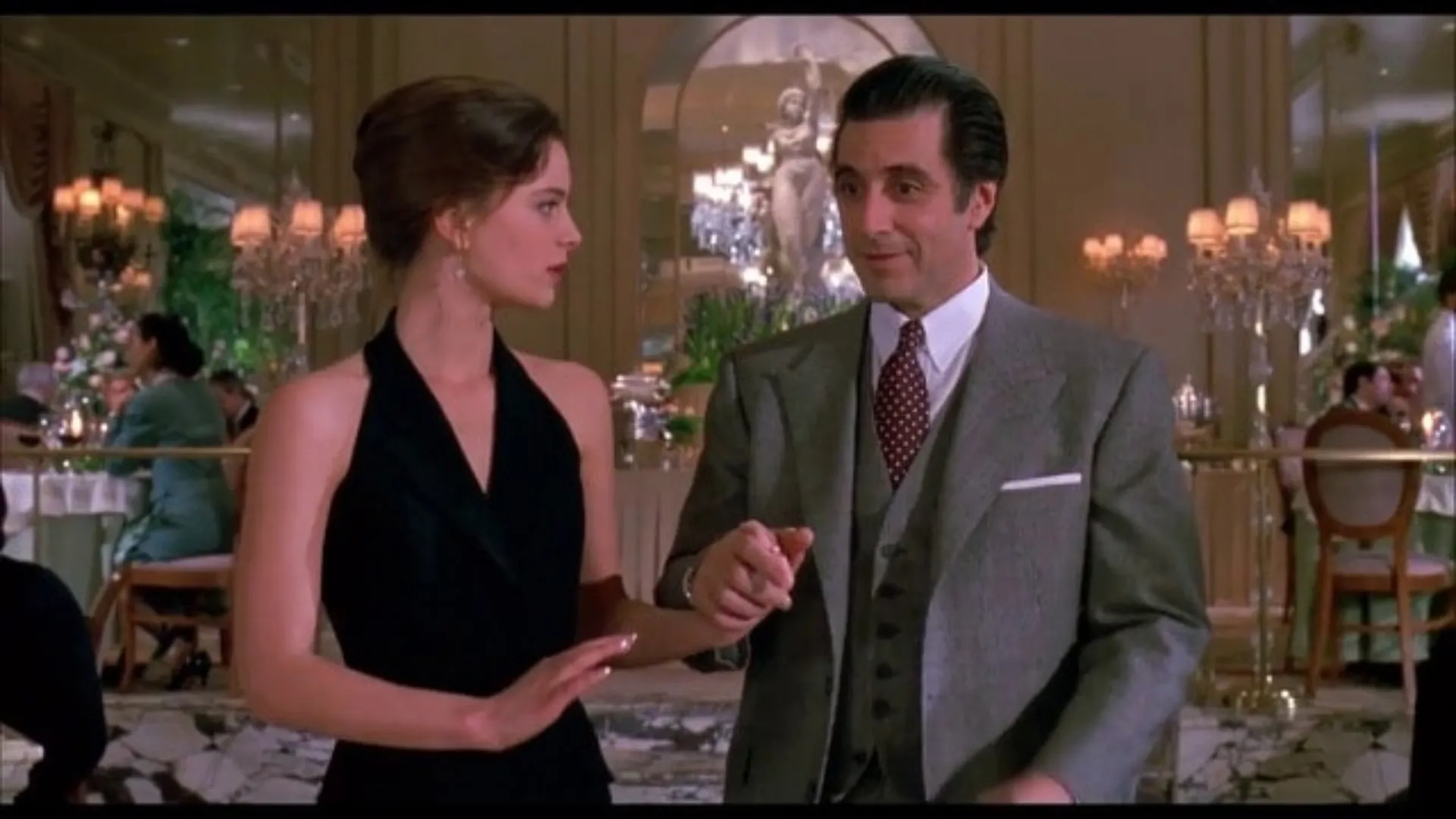
Al Pacino – Scent of a Woman (1992)
IMDb
Al Pacino’s Best Actor win is widely regarded as a “makeup Oscar” for the Academy’s failure to reward him for his iconic work in The Godfather or Serpico. While his performance as the blind Lieutenant Colonel Frank Slade provided the famous “Hoo-ah!” catchphrase, many critics argued that the acting was overly theatrical compared to Denzel Washington’s transformative portrayal in Malcolm X. The victory is often seen as a lifetime achievement award masquerading as a win for a single role. It remains a primary example of the Academy’s tendency to reward a legend for the wrong movie to settle a historical debt.
Jennifer Lawrence – Silver Linings Playbook (2012)

IMDb
Jennifer Lawrence became the “It Girl” of the early 2010s with her Best Actress win, but the victory was met with skepticism by those who favored veteran talent. Many film historians argue that Emmanuelle Riva’s devastating, tour-de-force performance in Amour was the superior artistic achievement of that year. While Lawrence brought undeniable charisma and energy to her role as Tiffany Maxwell, her win was seen by some as a reflection of her soaring popularity rather than the objective quality of the performance. The debate continues to center on whether the Academy was rewarding a star’s trajectory or a performance’s depth.
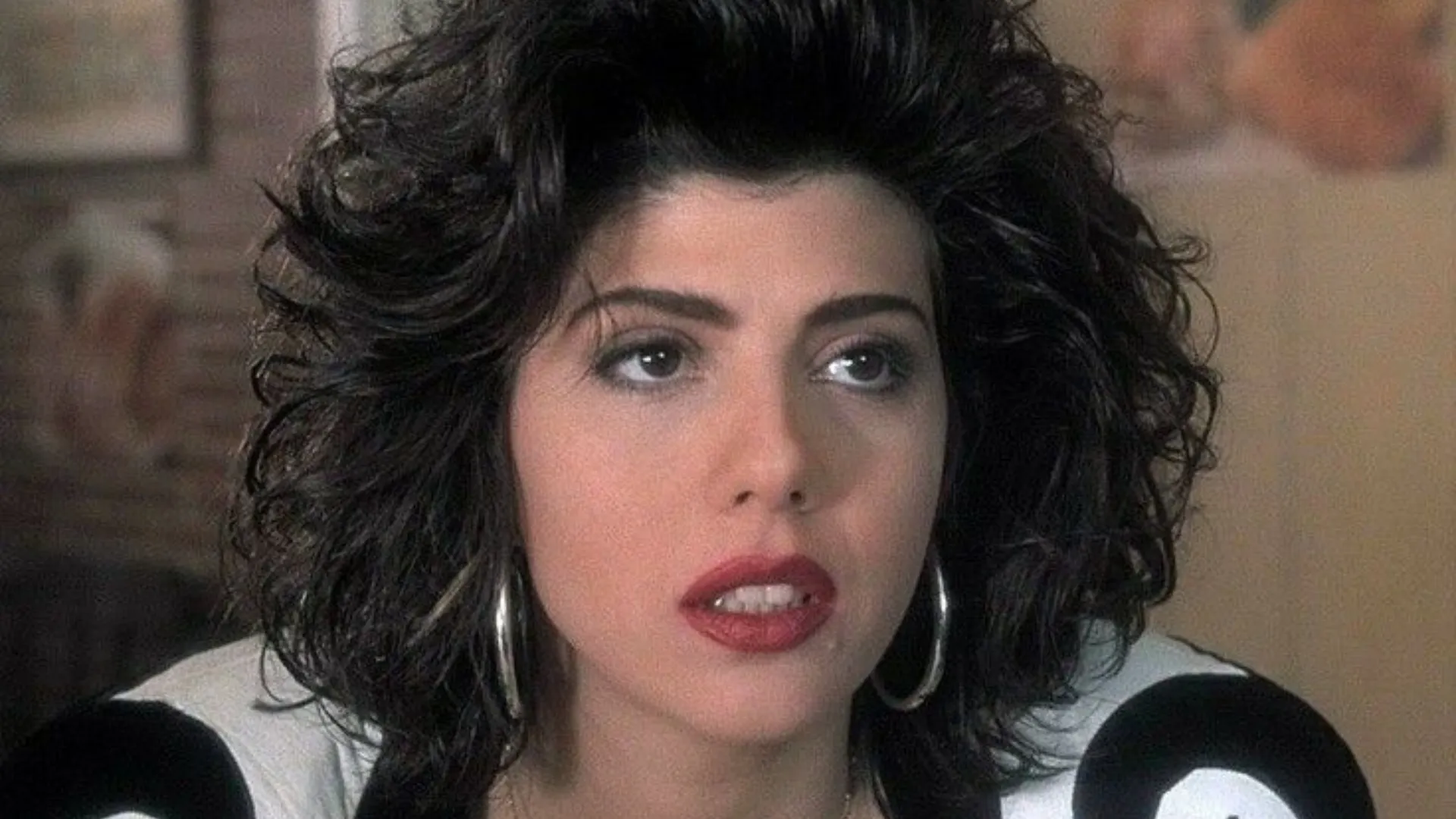
Marisa Tomei – My Cousin Vinny (1992)
IMDb
Marisa Tomei’s Best Supporting Actress win was so unexpected that it birthed an urban legend claiming the wrong name was read from the envelope. Beating out four highly respected British veterans in dramatic roles, Tomei’s comedic turn was a rare win for the genre, leading many to believe the Academy didn’t take the category seriously that year. While the “wrong name” theory has been debunked by the Academy, the debate over her merit persists. Supporters argue she provided a masterclass in comedic timing, while detractors feel a lighthearted comedy role should not have triumphed over intense dramatic work.
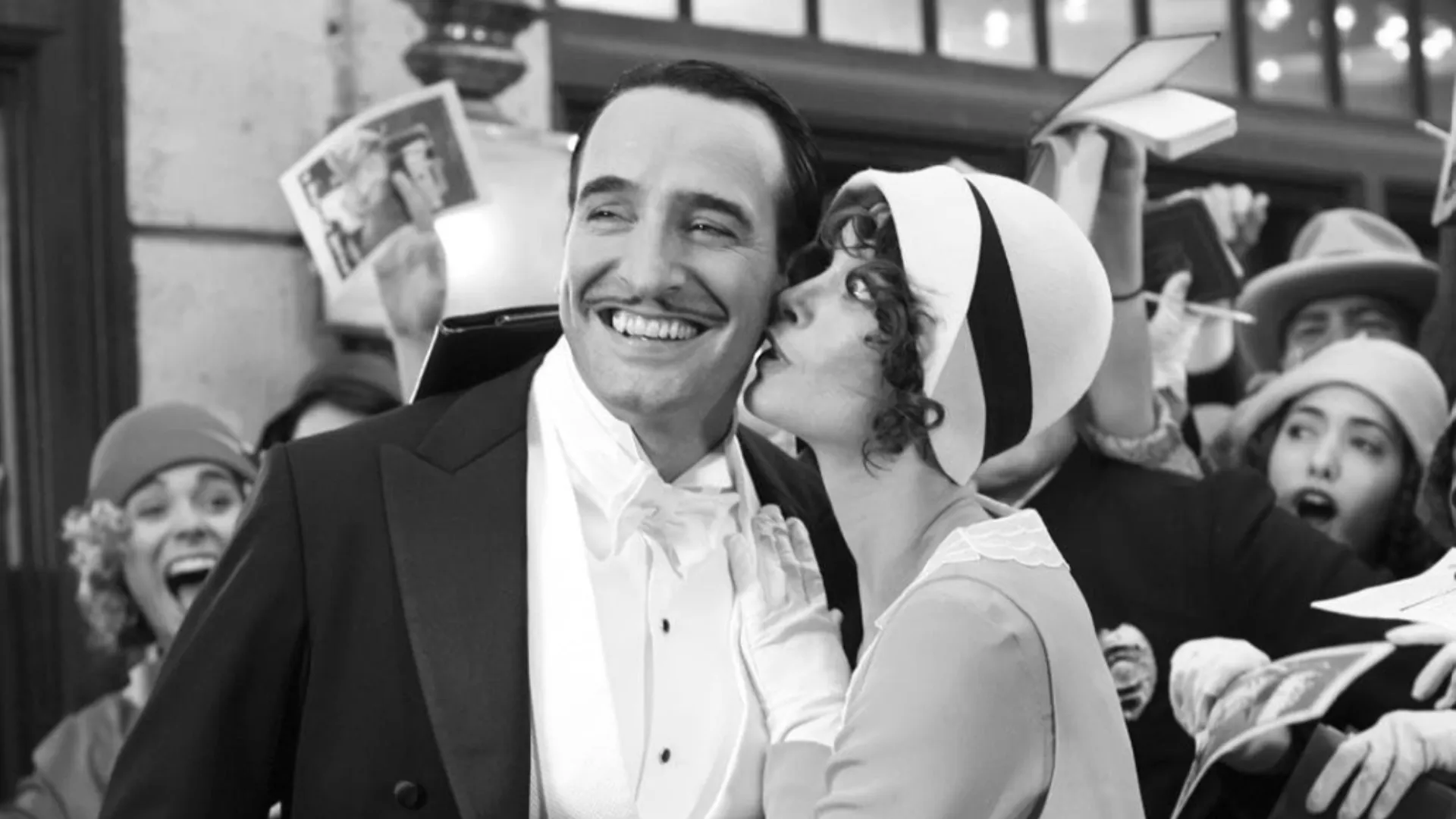
Jean Dujardin – The Artist (2011)
IMDb
Jean Dujardin’s win for the silent film The Artist is often cited as a triumph of charm over dramatic substance. While his performance was a masterful display of physical acting and “Old Hollywood” charisma, many film purists believed Gary Oldman’s subtle, high-wire performance in Tinker Tailor Soldier Spy was the superior achievement. Detractors often claim that the Academy fell for the novelty of a silent film, rewarding Dujardin for a role that relied more on smiling and tap-dancing than deep emotional range. Over time, the win has come to represent a moment where voters prioritized a “feel-good” gimmick over complex character work.
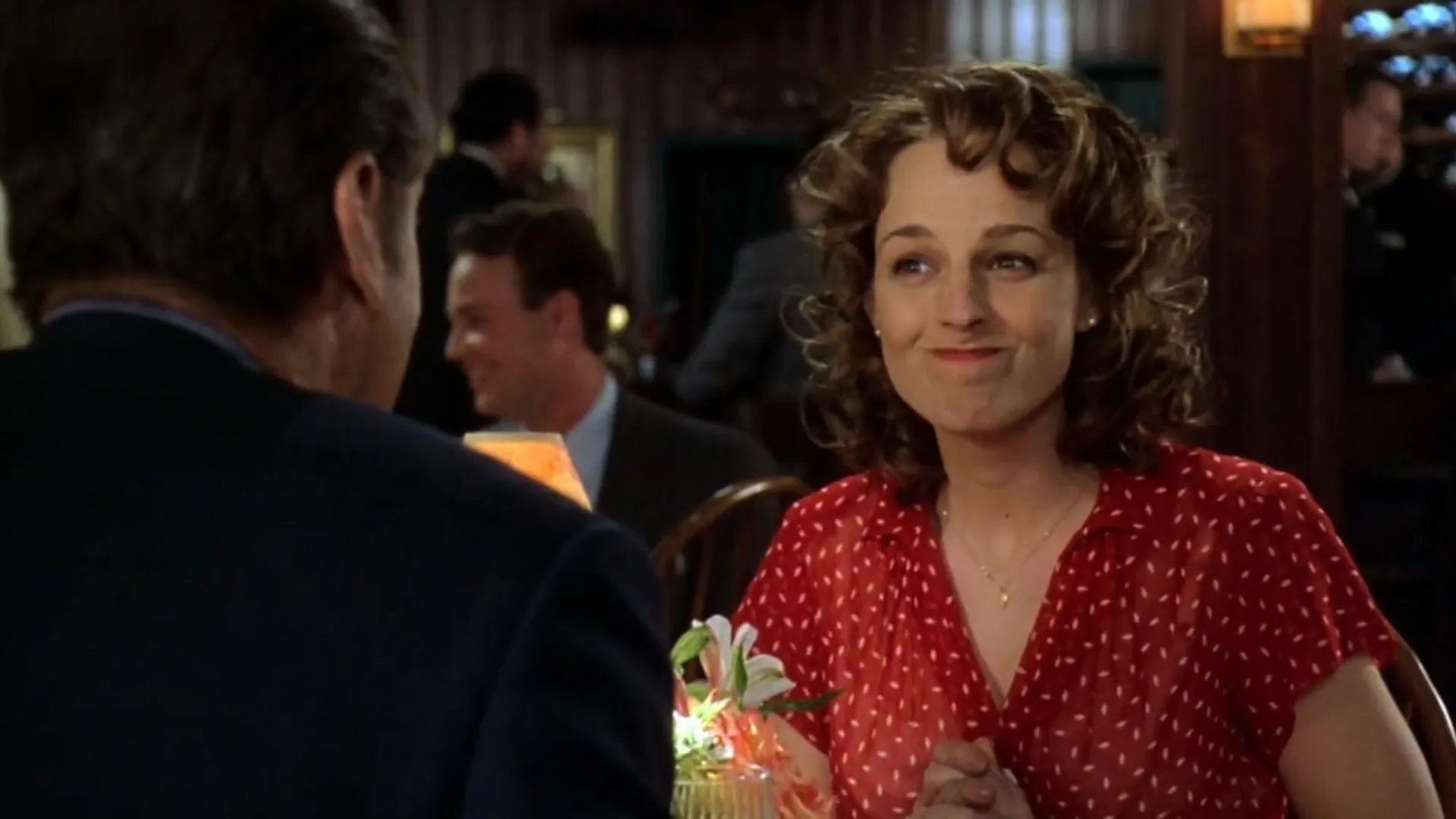
Helen Hunt – As Good as It Gets (1997)
IMDb
Helen Hunt’s Best Actress win is frequently cited as a byproduct of the Academy’s 1990s obsession with “Must-See TV” stars crossing over to film. While her chemistry with Jack Nicholson was a highlight of the movie, many felt her performance was more suited to a high-quality sitcom than an Oscar-winning film. The snub of Judi Dench for Mrs. Brown or Helena Bonham Carter for The Wings of the Dove remains a sore spot for many film enthusiasts. Hunt’s victory is often looked back on as a moment when the Academy favored a relatable, domestic performance over more complex, transformative dramatic work.
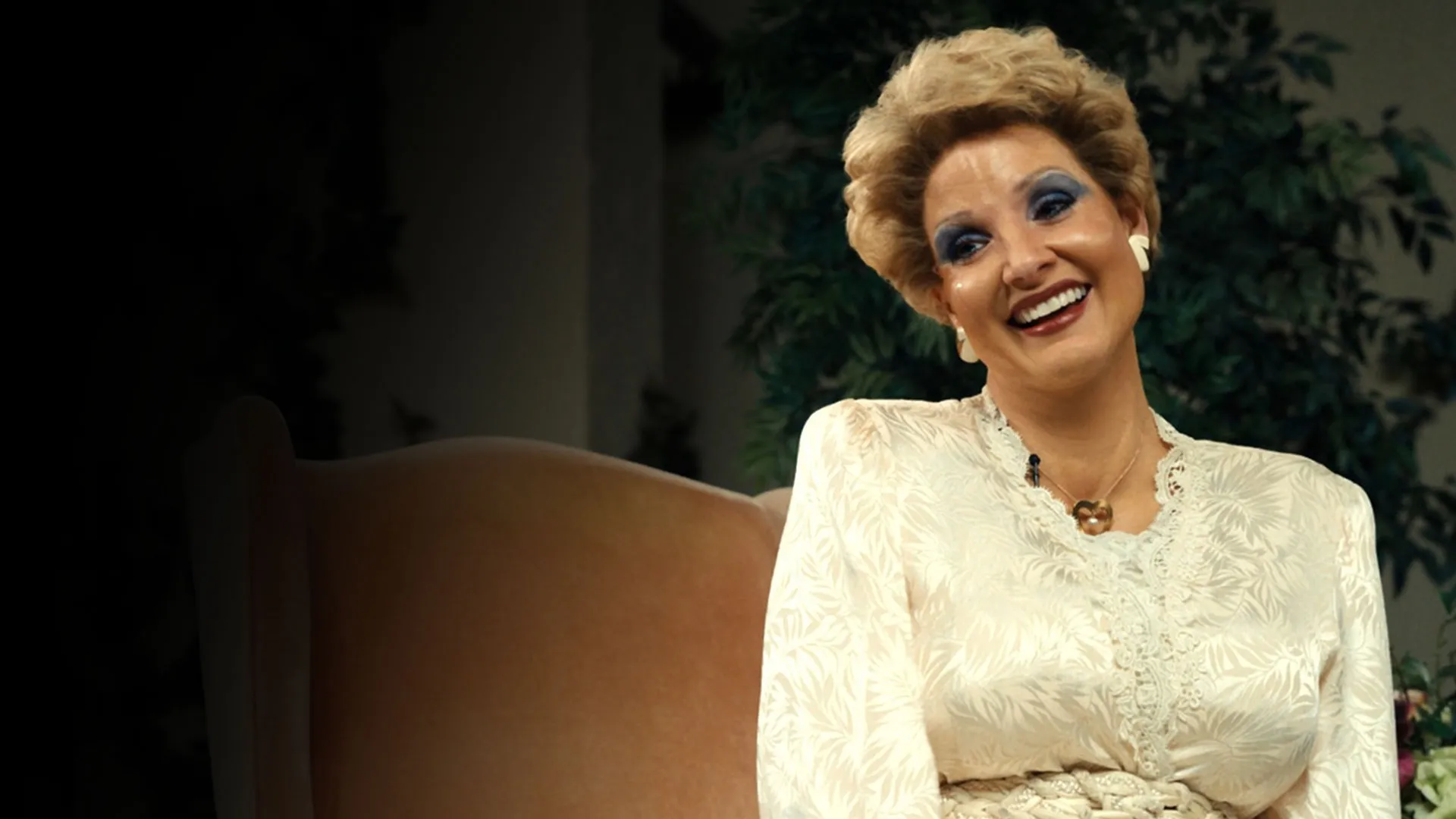
Jessica Chastain – The Eyes of Tammy Faye (2021)
IMDb
Jessica Chastain is widely considered one of the best actresses of her generation, but her Best Actress win for The Eyes of Tammy Faye was met with a lukewarm reception from some critics. Critics of the win argued that the performance was buried under layers of heavy prosthetics, making it feel more like a feat of makeup and hairstyling than a nuanced acting achievement. In a year featuring Kristen Stewart’s haunting turn as Princess Diana in Spencer, many felt Chastain’s victory was a “career award” for an actress who had been overlooked for superior work in Zero Dark Thirty.
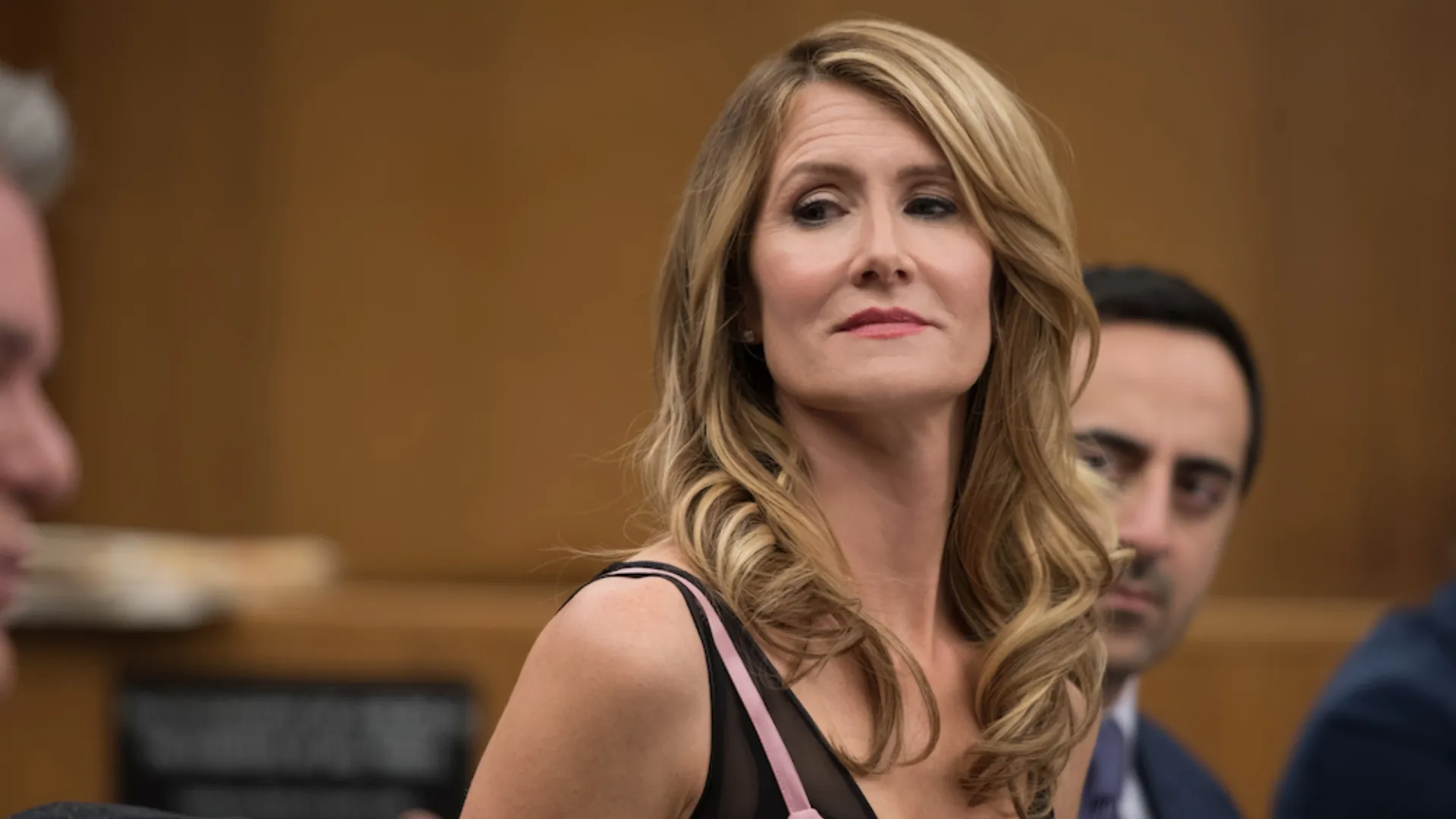
Laura Dern – Marriage Story (2019)
IMDb
Laura Dern’s Best Supporting Actress win for her role as a high-powered divorce lawyer was celebrated by fans of her career but criticized by those who found the character to be a caricature. Some viewers felt the role was essentially a repeat of her “alpha-female” persona from Big Little Lies, lacking the fresh complexity usually required for an Oscar-winning turn. The victory was seen by some as an industry “thank you” for her long-standing excellence rather than a reward for a role that stood head and shoulders above nominees like Florence Pugh in Little Women.
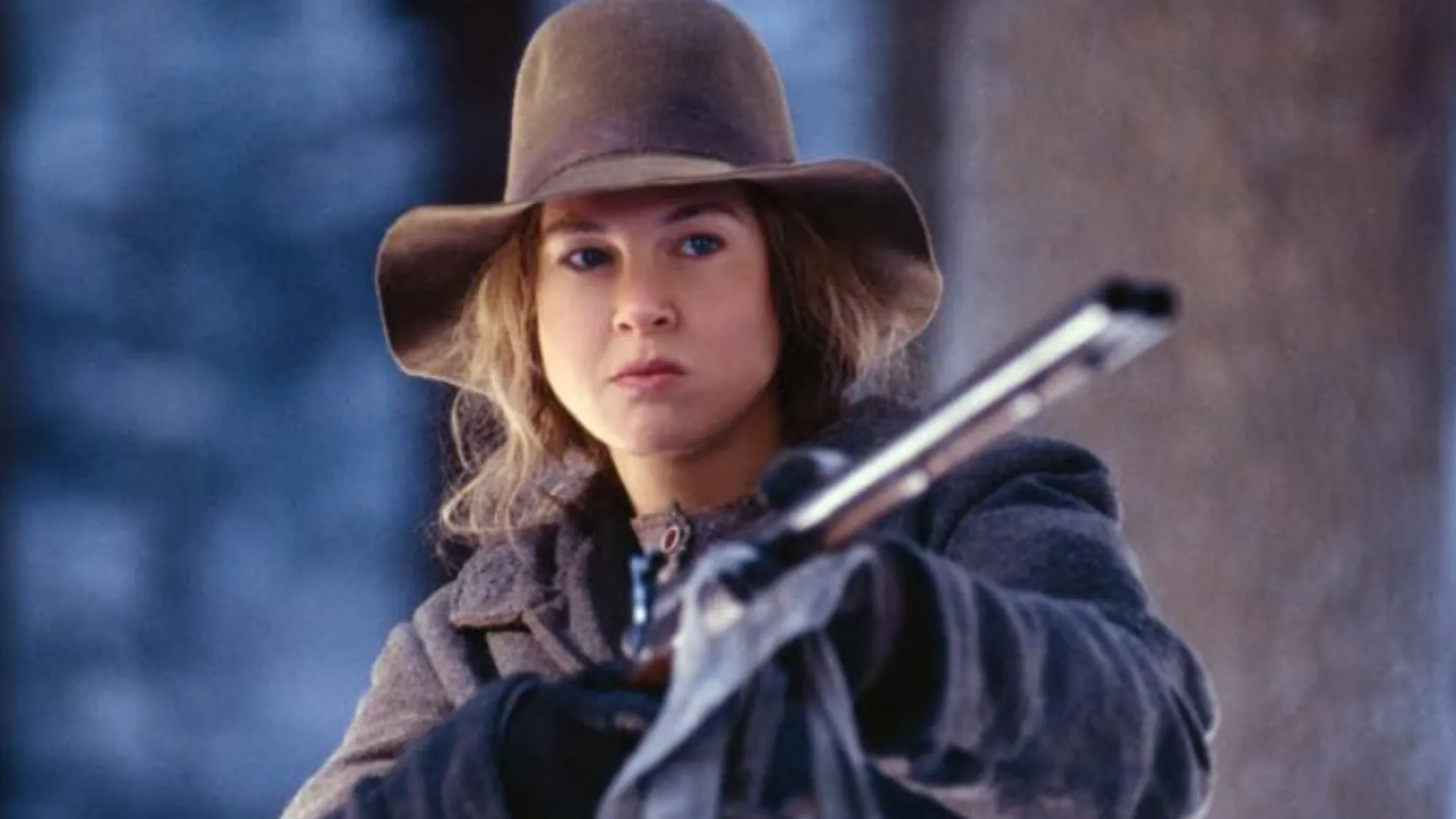
Renée Zellweger – Cold Mountain (2003)
IMDb
Renée Zellweger’s Best Supporting Actress win is frequently cited as a textbook “makeup Oscar” for her loss the previous year for Chicago. While critics praised her physical commitment to the role of the scrappy Ruby Thewes, many felt the performance bordered on caricature, with an over-the-top Southern accent and exaggerated mannerisms. The victory was particularly controversial because it came at the expense of Shohreh Aghdashloo, whose quiet, devastating work in House of Sand and Fog was the critical favorite. Decades later, the win is often viewed as a reward for her “it’s her time” narrative rather than the objective superiority of the performance.