In an era where philanthropy is often paired with headlines and carefully curated announcements, some of the world’s most recognizable names have chosen a different path. Away from red carpets and press releases, these celebrities have donated staggering sums to causes ranging from education and healthcare to disaster relief and community programs without seeking recognition. Their actions reveal a more private kind of influence, one measured not by publicity, but by impact.
Sandra Bullock
Source: Gareth Cattermole/Getty Images for Paramount Pictures
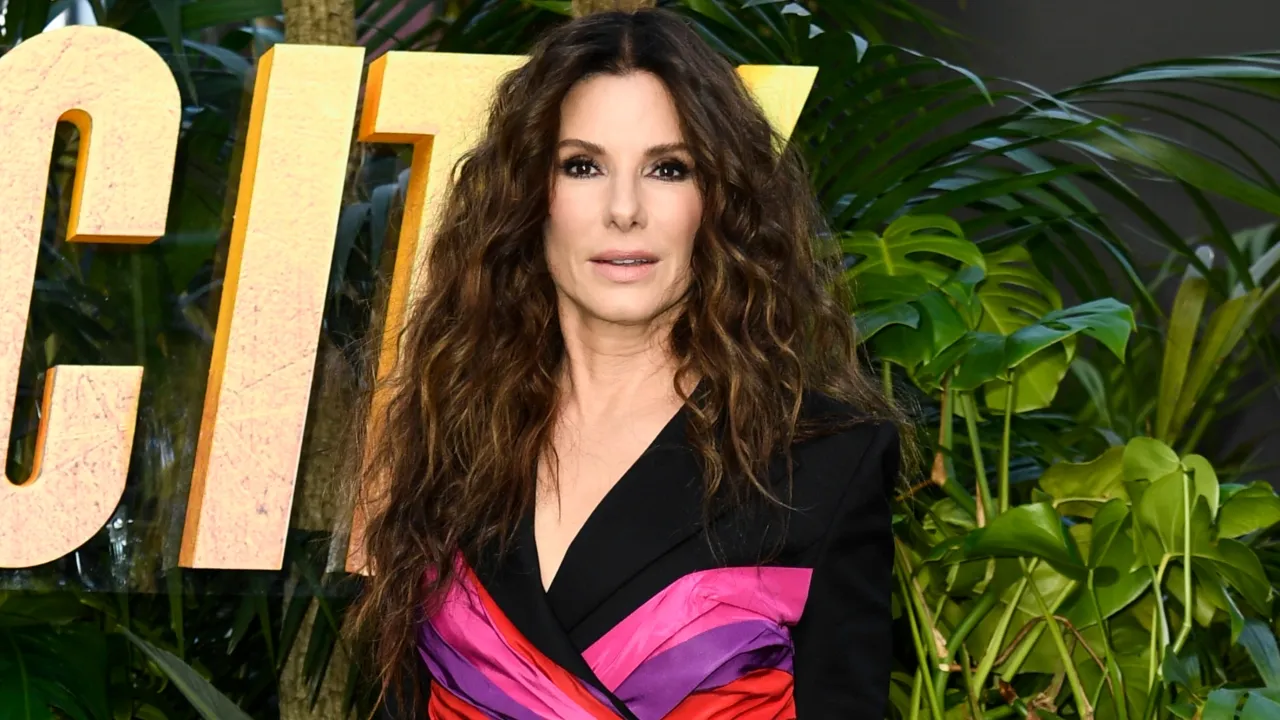
In an industry where generosity often comes with a press tour, Sandra Bullock has built a reputation for doing the opposite, stepping in with substantial donations when disaster strikes and letting the relief efforts, not her name, take center stage. Over the years, she has quietly contributed millions to the Red Cross and other initiatives responding to crises such as the Indian Ocean tsunami, the Haiti earthquake, the Tohoku disaster, and Hurricane Harvey, becoming one of the organization’s most reliable supporters without ever turning those moments into publicity opportunities.
Her approach is rooted in immediacy rather than attention, whether funding wildfire recovery in California or supporting ALS research following a personal loss, and when she has spoken about it at all, her perspective has remained strikingly simple: in the face of real human need, recognition is irrelevant, and action is what counts.
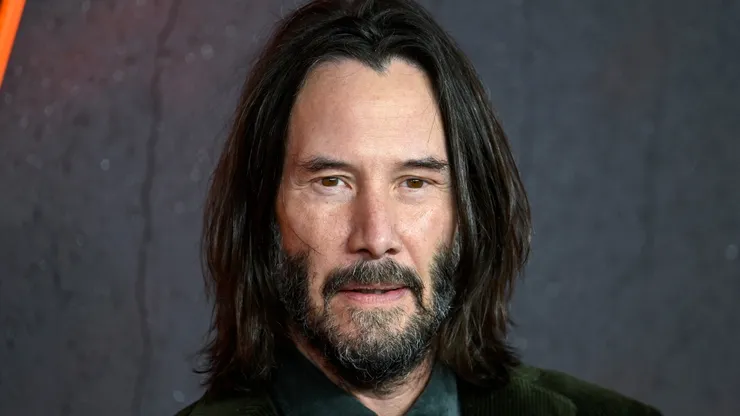
Keanu Reeves
Long before stories of his generosity became widely known, Keanu Reeves had already made a habit of giving without drawing attention to it, quietly funding a private foundation that supports children’s hospitals and cancer research while choosing not to attach his name to the work.
Shaped in part by his sister’s battle with leukemia, his approach to wealth has always leaned toward helping others rather than showcasing it, a mindset that also carried onto film sets where colleagues from “The Matrix” recall him sharing portions of his earnings, rewarding crew members with unexpected bonuses, and stepping in to help behind the scenes, with many of these acts only coming to light years later through the people who experienced them firsthand.
George Michael
It was only after his death in 2016 that the full scope of George Michael’s generosity came into focus, revealing a career-long commitment to giving that operated almost entirely in secret. Guided by a strict personal rule that his donations should never be traced back to him, he quietly gave millions to causes like children’s charities, including substantial support for Childline, and even directed royalties from his song “Jesus to a Child” toward helping vulnerable young people.
Beyond institutional giving, stories emerged of deeply personal gestures, from funding a stranger’s IVF treatment after seeing her on television to leaving life-changing tips for people in financial distress, all carried out without expectation of recognition.
Dolly Parton
For someone as larger than life as Dolly Parton, her generosity often unfolds in surprisingly understated ways, driven less by recognition and more by instinct. Whether it is stepping in after disasters like the Gatlinburg wildfires with direct financial support for displaced families or quietly backing causes long before headlines catch up, she has built a legacy of giving that prioritizes people over publicity, guided by her own belief that there is no need to keep score.
That philosophy has shaped decades of impact, from funding literacy through her Imagination Library, which has placed hundreds of millions of books into children’s hands, to unexpected gestures like channeling royalties from “I Will Always Love You” into community investment and contributing to early COVID-19 research without announcing it at the time.
Rihanna
Rihanna’s philanthropic reach is vast, but much of it has unfolded away from the spotlight, surfacing only through reports or the organizations she supports. Through her Clara Lionel Foundation, founded in 2012, she has quietly directed tens of millions toward education, healthcare, and emergency response efforts, including substantial pandemic relief funding for medical supplies and food access, often without attaching her name to the moment.
What sets her approach apart is not just the scale, but the way she gives, frequently providing unrestricted funding that allows communities and nonprofits to decide how the money is best used rather than turning it into a public campaign. Even when larger pledges, like her climate justice initiative, make headlines, they represent only a fraction of a broader pattern of low-profile generosity that continues to reveal itself long after the help has already been delivered.
Taylor Swift
Source: Matt Winkelmeyer/Getty Images for The Recording Academy
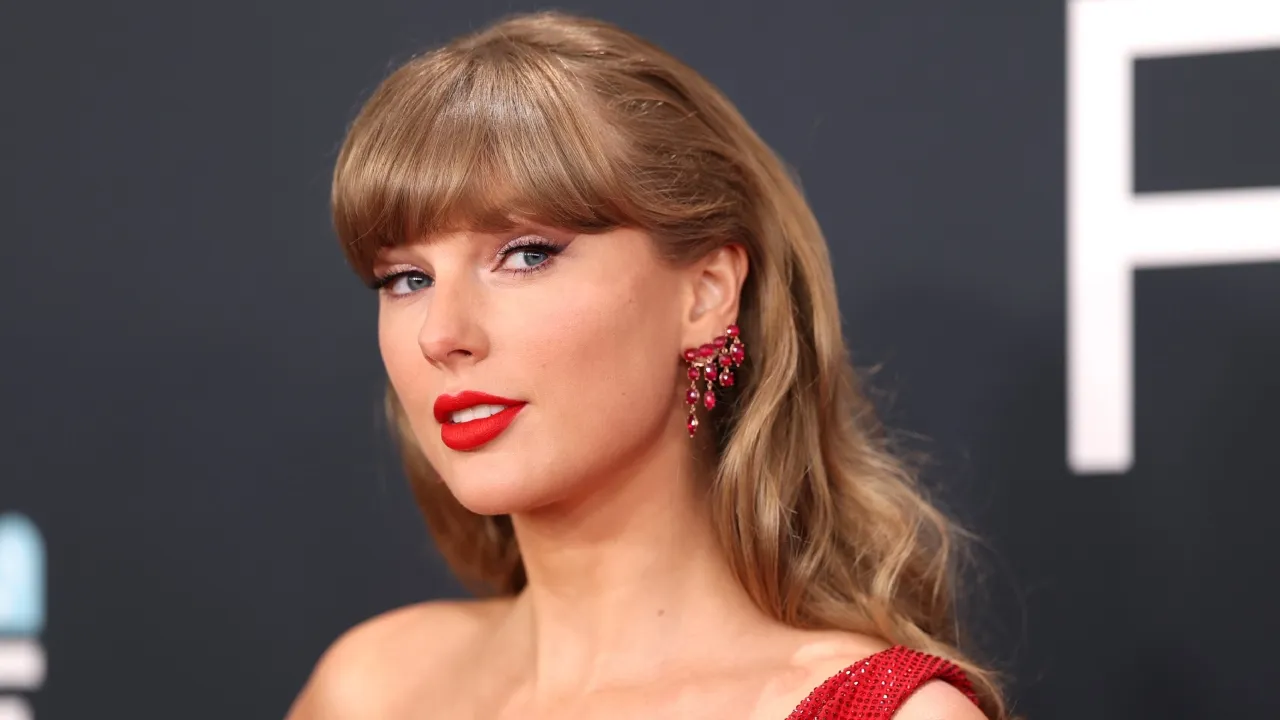
For all the scale of her global fame, some of Taylor Swift’s most meaningful gestures have happened far from stadium lights, often revealed only by the people whose lives she has quietly stepped into. From sending direct financial help to fans struggling with rent, tuition, or medical bills to covering unexpected personal tragedies, her approach frequently bypasses formal channels altogether, relying instead on personal outreach and discretion rather than announcements.
Alongside those intimate acts, there is a broader pattern of generosity that blends visibility with restraint, including unpublicized donations to food banks in tour cities, private visits to children’s hospitals, and substantial contributions to disaster relief and education initiatives.
Meryl Streep
Meryl Streep’s influence extends well beyond the screen, though you would not know it from headlines, as much of her philanthropy has been routed quietly through the Silver Mountain Foundation for the Arts, which she co-founded in the early 1980s. From there, she has supported a wide range of causes spanning education, the arts, women’s rights, and humanitarian aid, often directing funds to organizations that operate without major visibility and choosing not to publicize the contributions herself.
When glimpses of her giving do emerge, they tend to reveal a consistent pattern of substance over spectacle, from significant backing of cultural institutions and advocacy groups to more immediate responses like aiding disaster victims or even donating her full salary from “The Iron Lady.”
Michael Sheen
Michael Sheen has taken an unusually hands-on approach to philanthropy, effectively reshaping his career around it by declaring himself a “not-for-profit” actor and channeling his earnings into social causes, particularly in his native Wales. Rather than relying on traditional charity models, he has directly funded initiatives ranging from education and the arts to urgent community needs, often stepping in where public funding falls short and choosing to act first before drawing attention to the issue.
That philosophy has led to striking efforts, including using his own money to buy and erase millions in high-interest debt for hundreds of people and selling personal assets to keep projects like the Homeless World Cup afloat. While these actions eventually become public, it is usually because they are tied to a broader goal of exposing systemic problems, positioning his generosity not as a headline-grabbing gesture but as a tool for lasting, structural impact.
Steve Jobs
For much of his life, Steve Jobs was not associated with philanthropy in the public eye, a perception that shifted only after his death revealed a pattern of substantial but deliberately concealed giving. Rather than establishing a high-profile charitable identity, Jobs and his family chose to operate quietly, often routing donations through private channels that kept their involvement out of public records and allowed the focus to remain on the institutions and causes themselves.
That approach meant his contributions surfaced gradually, from major support for medical facilities like Stanford’s children’s center to funding AIDS research, confirmed by those close to him rather than through announcements. Even as he faced criticism for not embracing visible philanthropy during his time at Apple, the reality behind the scenes told a different story.
Angelina Jolie
Source: Vittorio Zunino Celotto/Getty Images
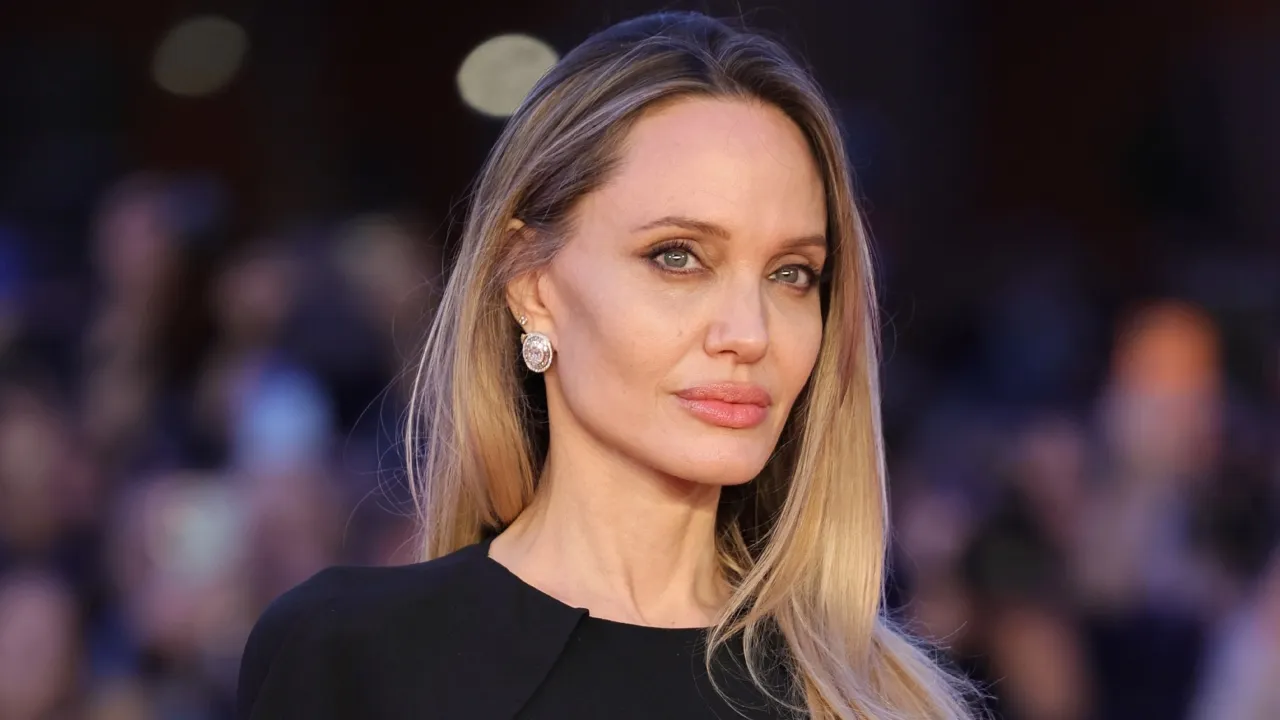
Angelina Jolie’s humanitarian work is often associated with global headlines and UN missions, yet much of her giving has unfolded far more quietly, through substantial donations that arrive without announcement. Over the years, she has directed millions toward organizations like Doctors Without Borders and initiatives supporting children in conflict zones, while also backing smaller, deeply personal efforts, from funding wildlife conservation in Namibia to supporting grassroots causes that might otherwise go unnoticed.
What distinguishes her approach is the level of personal commitment behind it, not only in the scale of her donations but in how she engages with the work itself, frequently covering her own travel for field missions and contributing directly to the communities she visits. Even with the visibility that comes with her advocacy, many of her contributions follow a quieter pattern, reinforcing a long-standing focus on impact rather than attention.