Whether because of scheduling conflicts, creative differences, or simple misjudgments, these ten major stars said no to parts in films that went on to claim the Academy Award’s top honor.
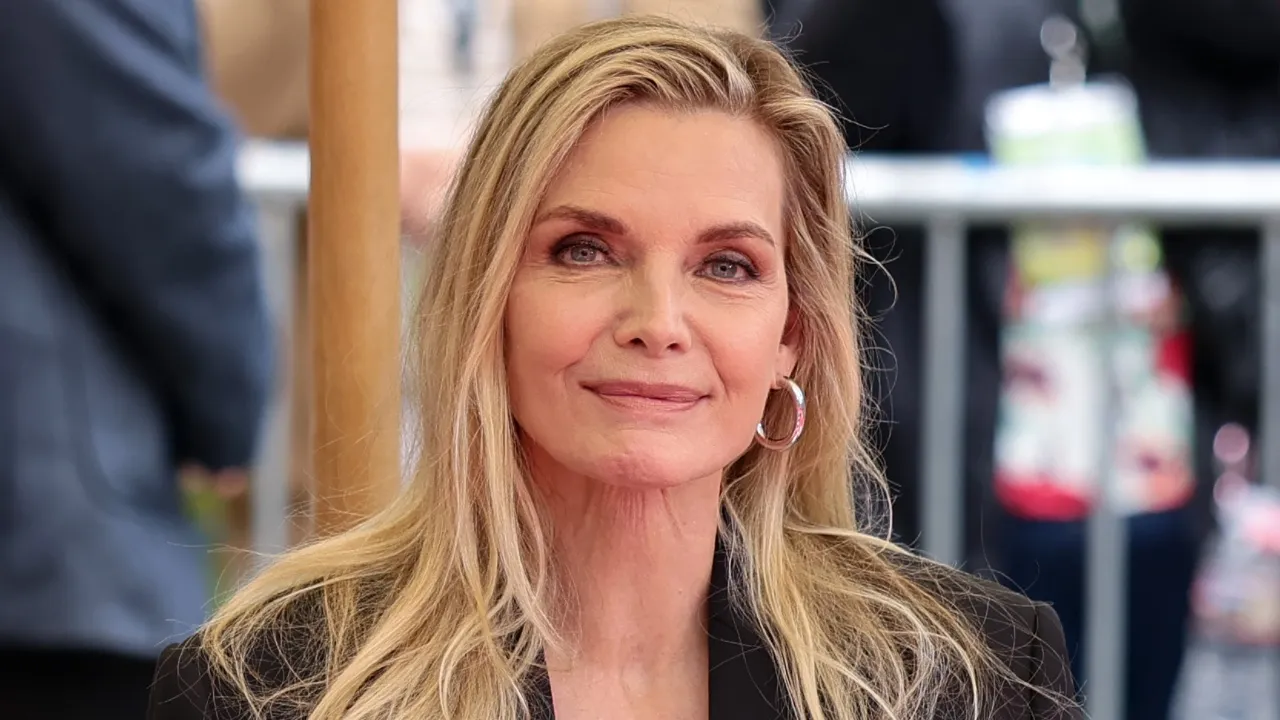
Michelle Pfeiffer – The Silence of the Lambs (1991)
Source: Emma McIntyre/Getty Images for TCM
Director Jonathan Demme had his heart set on Michelle Pfeiffer to play FBI trainee Clarice Starling, but the actress was deeply unsettled by the script’s gruesome subject matter. Pfeiffer later admitted that she was trepidatious about the amount of darkness in the story and ultimately walked away from the project. Jodie Foster eventually took the mantle, delivering an iconic performance that helped the film become one of the few in history to sweep the Big Five Academy Award categories.
Gwyneth Paltrow – Titanic (1997)
James Cameron’s maritime disaster remains one of the highest-grossing Best Picture winners of all time, but the character of Rose DeWitt Bukater almost looked like 90s royalty. Gwyneth Paltrow was a frontrunner for the part and was heavily considered before she ultimately turned it down to pursue other creative avenues. Her exit paved the way for Kate Winslet to lobby aggressively for the role, sparking a career-defining partnership with Leonardo DiCaprio that remains a pillar of modern pop culture.
Chevy Chase – American Beauty (1999)
In one of the most surprising casting almosts of the late 90s, the role of the disillusioned Lester Burnham was offered to comedy veteran Chevy Chase. The studio thought Chase could bring a unique edge to the suburban satire, but the actor reportedly passed on the material fearing its dark themes would damage his family-friendly image. Kevin Spacey was cast instead, anchoring a film that resonated so strongly with the Academy that it took home five Oscars, including the night’s top prize.
John Travolta – Forrest Gump (1994)
Few casting stories are as famous as John Travolta’s decision to decline the lead in Robert Zemeckis’s sweeping American fable. While Travolta later confessed that passing on the role was a mistake, his schedule was filled by his career-resurrecting turn in Pulp Fiction that same year. The choice created a rare cinematic win-win: Tom Hanks won his second consecutive Best Actor trophy for a film that became a global phenomenon, while Travolta helped define the decade’s indie cinema movement.
Paul Bettany – The King’s Speech (2010)
British actor Paul Bettany was the first choice to portray the stammering King George VI, but he turned down the opportunity to spend more time with his family after a grueling work schedule. The role went to Colin Firth, whose sensitive portrayal of the monarch’s struggle became the emotional core of the film’s Best Picture victory.
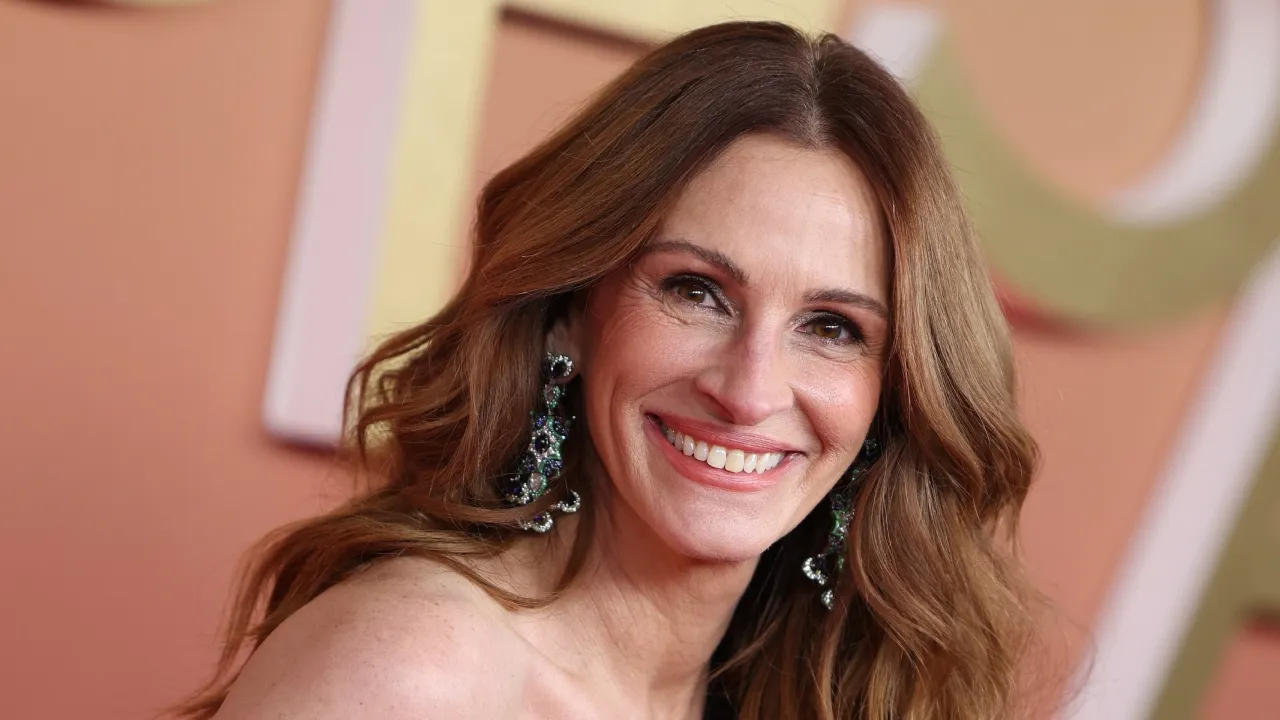
Julia Roberts – Shakespeare in Love (1998)
Source: Pascal Le Segretain/Getty Images
The production of this period romance was famously turbulent, originally starting years earlier with Julia Roberts set to play Viola de Lesseps. Roberts reportedly traveled to the UK to test with potential leading men but walked away from the film when she couldn’t secure Daniel Day-Lewis as her co-star. After the project was revived years later, Gwyneth Paltrow stepped into the role and famously took home the Best Actress Oscar during the film’s controversial Best Picture win.
Mel Gibson – Gladiator (2000)
Ridley Scott’s revival of the sword-and-sandal epic was initially pitched to Mel Gibson, who was then the undisputed king of the historical action genre. At 43, Gibson felt he was physically too old to convincingly play a Roman general-turned-gladiator and passed on the script. Russell Crowe took the role of Maximus instead, winning an Oscar for a performance that redefined his career and propelled the film to a Best Picture win.
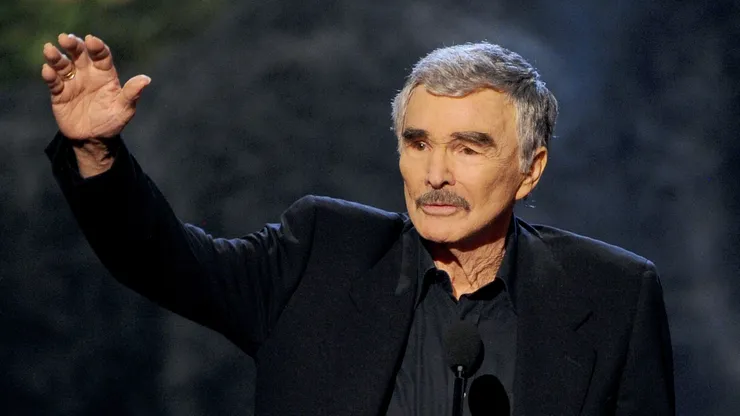
Burt Reynolds – Terms of Endearment (1983)
Burt Reynolds passed on Terms of Endearment despite director James L. Brooks writing the role of retired astronaut Garrett Breedlove specifically for him. Bound by a prior commitment to the racing comedy Stroker Ace, Reynolds walked away from what would become one of the biggest hits of 1983. Jack Nicholson inherited the role and delivered an unforgettable performance, earning the Oscar for Best Supporting Actor. Reynolds later admitted turning down the Best Picture winner was one of the greatest regrets of his career, famously joking, “There are no awards in Hollywood for being an id**t.”
Sandra Bullock – Million Dollar Baby (2004)
Before Hilary Swank won her second Academy Award for portraying the determined boxer Maggie Fitzgerald, Sandra Bullock was the studio’s top choice. Bullock spent years trying to get the project off the ground herself, but when the production finally moved forward under director Clint Eastwood, she was already committed to filming Miss Congeniality 2: Armed and Fabulous. Unable to break her contract, she had to watch from the sidelines as the film went on to win four major Oscars, including Best Picture and Best Actress.
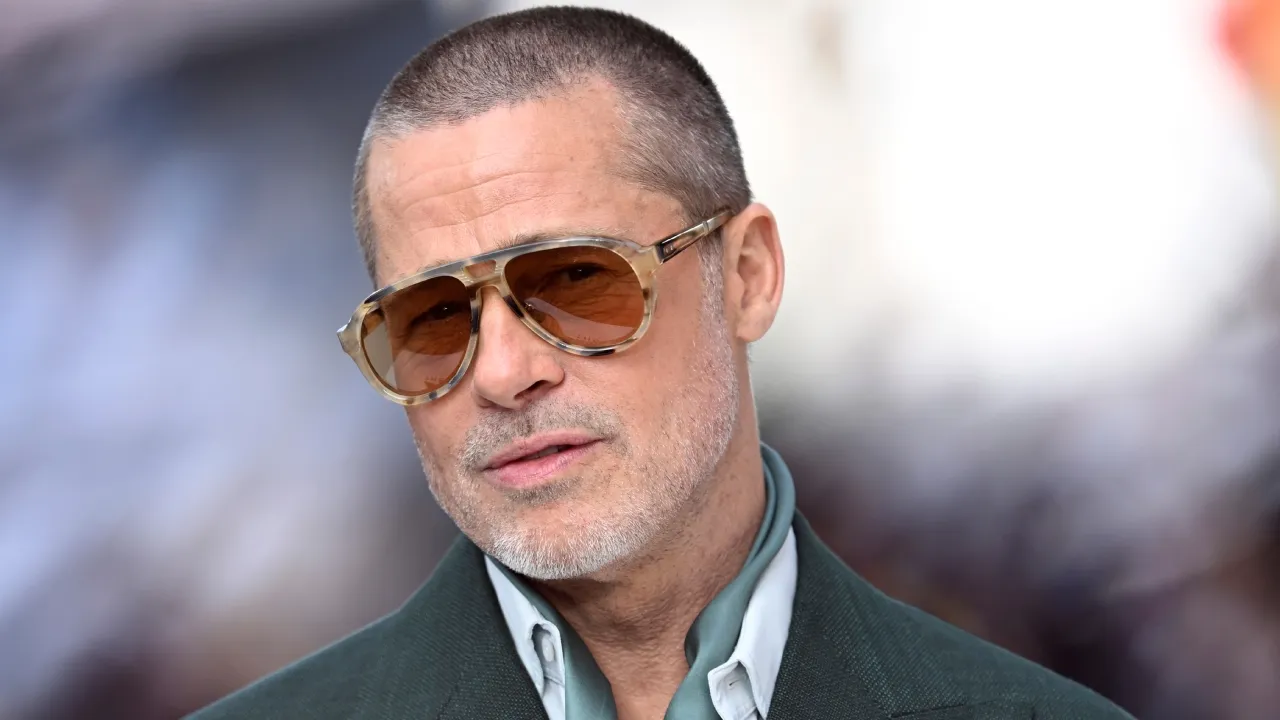
Brad Pitt – The Departed (2006)
Source: Gareth Cattermole/Getty Images for Warner Bros. Pictures
Brad Pitt was initially slated to play the role of the mole, Colin Sullivan, but he ultimately decided that the character should be played by a younger actor to better reflect the hunger of a rising detective. He stepped aside to produce the film instead, allowing Matt Damon to take the role, which resulted in Scorsese finally winning his long-awaited Best Picture and Best Director trophies.