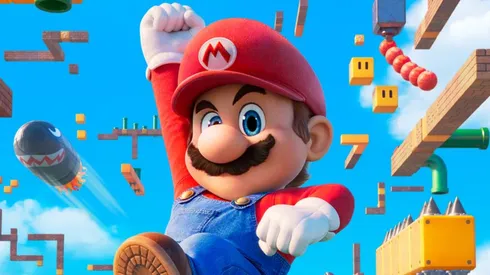
On April 5, 2023, the arrival of “The Super Mario Bros. Movie” in theaters represented a high-stakes gamble for both Nintendo and Illumination Entertainment. After decades of guarding its intellectual property following the 1993 live-action failure, Nintendo’s return to the box office was met with significant industry scrutiny and initial public skepticism regarding its voice cast.
However, the film’s eventual $1.36 billion global gross did more than just secure a profit; it dismantled the long-standing video game curse that had historically relegated gaming adaptations to critical or financial disappointment. Three years later, the picture is recognized as the pivot point that transformed video games into the primary engine of modern blockbuster cinema.
A Fundamental Shift in Adaptation Strategy
The success of the 2023 feature can be attributed to a strategic rejection of the creative liberties that typically hindered previous adaptations. Historically, filmmakers sought to normalize gaming narratives to fit traditional cinematic structures, often alienating the core fanbase in the process.

Nintendo and Illumination reversed this trend by prioritizing visual and auditory fidelity, ensuring that the picture’s environment functioned as an extension of the games rather than a loose interpretation. This commitment to brand integrity satisfied long-term enthusiasts while providing a colorful, high-energy entry point for younger audiences, effectively creating a multi-generational consumer event.
By securing such a massive domestic and international audience, the film provided a definitive proof of concept for the viability of the “Nintendo Cinematic Universe.” Its performance demonstrated that video game properties possessed the same box-office gravity as established comic book franchises, leading to a rapid acceleration of similar projects across the industry.
This era of production shifted from cautious experimentation to aggressive expansion, as studios realized that the gaming sector offered a deep well of pre-sold audiences. The ripple effects are still visible in 2026, with major publishers now taking a more active, supervisory role in how their properties are translated to the screen.
Beyond its financial milestones, the movie redefined the commercial potential of the animated musical within the gaming genre. The viral performance of Jack Black’s Bowser singing “Peaches” and the strategic use of celebrity persona proved that these films could dominate cultural conversations far beyond the theater lobby.
This holistic marketing approach integrated merchandise, music, and digital engagement, setting a new standard for how intellectual property is managed in a fragmented media landscape. Ultimately, the 2023 release functioned as a masterclass in modern franchise management, ensuring that Mario’s transition to the big screen was not a singular event, but the foundation of a durable, long-term cinematic strategy.