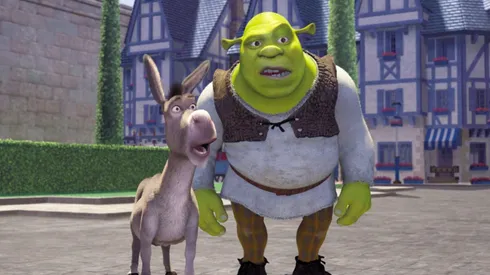
We explore how the massive release of ‘Shrek’ shattered traditional fairy tale conventions, created an undeniable pop-culture phenomenon, and permanently changed how the world views animated filmmaking.
When Shrek originally premiered a quarter of a century ago, the animation industry was largely defined by earnest, musically driven princess narratives that rarely strayed from a predictable formula. By introducing a cynical, mud-bathing antihero and a barrage of adult-oriented pop-culture references, DreamWorks Animation took a massive creative risk that spectacularly paid off.
Shattering the Fairy Tale Formula
Before this iconic green ogre stormed into theaters, major animated features strictly adhered to earnest, squeaky-clean princess narratives. This groundbreaking movie completely flipped the script by actively mocking those beloved tropes with sharp, cynical humor tailored just as much for adults as children.
From Lord Farquaad’s hilarious vanity to Fiona’s surprising martial arts skills, the screenplay refused to take classic folklore seriously. It successfully proved that modern families were desperately hungry for an edgier, highly self-aware approach to storytelling.
Building the DreamWorks Empire
While Pixar had already established a massive foothold in computer-generated imagery, this monumental swamp adventure officially crowned a formidable new industry rival. The massive financial triumph of the 2001 blockbuster single-handedly solidified DreamWorks Animation as a powerhouse studio capable of dominating the global box office. Earning nearly half a billion dollars worldwide, the project validated Jeffrey Katzenberg’s vision of creating edgy, culturally relevant entertainment. It ultimately laid the critical foundation for future billion-dollar franchises like Madagascar and Kung Fu Panda.
Creating a Pop-Culture Soundtrack
Instead of relying on sweeping orchestral numbers sung by woodland creatures, the filmmakers made the brilliant decision to license contemporary rock and pop hits. This bold choice transformed Smash Mouth’s “All Star” from a late-nineties radio staple into an immortal, multi-generational cinematic anthem. By seamlessly blending classic medieval aesthetics with modern rock tracks like Joan Jett’s “Bad Reputation,” the soundtrack resonated deeply with teenage and adult demographics. It completely revolutionized how major Hollywood studios approach musical supervision in family-friendly blockbusters.
Making Oscar History
The undeniable cultural and critical impact of this fractured fairy tale literally forced the Academy of Motion Picture Arts and Sciences to adapt. In 2002, the Oscars officially introduced the Best Animated Feature category to properly honor full-length digital and hand-drawn storytelling.
Defeating heavy-hitting competitors like Pixar’s beloved Monsters, Inc., this subversive comedy proudly took home the inaugural golden statuette. Securing that historic victory permanently legitimized comedic, pop-culture-heavy animation as a highly respected, award-worthy cinematic art form.