For decades, the Rock and Roll Hall of Fame has been one of music’s most prestigious honors, celebrating artists whose work helped shape popular culture. Yet not everyone has embraced the institution or its selection process.
Some musicians have questioned its credibility, criticized its voting methods, or rejected the idea that a single organization should determine musical greatness. From outspoken rock icons to influential songwriters, these 20 artists made their dissatisfaction with the Hall impossible to ignore.
Bruce Dickinson

The Iron Maiden frontman has long been one of the Hall’s most outspoken critics. Dickinson once dismissed the institution as essentially meaningless, describing it as out of touch with the spirit of rock music. He has argued that the selection process reflects the tastes of insiders rather than fans or musicians themselves. At various points, he has even suggested that his band would decline induction if it were ever offered.
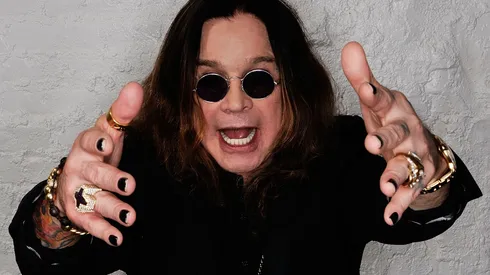
Ozzy Osbourne
Before Black Sabbath was inducted in 2006, Ozzy Osbourne publicly criticized the Rock and Roll Hall of Fame’s nomination process. In an open letter responding to a nomination, he dismissed the recognition as meaningless and argued that the voting body consisted largely of industry insiders rather than fans, even asking for the group to be removed from the ballot.
Osbourne emphasized that Black Sabbath had always been “a people’s band,” suggesting their legacy was built by audiences, not institutions.
Sex Pistols
Few artists rejected the Rock and Roll Hall of Fame as dramatically as the Sex Pistols. When the band was inducted in 2006, they refused to attend the ceremony and issued a blunt statement dismissing the institution. The letter included the famous line: “We’re not your monkeys, we’re not coming. You’re not paying attention”.
Jon Bon Jovi
Before Bon Jovi was finally inducted into the Rock and Roll Hall of Fame in 2018, Jon Bon Jovi spent years criticizing the organization for repeatedly overlooking the group. He suggested that some members of the nomination committee had a personal agenda against the band, despite its commercial success and longevity in the industry.
Bon Jovi also questioned the credibility of the selection system, describing the nomination process as flawed and overly influenced by individual opinions.
Steve Lukather
The longtime guitarist of Toto has been openly frustrated about the group’s absence from the Rock and Roll Hall of Fame. In a 2020 interview, Lukather suggested the band had faced resistance from the institution for decades, saying organizers had disliked the group since its early years in the late 1970s. Despite Toto’s commercial success, Grammy wins, and enduring hits such as “Africa” and “Rosanna,” he argued that critics have often undervalued the band compared with fans and fellow musicians.
Dennis DeYoung
The founding singer of Styx reignited debate about the Hall in 2025 with a blunt critique on social media. DeYoung argued that many artists are honored far too late, sometimes when they are unable to fully participate in the celebration. He called the pattern “shameful” and accused the institution of waiting until musicians are incapacitated or deceased before acknowledging their influence.
Judas Priest
Members of Judas Priest have openly questioned the long delay before the band received recognition from the Rock and Roll Hall of Fame. For years, frontman Rob Halford and guitarist K. K. Downing pointed out that the group helped shape the sound and image of modern heavy metal, yet remained absent from the Hall’s roster.
Halford noted that the genre’s influence on rock history was often underestimated by institutions outside the metal community. Although the band was finally honored with the Musical Excellence Award in 2022, the long wait reinforced ongoing criticism about how the Hall has historically treated heavy metal artists.
Dee Snider
The outspoken singer of Twisted Sister has repeatedly criticized the Hall’s approach to heavy metal. Snider accused the institution of being run by elites who overlook commercially successful rock and metal acts because they are not considered “cool.” He has also questioned the influence of music industry gatekeepers over nominations and voting.
Gene Simmons
The KISS co-founder has repeatedly criticized the Rock and Roll Hall of Fame over its expanding definition of rock music. Simmons has argued that the institution should focus more strictly on rock and hard rock artists rather than inducting performers from other genres. In particular, he has questioned the recognition of hip-hop acts while influential rock bands such as Iron Maiden remained outside the Hall for many years.
Paul Stanley
Simmons’ KISS bandmate has echoed many of the same concerns. Stanley criticized the Hall for what he viewed as years of unfair exclusion before the band was finally inducted. During public appearances and speeches, he has suggested that personal biases among voters may influence nominations.
Joan Jett
The rock pioneer has also highlighted structural concerns surrounding the Rock and Roll Hall of Fame. Upon her 2015 induction, she stated, “There should be more women in the Hall of Fame, and more women in rock.” Her remarks emphasized the importance of recognizing the contributions of female musicians across the genre’s history. The moment also helped draw renewed attention to the gender imbalance that shaped many of the Hall’s early decades.
Lou Gramm
The former Foreigner frontman has repeatedly questioned the Rock and Roll Hall of Fame’s selection process. Gramm has suggested that personal grudges and internal politics may influence which artists receive recognition, once describing the situation as “very juvenile.”
After Foreigner was finally inducted in 2024, he also criticized how the ceremony itself was handled. Gramm said the organizers limited the involvement of original members and did not allow them to perform together as a full band. He also expressed disappointment that he was asked to sing only the ballad “I Want to Know What Love Is” instead of performing one of the group’s harder rock songs.
Courtney Love
In a widely discussed opinion piece, the Hole singer argued that the Hall suffers from systemic bias. Love pointed to the underrepresentation of women and Black artists in its history, describing the nomination system as a form of exclusionary gatekeeping. She also questioned how influential figures in rock and alternative music could remain overlooked for years.
Steve Miller
When the Steve Miller Band was inducted into the Rock and Roll Hall of Fame in 2016, Steve Miller did not hide his frustration with the experience. The veteran rocker criticized the organization for what he described as a lack of transparency and an environment that he felt was not particularly supportive of artists.
He also pointed to the high cost of attending the ceremony and the limited number of women historically nominated for induction. Miller later said the overall experience left him disappointed, arguing that the event should do more to celebrate the musicians it is meant to honor.
Joe Elliott
The lead singer of Def Leppard did not mince words when discussing the Hall’s voting body. Joe Elliott once referred to its voters as “faceless tuxedo-wearing” figures, arguing that their choices often felt disconnected from rock’s real audience. His frustration came during years when the band remained outside the Hall despite massive global success. Def Leppard was eventually inducted in 2019, but Elliott’s earlier comments remain part of the Hall’s long history of criticism.
Ted Nugent
Outspoken guitarist Ted Nugent has been one of the most vocal critics of the Rock and Roll Hall of Fame and its selection process. In interviews, Nugent has argued that the Hall has drifted away from its original mission by honoring artists from outside traditional rock music.
He has said such decisions ignore the legacy of foundational rock pioneers like Chuck Berry, Bo Diddley, and Little Richard. Nugent has also suggested that several classic rock groups—including REO Speedwagon, Styx, Triumph, and Grand Funk Railroad—deserve recognition for their contributions to rock history.
Chrissie Hynde
The leader of The Pretenders took an unusually candid stance following the band’s induction. Chrissie Hynde stated the concept of a hall of fame had “absolutely nothing to do with rock ’n’ roll” and admitted she did not even want to be associated with it. She went so far as to say that anyone who wanted her place in the Rock and Roll Hall of Fame could have it. Hynde also explained that the main reason she attended the ceremony was to avoid disappointing her parents.
Kirk Hammett
The Metallica guitarist has also voiced skepticism about the Rock and Roll Hall of Fame and its approach to honoring rock artists. Following the exclusion of bands like Motörhead, Thin Lizzy, and Judas Priest from the 2020 induction class, Hammett questioned some of the Hall’s past choices and omissions, noting that several influential hard rock and metal acts had been overlooked for years. He suggested the selection process sometimes felt inconsistent with the genre’s history.
Joe Walsh
Despite being inducted with the Eagles in 1998, Joe Walsh has openly criticized the Rock and Roll Hall of Fame and the way it selects honorees. In 2018, he argued that the process had become overly political and influenced by corporate sponsors rather than purely artistic merit, adding that some inductees puzzled him while many deserving artists remained overlooked.
Vinny Appice
Former Black Sabbath and Dio drummer Vinny Appice has been vocal about his frustration with the Rock and Roll Hall of Fame, particularly over the absence of Ronnie James Dio. In interviews, Appice argued that the institution has not always reflected the full impact of heavy metal on rock history.
He noted that Black Sabbath, widely considered a foundational band for the genre, was not inducted until 2006 despite becoming eligible more than a decade earlier. Appice has also emphasized that Dio’s long career, which included influential work with bands such as Rainbow and Black Sabbath before forming Dio, makes him a deserving candidate whose legacy continues to resonate with fans.