In an entertainment landscape heavily reliant on existing intellectual property, audiences have grown understandably skeptical of network announcements promising to bring back classic television shows. Far too often, these attempts result in cynical, uninspired cash grabs that fail to capture the magic of the original broadcasts.
However, when a talented creative team approaches a dormant franchise with genuine reverence and a bold, modernized perspective, the results can be absolutely spectacular. By striking the perfect balance between nostalgic homage and innovative storytelling, a select few productions have managed to transcend their predecessors.
Here are ten remarkable series reboots that defied the odds and earned their place as modern television triumphs.
Battlestar Galactica (2004)
Developed by Ronald D. Moore, this gritty reimagining of the campy 1978 space opera completely transformed the science fiction television landscape. By grounding the intergalactic conflict between humanity and the robotic Cylons in harsh, post-9/11 realism, the narrative explored profound themes of survival, religion, and political morality. The incredible ensemble cast, led by Edward James Olmos and Mary McDonnell, delivered consistently powerhouse performances over four gripping seasons. This bold tonal shift shattered genre boundaries, earning universal critical acclaim and securing a legacy as one of the greatest sci-fi dramas ever produced.
Doctor Who (2005)
Resurrecting a quirky, decades-old British institution for a contemporary global audience was an incredibly daunting task, but showrunner Russell T Davies executed the vision flawlessly. Introducing Christopher Eccleston as a deeply traumatized, war-torn Ninth Doctor gave the classic time-traveling premise a necessary, grounded emotional edge. The revival brilliantly balanced terrifying new monsters with the program’s signature charm, making the sprawling mythology accessible to absolute beginners. Decades later, this massively successful relaunch continues to thrive, proving that a brilliant concept can regenerate indefinitely with the right creative direction.
One Day at a Time (2017)
Showrunners Gloria Calderón Kellett and Mike Royce brilliantly updated Norman Lear’s classic 1970s sitcom by centering the narrative on a multi-generational Cuban-American family living in Los Angeles. Starring Justina Machado and the legendary Rita Moreno, the comedy masterfully tackled incredibly heavy topics—including PTSD, immigration, and homophobia—without ever losing its warm, laugh-out-loud humor. The palpable chemistry among the cast created an incredibly cozy, authentic dynamic that resonated deeply with viewers seeking genuine representation. It stands as a shining example of how a modernization can honor the spirit of its predecessor while carving out a vital, contemporary identity.
Queer Eye (2018)
Netflix took the slightly dated, superficial premise of an early-2000s reality hit and transformed it into a profoundly moving exploration of self-love and radical acceptance. The newly assembled “Fab Five” ventured beyond coastal cities to connect with diverse individuals across America, focusing heavily on mental health and emotional vulnerability rather than just basic wardrobe upgrades. The genuine compassion and infectious joy exhibited by the hosts turned standard makeover episodes into tear-jerking, transformative therapy sessions. This thoughtful evolution elevated the unscripted series into a powerful, Emmy-winning cultural phenomenon that continues to inspire audiences worldwide.
DuckTales (2017)
Updating a beloved, nostalgic Saturday morning cartoon requires immense care, and Disney’s sharp, serialized revival absolutely knocked the ambitious project out of the park. Featuring a stellar voice cast headlined by David Tennant as Scrooge McDuck, the series injected distinct, complex personalities into nephews Huey, Dewey, and Louie while elevating Webby Vanderquack into a formidable co-lead. The writers brilliantly wove deep-cut Disney Afternoon Easter eggs into a sprawling, emotionally resonant overarching mystery about family legacy and thrilling adventure. It easily surpassed the impressive heights of the original, delivering a remarkably smart, hilarious animated triumph for viewers of all ages.
Lost in Space (2018)
Netflix reimagined Irwin Allen’s classic 1960s camp adventure into a breathtaking, high-budget cinematic spectacle focused on the resilience of the Robinson family. The show replaced the original’s lighthearted silliness with intense survival mechanics, stunning visual effects, and a surprisingly complex, modernized iteration of the iconic Robot companion. Parker Posey’s brilliant turn as the manipulative Dr. Smith added a layer of delicious psychological tension to the treacherous interstellar journey. By prioritizing genuine emotional stakes alongside dazzling planetary exploration, the creators successfully delivered a deeply satisfying, cohesive three-season sci-fi epic.
She-Ra and the Princesses of Power (2018)
Showrunner ND Stevenson took an eighties cartoon originally designed to sell action figures and masterfully rebuilt it into a sweeping, emotionally complex fantasy epic. The animated reboot prioritized rich character development, giving both the heroic rebellion and the villainous Horde deeply sympathetic, multi-dimensional motivations. It also broke significant ground for LGBTQ+ representation in all-ages media, seamlessly weaving inclusive romances into its core narrative about friendship and destiny. This vibrant, critically lauded reimagining proved that older properties can be beautifully adapted to reflect the values and diversity of modern audiences.
Bel-Air (2022)
Originating from a viral fan film, this dramatic reimagining of the beloved nineties sitcom The Fresh Prince of Bel-Air successfully translated a classic comedic premise into compelling prestige television. The series completely strips away the laugh track, opting to explore the inherent socioeconomic tensions and culture shock of Will’s relocation from West Philadelphia to a wealthy Los Angeles mansion. Jabari Banks perfectly captures the charismatic swagger of the iconic lead while navigating much heavier, serialized conflicts involving gang violence and systemic privilege. It is a brilliant tonal shift that respects the original characters while grounding their struggles in a gritty, contemporary reality.
Hawaii Five-0 (2010)
CBS successfully revived its legendary 1968 police procedural by injecting the classic island-based premise with blockbuster-level action choreography and undeniable buddy-cop chemistry. Alex O’Loughlin and Scott Caan anchored the massive hit as Steve McGarrett and Danny Williams, turning their characters’ constant, humorous bickering into the emotional core of the fast-paced drama. The production fully utilized its gorgeous Honolulu filming locations, combining breathtaking scenery with high-stakes criminal investigations and serialized overarching mysteries. Running for an impressive ten seasons, this lucrative reboot proved that traditional network procedurals can still dominate the ratings when executed with style and high energy.
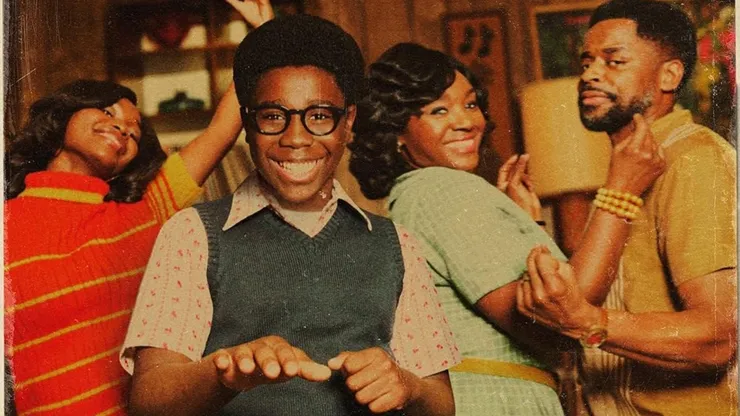
The Wonder Years (2021)
Rather than simply recasting the Arnold family, this thoughtful reboot shifted the perspective to center on a middle-class Black family navigating life in Montgomery, Alabama, during the late 1960s. Narrated by Don Cheadle, the comedy brilliantly utilized the tumultuous historical backdrop of the Civil Rights Movement to add profound depth to its coming-of-age narrative. Elisha Williams delivered a star-making performance as young Dean Williams, capturing the universal awkwardness of adolescence while facing the unique racial challenges of the era. The critically acclaimed series managed to capture the nostalgic warmth of the 1988 original while providing a fresh, historically vital point of view.